Micro and Nano Influencers: Definitions, Trade-Offs, and How to Use Them in Japan

- 1. What Are Micro and Nano Influencers?
- 1-1. Where the Micro and Nano Lines Sit
- 1-2. Why Japanese Sources Draw the Lines Differently
- 2. What Smaller Creators Do Well
- 2-1. Closer Trust Inside a Niche
- 2-2. Reach Into Communities Big Accounts Miss
- 2-3. Content Volume You Can Reuse
- 3. Where Micro and Nano Influencers Fall Short
- 3-1. A Reach Ceiling and a Heavy Workload
- 3-2. Uneven Quality and Compliance Risk
- 4. Choosing the Right Tier for the Job
- 4-1. Matching Tier to Objective
- 4-2. Mixing Tiers in One Campaign
- 5. How Micro Influencer Marketing Works in Japan
- 5-1. Who Represents Smaller Creators in Japan
- 5-2. Which Platforms to Start With in Japan
- 5-3. Gifting or Paid Posts
- 6. How to Pick Micro and Nano Creators in Japan
- 6-1. Check Audience Country Breakdown First
- 6-2. Engagement Quality and Fake Followers
- 6-3. Brand Fit and Past PR Posts
- 7. Running Dozens of Creators at Once
- 7-1. One Brief, Many Creators
- 7-2. Disclosure at Scale
- 7-3. Tracking Results Creator by Creator
- 8. What Drives the Cost of a Micro Campaign
- 9. FAQ
- 9-1. What is a micro influencer?
- 9-2. What is the difference between micro and nano influencers?
- 9-3. Are micro influencers more effective than macro influencers?
- 9-4. How many micro influencers do I need for a campaign in Japan?
- 9-5. Do gifted posts need an ad label in Japan?
- 9-6. How do I find micro influencers in Japan?
- 9-7. How much do micro influencers charge in Japan?
- 10. Methodology and Data Sources
Pricing, past campaigns, and how contracts and ad-disclosure compliance are handled from start to finish. Ask us anything before you commit to a budget.
Overseas brands welcome. We work in English, Japanese, Chinese, and Korean.TL;DR: On hoticeglobal.com, nano influencers have 1,000 to 10,000 followers and micro influencers 10,000 to 100,000, counted on their main platform. Smaller creators are strong on niche trust and content volume, and weak on reach and workload. In Japan, gifting a product while asking for or expecting a post makes it your advertising, and disclosure is your responsibility.
Brand teams planning a first campaign in Japan soon face a choice: put the budget behind one well-known creator, or spread it across dozens of smaller ones. Whether smaller creators are better value in Japan depends on what the campaign must do, and on whether you can run that many Japanese-speaking creators at once.
This guide covers definitions, strengths and weaknesses, and how to choose a tier for each objective. The second half is about Japan specifically: who represents small creators, where to find them, what disclosure requires, and how to run many of them without losing control. For the wider picture of creator campaigns in Japan, start with our overview of influencer marketing in Japan.
What Are Micro and Nano Influencers?
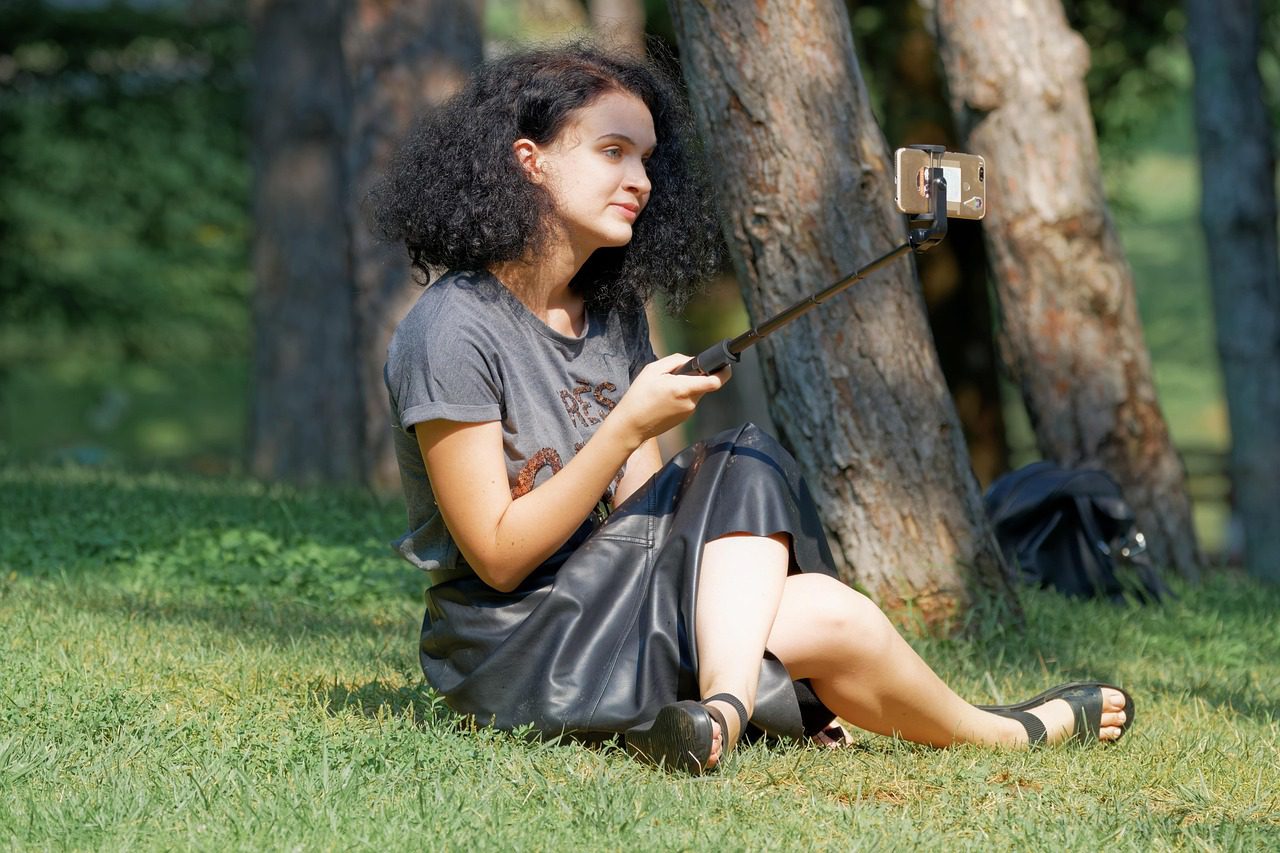
A micro influencer is a creator with 10,000 to 100,000 followers on their main platform, and a nano influencer is a creator with 1,000 to 10,000. Both sit below the mid-tier, macro and mega tiers, and both are booked for their closeness to a specific audience rather than for size. These are the definitions used across hoticeglobal.com.
| Tier | Followers | Typical role in a campaign |
|---|---|---|
| Nano | 1,000 to 10,000 | Product seeding, reviews and user-generated content at volume |
| Micro | 10,000 to 100,000 | Trust and conversion inside a niche; the core of most first campaigns |
| Mid-tier | 100,000 to 500,000 | The anchor creator of a typical brand campaign |
| Macro | 500,000 to 1,000,000 | Broad reach; usually booked through a talent office |
| Mega | Over 1,000,000 | Launch-scale reach, negotiated like a celebrity endorsement |
Where the Micro and Nano Lines Sit
Nano runs from 1,000 to 10,000 followers and micro from 10,000 to 100,000. The count that matters is the one on the creator’s main platform, the account where they actually publish their brand work, not the total across every account they own.
A creator with 40,000 Instagram followers and 3,000 YouTube subscribers is a micro creator on Instagram, not a combined 43,000. Followers on different platforms also carry different weight: a YouTube subscriber who watches ten-minute reviews and an Instagram follower who scrolls past a photo are one person each, but they do not mean the same thing. The tier table above is the one in our influencer marketing statistics for Japan, where it serves as the definition for the whole site.
Why Japanese Sources Draw the Lines Differently
Japanese industry materials commonly sort creators into nano, micro, “middle” and “top” influencers, and each company sets the boundaries itself. The labels look familiar, but the numbers behind them do not always match ours or each other, and the disagreement is widest above 100,000 followers, where one source’s middle tier is another’s top tier.
We do not list other companies’ thresholds here, because they are revised often and are not always published. The practical rule is simpler: before you compare a Japanese agency’s “micro” results or prices with figures from another source, ask which follower range the agency means. Two reports can both say “micro” and be describing different creators.
What Smaller Creators Do Well

Smaller creators have three real strengths: trust inside a niche, access to communities large accounts do not reach, and a volume of content you can reuse. Marketers say they are moving toward them. In Influencer Marketing Hub’s 2026 benchmark survey of more than 600 marketing professionals, 51.43% of those who answered for nano creators planned to increase or start using them, as did 52.83% for micro creators, against 20.59% for macro creators. Each figure comes from the smaller group that answered for that tier, and the survey is not specific to Japan, so read it as direction only.
Closer Trust Inside a Niche
A creator with a few thousand followers in one city, hobby or profession often knows much of their audience by name, answers comments and trades direct messages. When they recommend a product, it lands closer to a tip from someone you know than to an advertisement.
The common claim that small creators have far higher engagement needs care. Benchmark studies have long reported that engagement rate tends to fall as follower count rises; HypeAuditor’s 2018 analysis of more than 36,000 Instagram influencers said so plainly. But those studies use their own tier lines and do not publish Japan-only figures, so we do not quote a multiplier. A Japanese data point points the same way from the buyer’s side: in hotice’s 2026 Instagram purchasing survey, 37.50% of 432 buyers named a creator honestly mentioning a product’s drawbacks as a deciding factor, the frank tone that comes naturally to a creator talking to people they know.
Reach Into Communities Big Accounts Miss
Large accounts speak to broad audiences. Many groups that buy are small and specific: parents in one prefecture, people who restore old cameras, nurses, anglers, home bakers, fans of a single sport. The creators who serve those groups are almost always small, because the group itself is small.
That makes the micro and nano tiers the right tool for two jobs in particular: bringing people into a local store or venue, and building the first word of mouth for a niche product that a broad audience would scroll past.
Content Volume You Can Reuse
Twenty creators produce twenty sets of photos, videos and captions in twenty styles. That variety fills the hashtag searches buyers run before deciding: in the same hotice survey, 28.94% of Instagram buyers searched hashtags for genuine user reviews before purchasing. Nano creators in particular are a natural source of user-generated content, covered in our guide to UGC marketing in Japan.
Reuse is not automatic. Showing a creator’s post on your website or in ads needs their permission and, usually, a contract term covering where, how long and in what form. Agree on secondary use when you make the request, not after the post performs. Running ads from a creator’s own account is a separate arrangement, explained in our guide to influencer whitelisting in Japan.
Where Micro and Nano Influencers Fall Short
Most guides to micro influencers list only the advantages. The drawbacks are just as predictable, and they are what usually decides whether a small-creator campaign is the right choice for your team.
A Reach Ceiling and a Heavy Workload
Adding creators adds reach, but slowly and unevenly. Thirty nano creators do not reach the people that one large creator reaches, because their audiences are small and often overlap. If you need wide awareness in a short window, such as a national launch on a fixed date, small creators alone will not get you there.
The workload, meanwhile, grows with every creator you add. Each one needs a request, a brief, a product shipment, draft checks, a published-post check and a payment or thank-you. In Japan, all of that happens in Japanese, and creators expect polite, prompt replies. A team that can manage five creators comfortably can find fifty overwhelming.
Uneven Quality and Compliance Risk
Quality varies more among small creators. Lighting, editing and writing range from professional to casual, ad disclosure gets forgotten, and some accounts carry bought followers. These are not reasons to avoid the tier, but they are reasons to check more.
Many micro and nano creators work as individuals with no talent office behind them, so nobody else is reviewing their posts before they go live. That review falls to the brand. Under Japan’s stealth marketing rules, the duty to disclose sits with the advertiser, so a missing label on a creator’s post is the brand’s problem, not only the creator’s. For cosmetics, quasi-drugs and similar products, Article 66 of Japan’s Pharmaceutical and Medical Device Act forbids “any person” from false or exaggerated claims, so a creator, and an agency that wrote the copy, can be liable too.
Choosing the Right Tier for the Job

No tier is best in general. Start from what the campaign needs to achieve, then choose the tier, and usually a second tier to support it. The table below is our working guide, not a published industry standard.
| Objective | Main tier | Tier to combine with |
|---|---|---|
| Wide awareness | Mid-tier and above | Micro, to add depth after the launch posts |
| Word of mouth for a new product | Nano | Micro, for credibility in the category |
| Pushing online purchases | Micro | Nano, for reviews buyers find when they search |
| Visits to a local store or venue | Micro and nano in the area | None needed at first |
| Ad creative and reusable content | Nano | Micro, for higher production quality |
Matching Tier to Objective
The basic pattern is simple. Nano creators supply volume of word of mouth and content, micro creators supply trust and purchases inside a field, and mid-tier and larger creators start awareness.
Wide awareness needs reach, so it starts with mid-tier or larger creators; micro creators then keep the conversation going. Word of mouth for a new product works best with many nano creators posting genuine first impressions, with a few micro creators adding authority. Online purchases follow trust, which is where micro creators in the right field earn their place. Store visits depend on geography, so local micro and nano creators come first. Ad creative needs many usable assets, which favors nano volume.
The exception is niche products. When the whole category is small, such as specialist hobby equipment, a respected micro creator may be the biggest voice that exists, and can start awareness alone.
Mixing Tiers in One Campaign
Many campaigns combine tiers: a small number of mid-tier creators to start the conversation, then micro and nano creators to make it feel widespread. Stagger the posts over several weeks rather than publishing everything on one day, so that people keep meeting the product from different sources and the topic appears to be still going.
This fits the advice in our guide to influencer marketing in Japan, which favors several mid-tier creators in one defined niche over one large name. Micro and nano creators extend that base; they do not replace the anchor when awareness is the goal.
How Micro Influencer Marketing Works in Japan
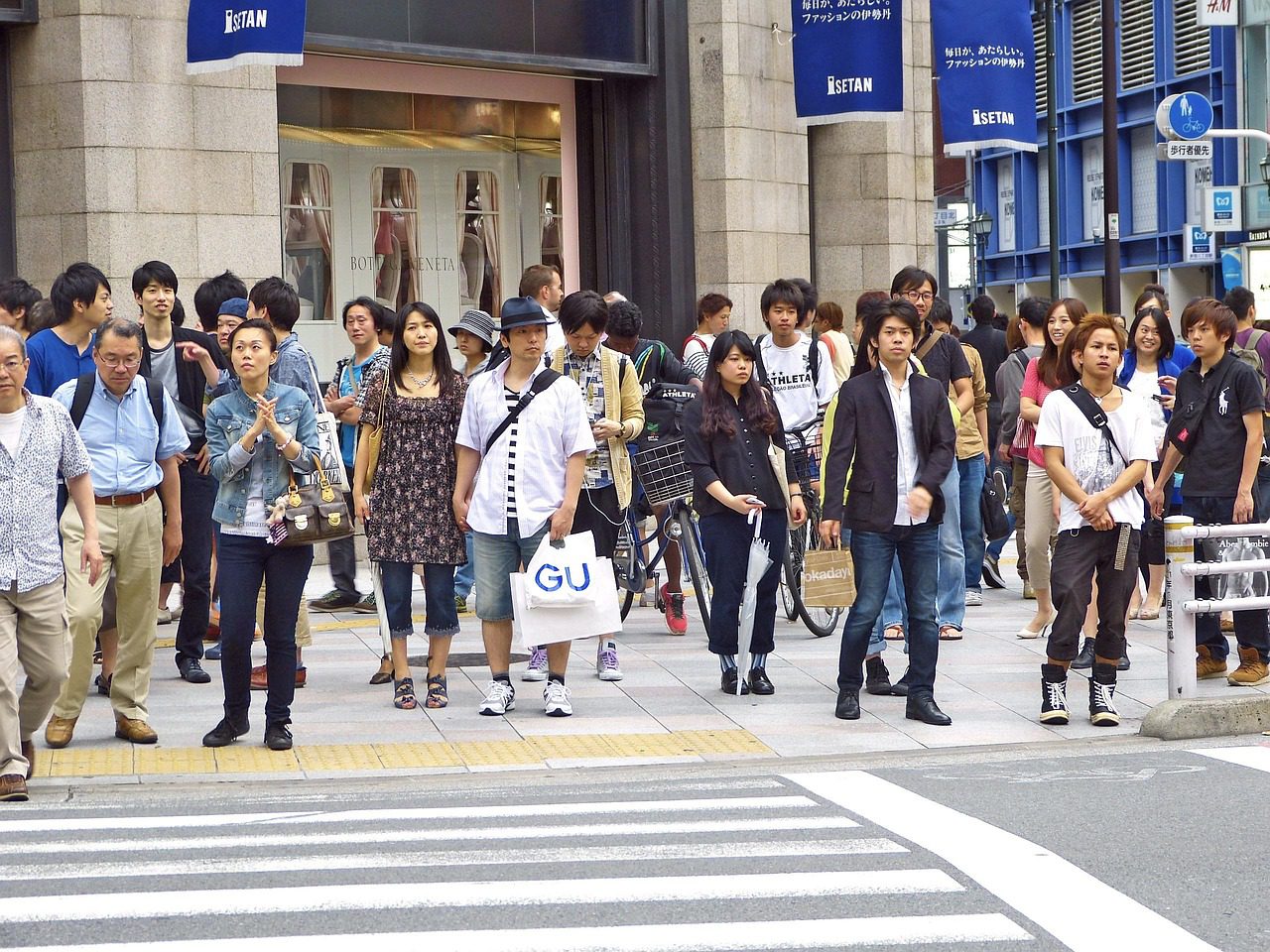
Everything above applies anywhere. From here on, this guide is about booking small creators in Japan: who you deal with, where they publish, and how Japanese rules treat gifting.
The table compares the four platforms where most creator work happens. No public source counts Japanese creators by follower tier on each platform, so the table describes fit rather than size.
| Platform | How small accounts get found | Products that fit | Typical request |
|---|---|---|---|
| Hashtags and location tags | Beauty, fashion, food, home goods, local venues | Feed post or Reel, often with Stories | |
| TikTok | The recommendation feed, which can carry a video far beyond the creator’s followers | Products that show well in a short demonstration | Short video, often with a trending sound |
| X | Reposts inside hobby and fan communities | Games, gadgets, books, hobby goods | Text post with images, or a review thread |
| YouTube | Search, though small channels take longer to build | Products that need explanation, such as tech and tools | Review video or a segment inside one |
Who Represents Smaller Creators in Japan
Mid-tier and larger creators in Japan often belong to a talent office or management company. Many micro and nano creators do not; they work as individuals. To reach them at scale, brands usually go through a casting company or a matching platform that connects brands with registered creators.
The route changes the work. A talent office handles contact, contract and invoices and reviews the creator’s work, but adds a layer to every decision. An individual creator is a direct conversation, but you take on every check yourself, in Japanese. Our map of Japan’s influencer industry explains which types of company sit between brands and creators.
Which Platforms to Start With in Japan
Start with the platform your buyers use and your product suits, not with a general ranking. The Ministry of Internal Affairs and Communications’ FY2025 survey of 1,800 people aged 13 to 79, published in June 2026, puts usage at 81.5% for YouTube, 54.8% for Instagram, 44.7% for X and 36.7% for TikTok. Instagram peaks among people in their twenties (82.6%) and is used by 63.4% of women against 46.2% of men; X peaks in the twenties (73.4%); TikTok in the teens (67.9%).
Usage is not a count of small creators, so match the platform to the product. Our guides to Instagram influencer marketing in Japan and TikTok influencer marketing in Japan go into each platform.
hotice is a cross-border influencer marketing agency helping overseas brands enter Japan. We handle casting, negotiation, Japanese-language contracts, and ad-disclosure compliance.
Tell us your category, budget range, and timing. We will take it from there.Gifting or Paid Posts
Gifting means sending a product with no fee; a paid post means a fee for agreed content. Nano programs are often built on gifting, while micro creators more often expect a fee. Designing and running a gifting program is covered in our guide to influencer seeding in Japan.
The fee is not what decides disclosure. Under the Consumer Affairs Agency’s guidelines, a product given free while you ask for a post is your advertising if the post follows your direction, and payment in goods counts as payment. Telling a creator you hope they will share their thoughts, or packing a card with your hashtag and account name, points the same way. A post with no request and no contact may fall outside the rule, but practical gifting is almost never like that, so ask every gifted creator to label the post as PR or as a provided product.
How to Pick Micro and Nano Creators in Japan
The full search and vetting process has its own guide, linked below. This section covers the three checks that go wrong most often with small accounts, where a few odd numbers can distort the whole picture.
Check Audience Country Breakdown First
Check the audience country breakdown, the share of followers by country, before anything else. A creator who posts in Japanese can still have a large share of followers outside Japan, and with a small account a few hundred overseas followers move the percentage a long way. Those followers cannot visit a store in Osaka or buy from a Japan-only online shop.
The usual practice is to ask for screenshots of the creator’s account insights before you send a request, showing country, age and gender. Most established creators are used to the request. If you want to see what established Japanese creators look like before you build a list, our ranking of Japanese middle-tier Instagram influencers profiles real accounts.
Engagement Quality and Fake Followers
Do not judge on engagement rate alone. Read the comments: real Japanese followers write natural Japanese reactions, ask questions and refer to earlier posts. Generic praise, emoji-only replies and comments in unrelated languages suggest bought engagement. Look at the follower history too; sudden jumps with no viral post to explain them are a warning sign.
Small accounts are cheap to inflate, so this check matters more at the nano level than anywhere else. The red flags and audit steps are set out in our guide to finding and vetting Japanese influencers.
Brand Fit and Past PR Posts
Scroll back through several months of posts. How often does the creator post sponsored content? A feed that is mostly PR has worn out its audience’s trust. In a hotice survey on posting frequency, respondents most often described high-frequency posting as noisy or pushy, followed by “feels like an ad”, and a good balance between promotional and everyday posts was among the most cited reasons to trust an account. Our posting frequency survey has the details.
Check whether past PR posts carry a clear label. A creator with no habit of disclosure is a risk you would be taking on, and the safer choice is to pass.
Running Dozens of Creators at Once

When a campaign grows from five creators to fifty, three things tend to break first: instructions, disclosure and measurement. Fixing them is mostly a matter of setting the system up before the first request goes out.
One Brief, Many Creators
Give every creator the same brief, and let each one say it their own way. Fifty posts with the same wording read as an obvious campaign in Japan and lose the trust that made small creators worth booking. Fix the facts and the rules; free the voice.
A few items are the same for everyone and not negotiable: the disclosure label and where it goes, the hashtags and account to tag, and the claims creators must not make. Everything else, from the angle to the setting, belongs to the creator. Our influencer brief template shows how to lay that out.
Disclosure at Scale
Since 1 October 2023, undisclosed advertising has been regulated under Japan’s Act against Unjustifiable Premiums and Misleading Representations. If you give a product while asking for or expecting a post, the post is your advertising and needs a PR label, which covers nearly all practical gifting. The responsibility for disclosure sits with the advertiser, not the creator. The Consumer Affairs Agency also treats a label buried among a long string of hashtags as unclear; our guide to Japan’s stealth marketing regulation explains what counts.
With dozens of creators, you need a checking routine, not good intentions. Keep a list of every expected post, check each one within a day of going live, and have a short, polite correction request ready in Japanese for any post missing its label.
Tracking Results Creator by Creator
Measure each creator separately, not only the campaign total. Give each one a unique tracking link or discount code, and ask for post insights, including saves, which on Instagram show intent to come back. Our guide to Japanese influencer analytics covers what each platform reports.
The point of per-creator data is the next campaign. Keep the creators whose posts worked, invite them back, and replace the rest. Over a few rounds, a scattered list becomes a reliable group. We expect this shift from experiment to routine to define how brands use nano creators, as Trend 8 in our influencer marketing trends for 2027 describes.
What Drives the Cost of a Micro Campaign
The cost of a micro or nano campaign is set by five things: the number of creators, whether each receives a fee or only the product, the product itself and its shipping, any secondary use of the content, and the work of arranging and checking every post. The last item is the one teams forget. With many small creators, the management work can become a large share of the total, larger than the fees themselves when most creators are gifted. For reference rates by tier and how a quote is put together, see our guide to influencer marketing costs in Japan.
FAQ
What is a micro influencer?
A micro influencer is a creator with 10,000 to 100,000 followers on their main platform, the tier between nano (1,000 to 10,000) and mid-tier (100,000 to 500,000) in the definitions used on hoticeglobal.com. Their strength is trust inside a specific field, which makes them well suited to driving purchases in a niche and the core of most first campaigns. Other sources draw the lines differently, so check the range before comparing figures. The section on what micro and nano influencers are has the full tier table.
What is the difference between micro and nano influencers?
Follower count: nano influencers have 1,000 to 10,000 followers and micro influencers 10,000 to 100,000, counted on the creator’s main platform. The roles differ too. Micro creators bring trust and purchases inside a field; nano creators bring volume of word of mouth and reusable content, usually in larger numbers and often through gifting. Many campaigns use both. The section on choosing the right tier for the job matches each tier to an objective.
Are micro influencers more effective than macro influencers?
It depends on the objective, and the answer is predictable. For wide awareness in a short time, macro and larger creators are more effective, because micro creators cannot match their reach. For trust and purchases inside a specific field, micro creators are usually the better choice, because their recommendations read as personal. Many campaigns combine the two. The section on choosing the right tier for the job sets out five objectives and the tier for each.
How many micro influencers do I need for a campaign in Japan?
There is no standard number; it depends on the objective, the product and how many creators your team can manage. Work backwards from the number of posts you need, then cap the list at what you can check properly, in Japanese, from request to published post. Too many creators with too little checking produces missing labels and uneven quality. The section on running dozens of creators at once covers briefs, disclosure checks and tracking.
Do gifted posts need an ad label in Japan?
Yes, if you asked for or expected a post when you sent the product. That makes the post your advertising under Japan’s stealth marketing rules, and it needs a PR label. Telling the creator you hope they will share their thoughts, or enclosing your hashtag, counts. A post with no request and no contact may fall outside the rule, but practical gifting almost never works that way, so ask for a label by default. The advertiser is responsible. See our guide to Japan’s stealth marketing regulation.
How do I find micro influencers in Japan?
There are four main routes: search inside each platform in Japanese, research Japanese hashtags in your category, use an influencer matching platform or database, and go through an agency. Most campaigns combine at least two. Once you have candidates, check each account’s audience country breakdown first, because Japanese-language creators can have many followers outside Japan. Our guide to how to discover influencers in Japan walks through each route and the vetting steps.
How much do micro influencers charge in Japan?
The cost depends on the structure of the deal more than on a single rate: whether the creator receives a fee or only the product, the product and shipping cost, any secondary use of the content, the number of creators, and the work of arranging and checking posts. With many small creators, that management work becomes a large part of the total. Reference rates by tier and how quotes are built are in our guide to influencer marketing costs in Japan.
Methodology and Data Sources
The tier definitions are identical to those on our statistics page and are used across hoticeglobal.com. We did not use engagement-rate multipliers by tier, because the studies we found use different tier lines and publish no Japan-only figures. The tier-by-objective and platform tables are our working guides, not published standards. Legal points follow the Consumer Affairs Agency’s published guidelines and are general information, not legal advice. Sources were accessed on 21 October 2026.
- Tier definitions: hotice, Influencer Marketing in Japan: Statistics and Market Data, https://hoticeglobal.com/blog/marketing/influencer-marketing-statistics-japan/
- Platform usage, FY2025 (fieldwork 1 to 7 December 2025, 1,800 people aged 13 to 79, published June 2026): Ministry of Internal Affairs and Communications, Institute for Information and Communications Policy, https://www.soumu.go.jp/main_content/001079136.pdf
- Tier expansion plans: Influencer Marketing Hub, Influencer Marketing Benchmark Report 2026 (May 2026), https://influencermarketinghub.com/influencer-marketing-benchmark-report/
- Engagement and follower count (2018): HypeAuditor, https://blog.hypeauditor.com/how-do-micro-influencers-and-mega-influencers-compare-in-instagram-engagement-rates
- Instagram buyers’ deciding factors and pre-purchase research (432 buyers of 636 respondents): hotice, https://hoticeglobal.com/blog/trends/japanese-instagram-purchasing-behavior-survey-2026/
- Posting frequency and trust: hotice, https://hoticeglobal.com/blog/trends/influencer-posting-frequency-survery/
- Stealth marketing rule, in force 1 October 2023, and its guidelines (28 March 2023): Consumer Affairs Agency, https://www.caa.go.jp/policies/policy/representation/fair_labeling/stealth_marketing and https://www.caa.go.jp/policies/policy/representation/fair_labeling/guideline/assets/representation_cms216_230328_03.pdf
- Pharmaceutical and Medical Device Act, Article 66: Tokyo Metropolitan Government, https://www.hokeniryo.metro.tokyo.lg.jp/anzen/iyaku/koukokukisei/bassui
If running dozens of small creators in Japanese sounds like more than your team can take on, our comparison of influencer marketing agencies in Japan sets out what to ask a partner before you sign.
Supervised by the hotice Editorial Team, specialists in helping global brands enter the Japanese and Asian markets through influencer marketing. Last updated: October 2026.
Pricing, past campaigns, and how contracts and ad-disclosure compliance are handled from start to finish. Ask us anything before you commit to a budget.
Overseas brands welcome. We work in English, Japanese, Chinese, and Korean.