Influencer Whitelisting in Japan: Running Ads Through Creator Accounts and the Rights You Need
- 1. What Influencer Whitelisting Is
- 1-1. Whitelisting vs Usage Rights vs Boosting
- 1-2. Why Brands Run Ads Through Creator Accounts
- 2. How Whitelisting Works on Each Platform
- 2-1. Instagram and Facebook: Partnership Ads
- 2-2. TikTok: Spark Ads
- 2-3. YouTube, X, and LINE: What Is Available
- 3. Whitelisting in Japan: What Changes
- 3-1. The Talent Agency Approves, Not Just the Creator
- 3-2. Paid Distribution Raises the Stakes on Claims
- 3-3. Comment Sections and Brand Safety on a Creator’s Account
- 4. The Rights You Need Before Running Ads
- 4-1. Copyright, Usage Licenses, and Moral Rights
- 4-2. Portrait and Publicity Rights
- 4-3. Scope: Period, Platforms, Regions, and Edits
- 5. Setting Up a Whitelisting Partnership, Step by Step
- 5-1. Selecting Creators Whose Audience Matches Your Targeting
- 5-2. Access, Permissions, and Account Security
- 5-3. Creative Testing and Approval Loops
- 6. How Whitelisting Is Priced
- 6-1. Usage Fees, Management Fees, and Media Spend
- 6-2. Costs to Confirm Before You Sign
- 7. Measuring Whitelisted Ads
- 7-1. Metrics to Compare Against Brand-Handle Ads
- 7-2. When to Rotate Creators or Stop a Campaign
- 8. FAQ
- 8-1. What is influencer whitelisting?
- 8-2. What is the difference between whitelisting and usage rights?
- 8-3. Are Spark Ads the same as influencer whitelisting?
- 8-4. Do I need the talent agency’s permission to run ads through a Japanese creator’s account?
- 8-5. Does a whitelisted ad need a PR label in Japan?
- 8-6. How long should whitelisting rights last?
- 8-7. Can an agency manage influencer whitelisting in Japan for me?
- 9. Methodology and Data Sources
Pricing, past campaigns, and how contracts and ad-disclosure compliance are handled from start to finish. Ask us anything before you commit to a budget.
Overseas brands welcome. We work in English, Japanese, Chinese, and Korean.TL;DR: Influencer whitelisting means running ads through a creator’s account, under their name. It needs separate permission from reusing a post on your brand account. In Japan, the talent agency usually decides. Claim rules are the same as for organic posts, but platform ad review applies and reach grows. Agree period, platforms, regions and edits in writing before launch.
Performance teams that use Spark Ads or partnership ads at home often stall on basic questions in Japan. Does the creator’s fee cover ads? Will their management agree? How is account access handed over?
This guide answers them in order: what whitelisting is, how each platform implements it, what changes in Japan, which rights to secure, and how to set up, price and measure it. For the wider picture, start with our guide to influencer marketing in Japan.
Planning creator ads in Japan? hotice is a cross-border influencer marketing agency that helps overseas brands enter the Japanese and wider Asian markets, with a bilingual Japanese and English team. Brands including Turtle Beach and Clinique have run their Japan campaigns with us. Book a free consultation and we will tell you whether whitelisting suits your brief and what the creator’s management is likely to ask for.
What Influencer Whitelisting Is
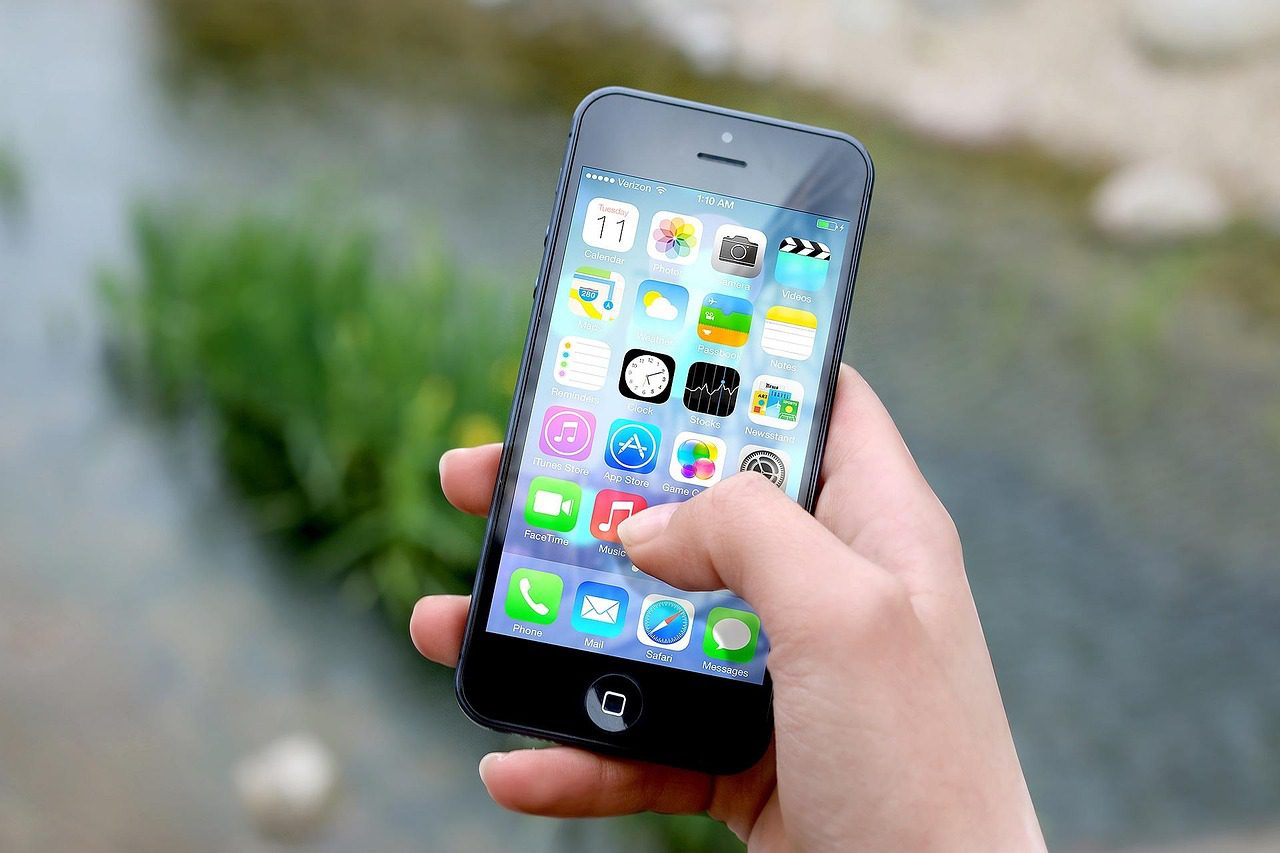
Influencer whitelisting is when a creator gives a brand permission to run paid ads through the creator’s account, so the ads appear under the creator’s name and profile picture while the brand controls targeting, budget and delivery from its own ad account. The creator grants access through the platform’s official permission system, not by sharing a password. The same practice is also called allowlisting, and some in the industry describe it as creator licensing.
It is one of three ways to put money behind creator content, each with its own permission.
| Model | Whose name the ad runs under | Who controls delivery | Permission needed | Best suited to |
|---|---|---|---|---|
| Whitelisting | The ad runs under the creator’s handle. | The brand runs targeting and budget from its own ad account. | The creator, and in Japan usually their agency, grants ad permission through the platform and in writing. | It suits scaling a creator’s best posts while keeping their voice. |
| Usage rights (reuse on the brand account) | The ad runs under the brand’s own name. | The brand controls everything, as with any brand ad. | The brand needs a reuse licence but no account access. | It suits brand ads and pages where the creator’s handle is not needed. |
| Boosting by the creator | The post runs under the creator’s handle. | The creator sets budget and targeting. | The contract covers the boost, and the creator sets it up. | It suits small tests where the brand needs no targeting or data of its own. |
Whitelisting vs Usage Rights vs Boosting
The deciding question is whose name appears on the ad: the creator’s with whitelisting, your brand’s with usage rights. Neither follows automatically from paying for a post. If you plan to reuse creator content on your own channels, our guide to UGC marketing in Japan covers that side.
“Whitelisting” is an industry nickname, not a product name: Meta says partnership ads, TikTok says Spark Ads and Google says creator partnerships boost. Whitelisted ads often never appear on the creator’s profile feed, the same idea as a dark post.
Why Brands Run Ads Through Creator Accounts
Creator-handle ads look less like advertising. They appear under a name the audience already follows, so they borrow the trust the creator has built. They also widen the creative you can test, since each creator films and speaks differently.
We found platform performance comparisons only in secondary reports, not on an official page we could check, so we left their numbers out. Treat any uplift figure as a hypothesis to test on your own account. Whitelisting is a poor fit when the creator’s followers sit far from the audience you want to reach, or when the brand needs strict control over every frame and word.
How Whitelisting Works on Each Platform
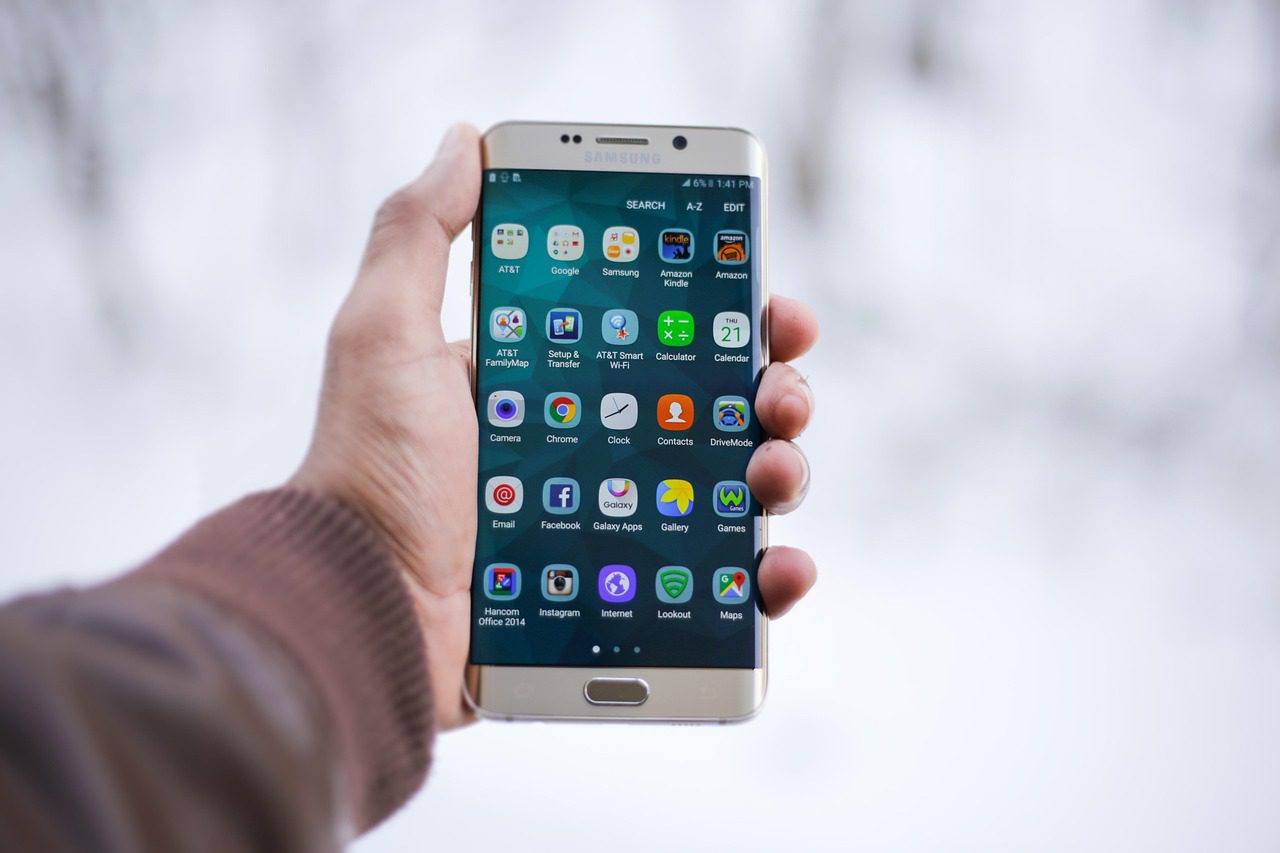
Each platform handles creator permissions differently. The table reflects official help pages as checked on 21 October 2026; check again before a campaign, because names and menus move. Usage rates come from the Ministry of Internal Affairs and Communications (MIC) FY2025 survey of people aged 13 to 79.
| Platform | Feature name | How permission is granted | What the brand can do | Use in Japan |
|---|---|---|---|---|
| Instagram and Facebook | Partnership ads (formerly branded content ads) | The creator approves a post, shares an ad code or accepts an account-level request. | The brand runs ads under the creator’s handle and can hide comments. | Instagram 54.8%, Facebook 27.0% usage (MIC, FY2025). |
| TikTok | Spark Ads | The creator sends a video code valid for 7, 30, 60 or 365 days. | The brand runs the organic post as an ad; engagement counts on that post. | About 49.5 million monthly users including TikTok Lite (TikTok’s own data, end of May 2026); 36.7% usage (MIC). |
| YouTube | Creator partnerships boost (Google Ads) | The creator links a video, or the brand requests access. | The brand runs the video as an ad from the creator’s channel. | 81.5% usage (MIC). Confirm availability in your account. |
| X | No dedicated creator feature found | X’s Ads API allows promoting another user’s posts with permission. | Confirm the setup with X before planning around it. | 44.7% usage (MIC). |
| LINE | No creator-handle ad feature found | None found in public LINE Ads materials. | Reuse creator content on the brand account under usage rights. | 92.9% usage (MIC). |
Instagram and Facebook: Partnership Ads
Meta’s help centre says branded content ads are now called partnership ads and need permission from the partner whose handle appears. Creators can revoke it at any time. With content-level permission, the creator approves one post, story or reel, through the “Allow brand partner to boost” toggle or by sharing a partnership ad code. With account-level permission, once the creator accepts the brand’s request, the brand can create ads from the creator’s handle without existing content.
Content-level permission suits one campaign built on existing posts; account-level suits a longer partnership with new creative made for ads. Editing the ad does not change the original post.
TikTok: Spark Ads
Spark Ads use organic posts as ads. The creator turns on ad authorisation for a video, chooses a period of 7, 30, 60 or 365 days and sends the generated code to the brand. Brands can also use accounts authorised through TikTok Business Center. The ad keeps the post’s display name and caption, and the engagement it earns counts on the creator’s post.
Match the authorisation period to the ad flight: TikTok’s help pages flag codes that expire before the ad’s end time and tell advertisers to ask the creator for an extension. For audience data, see our 2026 survey of TikTok usage in Japan and our guide to TikTok influencer marketing in Japan.
YouTube, X, and LINE: What Is Available
Google’s creator partnerships boost, earlier called partnership ads, runs YouTube creator videos in Google Ads from the creator’s channel. Google states that the advertiser must secure sufficient rights to use the video as an ad. Its help page lists no countries, so check availability in your account.
For X, we found no creator-side permission flow; its Ads API documentation only says an advertiser may promote another user’s posts with permission. For LINE, Japan’s most used messaging app, we found no creator-handle ad feature in public LINE Ads materials. On both, the reliable option is to license the content and run it from your brand account. Our LINE marketing guide covers what brand accounts can do there.
Whitelisting in Japan: What Changes
Everything so far applies to any market. From here on, the focus is Japan, where three things work differently: who approves, how ad claims are checked and who handles the comments.
The Talent Agency Approves, Not Just the Creator
Many established Japanese creators work through a talent agency or multi-channel network that controls how their name, face and account are used. The agency decides whether ads are allowed, for how long and where. A creator can say yes in a direct message and the agency can still refuse or attach conditions.
So put ad use in the first offer: platforms, period, regions and planned edits. Adding ad rights after a post goes live reopens a negotiation the agency considered closed. For how to word that first message, see our guide to influencer outreach in Japan.
Paid Distribution Raises the Stakes on Claims
Turning a post into an ad does not bring it under a stricter law. The claim rules already apply to a creator post you requested, organic or paid: the Act against Unjustifiable Premiums and Misleading Representations for all products, plus the Pharmaceuticals and Medical Devices Act (PMD Act) and the Health Promotion Act for cosmetics, drugs and health foods. Two things change. Platform ad review now applies: Meta and TikTok both review ads against their policies and can reject them, so wording that passed organically may be stopped. And far more people see it, so any problem does more damage.
The PMD Act’s ban on false or exaggerated advertising (Article 66) applies to any person, so the creator named on the ad and the agency running it can also be responsible. Re-check the original wording before it becomes an ad. Our guide to Japan’s premium and labeling laws explains what that Act covers.
Disclosure also stays mandatory. Since 1 October 2023, stealth marketing has been a violation of the Premiums and Representations Act. A whitelisted ad must still make clear that it is the brand’s advertising, even though it runs under the creator’s name. Disclosure is the advertiser’s responsibility, as our guide to Japan’s stealth marketing regulation explains.
Comment Sections and Brand Safety on a Creator’s Account
Reactions to a whitelisted ad land on the creator’s account, not yours. On TikTok, comments on a Spark Ad count on the creator’s organic post. On Meta, the brand can hide comments on the ad and on the creator’s original post, but the creator can unhide them and can also hide or delete comments. Without an agreement, both sides can end up moderating the same thread in different directions.
Decide before launch who reads the comments, what may be hidden, who replies (the creator or the brand) and who approves the wording of replies, and write it into the contract or a short operating guide. Agree how to pause the ads quickly if a thread turns hostile. Our guide to influencer marketing risks in Japan covers crisis handling.
The Rights You Need Before Running Ads
Influencer usage rights for ads are separate from the right to post. Agree each item below in writing before any ad runs; the clause wording belongs in your contract.
| Item to agree | What happens if you leave it open |
|---|---|
| Ad period | Ads keep running after the creator expects them to stop, or stop just as they start working. |
| Platforms | Permission for one platform is read as covering another, and the agency objects. |
| Regions | Ads reach countries where the creator has other contracts or other terms. |
| Edits and cut-downs | Subtitles, trims or a new opening are made without approval, and the creator objects to the changes. |
| Spend cap | The creator’s face is shown far more often than the agency expected when it priced the deal. |
| Targeting limits | Ads reach audiences the creator does not want to be linked with. |
| Conditions for stopping early | Nobody has the right to stop the ads quickly during a backlash or scandal. |
| Competitor exclusivity | The creator’s face appears in a rival’s ads during or right after yours. |
Copyright, Usage Licenses, and Moral Rights
Under Japanese law, copyright in a post generally belongs to the creator who made it. Paying the posting fee does not by itself give you a licence to run the post as an ad, so the licence must be agreed separately. Japan’s Copyright Act also gives authors moral rights, which cannot be transferred (Article 59). These include the right to integrity, which protects a work against changes made against the author’s will (Article 20).
Ad cuts, subtitles and a new opening can touch that right, so in practice contracts commonly include an agreement that the creator will not exercise moral rights against agreed edits. Ask a Japanese lawyer to confirm the wording; our influencer contract template covers rights in Clauses 6 and 7.
Portrait and Publicity Rights
A creator’s face, voice and name are protected separately from the content. Japan has no single statute for this; courts recognise portrait rights, and in 2012 the Supreme Court recognised a right of publicity, citing use of a name or likeness in product advertising as an example. Ads under the creator’s handle use their name and profile picture as well as the video, so the permission should cover all of them. How the law applies to your case needs a lawyer’s view.
For represented creators, the agency usually sets the likeness conditions: period, platforms and whether the image can be altered. Confirm them in the same offer that asks for ad use.
hotice is a cross-border influencer marketing agency helping overseas brands enter Japan. We handle casting, negotiation, Japanese-language contracts, and ad-disclosure compliance.
Tell us your category, budget range, and timing. We will take it from there.Scope: Period, Platforms, Regions, and Edits
Extending the period. The creative that works is the one you will want to keep. Agree at the start how an extension is requested and priced, and how much notice the agency needs.
Adding regions. Decide early whether ads run only in Japan or in other markets too. Expanding abroad can lead the agency to review the usage fee or flag conflicts with the creator’s contracts in other countries.
Adding edits. List the edits you expect, such as shorter cuts, subtitles in other languages or a new hook, and get them approved as a set. Our guide to influencer contracts in Japan explains how to write these into the agreement.
Want someone to negotiate these rights with the creator’s agency? We agree ad use, period, regions and edits with Japanese talent agencies in Japanese, and check claims and disclosure before anything runs. Book a free consultation.
Setting Up a Whitelisting Partnership, Step by Step
A whitelisting partnership runs in six stages. Delays usually come from approvals, not from the ad setup itself.
| Stage | What the brand does | What the creator or agency does | Where it usually stalls |
|---|---|---|---|
| 1. Select creators | Checks audience location and past brand posts | Shares audience data | Choosing on follower count alone |
| 2. Approach the agency | States ad use, platforms, period and regions up front | Checks the request against existing contracts | Ad use mentioned only after posting |
| 3. Contract | Agrees rights, edits, stop conditions and fees | Sets likeness and usage conditions | Moral rights and regions left vague |
| 4. Grant access | Requests permission through the platform | Approves the request or sends a code | Codes expiring before the flight ends |
| 5. Review creative and launch | Checks claims, disclosure and platform policy | Approves edits | Long approval chains with no deadlines |
| 6. Measure and renew | Compares results and decides on renewal | Agrees extensions or new content | Renewal terms negotiated from scratch |
Selecting Creators Whose Audience Matches Your Targeting
Ad targeting decides who sees the ad, but the creator’s name decides whether those viewers care. Ask for each creator’s audience country breakdown, because a Japanese-language account can still have many followers outside Japan. Our guide on how to discover influencers covers building a shortlist.
The strongest candidates are often creators who already posted about your product on their own, for example after a seeding round. Our guide to influencer seeding in Japan covers that step.
Access, Permissions, and Account Security
Get access only through each platform’s official permission system: partnership ad permissions on Meta, codes or Business Center on TikTok, linked videos in Google Ads. Never ask for a password; it puts the creator’s account at risk and damages trust. Agree how permission will be withdrawn.
Decide the scope at the start: ad creation only, or comment management too. Name who on your side removes the permission when the campaign ends.
Creative Testing and Approval Loops
Each cut-down, subtitle or new opening made for ads needs the agency’s approval, so agree in the contract how many review rounds are included and how quickly each one is answered. If you want content made for ads from the start, brief it that way; our influencer brief template shows how.
The longer the approval chain, from brand to agency to talent agency to creator, the later the launch. Put a deadline on every review step in the schedule.
How Whitelisting Is Priced

A whitelisting quote has three layers, and budgets usually go wrong when one of them is missing, not when one is high.
| Cost layer | Who you pay | What sets it | Often missing from quotes? |
|---|---|---|---|
| 1. Usage fee | The creator or their agency | Ad period, platforms, regions and edits allowed | Often, when folded into the posting fee without stated terms |
| 2. Management fee | Your agency | Number of creators, approvals handled and ad operations | Sometimes, when ad operations are assumed to be included |
| 3. Media spend | The platform | Your budget, targeting and campaign length | Rarely, but caps agreed with the creator can limit it |
Usage Fees, Management Fees, and Media Spend
The usage fee is set by how long, where and on which platforms the ads run, and by how much you can edit. Longer periods, more platforms and wider regions all raise it. The management fee covers negotiation, permissions, creative checks and running the ads. Media spend goes to the platform and is the part you control directly.
Some agencies include usage in the creator’s posting fee; others list it separately. Ask for a separate line, which makes quotes comparable. For reference prices and how quotes are built, see our guide to influencer marketing costs in Japan.
Costs to Confirm Before You Sign
Extending the period. If the quote does not mention it, ask what an extension costs and how much notice is needed.
Re-editing for ads. If it is missing, ask whether new cuts and subtitles need fresh approval and an extra fee.
Adding regions. If the quote covers Japan only, ask how the fee changes for other markets.
Even without agreeing the amounts, put the method for setting each one into the first contract. That turns a later dispute into a calculation.
Measuring Whitelisted Ads

Measurement answers two questions: is the creator’s name worth paying for, and when should you change creators?
Metrics to Compare Against Brand-Handle Ads
Run the same creative with the same budget from the brand handle and from the creator handle, and compare click-through rate, cost per acquisition and the content of the comments. Comments often show whether viewers trust the creator’s recommendation or see through it. Our guide to Japanese influencer analytics covers which numbers to collect.
Keep the period and budget the same for both versions. If they differ, any gap in results tells you nothing.
When to Rotate Creators or Stop a Campaign
Ads from the same creator lose impact as the audience sees them repeatedly. Watch for falling click-through rates and rising costs, and plan the next creator before the current one fades. Also watch the creator’s own account: if followers complain about too many ads, rotate sooner to protect the relationship.
Agree the stop conditions in advance: a comment section turning hostile, a scandal involving the creator, or the end of the contract. Link each to the pause procedure in the comment section plan above.
FAQ
What is influencer whitelisting?
Influencer whitelisting is when a creator lets a brand run paid ads through the creator’s account, so the ads show the creator’s name and profile picture while the brand controls targeting and budget. It is also called allowlisting or creator licensing. Access is granted through each platform’s permission system, such as partnership ads on Meta or Spark Ads on TikTok. It differs from reusing content on your brand account and from boosting done by the creator, as the comparison table at the top of this guide shows.
What is the difference between whitelisting and usage rights?
The difference is whose name appears on the ad. Whitelisting runs ads under the creator’s handle, while usage rights let you reuse the creator’s content under your brand’s name, on your ads, website or other channels. Both need permission beyond the original posting fee, and the terms for each should be written down separately. Whitelisting also needs access through the platform. See the comparison table and the section on the rights you need before running ads.
Are Spark Ads the same as influencer whitelisting?
Spark Ads are TikTok’s version of it. The creator turns on ad authorisation for a video and sends the brand a code valid for 7, 30, 60 or 365 days, and the brand runs the post as an ad from TikTok Ads Manager. Brands can also use accounts authorised through Business Center. Meta’s equivalent is partnership ads and Google’s is creator partnerships boost. The section on how whitelisting works on each platform compares them.
Do I need the talent agency’s permission to run ads through a Japanese creator’s account?
Yes, if the creator is represented. In Japan the agency usually decides whether ads are allowed, for how long and on which platforms, and it can refuse even when the creator agrees. Mention ad use in your first offer, with platforms, period and regions, rather than asking after the post goes live. Late requests reopen a negotiation the agency considered closed. The section on talent agency approval explains what to include.
Does a whitelisted ad need a PR label in Japan?
Yes. It must be clear that the ad is the brand’s advertising. Platforms add their own labels, such as Meta’s “Paid partnership” and “Ad” labels, but the Consumer Affairs Agency judges whether the overall display makes the business relationship clear, and its guidance does not address platform labels directly. Keep the creator’s own disclosure in the post too. Responsibility for disclosure rests with the advertiser. Our guide to Japan’s stealth marketing regulation covers labels.
How long should whitelisting rights last?
There is no standard period. Work back from your media plan: a product launch, a seasonal campaign or an always-on programme each need a different length. On TikTok, the authorisation code must also cover the full flight. Agree in the first contract how an extension is requested and priced, because a creative that performs well is the one you will want to keep. The scope section explains the items to settle.
Can an agency manage influencer whitelisting in Japan for me?
Yes. An agency can handle the talent agency negotiation, the rights terms, platform permissions, claim and disclosure checks, and day-to-day ad operations as one job, which shortens the approval chain. If you run it in-house, you need someone who can negotiate with talent agencies in Japanese and also respond to platform ad review when wording is rejected. Our comparison of influencer marketing agencies in Japan explains how to choose a partner.
Methodology and Data Sources
Platform details were checked on official help pages on 21 October 2026. We left out uplift figures because none could be confirmed on an official page.
- Meta, partnership ad permissions: https://www.facebook.com/business/help/442108830566254
- Meta, labels on paid partnership posts: https://www.facebook.com/business/help/213764212711862
- Meta, Advertising Standards (ad review): https://transparency.meta.com/policies/ad-standards/
- TikTok, Spark Ads: https://ads.tiktok.com/help/article/spark-ads
- TikTok, creating Spark Ads (authorisation periods, Business Center): https://ads.tiktok.com/help/article/how-to-create-spark-ads-for-smart-campaigns-on-tiktok-ads-manager
- TikTok, Spark Ads code error notifications: https://ads.tiktok.com/help/article/about-spark-ads-code-error-notifications-in-tiktok-ads-manager
- TikTok, ad review: https://ads.tiktok.com/help/article/advertising-on-tiktok-first-things-to-note
- Google Ads, creator partnerships boost: https://support.google.com/google-ads/answer/15223349
- YouTube Official Blog, creator partnerships boost formerly partnership ads (23 March 2026): https://blog.youtube/news-and-events/youtube-creator-partnerships-newfronts-2026/
- X, Ads API creatives: https://docs.x.com/x-ads-api/creatives
- TikTok Japan, monthly users (9 June 2026): https://note.com/tiktok/n/n4fbc93fa1a56
- MIC, FY2025 media usage survey (June 2026): https://www.soumu.go.jp/main_content/001079136.pdf
- Consumer Affairs Agency, stealth marketing: https://www.caa.go.jp/policies/policy/representation/fair_labeling/stealth_marketing
- Consumer Affairs Agency, stealth marketing Q&A: https://www.caa.go.jp/policies/policy/representation/fair_labeling/faq/stealth_marketing/
- Statutes cited (e-Gov): https://laws.e-gov.go.jp/
- Supreme Court of Japan, judgment of 2 February 2012 (publicity rights): https://www.courts.go.jp/hanrei/81957/detail2/index.html
If you would rather hand the negotiation and operations to a partner, our comparison of influencer marketing agencies in Japan sets out what to ask before you sign.
Ready to run creator ads in Japan? hotice plans and runs influencer campaigns for overseas brands entering Japan, with a multilingual team covering creator selection, talent agency negotiations, rights terms, claim and disclosure checks, and reporting.
Supervised by the hotice Editorial Team, specialists in helping global brands enter the Japanese and Asian markets through influencer marketing. Last updated: October 2026.
Pricing, past campaigns, and how contracts and ad-disclosure compliance are handled from start to finish. Ask us anything before you commit to a budget.
Overseas brands welcome. We work in English, Japanese, Chinese, and Korean.