J-Beauty: What It Is, the Brands Behind It, and How Beauty Brands Market in Japan
- 1. What J-Beauty Means
- 1-1. The Core Ideas: Hydration, Gentleness, and Layering
- 1-2. A Typical J-Beauty Routine, Step by Step
- 1-3. Sunscreen and Signature Ingredients
- 2. J-Beauty vs K-Beauty
- 2-1. Where They Differ
- 2-2. Why the Comparison Matters for Brands Selling in Japan
- 3. Japanese Skincare Brands: The Landscape by Channel
- 3-1. Prestige Brands at Department Store Counters
- 3-2. Drugstore Brands and Why They Travel Well
- 3-3. Medicated and Sensitive-Skin Lines
- 4. Where Japanese Shoppers Discover and Buy Beauty
- 4-1. Reviews First: The Role of @cosme
- 4-2. Drugstores, Variety Shops, and Department Stores
- 4-3. Online: Marketplaces and Brand Sites
- 5. Selling Beauty in Japan: The Rules Come First
- 5-1. Cosmetics vs Quasi-Drugs: The Category Decides What You Can Claim
- 5-2. Import, Licensing, and Labeling Basics
- 5-3. The Same Rules Apply to Creator Posts
- 6. How Beauty Marketing Works in Japan
- 6-1. Seasons and Limited Editions
- 6-2. Sampling, Counters, and Trial Culture
- 7. Working With Beauty Creators in Japan
- 7-1. Four Types of Beauty Creators
- 7-2. Vetting: Audience Country Breakdown and Review Credibility
- 7-3. Disclosure Rules and Who Is Responsible
- 8. A Seasonal Skincare Campaign in Practice: Clinique
- 8-1. The Brief and the Approach
- 8-2. What Other Beauty Brands Can Take From It
- 9. FAQ
- 9-1. What is J-beauty?
- 9-2. What is the difference between J-beauty and K-beauty?
- 9-3. What are the best Japanese skincare brands?
- 9-4. What is a Japanese skincare routine?
- 9-5. Can a foreign brand sell cosmetics in Japan?
- 9-6. What is a quasi-drug in Japan?
- 9-7. How do beauty brands work with influencers in Japan?
- 10. Methodology and Data Sources
TL;DR: J-beauty centers on hydration, gentleness and thin layers, with a watery lotion at the heart of the routine. Japanese brands split across department store counters and drugstores, with medicated and sensitive-skin lines in both. Overseas brands should know that the product category sets which claims they can make, and that creator posts follow the same rules.
Pricing, past campaigns, and how contracts and ad-disclosure compliance are handled from start to finish. Ask us anything before you commit to a budget.
Overseas brands welcome. We work in English, Japanese, Chinese, and Korean.“J-beauty” gets searched by two very different people. One wants to know what Japanese skincare is, how it differs from Korean skincare and which brands to try. The other works for a beauty brand and wants to know what it takes to sell in Japan.
This guide serves both, in that order. The first half explains J-beauty itself: the ideas, the routine, the brands and where Japanese shoppers buy. The second half is for brands selling in Japan: the rules on claims, the seasonal calendar and how to work with beauty creators. For the wider picture of how brands work with Japanese creators, start with our overview of influencer marketing in Japan.
What J-Beauty Means
J-beauty is the shorthand for Japanese skincare and cosmetics, and for the approach behind them: keep skin hydrated, treat it gently and build care in thin layers rather than heavy treatments. Daily sun protection runs through all of it.
| Step | Role | What confuses overseas readers |
|---|---|---|
| 1. Oil or balm cleanser | Removes makeup and sunscreen | It is followed by a second wash, not used on its own |
| 2. Face wash | Cleans the skin itself | Often a dense foam, worked up before it touches the face |
| 3. Lotion (keshosui) | A watery layer that hydrates right after cleansing | In English, “lotion” usually means a creamy moisturizer; in Japan it is closer to a toner |
| 4. Serum or essence (biyoeki) | A targeted step for a specific concern | Names overlap; “essence” and “serum” are used loosely |
| 5. Milk (nyueki) or cream | Seals in moisture | A light emulsion is treated as its own step, before or instead of cream |
| 6. Sunscreen | Daytime protection | Worn every day, not only for the beach |
The Core Ideas: Hydration, Gentleness, and Layering
Hydration comes first. Most steps either add water to the skin or keep it there, which is why the watery lotion and the moisture-sealing milk sit at the center of the routine.
Gentleness shapes formulas and habits alike. Many products are positioned as low-irritation, and the routine favors patting products in rather than scrubbing. Layering means several thin products, each with one job, instead of one heavy product doing everything.
Prevention ties the three together: daily sunscreen is treated as basic care, not a summer extra. One caution for brands: “J-beauty” is a label used by the industry and the media. It is not a legal or regulatory category, and Japanese law knows only cosmetics, quasi-drugs and drugs.
A Typical J-Beauty Routine, Step by Step
The table above shows the usual order. The step that confuses overseas readers most is the lotion. In Japan, keshosui is a thin, watery liquid applied right after cleansing, often in several pats, to hydrate the skin before anything else goes on. An English-speaking shopper who expects a body-lotion texture will be surprised, and a brand translating its own product names needs to decide which meaning it is using.
Double cleansing is the other habit worth knowing: an oil or balm dissolves makeup and sunscreen, then a face wash cleans the skin itself, so the second step does not have to strip.
Sunscreen and Signature Ingredients
Japanese sunscreens have a strong following abroad because they are built for daily use: light textures, quick absorption and little residue under makeup. The PA rating printed on Japanese sunscreens, which grades protection against UVA, follows a voluntary standard of the Japan Cosmetic Industry Association (JCIA). The association notes that the UVA test method it used became the basis of the international standard ISO 24442, which it has since adopted.
Certain ingredients appear again and again: fermented ingredients such as rice and sake lees, hyaluronic acid, ceramides and camellia oil. They are common in Japanese formulas and marketing, but what a brand may claim for them is limited by law, as the second half of this guide explains.
J-Beauty vs K-Beauty
J-beauty and K-beauty are often compared, and both are strong. The difference is mostly one of tempo and emphasis, not quality. The table shows tendencies, not rules; plenty of brands on each side break them.
| Axis | J-beauty (tendency) | K-beauty (tendency) |
|---|---|---|
| Philosophy | Refine proven basics; consistency over novelty | Experiment; novelty and fun are part of the appeal |
| Pace of new launches | Long-running lines updated over years | Frequent launches of new ingredients, textures and formats |
| Where it is strongest | Hydration, gentle formulas, daily sunscreen | Trend ingredients, sheet masks, makeup-skincare hybrids |
| Price positioning | A wide ladder from drugstore to prestige counter | Also wide, with many accessible, trend-led brands |
Where They Differ
J-beauty tends to polish a formula over many years and keep it on the shelf, so a brand’s best-known product may be older than many of its buyers. K-beauty tends to move faster, introducing new ingredients, textures and formats in quick succession.
On philosophy, J-beauty sells consistency, while K-beauty often sells discovery. Both cover a wide range of prices. Neither is better, and many Japanese shoppers use both.
Why the Comparison Matters for Brands Selling in Japan
Korean cosmetics are now a major presence on Japanese shelves. According to the JCIA’s summary of Ministry of Finance trade statistics, South Korea became Japan’s largest source of cosmetics imports in 2022 and has stayed first since, with imports reaching 141.8 billion yen in 2025. For an overseas brand, the competition is not only Japanese brands.
So decide your position first: compete with Korean brands on newness, or with Japanese brands on long-term trust.
Japanese Skincare Brands: The Landscape by Channel
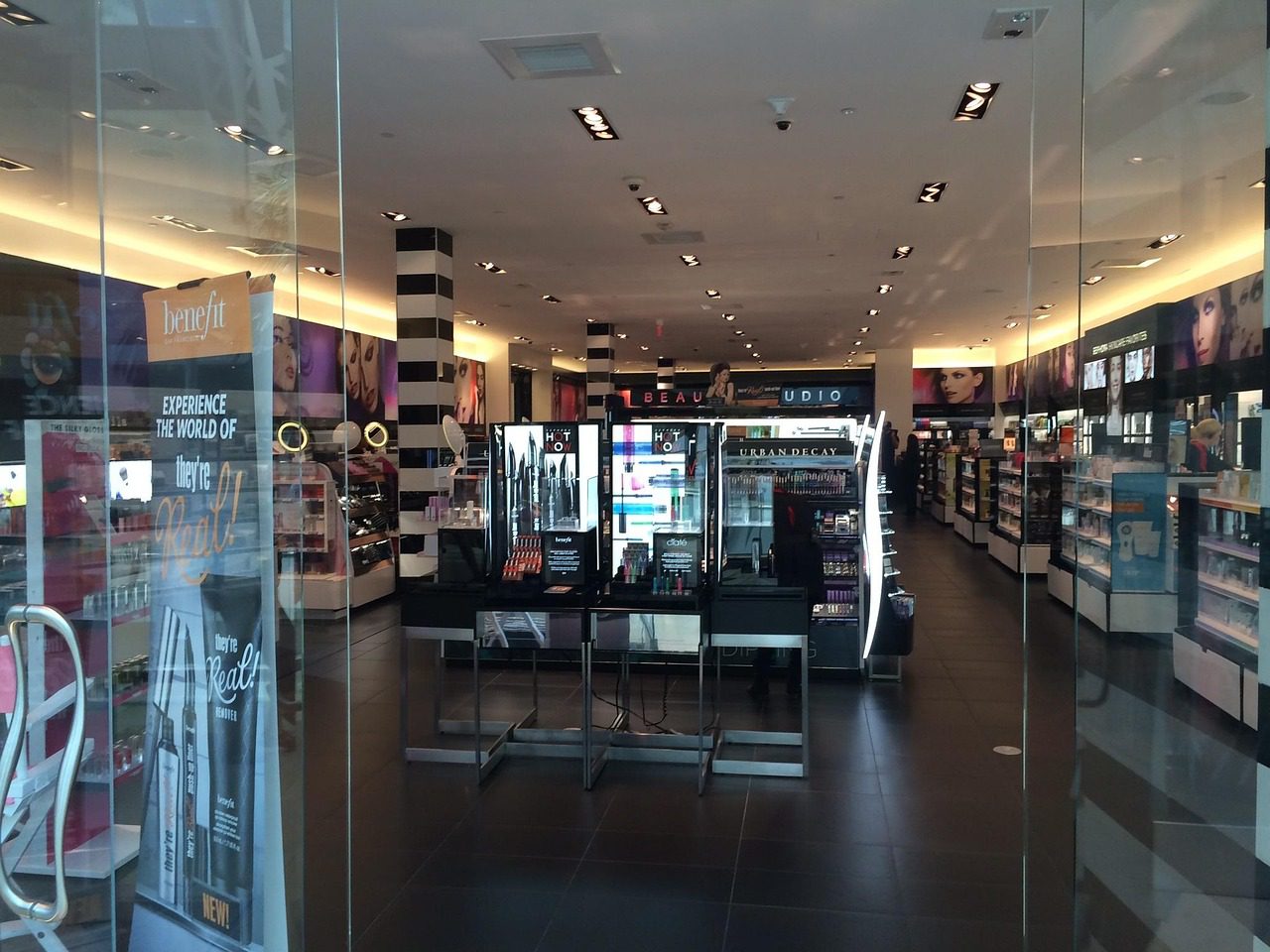
The clearest way to map Japanese skincare brands is by where they are sold, because price, service and audience follow from the channel. The examples below come from the makers’ own brand pages. They are not rankings, and we do not compare sales or popularity.
| Channel | Example brands (maker) | Main buyers | Reach outside Japan |
|---|---|---|---|
| Department store and specialty counters | SHISEIDO, Clé de Peau Beauté, IPSA (Shiseido); SENSAI, SUQQU (Kao) | Shoppers who want counseling and a premium experience; gift buyers | Shiseido names SHISEIDO and Clé de Peau Beauté among the prestige brands it is concentrating investment on |
| Drugstores and general stores | ELIXIR, ANESSA (Shiseido); Bioré UV, Curél (Kao); Hada Labo, Melano CC (Rohto); MINON (Daiichi Sankyo Healthcare) | Everyday shoppers choosing for themselves; visitors to Japan | Bought by visitors to Japan; Shiseido says it is promoting ELIXIR and ANESSA across Asia, including China |
Two categories cut across both channels:
| Category | Where it is sold | How it is presented |
|---|---|---|
| Medicated lines (quasi-drugs labeled yakuyo, “medicated”) | Any channel; the category is set by the product, not the store | An approved efficacy claim, such as preventing spots and freckles, plus a named active ingredient. Examples: Melano CC; Hada Labo’s Shirojun range |
| Sensitive-skin lines | Any channel; often in drugstores | Low irritation and care for dry or sensitive skin. Examples: Curél (dry, sensitive skin; ceramide-focused care); MINON (sensitive skin; amino acids) |
Prestige Brands at Department Store Counters
Japan’s high-end skincare is sold mainly at counters in department stores and specialty cosmetics stores, where beauty consultants advise each customer. Shiseido describes its prestige category in exactly those terms: high-end products available at department stores and specialty stores, primarily sold through beauty consultants. Kao groups SENSAI, SUQQU and others as “counselling cosmetics”.
The counter visit is the entry point. Shoppers expect a skin consultation, samples and time to try products before buying, so an overseas prestige brand entering Japan is entering a service model as much as a shelf.
Drugstore Brands and Why They Travel Well
Japanese drugstores carry everyday-priced brands that shoppers pick for themselves, which Shiseido calls its “premium” category: mid-priced cosmetics sold mainly in drugstores and general merchandise stores. Examples include ELIXIR and ANESSA from Shiseido, Bioré UV and Curél from Kao, Hada Labo and Melano CC from Rohto, and MINON from Daiichi Sankyo Healthcare.
These brands travel partly because visitors carry them home. In the Japan Tourism Agency’s Inbound Consumption Survey for 2025 (final annual figures), 34.6% of visitors bought cosmetics or fragrance in Japan, rising to 54.4% among visitors from mainland China. For drugstore brands, sales to visitors in Japan are part of their international reach.
Medicated and Sensitive-Skin Lines
These are categories, not channels: whether a product is medicated is set by its regulatory status, not by the store that sells it. They are worth knowing because they shape how Japanese brands present themselves.
A medicated product is a quasi-drug, labeled yakuyo, and may state the specific efficacy it was approved for, such as preventing spots and freckles by suppressing melanin. A sensitive-skin line leads with low irritation and support for dry or reactive skin. The medicated label in particular comes from a Japanese category system that decides what a product may say, which is the subject of “Selling Beauty in Japan: The Rules Come First” below.
Where Japanese Shoppers Discover and Buy Beauty
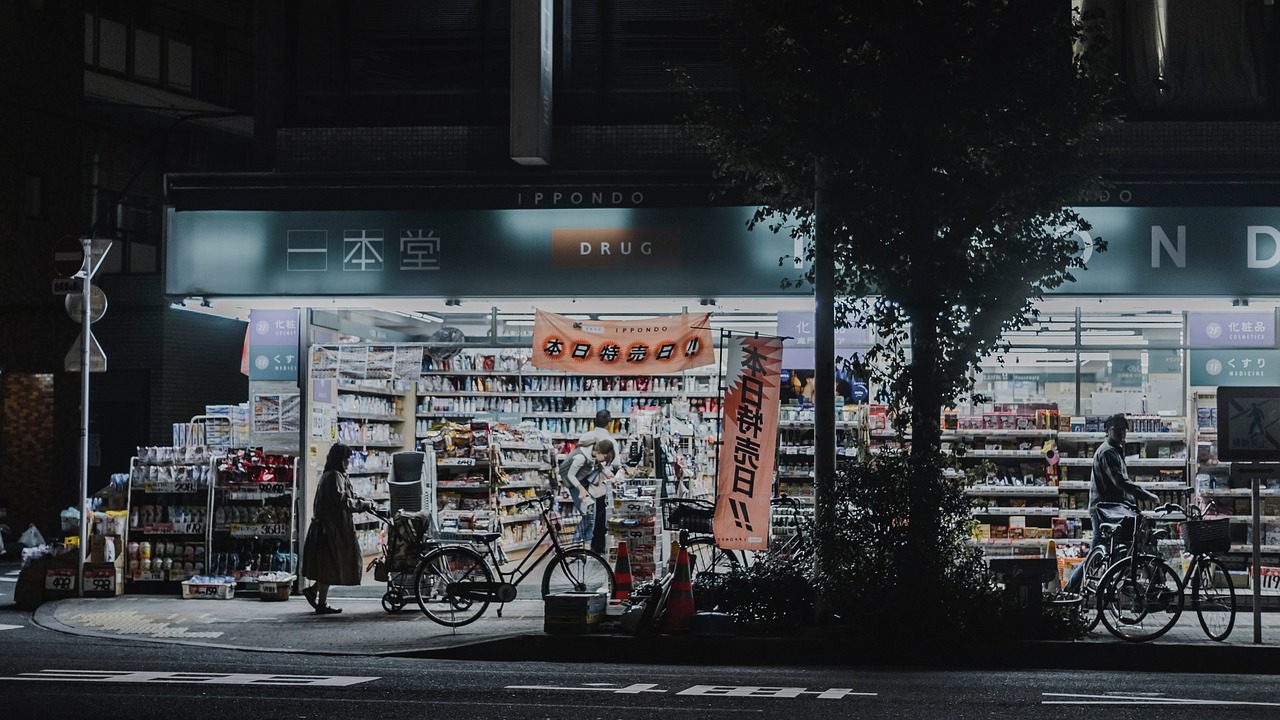
Japanese beauty shoppers typically discover on social media or review sites, compare on reviews and then buy in a store or online. For shoppers, this is a map of where to look. For brands, it is a map of where to be present.
| Route | Role | What sets it apart |
|---|---|---|
| Review sites (@cosme) | Discover and compare | User reviews, rankings and the brand’s product pages in one place |
| Drugstores | Buy | Everyday prices, self-selection, frequent visits |
| Variety shops | Discover and buy | Trend items, limited editions and testers on open shelves |
| Department stores | Try and buy | Counseling, skin checks, samples, gifts |
| Online marketplaces | Buy | Purchases bunch around marketplace sale events |
| Social media | Discover | Creator reviews, tutorials and routines |
Reviews First: The Role of @cosme
Many Japanese shoppers check reviews before buying, and in beauty the reference point is @cosme, the review platform run by istyle, which also operates @cosme stores and online shopping. Our guide to Japanese marketing culture explains how Japan’s review infrastructure works across categories.
For brands, the lesson is simple: do not leave your @cosme product pages unattended; accurate information and genuine reviews matter as much as your own site.
Drugstores, Variety Shops, and Department Stores
The three physical channels do different jobs. Drugstores handle everyday repurchase, variety shops trends and limited editions, and department stores counseling. Shelf space in all three is hard to win, and new overseas brands compete with long-running domestic lines for it.
Which door an overseas brand enters is decided by two things: its price point and whether the product needs counseling to sell. Our guide on how to sell in Japan compares the main routes to market.
Online: Marketplaces and Brand Sites
Online, beauty sales on the big marketplaces tend to cluster around their sale events, such as Rakuten Super SALE, when shoppers stock up on products they already know. That favors brands that have built awareness beforehand. Our overview of the Japanese e-commerce market compares the marketplaces.
A brand’s own website works as the last stop before purchase, so give it full ingredient lists, clear usage steps and the answers a shopper would ask a counter consultant.
Selling Beauty in Japan: The Rules Come First
From here on, this guide is for brands that want to sell skincare and cosmetics in Japan. The first thing to settle is not the campaign but the rules, because Japan’s Pharmaceuticals and Medical Devices Act (PMD Act) decides what your product may say, on the label, in ads and in creator posts alike. What follows is a general overview, not legal advice; have a regulatory specialist confirm your specific products and wording.
| Item | Cosmetics | Quasi-drugs (medicated products) |
|---|---|---|
| What you can claim | Only within the 56 efficacy expressions listed by the Ministry of Health, Labour and Welfare (MHLW), plus makeup effects and sensory descriptions that are true | The efficacy approved for that specific product |
| Ingredient labeling | All ingredients must be listed (under rules issued in 2000) | Full ingredient listing under an industry voluntary standard (since April 2006) |
| Procedure before sale | A cosmetics marketing license holder files a notification for each product | A quasi-drug marketing license and approval for each product |
Cosmetics vs Quasi-Drugs: The Category Decides What You Can Claim
For cosmetics, the MHLW lists the efficacy claims a product may make without approval: 56 expressions, such as “keeps skin healthy”, “prevents dryness of the skin” and “makes fine lines caused by dryness less noticeable”. That last one, added in 2011, may be used only after testing confirms the effect. Claims about makeup effects, such as making fine lines look less visible, and about sensation, such as a cooling feel, are also allowed if true. A quasi-drug is different: each product’s efficacy is reviewed and approved, and it may claim that approved efficacy, such as preventing spots and freckles by suppressing melanin.
The practical consequence: wording that is routine in other markets may not be usable in Japan at all. Promises to erase dark spots, reverse aging or remove wrinkles typically fall outside the cosmetics list, and some of them go beyond what a quasi-drug approval allows too. Check each claim against the category before you translate the campaign.
Import, Licensing, and Labeling Basics
To import cosmetics and sell them in Japan, the importer must hold a cosmetics marketing license from the prefectural governor, and labeling, inspecting or storing imported products for the Japanese market requires a separate manufacturing license. Overseas manufacturing sites and each product must also be notified. Cosmetics must list all ingredients, while quasi-drug makers list full ingredients under the JCIA’s voluntary standard. The e-commerce market guide covers how these requirements affect selling online.
In practice, the first entry decision is who your Japanese marketing license holder will be: your own Japanese entity or a partner who takes legal responsibility for the product. Our Japan marketing strategy guide answers whether a foreign brand can sell cosmetics without a local partner. Confirm the details with a regulatory specialist.
The Same Rules Apply to Creator Posts
A sponsored creator post is advertising, so it is bound by the same claim limits as your packaging. The MHLW’s advertising standards cover every medium, social media included. In practice that means the creator brief must list the expressions a creator may not use, explain why, and give approved alternatives they can say in their own words. Our guide to writing an influencer brief shows how to set this out.
hotice is a cross-border influencer marketing agency helping overseas brands enter Japan. We handle casting, negotiation, Japanese-language contracts, and ad-disclosure compliance.
Tell us your category, budget range, and timing. We will take it from there.Responsibility is wider than many brands expect. Article 66 of the PMD Act prohibits false or exaggerated statements about cosmetics and quasi-drugs by “any person”, so the creator who posts and the agency that wrote the script can be held responsible, not only the advertiser. That differs from Japan’s stealth marketing rule, where disclosure is the advertiser’s responsibility. Running a post as a paid ad does not change the law either; what it adds is the platform’s own ad review and a much larger audience.
How Beauty Marketing Works in Japan
Japanese beauty marketing turns on two questions: when to launch and how to let people try. Skin concerns change with the seasons, and the calendar of limited editions is built around them, while trial through samples and counters is how many shoppers decide.
| Season | What sells | Typical campaign |
|---|---|---|
| Spring | Sunscreen as UV rises; fresh routines for the new school and work year | UV launches; “new routine” content |
| Summer | Lightweight textures, sweat-resistant makeup, oil control | Sunscreen comparisons; long-wear tests |
| Autumn | Moisturizers and richer textures as the air dries | Dryness-care routines; switching from summer products |
| Winter | Holiday coffrets (limited gift sets) and gifts | Coffret reveals and reviews; gift guides |
Seasons and Limited Editions
Each season brings its own skin concern, and the products and content follow it, as the table shows. The biggest moment for limited editions is the end of the year, when brands release holiday coffrets: limited sets that combine full-size or travel-size products in seasonal packaging. Reveal and review content around them is a fixture of Japanese beauty social media. For the full year of marketing moments, see our Japan marketing calendar for 2027, and for year-end retail, our guide to Black Friday in Japan.
Limited editions are planned months before they appear, so creator campaigns tied to them should book their creators early too.
Sampling, Counters, and Trial Culture
Japanese shoppers are used to trying before buying: samples handed out with purchases, trial sizes and travel kits. Sending products to creators, known as product seeding, extends that habit online; our guide to influencer seeding in Japan covers how to design it.
In stores, a touch-up at the counter or a skin check by a beauty consultant is often what turns interest into a purchase.
Working With Beauty Creators in Japan
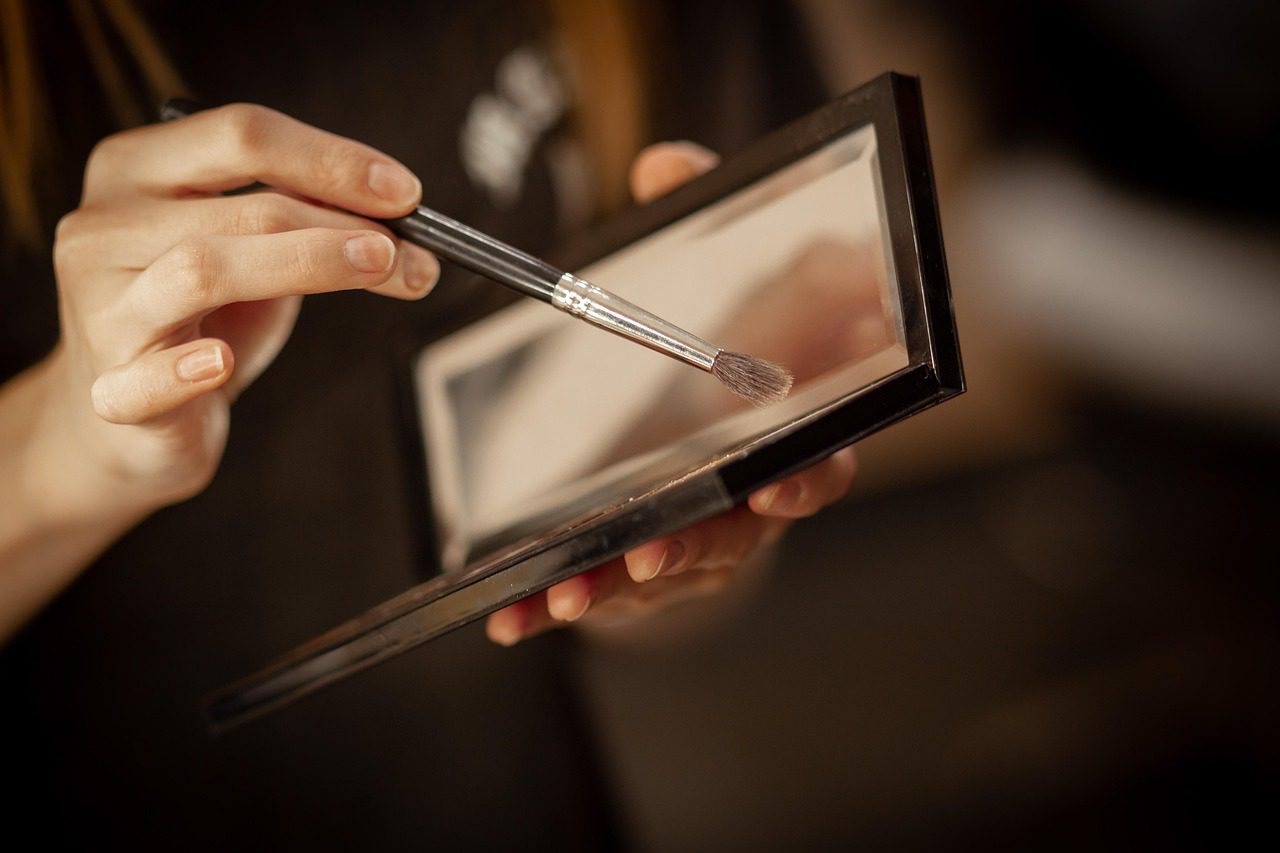
Beauty creators in Japan fall into recognizable types, and what you can ask of each depends on the type. Choose the type first, then the person. Matching brands with the right Japanese beauty creators, and checking scripts against the claim rules, is part of what hotice does for overseas brands.
| Creator type | Who they reach | What fits | Watch out for |
|---|---|---|---|
| Cosmetics reviewers | Shoppers comparing before they buy | Side-by-side reviews, honest ratings | They keep their critical voice; scripted praise backfires |
| Makeup artists and makeup creators | People learning techniques | Tutorials and how-to looks | Makeup effects only; no skincare efficacy claims |
| Skin-concern and skincare explainers | People with a specific concern | Concern-based routines and ingredient explanations | Highest claim risk; needs the tightest script check |
| Lifestyle creators | Broad audiences who follow their daily life | Products shown inside a daily routine | Less detail on the product; best for awareness |
Four Types of Beauty Creators
Reviewers compare products and their audience trusts the comparison. Makeup creators demonstrate how to use a product. Skin-concern explainers walk viewers through a routine for one problem, which makes them persuasive and the riskiest for claims. Lifestyle creators place a product in everyday life, which builds familiarity rather than detailed understanding.
For named creators, see our rankings of Japanese beauty YouTubers, Japanese TikTok beauty creators and the top beauty YouTubers in Japan. Working with dermatologists and other professionals is a different discipline, closer to KOL marketing, and Japan restricts advertising that suggests endorsement by medical professionals, beauticians and similar figures; see our guide to KOL marketing.
Vetting: Audience Country Breakdown and Review Credibility
Check the audience country breakdown before you book. A creator based in Japan can have a large share of followers outside Japan, and a campaign aimed at Japanese shoppers will not reach them through that account. Our guide on how to discover influencers covers the checks.
Then look at credibility. An account that praises everything loses the comparison-minded shoppers who matter most in beauty. Look at the share of sponsored posts and whether the creator ever gives a critical verdict. Smaller accounts can carry more trust in a niche; our guide to micro-influencers in Japan explains when they fit. Many established creators belong to management agencies, so expect to go through the agency.
Disclosure Rules and Who Is Responsible
Since 1 October 2023, Japan has regulated undisclosed advertising under the Act against Unjustifiable Premiums and Misleading Representations. If you give a creator a product while asking or signaling that you hope for a post, including telling them you look forward to their impressions or enclosing a hashtag or account name, the post counts as your advertising and needs a PR label. A post made entirely on the creator’s own initiative, with no request or involvement from you, may fall outside the rule, but most gifting in practice is the former, so ask for a “PR” or “gifted” label by default. The responsibility for disclosure sits with the advertiser; our guide to Japan’s stealth marketing regulation explains what counts.
The claim rules work differently. Under the PMD Act, the creator and the agency can also be responsible for false or exaggerated claims, as “The Same Rules Apply to Creator Posts” explains. Costs follow the usual creator structure of fee, usage rights, production and agency handling; for typical figures and how quotes are built, see our guide to influencer marketing costs in Japan.
A Seasonal Skincare Campaign in Practice: Clinique
Clinique Laboratories asked hotice to run a creator campaign in Japan. What follows is limited to what hotice has published about it.
The Brief and the Approach
The campaign ran on TikTok. We cast young Japanese beauty creators who filmed themselves using the products as part of their normal routine, rather than presenting them as an advertisement. Seven creators took part. Each video put three product features up front, hydration, a dermatology-based formulation and the pink gel texture, all within the first three seconds, and paid media extended the reach of the videos.
Because cosmetics claims are limited under the PMD Act, creator scripts in a campaign like this need a claims check before filming, not after. Total views across the videos exceeded 10 million; other performance figures are confidential. The full write-up is in our collection of influencer marketing examples in Japan.
What Other Beauty Brands Can Take From It
- Anchor the product to a concern viewers already have. Content that answers a problem the audience is feeling at that moment does more than a neutral introduction.
- Show the product in ordinary use. A creator using it in their own routine reads as a recommendation, not an ad.
- Check claims before the camera rolls. Fixing a script costs little; reshooting or pulling a post costs far more.
The third point is the rules from “Selling Beauty in Japan: The Rules Come First” put into practice: the claim check belongs in the brief, not in the edit.
FAQ
What is J-beauty?
J-beauty is shorthand for Japanese skincare and cosmetics and the approach behind them. Its core ideas are hydration, gentleness and layering: several thin products, each with one job. Daily sunscreen is treated as basic care. The term is used by the industry and media; it is not a legal or regulatory category, since Japanese law recognizes only cosmetics, quasi-drugs and drugs. The section “What J-Beauty Means” at the top of this guide sets out the ideas and a typical routine.
What is the difference between J-beauty and K-beauty?
The difference is mostly tempo and emphasis. J-beauty tends to refine proven formulas over many years and sells consistency, while K-beauty tends to launch new ingredients, textures and formats quickly and sells discovery. Both cover a wide price range, and many shoppers use products from both. Neither is better; they suit different moods and needs. The comparison table in the section “J-Beauty vs K-Beauty” sets the two side by side on philosophy, pace, strengths and price positioning.
What are the best Japanese skincare brands?
It depends on where you shop, so we answer by channel rather than ranking. At department store and specialty counters, examples include Shiseido’s Clé de Peau Beauté and Kao’s SENSAI, sold with advice from beauty consultants. In drugstores, examples include Rohto’s Hada Labo and Kao’s Curél, which shoppers choose for themselves. Medicated and sensitive-skin lines appear in both channels. The section “Japanese Skincare Brands: The Landscape by Channel” lists more examples from the makers’ own brand pages.
What is a Japanese skincare routine?
A typical routine runs: oil or balm cleanser, face wash, lotion, serum, milk or cream, then sunscreen in the daytime. Few people use every step every day. The step that confuses overseas readers is the lotion: in Japan, keshosui is a thin, watery liquid applied right after cleansing to hydrate the skin, closer to a toner than to the creamy lotion the English word suggests. The section “A Typical J-Beauty Routine, Step by Step” explains each step.
Can a foreign brand sell cosmetics in Japan?
Yes, but the product must be marketed by a holder of a Japanese cosmetics marketing license, either your own Japanese entity or a partner who takes legal responsibility. Overseas manufacturing sites and each product must be notified, and labeling or storing imports for the Japanese market needs a separate license. Cosmetics must list all ingredients, and medicated products need approval for each product. Confirm details with a regulatory specialist. The section “Import, Licensing, and Labeling Basics” sets out the steps.
What is a quasi-drug in Japan?
A quasi-drug is a Japanese product category between cosmetics and drugs, covering products with a mild, specific effect, such as medicated skincare. Each product’s efficacy is reviewed and approved. Medicated skincare is labeled yakuyo, “medicated”, and may claim only the efficacy it was approved for, such as preventing spots and freckles by suppressing melanin, which plain cosmetics cannot claim. The section “Cosmetics vs Quasi-Drugs: The Category Decides What You Can Claim” compares the two categories.
How do beauty brands work with influencers in Japan?
Start by choosing the creator type: reviewers, makeup creators, skin-concern explainers or lifestyle creators, each suited to a different job. Then vet the audience’s country breakdown and the creator’s credibility. Ask for a PR or gifted label by default whenever you send products hoping for a post, and check every script against the claim rules before filming, because under the PMD Act the creator can be responsible for false claims too. The section “Working With Beauty Creators in Japan” compares the types.
Methodology and Data Sources
Brand examples come from the makers’ brand pages and are not rankings. The regulatory sections are a general explanation of public guidance, not legal advice. Sources were accessed on 21 October 2026.
- Cosmetics imports by country (Ministry of Finance data, 2025): JCIA, updated 17 September 2026. https://www.jcia.org/user/statistics/trade
- Visitor purchase rate for cosmetics and fragrance (2025, final): Japan Tourism Agency, Inbound Consumption Survey. https://www.mlit.go.jp/kankocho/tokei_hakusyo/gaikokujinshohidoko.html
- The 56 cosmetics efficacy expressions, quasi-drug efficacy, advertising standards and Article 66 of the PMD Act: MHLW, advertising standards and commentary (29 September 2017). https://www.mhlw.go.jp/stf/seisakunitsuite/bunya/kenkou_iryou/iyakuhin/koukokukisei/index.html
- Import licenses and notifications for cosmetics: Shizuoka Prefecture. https://www.pref.shizuoka.jp/kenkofukushi/eiseiyakuji/yakuji/1003159/1025350.html
- Full ingredient labeling for cosmetics (2000 notice) and quasi-drugs (voluntary standard from April 2006): JCIA. https://www.jcia.org/user/business/ingredients/cmtexplain and https://www.jcia.org/user/business/ingredients/drugexplain
- UVA test method and ISO 24442: JCIA. https://www.jcia.org/user/business/guideline/uva
- Brand categories and channels: https://corp.shiseido.com/en/brands/ ; https://www.kao.com/global/en/brands/ ; https://www.kao.co.jp/curel/ ; https://jp.rohto.com/hadalabo/ ; https://jp.rohto.com/melanocc/ ; https://www.daiichisankyo-hc.co.jp/site_minon/
- @cosme: istyle. https://www.istyle.co.jp/en/
- Stealth marketing rule (in force 1 October 2023): Consumer Affairs Agency. https://www.caa.go.jp/policies/policy/representation/fair_labeling/stealth_marketing
If you are planning a beauty launch in Japan and weighing whether to run creator campaigns yourself or with a partner, our comparison of influencer marketing agencies in Japan sets out what to ask before you sign.
Supervised by the hotice Editorial Team, specialists in helping global brands enter the Japanese and Asian markets through influencer marketing. Last updated: October 2026.
Pricing, past campaigns, and how contracts and ad-disclosure compliance are handled from start to finish. Ask us anything before you commit to a budget.
Overseas brands welcome. We work in English, Japanese, Chinese, and Korean.