The Japan Ecommerce Market: Size, Platforms, and How Overseas Brands Enter
- 1. How Big Is Japan’s Ecommerce Market
- 1-1. Market Size, EC Ratio, and Growth
- 1-2. Which Categories Sell Online in Japan
- 2. Where Japanese People Actually Shop Online
- 2-1. The Big Marketplaces: Rakuten, Amazon Japan, Yahoo, and Qoo10
- 2-2. Category Marketplaces: ZOZOTOWN and the Vertical Players
- 2-3. Marketplace or Your Own Store: How to Decide
- 3. Four Things That Surprise Overseas Sellers
- 3-1. Payment Is Not Card-First
- 3-2. Delivery Expectations Are Higher
- 3-3. Returns Work Differently
- 3-4. Reviews Are Verified Somewhere Else
- 4. Regulations and Setup: What You Need Before You Can Sell
- 4-1. Entity, Import, and Tax: The Setup Checklist
- 4-2. Labeling and Advertising Rules That Apply to Every Category
- 4-3. High-Risk Categories: Cosmetics, Quasi-Drugs, Food, and Supplements
- 5. How Japanese Shoppers Find What They Buy
- 5-1. Search: Google, Rakuten, and Amazon Are Three Different Engines
- 5-2. Social: Where Discovery Happens Before the Search
- 5-3. Where Influencers Fit in an Ecommerce Launch
- 6. Seasonality: When Japanese Ecommerce Peaks
- 7. Working With an Ecommerce Partner in Japan
- 7-1. Five Kinds of Partner and What Each Actually Does
- 7-2. What to Ask Before You Sign With Any of Them
- 7-3. Where hotice Fits: Demand Generation, Not Operations
- 8. FAQ
- 8-1. How big is the ecommerce market in Japan?
- 8-2. What is the largest ecommerce site in Japan?
- 8-3. Can a foreign company sell on Rakuten or Amazon Japan?
- 8-4. Do I need a Japanese company to sell online in Japan?
- 8-5. What payment methods do Japanese shoppers use?
- 8-6. How do returns work for Japanese ecommerce?
- 8-7. Do I need a Japanese-language store?
- 8-8. What does an ecommerce agency in Japan actually do?
- 9. Methodology and Data Sources
TL;DR: Japan’s consumer ecommerce market reached 26.1 trillion yen in 2024, with physical goods at 15.2 trillion yen, according to the Ministry of Economy, Trade and Industry. Most overseas brands should launch on marketplaces such as Rakuten and Amazon, not an own store alone. Payments differ too: a card-only checkout misses shoppers who pay at convenience stores or by code payment.
Most overseas brands arrive in Japan with an ecommerce plan that worked at home: a direct-to-consumer store, paid social, fast shipping. Japan rewards some of that and quietly punishes the rest. Shoppers here buy through marketplaces with their own loyalty systems, pay in ways a card-only checkout does not handle, and check reviews somewhere other than the page where they found you.
This guide covers the market first (its size, where people shop and what surprises overseas sellers), then entry: rules, discovery, seasonality and partners. Every figure is dated and sourced at the end. If you are also planning creator campaigns, start with our overview of influencer marketing in Japan.
How Big Is Japan’s Ecommerce Market
Pricing, past campaigns, and how contracts and ad-disclosure compliance are handled from start to finish. Ask us anything before you commit to a budget.
Overseas brands welcome. We work in English, Japanese, Chinese, and Korean.Japan’s business-to-consumer (B2C) ecommerce market was worth 26.1 trillion yen in 2024, up 5.1% from 24.8 trillion yen in 2023. That is the headline figure from the Ministry of Economy, Trade and Industry (METI) survey on electronic commerce for fiscal 2024, published on 26 August 2025. It was still the latest edition on 25 September 2026; the fiscal 2025 edition had not yet been published. METI has run the survey every year since fiscal 1998.
Market Size, EC Ratio, and Growth
METI splits the market into three parts, and only one is what most brands mean by ecommerce.
| Segment (METI definition) | 2023 | 2024 | Change |
|---|---|---|---|
| Physical goods | 14.68 trillion yen | 15.22 trillion yen | +3.70% |
| Services (travel, dining, tickets, finance and more) | 7.52 trillion yen | 8.23 trillion yen | +9.43% |
| Digital (games, ebooks, video, music) | 2.65 trillion yen | 2.68 trillion yen | +1.02% |
| Total B2C ecommerce | 24.8 trillion yen | 26.1 trillion yen | +5.1% |
Physical goods account for about 58% of the total. The EC ratio, METI’s measure of how much of all retail spending in a category happens online, is calculated for goods only: it stood at 9.78% in 2024, up from 9.38% in 2023. In plain terms, fewer than one yen in ten spent on goods in Japan is spent online, so the physical store is still where most shoppers meet most products.
The same survey puts consumer-to-consumer ecommerce, such as resale apps, at 2.53 trillion yen in 2024, and finds that Chinese consumers bought 2.64 trillion yen from Japanese businesses through cross-border ecommerce, up 8.5%.
Global rankings of ecommerce markets rely on private estimates with differing definitions, so we do not quote one. For more market data in one place, see our influencer marketing statistics for Japan.
Which Categories Sell Online in Japan
| Category (physical goods) | 2024 online sales | Change from 2023 | EC ratio 2024 |
|---|---|---|---|
| Food, beverages and alcohol | 3.12 trillion yen | +6.36% | 4.52% |
| Clothing and fashion accessories | 2.80 trillion yen | +4.74% | 23.38% |
| Home appliances, AV equipment, PCs and peripherals | 2.74 trillion yen | +2.26% | 43.03% |
| Household goods, furniture and interiors | 2.56 trillion yen | +3.62% | 32.58% |
| Books, video and music software | 1.87 trillion yen | -0.84% | 56.45% |
| Cosmetics and pharmaceuticals | 1.02 trillion yen | +4.54% | 8.82% |
| Cars, motorcycles and parts | 334 billion yen | +3.50% | 4.16% |
| Other | 780 billion yen | +5.49% | 2.08% |
Read the two right-hand columns together. In books and media (56.45%) and electronics (43.03%), buying online is already the norm, so a new brand competes with established online sellers from day one. Food (4.52%) and cosmetics (8.82%) are the opposite: large categories where the store still wins, leaving room for online growth but also meaning shoppers compare you with what they can test in person. Fashion and household goods sit in between. Find your category before you set an online sales target, because the same target means very different things in each.
Where Japanese People Actually Shop Online

Most overseas brands should start on a marketplace. Large malls carry much of Japan’s online retail, and many shoppers begin their product search inside one rather than on Google. An own store still has a role, as the end of this section explains.
| Channel | Scale (latest official figure) | Who shops there | How fees work | Suits |
|---|---|---|---|---|
| Rakuten Ichiba | Domestic ecommerce GMV 6.35 trillion yen in 2025, up 3.9% (includes Travel, Books and other services) | Members collecting Rakuten points | Monthly store fee, sales-linked system fees, payment fees and the cost of the points shoppers earn | Food, daily goods, gifts, repeat purchases |
| Amazon.co.jp | No Japan GMV published. Net sales attributed to Japan US$30.7 billion in 2025 (all Amazon revenue booked in Japan, including its own retail sales, seller fees, ads, subscriptions and AWS, so not comparable with GMV) | Shoppers searching for a specific product | Referral fee by category, plus a monthly plan fee or a per-item fee; FBA fees if used | Branded products with clear specifications, replenishment items |
| Yahoo! Shopping | Not published separately. LY Corporation’s shopping business (Yahoo! Shopping, ZOZOTOWN and others): 1.87 trillion yen in the year to March 2026, up 6.6% | LINE, Yahoo! JAPAN and PayPay users | Monthly system fee plus a royalty on sales since September 2026, replacing the ad-based model | Brands using PayPay and LINE promotions |
| Qoo10 | No GMV published. Designated by METI in June 2026 under a law that applies to malls with at least 300 billion yen of domestic sales a year. Over 30 million members | Younger shoppers, mostly women, with a strong beauty focus | Commission on sales; no initial or monthly fee | Beauty and trend-led products |
| ZOZOTOWN | GMV 516.6 billion yen in the year to March 2026, up 5.0%. 13.17 million annual buyers | Fashion shoppers | Mainly consignment, with a commission on sales | Apparel, shoes and fashion accessories |
| Your own store | Not measured | People who already know your brand | Payment processing, platform subscription, and the cost of every visitor | Known brands, subscriptions |
Do not read the second column as a ranking: Rakuten reports GMV across many services, Amazon reports its own revenue, and LY Corporation reports a business line covering several malls. Fee rates vary by plan and category and change often, so check them with each marketplace.
The Big Marketplaces: Rakuten, Amazon Japan, Yahoo, and Qoo10
Rakuten Ichiba is a mall of individually run shops, and its pull comes from Rakuten points, earned and spent across the group’s shopping, travel, card, mobile and banking services. Shoppers time purchases around point campaigns, so a Rakuten shop is run like a store, not a listing. As of September 2025, Rakuten accepted sellers from 22 countries and regions without a Japanese base and had over 1,000 overseas sellers.
Amazon.co.jp works as it does elsewhere: shared product pages, a buy box, and Fulfillment by Amazon. Shoppers use it when they know what they want. Amazon says businesses outside Japan may not need a Japanese company to sell there, which makes it the familiar entry point for existing Amazon sellers.
Yahoo! Shopping belongs to LY Corporation, the group that also runs LINE and the PayPay payment app, and its promotions are built around PayPay points. In September 2026 it replaced its advertising-based fee model with a monthly fee plus a royalty on sales, so budget on the new terms.
Qoo10, run by eBay Japan, positions itself around younger shoppers, and its seller guide describes a mainly female user base. eBay Japan says K-beauty alone accounts for about 150 billion yen a year on the platform.
Which one first? Match your category to the mall, using the last column of the table, rather than picking the biggest name. Rakuten rewards repeat purchases and point campaigns; Amazon rewards clear specifications and search by product name. Many brands end up on two or three, but the first should match how your category is bought.
Category Marketplaces: ZOZOTOWN and the Vertical Players
Japan also has strong category marketplaces. The best known is ZOZOTOWN, the fashion mall run by ZOZO, where brands mainly sell on consignment. For beauty, istyle runs the @cosme review site together with the @cosme SHOPPING online store and @cosme STORE shops, so reviews, rankings and the point of sale sit in one ecosystem. Where a specialist mall exists, it can matter more than a general marketplace.
Marketplace or Your Own Store: How to Decide
An own store is still worth building. It is the only channel where you own the customer data and the whole brand experience, and it avoids marketplace commissions, though you pay instead for every visitor. A practical approach is sequence rather than choice: use a marketplace to become visible and prove demand, then build your own store once people search for your brand by name. Subscription brands and brands with a Japanese following can often start direct. For the step-by-step route to launch, see our guide on how to sell in Japan.
Four Things That Surprise Overseas Sellers
Overseas sellers often discover only after launch how differently Japanese shoppers pay, expect delivery, return goods and check reviews. Each section ends with the change to make.
Payment Is Not Card-First
Credit cards lead, but they are far from the only way Japanese shoppers pay. The Ministry of Internal Affairs and Communications (MIC) asks online shoppers aged 15 and over which methods they used in the past year, with multiple answers allowed.
| Payment method | Share of online shoppers who used it (2025) |
|---|---|
| Credit card, including debit cards (excluding card payment on delivery) | 79.7% |
| Electronic money, including QR code payments | 45.8% |
| Payment at a convenience store | 35.2% |
| Transfer at a bank or post office counter or ATM | 23.3% |
| Internet or mobile banking transfer | 21.3% |
| Added to the mobile phone or internet bill (carrier billing) | 16.0% |
| Cash on delivery | 15.2% |
Source: MIC, Communications Usage Trend Survey 2025, published 29 May 2026. Buy now, pay later services are not shown as a separate option in this survey.
The averages hide big differences by age. Among 15 to 19-year-olds, only 34.2% used a credit card, while 46.3% paid at a convenience store and 50.9% used electronic money or code payments. Among people in their seventies, 27.4% used cash on delivery. What to change: offer at least convenience store payment and a major code payment alongside cards, and add cash on delivery if your customers skew older.
Delivery Expectations Are Higher
Japanese shoppers are used to fast, precise delivery, and choosing a delivery date and time window at checkout is routine. Shipping from abroad with a delivery estimate measured in weeks looks slow next to domestic sellers, which often pushes brands towards stock held in Japan.
The system is also under strain. Since April 2024, truck drivers in Japan have been subject to an annual cap of 960 hours of overtime, which the government and industry call the “2024 problem” because it reduces how much the network can carry. The government is pushing shoppers towards lockers, convenience store pickup and leave-at-door delivery. In April 2026, 31.0% of parcels from the major carriers were received that way, against a government target of about 50% by fiscal 2030, and the redelivery rate fell to about 7.6%. What to change: plan for inventory in Japan if speed matters to your category, and offer the receiving options that Japanese carriers now encourage.
Returns Work Differently
Japan’s rules give online sellers more control over returns than many overseas brands expect, and more responsibility for stating the policy. Under the Act on Specified Commercial Transactions, online sales have no statutory cooling-off period. Instead, if a seller does not state a returns policy in its listing, the buyer can cancel within eight days of receiving the goods, paying the return shipping. If the seller does state a policy, that policy applies.
The pressure falls on customer service. In Dentsu Digital’s 2025 purchasing survey, returns and exchanges were the most common customer-service need in 12 of 13 product categories. What to change: write a clear Japanese returns policy that covers defective items, wrong items and change-of-mind returns separately, put it on every listing, and make sure return requests get a quick answer in Japanese.
Reviews Are Verified Somewhere Else
Japanese shoppers check reviews before they buy, often on more than one site. Dentsu Digital’s 2025 survey of people aged 20 to 69 found that shoppers consult reviews in an average of 1.5 places, rising to two or more for higher-priced categories such as home appliances and interiors. Specialist review sites carry much of that weight, such as Kakaku.com for electronics and @cosme for beauty, which our guide to social media in Japan covers in detail, along with our guide to Japanese marketing culture. What to change: plan for reviews on the relevant specialist site from launch, not only on your marketplace listing.
Regulations and Setup: What You Need Before You Can Sell
Before you sell, settle five things: whether you need a Japanese entity, how goods are imported, which labelling and advertising rules apply, the seller disclosures for online sales, and consumption tax. Each is run by a different authority. This is a map, not legal advice: have a Japanese specialist check anything that applies to your product.
| Step | When it applies | Authority | Timing |
|---|---|---|---|
| Japanese legal entity | Not required for Amazon or Rakuten if you are eligible as an overseas seller. Needed where a channel or licence requires a Japanese base, such as TikTok Shop Japan or a cosmetics licence | Legal Affairs Bureau (company registration) | Decide first, because it limits your channels |
| Importing goods | Whenever goods enter Japan. The importer declares them, usually through a customs broker, and pays duty and import consumption tax | Japan Customs | Before the first shipment |
| Labelling and advertising rules | All products: the Act against Unjustifiable Premiums and Misleading Representations. Cosmetics and quasi-drugs: the Pharmaceuticals and Medical Devices Act. Food: the Food Labeling Act | Consumer Affairs Agency; Ministry of Health, Labour and Welfare | Before listing and writing campaign copy |
| Seller disclosures for online sales | All online sales: seller name, address, phone, price, shipping cost, payment and delivery timing, returns policy | Consumer Affairs Agency (Act on Specified Commercial Transactions) | Before the store or listing goes live |
| Consumption tax | 10% standard, 8% for food and beverages (excluding alcohol and dining out). Registration depends on your sales and structure | National Tax Agency | Before pricing; recheck for 2027 and 2028 changes |
Entity, Import, and Tax: The Setup Checklist
You can sell in Japan without a Japanese company, but the choice changes which doors are open. Without one, Amazon and Rakuten are open to eligible overseas sellers, and cross-border shipping is possible. With one, or with a Japanese distributor holding stock, you gain channels that require a Japanese base, a domestic returns address and simpler customs and tax. Returns are where overseas-only setups struggle, because customers must post parcels abroad.
Two tax changes are coming. From 1 April 2028, cross-border mail-order sales of low-value items, up to 10,000 yen excluding tax per item, become subject to Japanese consumption tax, and in some cases the duty to pay shifts to the platform, according to the National Tax Agency. And under a Cabinet decision of 15 September 2026, consumption tax on food and beverages would fall to 1% for two years, from 1 April 2027 to 31 March 2029, if the bill passes the Diet. The draft includes transitional rules that keep some mail-order and subscription sales at 8%, so food brands should check the National Tax Agency’s guidance before changing prices or checkout settings.
Labeling and Advertising Rules That Apply to Every Category
Two sets of rules catch overseas brands first. The Act against Unjustifiable Premiums and Misleading Representations prohibits claims that make a product look better than it is, and prices or terms that look more favourable than they are, so claims such as “number one” and reference prices need evidence. The Act on Specified Commercial Transactions requires the seller disclosures listed above, in Japanese, on every store.
The same law covers creator content. Since 1 October 2023, undisclosed advertising has been a violation of the Act against Unjustifiable Premiums and Misleading Representations. Responsibility for disclosure sits with the advertiser, not the creator. If you ask a creator to post about your products, whether you pay them or send the product free, and the post reflects your intent, it must be labelled as advertising. Our guide to Japan’s stealth marketing regulation covers the details.
High-Risk Categories: Cosmetics, Quasi-Drugs, Food, and Supplements
Cosmetics are the category where structure matters most. An overseas brand cannot hold the Japanese cosmetics marketing authorisation itself, so a domestic Marketing Authorisation Holder (MAH), either your own Japanese entity or a partner, must hold it and take legal responsibility for the product. Choosing the MAH is one of the hardest entry decisions to reverse, and we explain why in our guide to Japan market entry strategy. Quasi-drugs, a Japanese category that covers items such as some medicated skincare, sit under the same Act with their own approval requirements.
hotice is a cross-border influencer marketing agency helping overseas brands enter Japan. We handle casting, negotiation, Japanese-language contracts, and ad-disclosure compliance.
Tell us your category, budget range, and timing. We will take it from there.The Food Labeling Act sets what must appear on a food label in Japanese. The Health Promotion Act prohibits exaggerated health claims for foods, which is where many supplement claims from other markets fail. Both are enforced by the Consumer Affairs Agency, and how they apply to a specific product needs a specialist’s check.
How Japanese Shoppers Find What They Buy
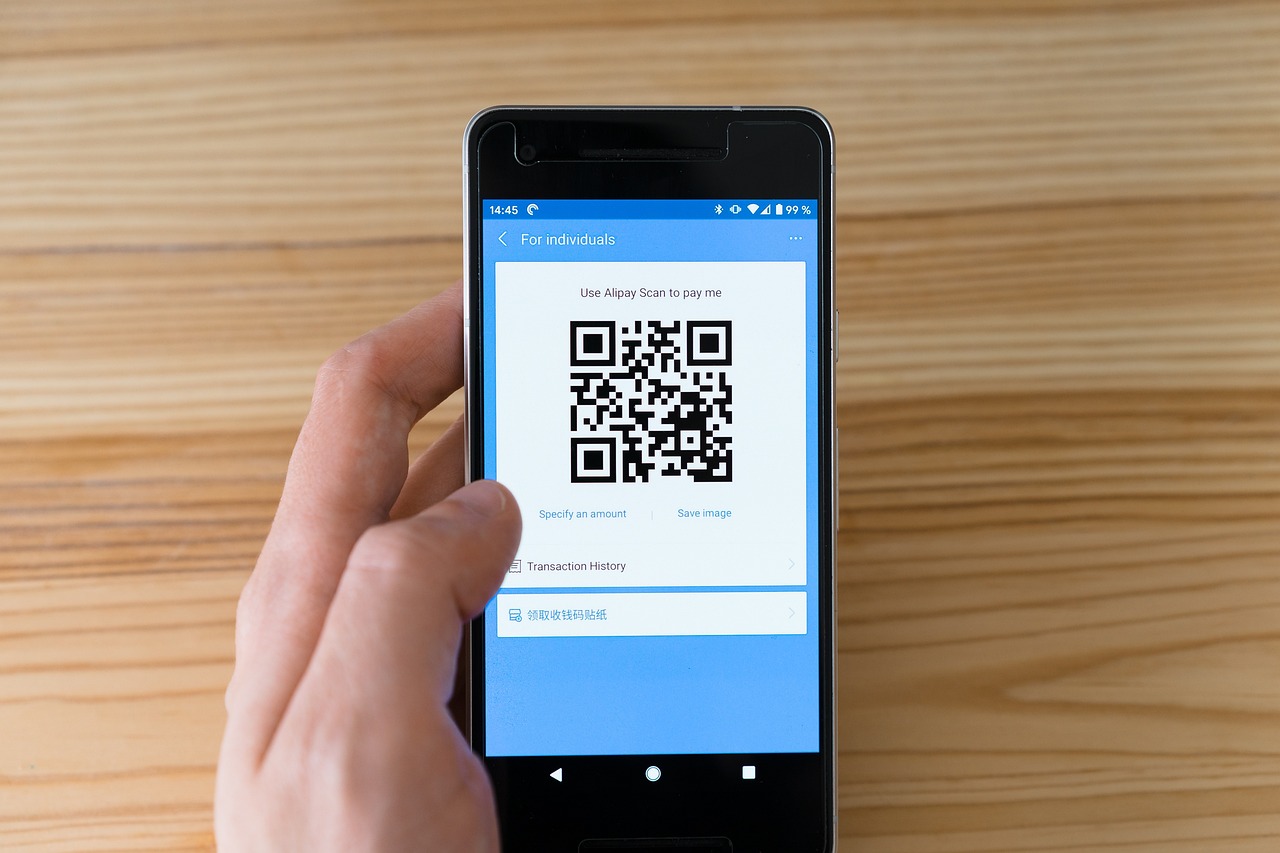
Discovery in Japan is split three ways, across search engines, marketplace search and social platforms, and each needs different work. Listing a product is the easy part.
Search: Google, Rakuten, and Amazon Are Three Different Engines
Google is where research starts, for categories, comparisons and reviews. Yahoo! JAPAN remains a large portal, but it has used Google’s search engine since 2010, so its organic results largely follow Google’s and one SEO effort covers both. Advertising is different: Google Ads and Yahoo! JAPAN’s own ad platform are separate systems, so a search budget needs two builds. The third place is inside the marketplaces. Rakuten and Amazon each run their own search, where sales, reviews and paid placement inside the mall shape what appears first. A brand that is visible on Google can still be invisible inside Rakuten, and the reverse. Treat marketplace search as its own channel, with its own keywords in Japanese and its own advertising.
Social: Where Discovery Happens Before the Search
For many products, discovery happens on social media and the search comes afterwards. Instagram is where shoppers save products and browse brand accounts. TikTok is where people come across things they were not looking for, and in Japan it is now used well beyond teenagers; our guide to TikTok marketing in Japan covers the data and TikTok Shop. X spreads news and reactions quickly. The pattern that matters for ecommerce is the hand-off: a shopper sees a product on social, then searches for it on Google or inside a marketplace before buying. For each platform’s role, see our guide to social media in Japan.
Where Influencers Fit in an Ecommerce Launch
Creators do three separate jobs in a Japanese ecommerce launch. Before launch, they build awareness, so that people search for the brand when listings go live. At launch, their posts need to match stock and listings: sending a creator’s audience to a product that is sold out, or not yet on the marketplace they use, wastes the moment. After launch, they help build the review base that Japanese shoppers check before buying.
The link between creators and marketplace reviews is the part overseas brands most often miss. A creator post persuades someone to look; the reviews on the marketplace page and on specialist sites decide whether they buy. Early campaigns that lead to real purchases and honest reviews help turn social attention into marketplace rankings. Creator fees depend on reach, format, usage rights and platform, and the cost structure is covered in our guide to influencer marketing costs in Japan.
Seasonality: When Japanese Ecommerce Peaks
December is Japan’s biggest retail month, but the year has several other peaks, some with no Western equivalent.
| Season | When | What drives it |
|---|---|---|
| New Year and fukubukuro (lucky bags) | First days of January; some online pre-sales open in October | New Year sales and sealed lucky bags |
| End of the fiscal and school year | March to April | New jobs, new schools and moves, which lift furniture, appliances and clothing |
| Golden Week | Late April to early May | A cluster of national holidays, travel and leisure spending |
| Ochugen (summer gifts) | July to mid-August, depending on region | Gift sets of food, drink and household goods |
| Year-end season: oseibo, bonuses, Christmas | November to December | Year-end gifts, winter bonuses and Christmas; Black Friday in late November |
METI’s Current Survey of Commerce shows December was Japan’s largest month for retail sales in 2025. Marketplaces add their own sale events, so check each platform’s calendar when planning stock. For the year-end season in detail, including how lucky bags work and when to start preparing, see our guide to fukubukuro and Black Friday in Japan.
Working With an Ecommerce Partner in Japan

An “ecommerce agency” in Japan usually covers one or two of five functions, so decide which functions you need before you compare firms. Some run marketplace shops, some move boxes, some sell into Japan on your behalf, and some only do marketing.
| Partner type | What you can hand over | What you cannot hand over | What to ask when choosing |
|---|---|---|---|
| Marketplace operations | Listings, shop pages, campaigns, marketplace advertising, customer messages | Brand positioning and pricing decisions | Which marketplaces do you run shops on now, and can we see the results? |
| Logistics (3PL) | Warehousing, picking, packing, delivery and returns handling in Japan | Demand forecasting and stock decisions | Which marketplaces and carriers do you connect to, and how fast do you ship? |
| Cross-border ecommerce services | Selling to Japanese shoppers without a Japanese entity, sometimes acting as the seller or importer | Ownership of the customer relationship | Who is the seller of record, and who owns the customer data? |
| Marketing (demand generation) | Creator campaigns, social media, PR and advertising that bring shoppers to your listings | Fulfilment and shop operations | How do you connect campaigns to sales and reviews, not only to views? |
| Customer support | Japanese-language email, chat and phone support, and reviews monitoring | Policy decisions on refunds and exceptions | What are your response times, and who approves refunds? |
Five Kinds of Partner and What Each Actually Does
The common mistake is to assume one agency covers the whole table; most subcontract or skip the functions they are weak in. A marketplace operator may run a good Rakuten shop and have no creator network. A cross-border service may get you live fast but leave you without the customer data. Map your needs against the five rows first, then look for partners who are strong in the rows you cannot do yourself.
What to Ask Before You Sign With Any of Them
Four questions sort serious partners from the rest. First, which functions do you do in-house, and which do you subcontract? Second, is your relationship with each marketplace direct, or through another company? Third, what will your reports show, and how often: sales and reviews by product, or only activity? Fourth, what are the terms for ending the contract, and what happens to the shop, the listings and the customer data if we leave?
Where hotice Fits: Demand Generation, Not Operations
hotice works in one of these five functions: marketing, and specifically creator-led demand generation that brings Japanese shoppers to your listings. We do not run warehouses, operate marketplace shops or act as a seller of record; those are specialist jobs, and brands are better served by firms that do them full time. What we do is the part that decides whether anyone searches for your product in the first place. If you are comparing firms for that role, our guide to influencer marketing agencies in Japan sets out what to look for.
FAQ
How big is the ecommerce market in Japan?
Japan’s business-to-consumer ecommerce market was worth 26.1 trillion yen in 2024, up 5.1% from 2023, according to the Ministry of Economy, Trade and Industry’s survey for fiscal 2024, published in August 2025. Physical goods made up 15.2 trillion yen of that, with services at 8.2 trillion yen and digital content at 2.7 trillion yen. The share of goods sales made online, the EC ratio, was 9.78%. METI updates the survey once a year, so always quote the year with the figure. Our influencer marketing statistics for Japan collect related market data.
What is the largest ecommerce site in Japan?
There is no official ranking, but Rakuten and Amazon report the largest figures among the major operators. Rakuten reported domestic ecommerce gross merchandise value of 6.35 trillion yen for 2025, a figure that includes travel, books and other services alongside Rakuten Ichiba. Amazon does not publish Japanese GMV; its net sales attributed to Japan were US$30.7 billion in 2025, which includes its own retail sales and AWS revenue booked in Japan but counts third-party sales only through the fees it earns. Because the two measure different things, they cannot be ranked against each other.
Can a foreign company sell on Rakuten or Amazon Japan?
Yes, on both, with conditions. Rakuten accepts sellers based in 22 countries and regions outside Japan, including the US, the UK, Germany, Australia, Singapore and South Korea, without a Japanese business base, subject to its review. Amazon says businesses outside Japan may not need to form a Japanese company to sell on Amazon.co.jp, and sellers can use Fulfillment by Amazon by shipping stock to Japanese warehouses. In both cases your products must meet Japanese product rules, and you need a way to serve Japanese customers, including returns.
Do I need a Japanese company to sell online in Japan?
Not always, but the answer changes what you can do. Amazon and Rakuten both accept eligible overseas sellers, and cross-border shipping is possible without any Japanese entity. Some channels and categories require a Japanese base, though: TikTok Shop Japan accepts only individuals who are Japanese citizens or residents and businesses registered with the National Tax Agency, and cosmetics need a domestic Marketing Authorisation Holder. A Japanese entity or distributor also makes returns, customs and customer service simpler, which matters more as sales grow.
What payment methods do Japanese shoppers use?
Credit cards lead, but many shoppers use something else as well. In the Ministry of Internal Affairs and Communications’ 2025 survey, 79.7% of online shoppers had used a credit card, 45.8% electronic money or QR code payments, 35.2% payment at a convenience store, and 15.2% cash on delivery. Younger shoppers use cards much less: only 34.2% of 15 to 19-year-olds had paid by card. Offer convenience store and code payments alongside cards.
How do returns work for Japanese ecommerce?
The seller sets the policy, but must state it. Under the Act on Specified Commercial Transactions, online sales have no cooling-off period. If a seller does not show a returns policy, the buyer can cancel within eight days of delivery, paying the return shipping. If the seller shows a policy, that policy applies. Returns and exchanges are also the most common customer-service need, according to Dentsu Digital’s 2025 survey. Write a clear Japanese policy and put it on every listing.
Do I need a Japanese-language store?
In practice, yes. Japanese shoppers buy in Japanese, marketplace search runs on Japanese keywords, and the seller disclosures required by law must be understandable to Japanese consumers. An English-only store limits you to a small audience. The exception is a brand whose Japanese fans already follow it in English, for example through overseas fan communities, which can test demand with an English store before investing in full localization. For the full launch sequence, see our guide on how to sell in Japan.
What does an ecommerce agency in Japan actually do?
Usually one or two of five different jobs: marketplace operations, logistics, cross-border selling services, marketing and customer support. Few firms do all five well. Before hiring, ask which functions they do in-house, whether they work directly with each marketplace, what their reports show and how you can leave.
Methodology and Data Sources
We use only figures confirmed in government sources, company disclosures and official releases. Where a figure is not published, such as Amazon’s Japanese GMV, we say so rather than use estimates. METI publishes its ecommerce survey once a year, and this article is updated when the next edition is released. All sources checked 23 to 25 September 2026.
- METI, fiscal 2024 ecommerce survey, 26 August 2025: https://www.meti.go.jp/policy/it_policy/statistics/outlook/250826_kohyoshiryo.pdf
- MIC, Communications Usage Trend Survey 2025, payment methods, 29 May 2026: https://www.e-stat.go.jp/stat-search/files?page=1&layout=datalist&lid=000001483816
- Rakuten, FY2025 results, 12 February 2026: https://corp.rakuten.co.jp/news/press/2026/0212_01.html
- Rakuten, overseas sellers, 30 September 2025: https://corp.rakuten.co.jp/news/press/2025/0930_03.html
- Amazon, 2025 Form 10-K: https://www.sec.gov/Archives/edgar/data/1018724/000101872426000004/amzn-20251231.htm
- Amazon, selling in Japan and Japanese seller fees: https://sell.amazon.com/global-selling/japan and https://sell.amazon.co.jp/pricing
- Rakuten Ichiba, seller plans and fees: https://www.rakuten.co.jp/ec/plan/
- LY Corporation, FY2025 results, 8 May 2026: https://www.lycorp.co.jp/ja/ir/library/presentations/main/013/teaserItems2/04/linkList/02/link/jp2025q4_presentation.pdf
- Yahoo! Shopping, seller plans from September 2026: https://business-ec.yahoo.co.jp/shopping/
- ZOZO, results to March 2026, 30 April 2026: https://corp.zozo.com/ir-info/files/pdf/4b016608c1e97165eebb82d6a719ae8c7018b670.pdf
- METI, Qoo10 designation, 12 June 2026: https://www.meti.go.jp/press/2026/06/20260612004/20260612004.html
- eBay Japan, Qoo10 release, 26 August 2026: https://prtimes.jp/main/html/rd/p/000000993.000022933.html
- Qoo10 University, seller guide (fees and user base): https://university.qoo10.jp/
- Yahoo Japan, adoption of Google’s search engine, 27 July 2010: https://web.archive.org/web/20191118014651/https://about.yahoo.co.jp/pr/release/2010/0727a.html
- istyle, business overview: https://www.istyle.co.jp/business/
- MHLW, truck driver overtime cap: https://hatarakikatasusume.mhlw.go.jp/truck.html
- MLIT, redelivery survey, 10 July 2026: https://www.mlit.go.jp/report/press/tokatsu01_hh_001025.html
- Consumer Affairs Agency, mail-order rules: https://www.no-trouble.caa.go.jp/what/mailorder/
- Consumer Affairs Agency, stealth marketing, food labelling, health claims: https://www.caa.go.jp/policies/policy/representation/fair_labeling/stealth_marketing, https://www.caa.go.jp/policies/policy/food_labeling/ and https://www.caa.go.jp/policies/policy/representation/extravagant_advertisement/
- National Tax Agency, low-value imports and proposed food tax cut: https://www.nta.go.jp/publication/pamph/shohi/kaisei/pdf/r08kaisei.pdf and https://www.nta.go.jp/taxes/shiraberu/zeimokubetsu/shohi/keigenzeiritsu/zeiritsuhikisage.htm
- Japan Customs, import procedures: https://www.customs.go.jp/english/summary/import.htm
- Dentsu Digital, purchasing survey, 26 November 2025: https://www.dentsudigital.co.jp/news/release/services/2025-1126-000278
- Odakyu Department Store, ochugen timing: https://shop.odakyu-dept.co.jp/ec/chugen_column1
- METI, Current Survey of Commerce, December 2025 final report, Part 1 Table 1 (retail sales by month, 2025): https://www.e-stat.go.jp/stat-search/files?page=1&layout=dataset&cycle=1&toukei=00550030&tstat=000001081875&tclass1=000001081878&tclass2val=0&stat_infid=000040412501
- Cabinet Office, national holidays: https://www8.cao.go.jp/chosei/shukujitsu/gaiyou.html
Update history: first published September 2026. Last updated: September 2026.
Supervised by the hotice Editorial Team, specialists in helping global brands enter the Japanese and Asian markets through influencer marketing. Last updated: September 2026.
Pricing, past campaigns, and how contracts and ad-disclosure compliance are handled from start to finish. Ask us anything before you commit to a budget.
Overseas brands welcome. We work in English, Japanese, Chinese, and Korean.