Anime Marketing: Who Owns the Rights and How Brand Collaborations Get Approved
- 1. What Anime Marketing Means
- 1-1. Type 1: Licensing an Existing Anime IP
- 1-2. Type 2: Producing Your Own Anime
- 1-3. Type 3: Anime-Style Creative Without a License
- 2. Who Actually Owns an Anime IP
- 2-1. The Production Committee: Who Sits at the Table
- 2-2. The Original Work and the Anime Are Separate Rights
- 2-3. Who You Actually Talk To: Licensing Windows and Agents
- 3. The Approval Process, Step by Step
- 3-1. Steps 1-3: Shortlist, Approach the Window, Submit the Proposal
- 3-2. Steps 4-5: Committee Review and Contract
- 3-3. Step 6: Design Supervision, Where Timelines Break
- 3-4. Working Backwards From the Broadcast Season
- 4. What It Costs
- 4-1. The Four Layers of an Anime Collaboration Budget
- 4-2. Minimum Guarantee and Royalty, Explained
- 4-3. Three Items Quotes Tend to Leave Out
- 5. When You Cannot Get the IP
- 5-1. Option 1: Work With Creators Who Already Reach Anime Fans
- 5-2. Option 2: Anime-Style Creative, and Where Imitation Begins
- 5-3. Option 3: Events and Fan Communities
- 6. Reaching Anime Audiences Without an IP Deal
- 6-1. Four Kinds of Creator in Japan’s Anime Community
- 6-2. Respecting Fan Culture: Where Brands Get It Wrong
- 6-3. What a Campaign Looks Like, and What It Costs
- 7. Three Collaborations Worth Studying
- 7-1. Case 1: An Overseas Brand and a Japanese Anime IP
- 7-2. Case 2: A Consumer Brand Collaboration Inside Japan
- 7-3. Case 3: Reaching Anime Fans Without Licensing the IP
- 8. FAQ
- 8-1. What is anime marketing?
- 8-2. Who owns the rights to an anime?
- 8-3. What is a production committee?
- 8-4. How do I get permission to use an anime character?
- 8-5. How long does an anime collaboration take to approve?
- 8-6. How much does an anime license cost?
- 8-7. Can I use anime-style art without a license?
- 8-8. How do I reach anime fans in Japan without an IP deal?
- 9. Methodology and Data Sources
Pricing, past campaigns, and how contracts and ad-disclosure compliance are handled from start to finish. Ask us anything before you commit to a budget.
Overseas brands welcome. We work in English, Japanese, Chinese, and Korean.TL;DR: Most Japanese anime is owned jointly by a production committee of several companies, so a brand collaboration is never a deal with one owner. You approach a licensing window, the committee signs off together, and design supervision takes longer than teams expect. If the IP is out of reach, creators who reach anime fans are the alternative.
Brand teams outside Japan often arrive at anime with a sound instinct and no map: who owns the character, who says yes, how long it takes and what it costs.
This guide answers them in the order a licensing proposal meets them. The first half is for brands that want to license an existing anime; the second is for brands that cannot get the rights or fit them into the budget. For the wider picture of how brands work with Japanese creators, start with our overview of influencer marketing in Japan.
What Anime Marketing Means
Anime marketing is the use of Japanese animation, its characters, style or fan communities to promote a brand. It takes one of three forms: licensing an existing anime IP, producing an original anime, or making anime-style creative without a license. Each has a different rights owner, timeline and risk.
The Association of Japanese Animation (AJA) put the anime industry market at a record 3.8407 trillion yen for 2024, in preliminary figures released on 30 October 2025. The overseas market was 2.1702 trillion yen, up 26.0% year on year, against 1.6705 trillion yen in Japan. With more than half the market now outside Japan, a collaboration with a Japanese title can travel well beyond it.
| Type | Rights you need | Relative cost | Lead time | Best suited to |
|---|---|---|---|---|
| 1. Licensing an existing IP | A license, approved through the production committee | High: license fee, production and supervision | Longest; case by case | Instant recognition, merchandise, fan goodwill |
| 2. Producing your own anime | None; you commission a studio and own the result by contract | Highest single line: production itself | Long; set by production | A lasting brand universe, global campaigns |
| 3. Anime-style creative without a license | None, if it imitates no specific title | Lowest | Shortest | Tests, social content, creator campaigns |
Type 1: Licensing an Existing Anime IP
You borrow characters, logos or artwork from a title fans already know. It has the strongest effect and the heaviest process, because every use goes through approval and design supervision.
Type 2: Producing Your Own Anime
You commission a studio to make original work around your brand. You own what you pay for, subject to your contract, but production is the largest cost and the longest schedule. A recent overseas example is McDonald’s WcDonald’s campaign of February 2024, with original characters and four anime shorts from Studio Pierrot (Case 3 below).
Type 3: Anime-Style Creative Without a License
You use the visual language of anime, drawn by artists you hire, without borrowing any title. It is the lightest route, with one line you must not cross: resembling a specific work too closely. See Option 2 below.
Who Actually Owns an Anime IP
The mainstream model for Japanese anime is the production committee (seisaku iinkai): the anime is financed and owned by a group of companies, not by the studio that animates it.
Japan’s Fair Trade Commission (JFTC), in its December 2025 report on anime production, describes it as a body formed by several businesses investing jointly to produce and exploit an anime, a scheme that reduces each investor’s risk. Most committees are unincorporated partnerships under the Civil Code. Members decide by agreement, share the copyright and divide profits mainly by investment share. A lead company runs the committee and signs the production contract with the studio.
The Production Committee: Who Sits at the Table
The JFTC lists film companies, broadcasters, publishers, advertising agencies, home video companies and music publishers as typical members; streaming platforms license and sometimes commission anime too.
| Typical member | Rights it may hold or handle | Role in a brand collaboration |
|---|---|---|
| Publisher of the original manga or novel | The original work, licensed to the committee | Often approves how characters look and speak |
| Animation studio | A share of the rights only if it invested | May supervise artwork that uses the anime’s designs |
| TV broadcaster | Broadcast rights, often as a window | Sometimes the lead company and first point of contact |
| Advertising agency | Commercial use and promotion, often as a window | A common route for brand tie-ups |
| Music publisher or label | Theme songs and soundtrack | Needed if your campaign uses the music |
| Video and merchandise companies | Packaged media and merchandising, often as a window | The window for licensed products |
| Streaming platform | Streaming rights in some or all territories | Relevant to streaming-led campaigns |
The JFTC explains that each member can act as the window (madoguchi) for a use, signing licenses with outside companies and taking a window fee before the rest flows back to the committee.
Original work
Author and publisher license it to the committee.
Production committee
Investors share the copyright. A lead company manages; members decide together.
Animation studio
Commissioned to produce. Holds rights only if it invested.
Members handling each use
Broadcast, streaming, merchandising, overseas. Each licenses outside companies.
Licensee brand
Approaches one window; the committee still approves.
General pattern based on the JFTC’s December 2025 report. Membership and windows differ by title.
The Original Work and the Anime Are Separate Rights
According to the JFTC, most recent anime adapt an original work such as a manga, and permission to use that original is obtained before the anime is made. The anime’s rights and the original’s rights are two layers, and a brand needs to know which one it is using.
The practical test is the artwork: manga-style and anime-style drawings of the same character can sit with different approvers. Nissin’s 2019 Cup Noodle commercials with One Piece characters (Case 2) show both layers: published staff credits list supervision by Shueisha, the manga’s publisher, and by Toei Animation, and the copyright notice credits Eiichiro Oda, Shueisha, Fuji TV and Toei Animation.
Who You Actually Talk To: Licensing Windows and Agents
The common first mistake is to write to the animation studio, because fans know its name. But committee members interviewed for the JFTC report say the copyright sits with the committee because it paid for production, and 84.9% of 53 lead studios in the JFTC’s survey said final copyright usually goes to their client. A studio that did not invest usually cannot grant you anything.
The right counterpart is the member that handles the use you want, or a licensing agent representing the title in your territory. For overseas brands, the overseas window may be a separate company again. It collects your proposal, circulates it to the other members and comes back with one answer.
The Approval Process, Step by Step
A license moves through six steps; the last, design supervision, is often the longest. No official body publishes standard durations, so where we cannot state a time, the table says so.
| Step | Who moves | What you submit | Time |
|---|---|---|---|
| 1. Shortlist titles | Your team, often with a local partner | Internal brief: audience, product, markets | Under your control |
| 2. Approach the window | You or your agent | Company profile, outline of the idea | Depends on the window’s workload |
| 3. Submit the proposal | You | Use, territory, period, product category, quantities | Depends on the title |
| 4. Committee review | The window, circulating to members | Answers to follow-up questions | Not published; varies widely |
| 5. Contract | Both sides’ legal teams | Negotiated license terms | Depends on the terms |
| 6. Design supervision | Licensor approves each asset | Every drawing, line of copy and product sample | Often the longest step |
Steps 1-3: Shortlist, Approach the Window, Submit the Proposal
Choose titles by fit, not fame: when the title is on air, whether its audience matches your buyers, and whether its world can hold your product without strain.
Approach the window with a short, specific inquiry, not a partnership deck. The proposal should then state the use (advertising, products, events, digital), territory, period, product category and expected quantities. Vague proposals are slow, because every member asks the same missing questions.
Steps 4-5: Committee Review and Contract
Because the committee shares the rights, one member’s enthusiasm is not a decision. The window gathers the others’ views, and any of them can raise concerns about category conflicts, competitors or tone.
The contract then fixes scope, territory, term, minimum guarantee, royalty and supervision conditions. A character license is not an influencer agreement; have a lawyer who knows Japanese IP licensing review it.
Step 6: Design Supervision, Where Timelines Break
The licensor approves every asset before use: artwork, copy, packaging, samples. This is where schedules slip. Three patterns recur:
- Off-model drawing. Proportions or coloring drift from the official design.
- Out-of-character copy. A line the character would never say is rejected even when the art is right.
- Product placed against the world. The setting does not allow the product, so the scene must be rethought, not retouched.
Each round goes through the window, sometimes to more than one approver. Plan for several rounds.
Working Backwards From the Broadcast Season
Japanese TV anime runs in seasons, or cours, starting in January, April, July and October. To launch alongside a January title, work backwards. The table is a conservative planning template, not a published industry standard.
| Quarter | Work for a January launch |
|---|---|
| January to March of the previous year | Shortlist titles and approach windows |
| April to June | Proposal and committee review |
| July to September | Contract, then first design submissions |
| October to December | Final supervision, production, launch preparation |
If you are already in the final quarter, consider the options in the second half of this article instead.
What It Costs
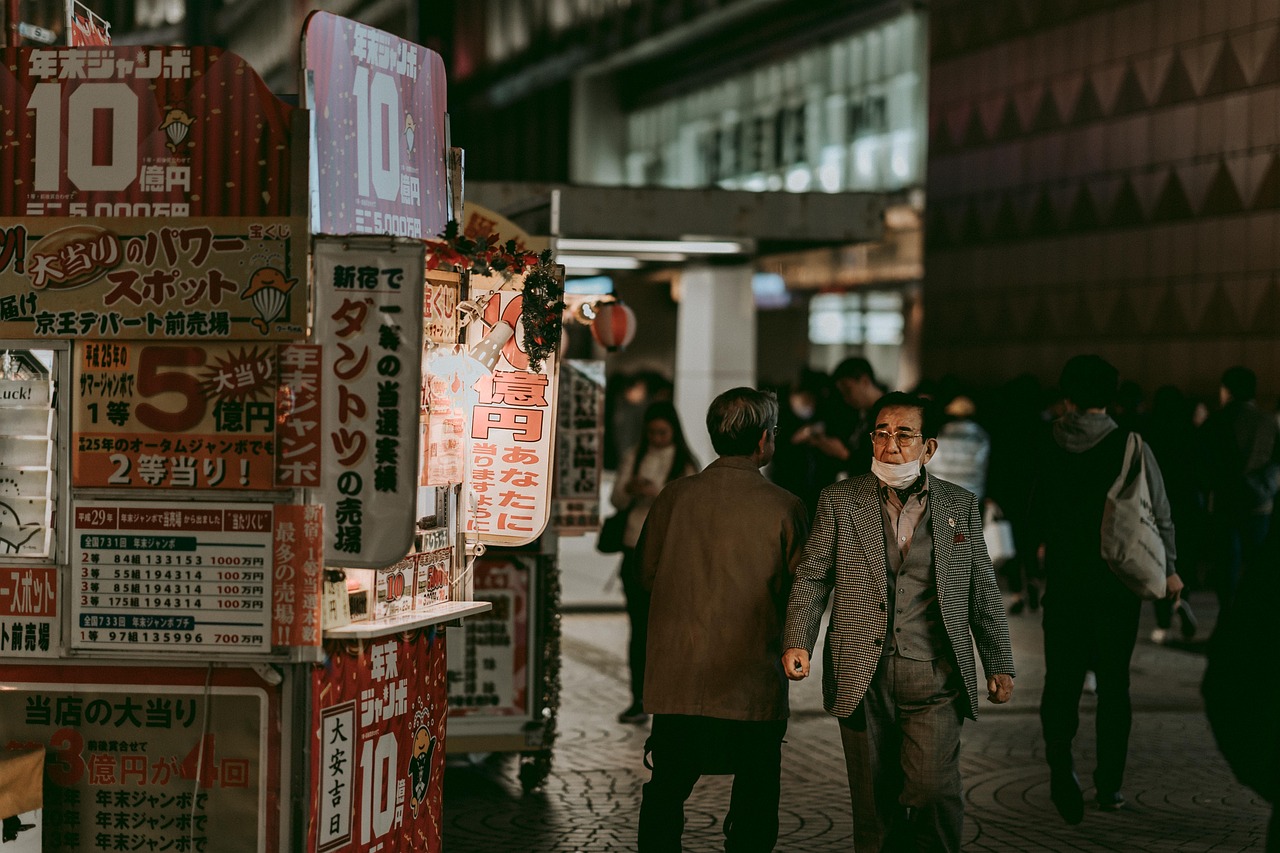
Budget for four layers, not one fee: the license, production, supervision handling and media. We give no price range, because fees vary widely by title and use and we found no primary source that publishes them.
| Cost layer | What determines it | Often missing from quotes |
|---|---|---|
| License fee | Title, use, territory, term, sales volume | Whether the minimum guarantee is credited against royalties |
| Production | New artwork, animation, packaging, samples | Revisions caused by supervision |
| Supervision handling | Number of assets and approval rounds | Who pays for additional rounds |
| Media | Where the campaign runs and for how long | Whether the license covers each channel |
The Four Layers of an Anime Collaboration Budget
The license fee is what you pay the rights holders, usually a minimum guarantee plus royalties. Production is the cost of making the artwork, films or products. Supervision handling is the time your team or agency spends preparing submissions and making corrections, and it grows with every round. Media is what you spend to put the result in front of people. Brands tend to underestimate the middle two.
Minimum Guarantee and Royalty, Explained
A royalty is a percentage of the sales of licensed products, paid to the licensor. A minimum guarantee (MG) is the amount you commit to pay regardless of sales, often in advance. If royalties exceed the MG, you pay the difference; if they fall short, the MG is still owed. For advertising uses without product sales, ask how the fee is calculated.
Three Items Quotes Tend to Leave Out
- Supervision rounds. Ask how many rounds are included and what happens after that.
- Term extensions. Ask what it costs to keep selling after the license period ends.
- Additional territories. Ask whether adding a market later means a new negotiation or a set fee.
When You Cannot Get the IP
From here on, this guide is for a different reader: the brand that heard no, never heard back, or found the budget and timeline do not fit. The audience is still there, and three routes reach it without borrowing anyone’s characters.
Option 1: Work With Creators Who Already Reach Anime Fans
Anime fans follow the VTubers, illustrators, cosplayers and commentary channels that talk about anime every day. Working with them puts you in front of the people a license would, in a voice they trust, with no committee in the loop. The next section compares creator types, and our guide on how to discover influencers covers finding them.
Option 2: Anime-Style Creative, and Where Imitation Begins
You can commission original characters and scenes in an anime style; a general style is not owned by anyone. A specific character, a recognizable design, or a composition that makes viewers think of one title is different, and can infringe that title’s rights. Where the line falls depends on the facts, so have a specialist in Japanese copyright review anything close to an existing work before publishing.
Option 3: Events and Fan Communities
Events reward restraint. Fans came for the works and creators, not a sales pitch. Offer something that adds to the day, such as a creator appearance or a photo spot, and keep the hard sell for your own channels.
hotice is a cross-border influencer marketing agency helping overseas brands enter Japan. We handle casting, negotiation, Japanese-language contracts, and ad-disclosure compliance.
Tell us your category, budget range, and timing. We will take it from there.| Event | When | Who attends | How companies take part |
|---|---|---|---|
| Comic Market (Tokyo Big Sight) | Twice a year, August and December. C108 on 15 and 16 August 2026 drew about 260,000 visitors; C109 runs 29 to 31 December 2026 | Creators and buyers of self-published works, cosplayers | A separate corporate booth area; 121 companies exhibited at C108 |
| AnimeJapan | March. The 2026 edition drew about 156,000 visitors on 28 and 29 March, with business days on 30 and 31 March. The 2027 edition moves to Osaka, with public days at INTEX Osaka on 27 and 28 March 2027 | Fans of new titles; industry buyers on business days | Publishers, studios and licensors exhibit |
| Japan Expo (Paris) | Every July, at Paris-Nord Villepinte | European fans of Japanese pop culture | Brand booths and partnerships; see our Japan Expo guide |
Reaching Anime Audiences Without an IP Deal
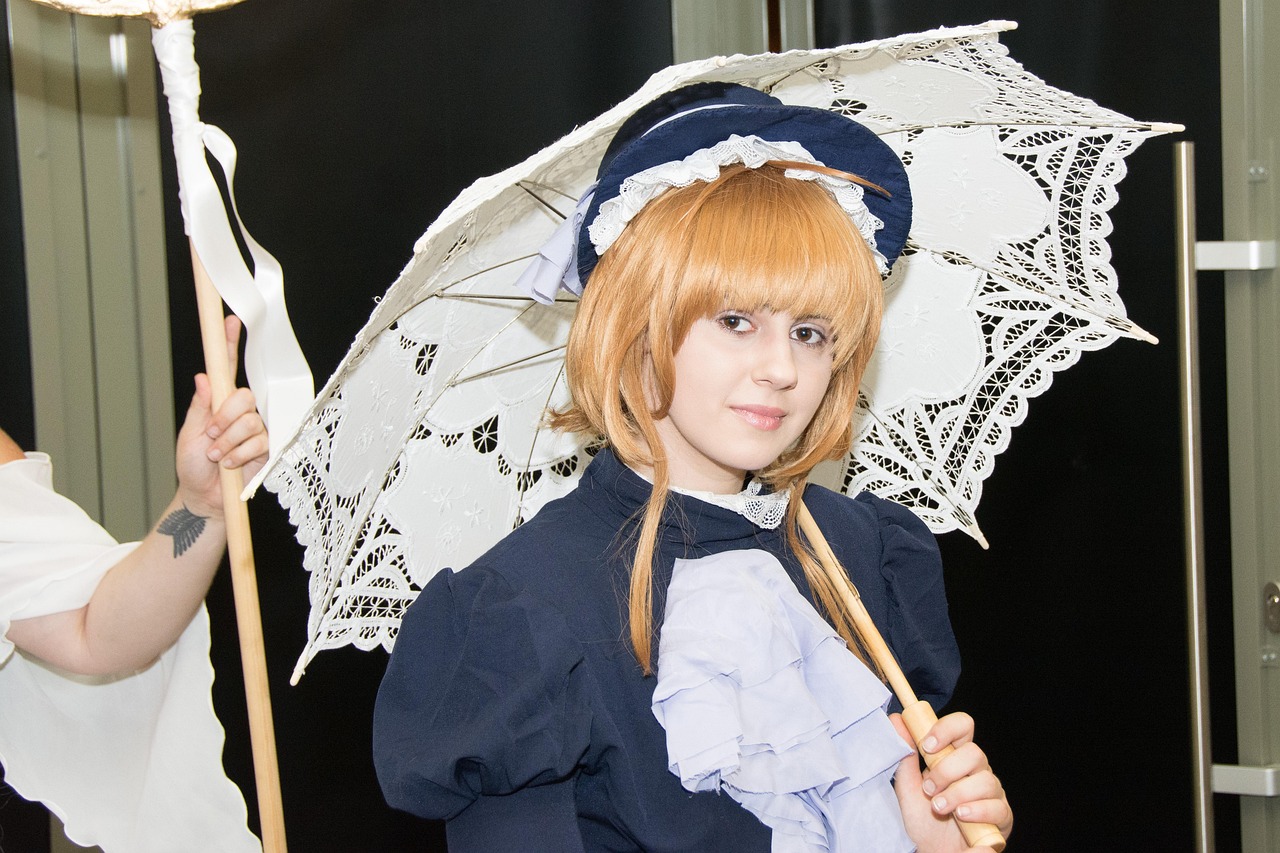
Go through the creators anime fans already follow: VTubers, illustrators, cosplayers and commentary YouTubers, each with its own format and etiquette. Casting across them is part of what hotice does for overseas brands.
| Creator type | Who they reach | Products that fit | How a deal usually works | Watch out for |
|---|---|---|---|---|
| VTubers | Live-stream audiences | Games, snacks, tech, apps | Sponsored segment, via the agency | Agency rules on product categories |
| Illustrators | Fans who follow art on X and Pixiv | Visual products, packaging, apps | Commissioned original artwork | Usage scope and credit in the contract |
| Cosplayers | Event-goers and photo audiences | Beauty, fashion, cameras, events | Event appearances and photo content | Licensed-character costumes raise rights questions |
| Commentary YouTubers | Viewers wanting analysis | Streaming services, books, merchandise | Segment in an explainer video | Footage and images of licensed titles |
Four Kinds of Creator in Japan’s Anime Community
VTubers bring live interaction, illustrators reusable visuals, cosplayers event presence and photography, and commentary channels explanation and credibility. VTubers are the most commercially developed, with listed agencies; our guide to VTuber marketing in Japan covers them in depth. Whichever type you use, check the audience country breakdown before you book, because anime-focused creators based in Japan can have a large share of followers outside Japan.
Respecting Fan Culture: Where Brands Get It Wrong
Japan’s fan culture includes a large world of fan-made works, from self-published manga to fan art, which runs on unwritten understandings. A brand that treats it as free content, or tries to take commercial ownership of a fan trend, can turn a community against it quickly. Stay with original work and credited creators. Most established creators also work through agencies, so an English direct message rarely reaches a decision-maker. For the cultural background, see our guide to Japanese marketing culture.
What a Campaign Looks Like, and What It Costs
- In-stream feature: a VTuber or commentary creator presents your product in regular content.
- Illustration commission: original artwork for your campaign, with agreed reuse rights.
- Event appearance: a cosplayer or creator appears at your booth.
Costs follow the usual creator structure: fee, usage rights, production and agency handling. How creator fees are built is covered in our guide to influencer marketing costs in Japan. Every sponsored post must also be disclosed. Since 1 October 2023, undisclosed advertising has been regulated under Japan’s Act against Unjustifiable Premiums and Misleading Representations, and the responsibility for disclosure sits with the advertiser, not the creator. Put the requirement in the contract; our guide to Japan’s stealth marketing regulation explains what counts.
Three Collaborations Worth Studying
Each case is drawn from public announcements and press coverage. We found no published sales results, so we do not guess at them.
Case 1: An Overseas Brand and a Japanese Anime IP
LOEWE and Studio Ghibli. What was borrowed: characters and landscapes from Ghibli films, starting with My Neighbor Totoro in January 2021, then Spirited Away at the turn of 2022, and Howl’s Moving Castle in 2023, reported as the third and final collection. Where it ran: apparel, leather goods and accessories online and in stores, plus a reservation-only pop-up in Omotesando, Tokyo, in February 2023. What worked: it was built as a series, not a one-off, alongside LOEWE’s reported support for the Ghibli Museum, which framed it as a cultural relationship rather than a logo placement.
Case 2: A Consumer Brand Collaboration Inside Japan
Nissin Cup Noodle and One Piece. What was borrowed: the Straw Hat crew, reimagined as high school students, in the HUNGRY DAYS commercial series that had earlier featured Kiki’s Delivery Service, Heidi and Sazae-san. Where it ran: TV commercials from 22 May 2019, with character design by manga artist Eisaku Kubonouchi and animation by Shaft. What worked: the look changed substantially, yet the anime’s voice cast returned and both rights layers signed off, which shows how far a reinterpretation can go with the right approvals.
Case 3: Reaching Anime Fans Without Licensing the IP
McDonald’s WcDonald’s. What was borrowed: nothing. WcDonald’s is the altered name anime and manga have long used for fictional burger restaurants, and McDonald’s built a campaign on it from 26 February 2024 in more than 30 markets. Where it ran: packaging illustrated by artist Acky Bright, a new sauce, four anime shorts from Studio Pierrot, weekly digital manga and a Los Angeles dining event. What worked: it spoke the fans’ own language and worked through creators, including grants and mentoring for three up-and-coming anime artists. More creator-led campaigns are in our collection of influencer marketing examples in Japan.
FAQ
What is anime marketing?
Anime marketing is the use of Japanese animation, its characters, style or fan communities to promote a brand. It takes three main forms: licensing an existing anime IP, producing an original anime, or creating anime-style content without a license. Licensing has the strongest pull and the heaviest approval process. Original production gives you ownership at the highest production cost. Anime-style creative is the lightest but must not imitate a specific title. See the comparison table at the top of this article.
Who owns the rights to an anime?
Usually a production committee, a group of companies that invested in the anime together and share its copyright. Members commonly include publishers, broadcasters, advertising agencies, music and video companies, and sometimes the animation studio. If the anime adapts a manga, novel or game, the original work carries its own rights, held by its author and publisher. That is why a collaboration may need approval from both layers. The section on who owns an anime IP explains the structure with a diagram.
What is a production committee?
A production committee (seisaku iinkai) is a group of companies that jointly invest in making and exploiting an anime, sharing its copyright and dividing profits mainly in proportion to their investment. Most are unincorporated partnerships under Japan’s Civil Code, run by a lead company and deciding by agreement among members. Japan’s Fair Trade Commission describes it as a scheme to reduce each investor’s risk. For brands, it means a license request is reviewed by several companies, not one, and usually arrives through a single licensing window.
How do I get permission to use an anime character?
Through the committee member or licensing agent that handles the use you want, not by writing to every company or to the animation studio. The general sequence has six steps: shortlist titles, approach the licensing window, submit a proposal stating use, territory, period, product category and quantities, wait for committee review, sign a contract, and pass design supervision for every asset. A partner in Japan speeds up the first two steps. The approval process section above sets out each step.
How long does an anime collaboration take to approve?
It depends on the title, the use and the window’s workload, and no official body publishes standard durations. The slow parts are predictable, though. Committee review needs several companies to agree, and design supervision can require several rounds of corrections on every drawing and line of copy. For a campaign timed to a broadcast season, plan in quarters rather than weeks, and start before you have picked the final title. See the section on design supervision for why schedules slip.
How much does an anime license cost?
There is no reliable public price, because fees vary widely by title, use, territory and term, and licensors do not publish them. The structure is consistent, though: a license fee, usually a minimum guarantee plus a royalty on sales, then production, supervision handling and media costs on top. Ask every quote how many supervision rounds are included, what extensions cost and whether more territories can be added. A partner in Japan can compare quotes line by line. The cost section above breaks down the four layers.
Can I use anime-style art without a license?
Yes, a general anime style is not owned by anyone, and many brands commission original anime-style characters. The risk comes from resembling a specific character or title closely enough that viewers connect the two, which can infringe that title’s rights. Where the line falls depends on the facts of each case, so have a specialist in Japanese copyright review any design that sits close to an existing work before you publish it. See Option 2 in the section on what to do when you cannot get the IP.
How do I reach anime fans in Japan without an IP deal?
Work with the creators anime fans already follow, and take part in the events they attend. VTubers, illustrators, cosplayers and commentary YouTubers each reach a different part of the audience and suit different products. Events such as Comic Market and AnimeJapan put you in the same room as fans, provided you keep the sales pitch light. Check each creator’s audience country breakdown, and disclose every sponsored post. The section on reaching anime audiences without an IP deal compares the creator types.
Methodology and Data Sources
We did not use third-party estimates of license fees or approval times, because we found no primary source for them. The committee description follows the JFTC report as a general pattern, not any specific title. Sources were accessed on 23 to 25 September 2026.
| Fact | Source | As of |
|---|---|---|
| Anime industry market 2024 (preliminary) | Association of Japanese Animation | Released 30 October 2025 |
| Production committee structure; studio survey | Japan Fair Trade Commission, anime production report | 24 December 2025 |
| Comic Market 108 attendance and exhibitors; C109 dates | Comic Market Preparations Committee: C108 after report, C109 schedule | 24 August 2026; 24 March 2026 |
| Japan Expo dates | Japan Expo official site | September 2026 |
| AnimeJapan 2026 and 2027 | V-STORAGE (Bandai Namco Filmworks); MANTANWEB | March 2026 |
| LOEWE and Studio Ghibli collections | Hypebeast, Hypebeast, Time Out Tokyo | 2020 to 2023 |
| Nissin HUNGRY DAYS One Piece credits | Anime! Anime!, Famitsu | 22 May 2019 |
| McDonald’s WcDonald’s campaign | Marketing Dive, Cartoon Brew | February 2024 |
| Stealth marketing rule | Consumer Affairs Agency | In force 1 October 2023 |
If you are weighing whether to run creator campaigns in Japan’s anime community yourself or with a partner, our comparison of influencer marketing agencies in Japan sets out what to ask before you sign.
Supervised by the hotice Editorial Team, specialists in helping global brands enter the Japanese and Asian markets through influencer marketing. Last updated: September 2026.
Pricing, past campaigns, and how contracts and ad-disclosure compliance are handled from start to finish. Ask us anything before you commit to a budget.
Overseas brands welcome. We work in English, Japanese, Chinese, and Korean.