Virtual Influencer Marketing: How Brands Work With Virtual Characters in Japan
- 1. What Is a Virtual Influencer?
- 1-1. CGI Personas, Anime-Style Characters, and AI-Generated Avatars
- 1-2. Virtual Influencer or VTuber?
- 2. Why Japan Is a Distinct Market for Virtual Characters
- 2-1. Character Culture Came First
- 2-2. Where Virtual Influencers Stand in Japan Today
- 3. Three Ways a Brand Can Work With a Virtual Influencer
- 3-1. Partner With an Existing Virtual Influencer
- 3-2. Build Your Own
- 3-3. Put a Character You Already Own on Social
- 4. Partnering With an Existing Virtual Influencer
- 4-1. Who Owns the Character and Who You Contact
- 4-2. Choosing One: Fit and Audience Country Breakdown
- 4-3. What the Deal Covers
- 5. Building Your Own Virtual Influencer
- 5-1. The Team Behind a Persona
- 5-2. Timeline and the Cost Structure
- 5-3. Why Most Brand-Owned Personas Stall
- 6. Risks and Rules for Virtual Influencers in Japan
- 6-1. Disclosure Still Applies, and the Advertiser Is Liable
- 6-2. AI-Generated Personas, Likeness, and Audience Trust
- 6-3. Attention That Does Not Convert
- 7. Virtual or Human: Choosing for Your Campaign
- 7-1. When a Virtual Influencer Wins
- 7-2. When a Human Creator Wins
- 8. FAQ
- 8-1. What is a virtual influencer?
- 8-2. What is the difference between a virtual influencer and a VTuber?
- 8-3. How do brands work with virtual influencers?
- 8-4. How do I contact a virtual influencer in Japan?
- 8-5. Do virtual influencer posts need an ad label in Japan?
- 8-6. Can I create a virtual influencer with AI?
- 8-7. Will virtual influencers replace human influencers?
- 9. Methodology and Data Sources
Pricing, past campaigns, and how contracts and ad-disclosure compliance are handled from start to finish. Ask us anything before you commit to a budget.
Overseas brands welcome. We work in English, Japanese, Chinese, and Korean.TL;DR: A virtual influencer is a character’s social media account with no live performer behind it, produced by a team. Brands have three routes: partner with an existing character, build their own, or put a character they already own on social. Control is easy, engagement is hard, and ad disclosure rules apply as they do to people, with the advertiser liable.
Japan has a reputation as the country where characters sell, so brands often ask whether a virtual influencer could do a human creator’s work in Japan. The real questions are practical: who do you contact, what does it take to build your own, and will Japanese consumers trust a persona that does not exist?
This guide answers those questions in two parts. The first explains what virtual influencers are and how the Japanese market treats them. The second is for brands deciding whether and how to use one, including when a human creator is the better choice. For the wider picture of working with creators in Japan, start with our overview of influencer marketing in Japan.
What Is a Virtual Influencer?

A virtual influencer is a fictional character that runs a social media account like a human creator, with no live performer behind it. A production team designs the character, writes its posts and makes its images or videos. Followers interact with the character, but every word and frame is produced.
Well-known examples include imma, produced by the Japanese company Aww Inc., and Shudu, created by the studio The Diigitals. Profiles of the best-known Japanese characters are in our roundup of virtual influencers in Japan.
Virtual influencers fall into three broad types, which differ in how they are made and what can go wrong.
| Type | Look | How it is made | Formats it suits | Main caution |
|---|---|---|---|---|
| CGI persona | Photorealistic human | 3D modeling and rendering, often composited into real photos | Fashion and lifestyle photos, campaign visuals | Production is slow per image; can feel deceptive if not framed as virtual |
| Anime-style character | Illustrated or 3D in an anime or manga style | Illustration, 2D or 3D animation | Short video, illustrations, events, merchandise | Must not resemble an existing anime title too closely |
| AI-generated avatar | Usually photorealistic | Generative AI image and video tools, with human editing | High-volume posts, quick tests | Trust, labeling rules and resemblance to real people |
CGI Personas, Anime-Style Characters, and AI-Generated Avatars
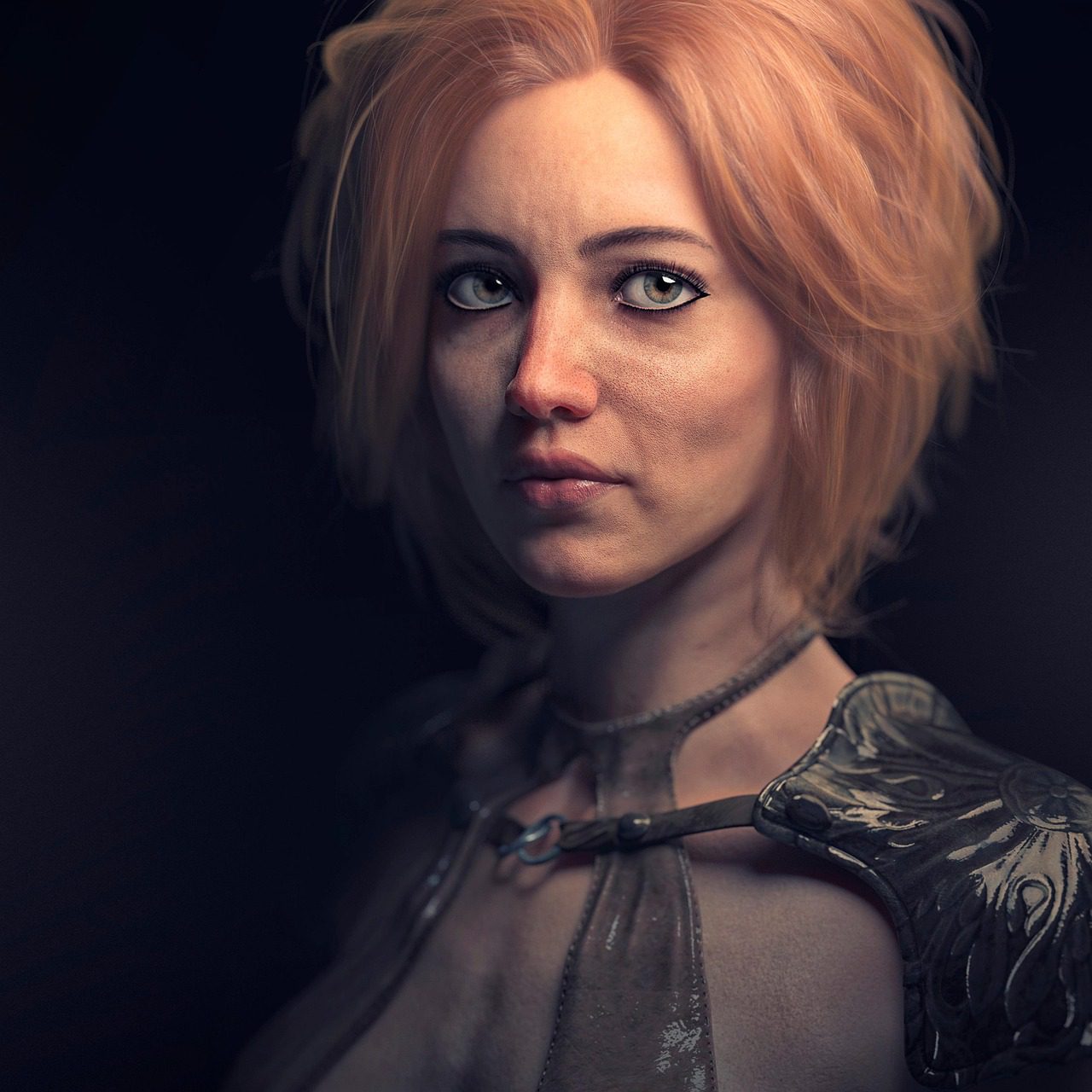
CGI personas are the original model of the category: a computer-generated human placed into photographs of real places, posting about fashion, music and daily life. They look most like a human influencer, which is both their appeal and their risk. Imma and Shudu both belong here.
Anime-style characters borrow the visual language Japanese audiences grew up with. They feel at home in Japan, travel well to anime fans abroad, and adapt easily to stickers, short animation and merchandise. They are also the type most likely to overlap with existing characters, so originality checks matter.
AI-generated avatars are the newest type. Generative AI has cut the time and skill needed to produce a realistic persona, so many more of them now exist. The lower barrier comes with a trust problem: audiences and platforms increasingly want to know when a face is synthetic, and a generated face can end up resembling a real person. We cover both issues under AI-generated personas below.
Virtual Influencer or VTuber?
A VTuber is a human performer behind an animated avatar who streams live and reacts in real time. A virtual influencer has no live performer; a production team creates its posts. The two are bought, managed and measured differently, and our guide to VTuber marketing in Japan compares them side by side.
Why Japan Is a Distinct Market for Virtual Characters

Japan is a natural place to try a virtual influencer, but not a guaranteed one. Characters are everywhere in Japanese marketing. Whether a character’s social media account moves products is a separate question, and the evidence for it is thinner than the reputation suggests.
Character Culture Came First
Corporate mascots, regional mascot characters and anime characters have appeared in Japanese advertising for decades, so consumers do not find a brand speaking through a character strange. How that culture shaped Japanese ads is covered in our guide to Japanese advertising, and the cultural background more broadly in our guide to Japanese marketing culture.
Acceptance of characters, though, is not the same as a virtual influencer’s posts driving purchases. A mascot on a package borrows familiarity; a persona on Instagram has to earn attention post by post, like any creator. If what you really want is a well-known anime character, that is a licensing project, explained in our guide to anime marketing.
Where Virtual Influencers Stand in Japan Today
Virtual influencers are an established but small part of Japanese creator marketing. A handful of CGI personas have run campaigns with global brands, while the much larger virtual-character economy in Japan belongs to VTubers, who are human performers.
We found no primary source that publishes a standalone market size for virtual influencers in Japan. Commercial research firms publish global estimates, but they define the category differently and their figures vary widely, so we do not use them here. For the overall market, see our analysis of the influencer marketing market in Japan, and for where virtual influencers are heading, Trend 9 in our influencer marketing trends for 2027.
Three Ways a Brand Can Work With a Virtual Influencer
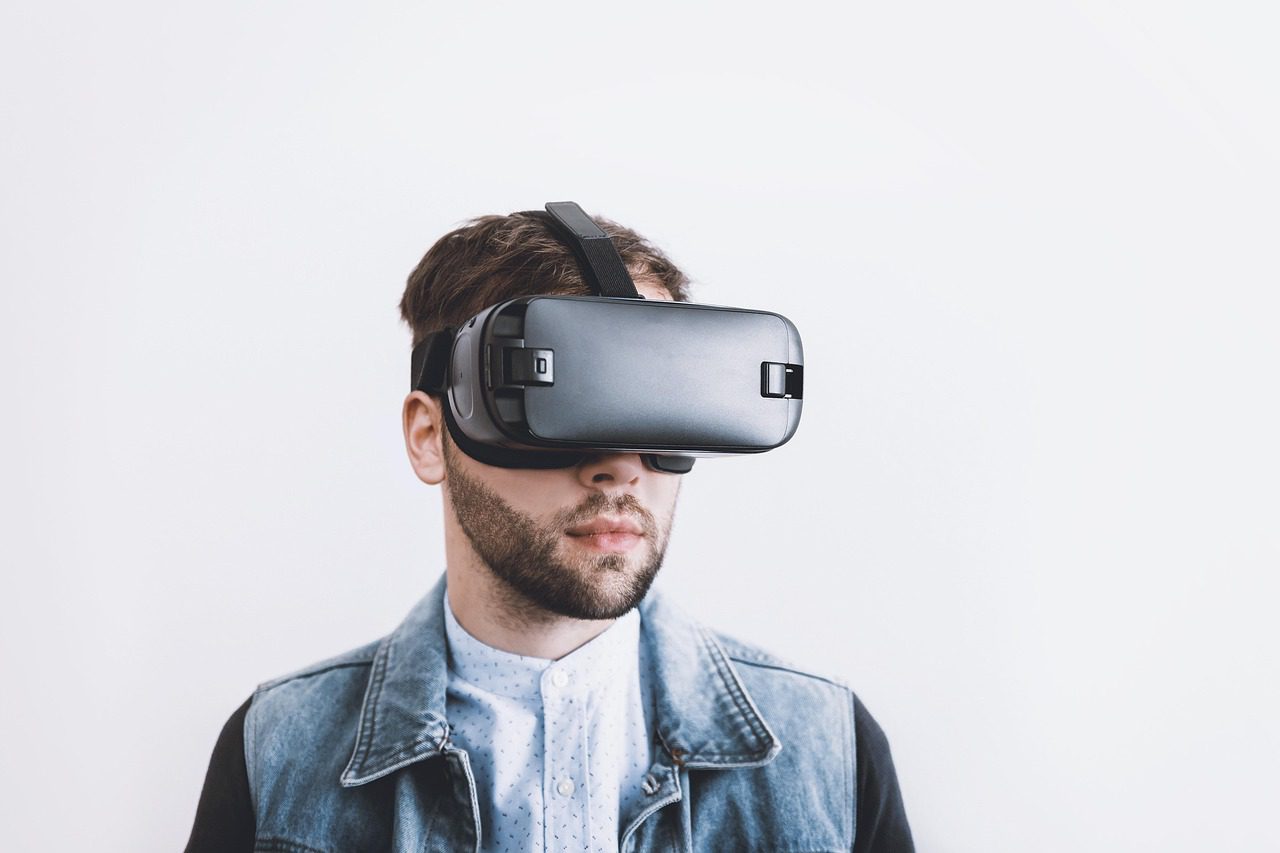
From here on, this guide is about using a virtual influencer as a brand. There are three routes, each with a different rights owner, timeline and budget shape.
| Route | Who owns the rights | Time to launch (indicative) | Control over expression | Cost structure | Suits |
|---|---|---|---|---|---|
| Partner with an existing character | The production or management company | Shortest; set by the owner’s review process | Partial; you work within the character’s world | Per project: fee, production, usage rights | Launches and campaigns that need reach now |
| Build your own | Your company, if the contracts say so | Longest; depends on production method and audience growth | Full | Setup cost, then ongoing monthly production and operation | Brands that want a long-term, owned face |
| Use a character you already own | Your company | Short, if the character’s rules are already written | Full, within your global brand rules | Mainly ongoing content and community management | Brands with an existing mascot or character |
Partner With an Existing Virtual Influencer
You ask a character that already has followers to post about your product, appear in your ad or attend your event. It is the fastest route, because the audience exists and the production team knows how to make the content.
The trade-off is control. The character has a personality and a world its owner protects, so your message has to fit them. You will not get to make the character say everything you want. The next section, on partnering with an existing virtual influencer, covers how to choose one and what the deal includes.
Build Your Own
You commission a character made only for your brand. You can own the rights and decide everything it says and does, and it never works for a competitor.
In exchange, you start with zero followers. Building an audience takes steady posting over a long period, and results arrive slowly. The section on building your own virtual influencer sets out the team, the cost structure and why many brand-owned personas stall.
Put a Character You Already Own on Social
If your brand already has a mascot or character, giving it a Japanese social media presence is usually the lightest route. The design, rights and recognition exist; what you add is a voice and a posting rhythm. The role of mascots in Japanese ads is covered in our guide to Japanese advertising.
Three operational questions decide whether it works. Who sets the character’s Japanese voice: its speech style, level of politeness and catchphrases? How far may the Japanese version depart from the global character bible, and who approves exceptions? And who replies to comments, in character, and how quickly? Settle these before the first post. This route covers characters you own; using another company’s anime characters is a licensing matter, covered in our guide to anime marketing.
Partnering With an Existing Virtual Influencer
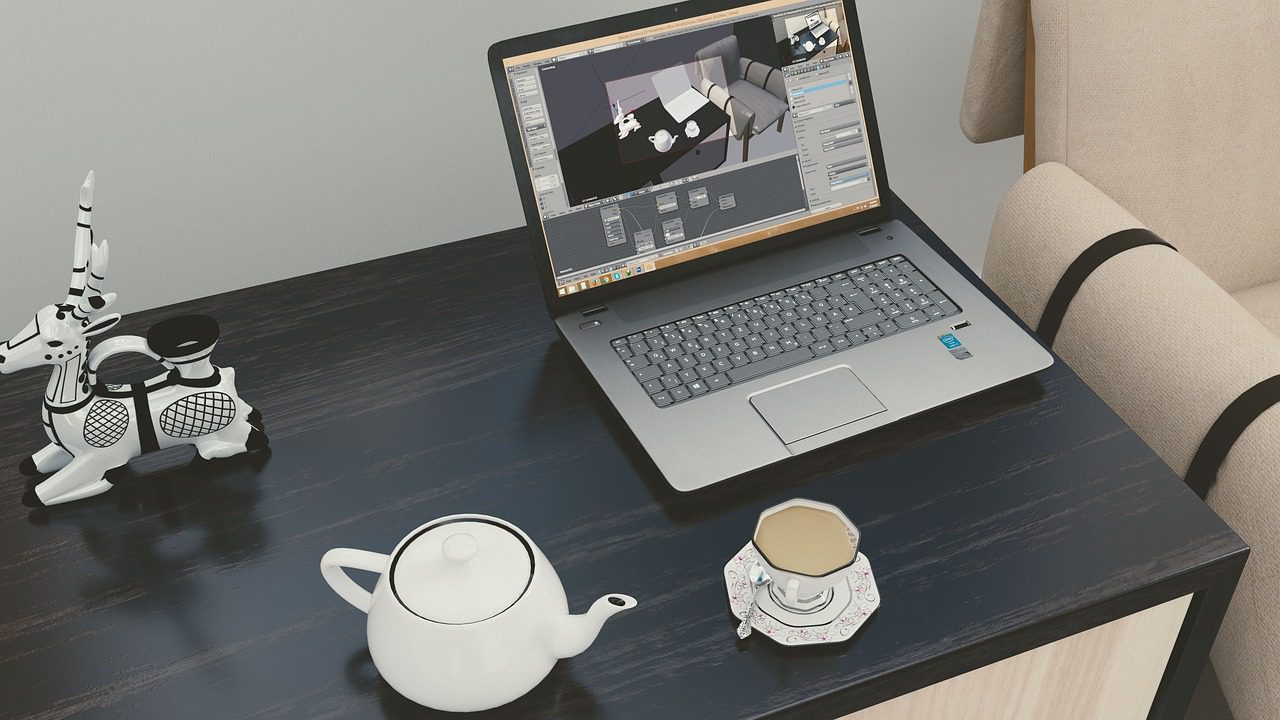
Working with an established character is closer to licensing than to booking a creator: the process runs through the company that owns it, and the deal defines what you may do with the content afterwards.
Who Owns the Character and Who You Contact
The rights to a virtual influencer sit with the company that produces or manages it, and that company is your point of contact. Many publish a business inquiry form or email address on their corporate site.
Start with that official inquiry channel rather than a direct message to the character’s account; the social account is the character’s stage, not its business desk. Plan the schedule around supervision: the owner will review your script, poses and captions to keep the character consistent, and that review usually takes longer than a human creator’s approval.
Choosing One: Fit and Audience Country Breakdown
Judge fit first: does the character’s world have room for your product, and how have its past brand collaborations looked? Natural-feeling past sponsored posts matter more than follower count.
Then ask for the audience country breakdown, the share of followers by country. Some virtual influencers created in Japan post mainly in English and have large audiences outside Japan, so a Japanese origin does not guarantee Japanese followers. If your goal is Japanese consumers, check the Japan share before anything else, and look at the comments: are people replying in Japanese? To browse candidates, see our roundup of virtual influencers in Japan.
What the Deal Covers
A deal can cover social posts, an appearance in your advertising, an event appearance, or use of the character on your products. Each needs its own scope: channels, period, territories and the number of revisions.
Agree in writing who owns the finished content and whether you may reuse it in paid advertising, and for how long. Reuse rights are often priced separately from the original work. Our guides to influencer whitelisting in Japan and influencer contracts in Japan explain how usage rights are structured.
Building Your Own Virtual Influencer
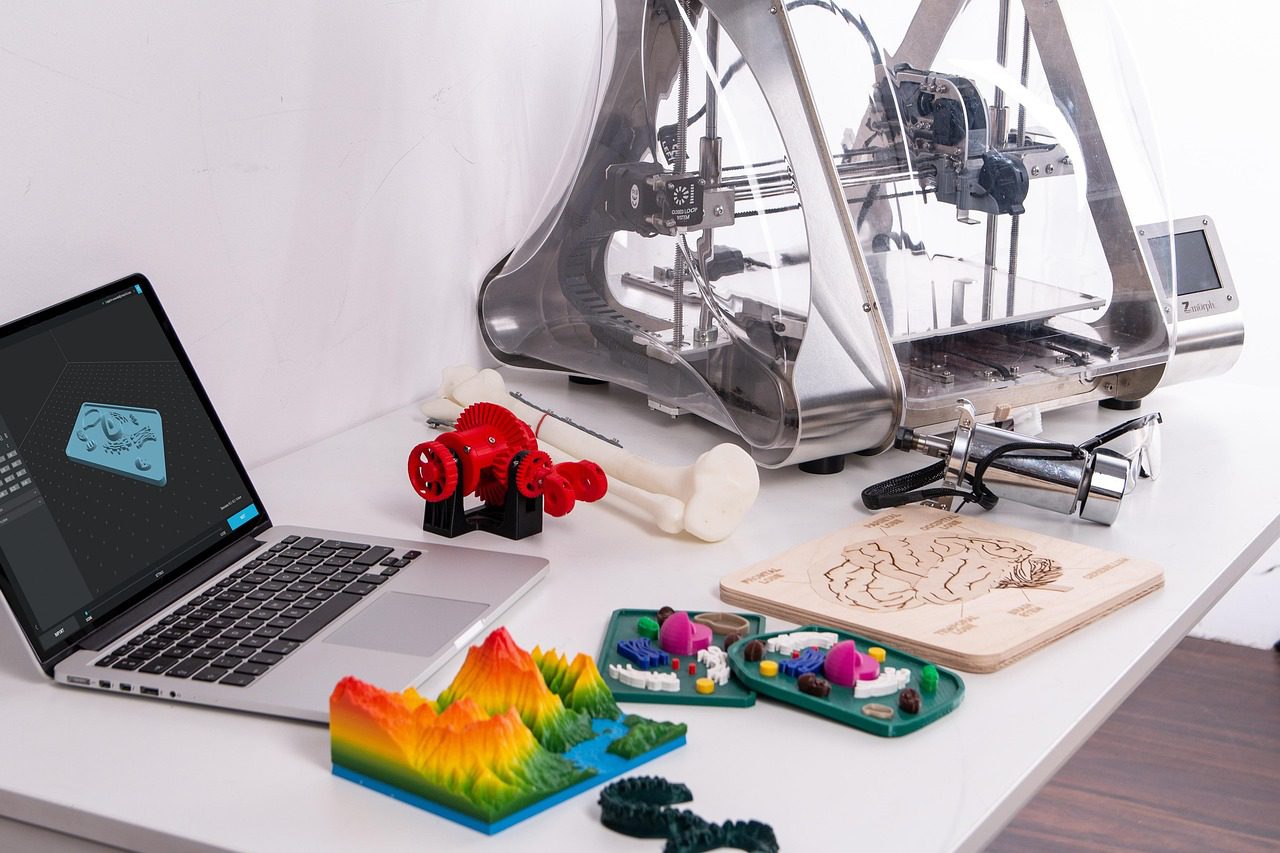
Creating a virtual influencer is the easy part. Keeping it posting in good Japanese, week after week, is where the work and cost sit, so plan the team before the character.
| Stage | Who usually does it | What keeps it going |
|---|---|---|
| Character design (personality, world, way of speaking) | Brand team with a creative agency | A written character bible that new staff can follow |
| Visual production | 3D artists, illustrators or a generative AI specialist | A repeatable production pipeline and model files you own |
| Post production and scheduling | Social media team or agency | A content calendar and a monthly production budget |
| Japanese copy and voice | Native Japanese writer | A style guide for the character’s Japanese |
| Community management | Japanese-speaking moderator | Reply rules, escalation steps and the authority to respond quickly |
The Team Behind a Persona
A virtual influencer needs four kinds of work. Someone defines who the character is: personality, backstory, values and way of speaking. Someone makes the visuals, through 3D CGI, illustration or generative AI. Someone plans, produces and publishes the posts. And for Japan, a native writer checks every line. Studios and artists who can build the visuals are listed in our roundup of Japanese digital artists and 3D animators.
The Japanese voice is the part brands most often underestimate. A character whose captions read like a translation loses credibility at once, however good the visuals are, so treat the character’s Japanese as part of its design rather than a final translation step.
Timeline and the Cost Structure
Costs come in two layers. The setup layer is the character design and the first visual assets. The ongoing layer is monthly: post production, Japanese copywriting, community management and any paid promotion to grow the audience. The ongoing layer usually decides the total, because it continues for as long as the character exists.
Timelines depend on how often the character posts and how each post is made; a 3D-rendered photo takes longer than an AI-assisted image. Plan in quarters, not weeks. How quotes for creative work are built, with reference figures, is set out in our guide to influencer marketing costs in Japan.
hotice is a cross-border influencer marketing agency helping overseas brands enter Japan. We handle casting, negotiation, Japanese-language contracts, and ad-disclosure compliance.
Tell us your category, budget range, and timing. We will take it from there.Why Most Brand-Owned Personas Stall
The failure patterns are predictable, and each has a fix:
- The launch uses up the budget. The character is unveiled, then posting slows because no money was set aside for month four. Fix: secure the ongoing budget for at least a year before you commission the design.
- Followers do not come. A new account with no performer and no existing fans grows slowly on organic reach. Fix: plan paid promotion and collaborations with established creators from the start.
- Approvals slow every post. When each caption goes to headquarters for sign-off, the character cannot react to trends or comments. Fix: write clear rules, then give the local team the authority to publish within them.
Risks and Rules for Virtual Influencers in Japan

Three risks matter: disclosure rules that apply whether or not the influencer is human, trust issues specific to synthetic personas, and attention that never turns into sales.
Disclosure Still Applies, and the Advertiser Is Liable
A character’s post is treated like a person’s. If you pay for it, or provide products while asking for or expecting a post, it is your representation as the business, and Japan’s stealth marketing rule under the Act against Unjustifiable Premiums and Misleading Representations, in force since 1 October 2023, requires it to be clearly marked as an ad. The responsibility for disclosure sits with the advertiser, not with the character’s owner. Our guide to Japan’s stealth marketing regulation explains what counts.
A character you own is your own advertising by definition, so make the operator clear: state your company name in the profile.
AI-Generated Personas, Likeness, and Audience Trust
The biggest trust risk is letting people believe a generated persona is a real person. Consider stating plainly that the character is virtual or AI-generated. Japanese attitudes leave room for this: in a hotice survey of 149 Japanese social media users, published in September 2025, 57.1% had no particular concern about influencers using AI-generated content, 23.8% felt favorable and 19.1% felt distrust. When content was labeled as AI-generated, 57.8% said their impression did not change and 13.6% said it worsened. The questions were about AI content, not virtual personas, so read this as direction only. The full results are in our survey on AI-generated content and influencer marketing in Japan.
A second risk is resemblance. A generated face that looks like a real celebrity, model or private individual can raise portrait rights and publicity rights issues; Japan’s Supreme Court recognized the right of publicity in a February 2012 ruling. Check the source of reference images and whether the result resembles anyone, and have a specialist in Japanese law review the character before launch.
Platform rules change often. As of October 2026, TikTok requires creators to label AI-generated or significantly edited content showing realistic scenes or people, and YouTube requires disclosure of realistic altered or synthetic content. Instagram asks profiles that feature an AI-generated person to turn on its “AI-generated profile” label, and unlabeled profiles it detects can lose eligibility for recommendations. For AI in Japanese marketing more broadly, see our guide to AI marketing in Japan.
Attention That Does Not Convert
Virtual influencers attract curiosity and press coverage, but that attention converts to sales less readily than a trusted human recommendation. Our VTuber guide lists low engagement as the main risk of virtual influencers for the same reason: a produced persona can read as an advert.
Measure accordingly. Reach and impressions flatter a virtual campaign; saves, branded searches and inquiries tell you whether it is working.
Virtual or Human: Choosing for Your Campaign

Choose by objective, not by novelty. The table compares virtual influencers, VTubers and human creators on the goals brands bring to Japan.
| Objective | Virtual influencer | VTuber | Human creator |
|---|---|---|---|
| Keep full control of the brand’s world | Strong | Limited; the performer speaks in their own voice | Limited; set through the brief |
| Make a convincing case from first-hand use | Weak | Medium; can try games, apps and snacks on stream | Strong |
| Build a long-term brand face | Strong, if owned and funded | Medium; tied to an agency and a performer | Medium; ambassador contracts end |
| Drive purchases in the short term | Weak | Medium | Strong |
| Reach anime and gaming fans | Medium, for anime-style characters | Strong | Medium; depends on the creator’s niche |
When a Virtual Influencer Wins
A virtual influencer makes sense when you need complete control of what is said and shown, want the same face for years, or need to remove the risk of a spokesperson’s personal scandal. It also suits visual products, such as fashion, design and technology, where the image carries the message.
It is weaker when the post needs to say “I tried this and here is what happened.” A virtual character describing how a moisturizer felt on its skin rings false, and that is where human creators take over.
When a Human Creator Wins
Human creators win wherever first-hand experience is the argument: cosmetics, food, home appliances and anything with a texture, taste or learning curve. They are also the better tool for campaigns that must move sales within weeks. Japanese consumers tend to research before they buy, and the voice of someone who has used the product is what they look for. Smaller creators with close audiences are often the most efficient way in; our guide to micro-influencers in Japan explains how to choose them.
If your goal is reaching a fan community, add VTubers to the comparison, using our guide to VTuber marketing in Japan. Casting human creators for overseas brands is the core of what hotice does, and many brands end up combining an owned character with human creators who supply the first-hand proof.
FAQ
What is a virtual influencer?
A virtual influencer is a fictional character that runs a social media account like a human creator, with no live performer behind it. A production team designs the character and produces every post, image and video. There are three broad types: CGI personas that look like real people, anime-style characters, and avatars made with generative AI. See the section on what a virtual influencer is for a comparison of the three types.
What is the difference between a virtual influencer and a VTuber?
A VTuber is a human performer behind an animated avatar who streams live and reacts in real time. A virtual influencer has no live performer; a production team creates its posts in advance. For brands, the trade-off runs in opposite directions: a virtual influencer gives you far more control over what is said, while a VTuber usually generates stronger interaction because a real person is talking to the audience. Our guide to VTuber marketing in Japan compares the two in detail.
How do brands work with virtual influencers?
Brands take one of three routes: partner with an existing virtual influencer, build their own character, or bring a character they already own onto social media. Partnering with an existing character is the fastest, because its audience exists. Using a character you already own is usually the lightest, because the design and rights are in place. Building your own gives full control but needs the most time and the longest commitment. The section on the three ways a brand can work with a virtual influencer compares them.
How do I contact a virtual influencer in Japan?
Contact the company that produces or manages the character, through its official business inquiry channel. That company owns the rights, negotiates the deal and approves every post. A direct message to the character’s social media account is generally not a business channel and may go unanswered. Allow extra time in the schedule for the owner’s review of your creative. See the section on who owns the character and who you contact.
Do virtual influencer posts need an ad label in Japan?
Yes, on the same terms as human creators. If you pay for a post, or provide products while asking for or expecting one, the post is your representation as the business and must be clearly marked as an ad under Japan’s stealth marketing rule, in force since 1 October 2023. The responsibility for disclosure sits with the advertiser. If the character is your own, also make your company visible as its operator, for example in the profile. Our guide to Japan’s stealth marketing regulation explains the details.
Can I create a virtual influencer with AI?
Yes. Generative AI makes it much faster to create a realistic persona, but it does not solve the harder parts: posting consistently, writing natural Japanese and earning audience trust. Consider stating clearly that the character is AI-generated, and check each platform’s labeling rules, since TikTok and YouTube require disclosure of realistic synthetic content and Instagram has a label for profiles that feature an AI-generated person. Make sure the face does not resemble a real person, which can raise portrait and publicity rights issues in Japan. See the section on AI-generated personas, likeness and audience trust.
Will virtual influencers replace human influencers?
Not on current evidence. Virtual influencers will be used alongside human creators, not instead of them. A virtual character suits always-on brand presence and tightly controlled messaging, while human creators remain essential wherever the argument is first-hand experience, such as cosmetics, food and appliances. Japanese buyers look for the voice of someone who has used a product. The section on choosing between virtual and human creators sets out which suits each campaign objective.
Methodology and Data Sources
Named characters were checked against their producers’ official sites. The hotice survey (n=149) was published in September 2025 and does not state fieldwork dates. We found no primary source for a Japanese virtual influencer market size, so none is given. Character profiles are in our separate roundup. Sources were checked on 21 October 2026.
- imma and Aww Inc.: Aww Inc. official site, https://www.aww.tokyo/
- Shudu and The Diigitals: The Diigitals official site, https://www.thediigitals.com/
- Stealth marketing rule, in force 1 October 2023; advertiser as the regulated party: Consumer Affairs Agency, https://www.caa.go.jp/policies/policy/representation/fair_labeling/stealth_marketing
- Attitudes to AI-generated content (n=149): hotice, https://hoticeglobal.com/blog/trends/ai-content-influencer-marketing-japan-survery/ (published September 2025)
- Right of publicity, Supreme Court ruling of 2 February 2012: Business Lawyers, https://www.businesslawyers.jp/practices/1480
- TikTok AI-generated content labeling: TikTok Community Guidelines, https://www.tiktok.com/community-guidelines/en/integrity-authenticity
- YouTube altered or synthetic content disclosure: YouTube Help, https://support.google.com/youtube/answer/14328491
- Instagram “AI-generated profile” label (announced 31 August 2026): Instagram Creators, https://creators.instagram.com/blog/ai-generated-profile-label
If you have weighed the options and decided human creators fit your campaign better, or you want help working out how an existing character could work in Japan, our comparison of influencer marketing agencies in Japan sets out what to ask before you sign.
Supervised by the hotice Editorial Team, specialists in helping global brands enter the Japanese and Asian markets through influencer marketing. Last updated: October 2026.
Pricing, past campaigns, and how contracts and ad-disclosure compliance are handled from start to finish. Ask us anything before you commit to a budget.
Overseas brands welcome. We work in English, Japanese, Chinese, and Korean.