Japanese Advertising and Commercials: What Makes Them Different and How to Adapt
- 1. What Makes Japanese Advertising Different
- 1-1. Five Traits You Notice First
- 1-2. Why Japanese Ads Look This Way: Context, Media History, and Regulation
- 2. Japanese Commercials: How TV Ads Are Built
- 2-1. The 15-Second Spot and What Fits in It
- 2-2. Celebrities and Talent: Why Famous Faces Dominate
- 2-3. Series, Humor, and the Commercials Overseas Viewers Share
- 3. Characters, Mascots, and Kawaii in Advertising
- 3-1. Corporate Characters and Yuru-Chara
- 3-2. When Kawaii Works and When It Undercuts You
- 4. Print, Out-of-Home, and Train Advertising
- 4-1. Train and Station Advertising
- 4-2. Flyers, Dense Layouts, and Why More Text Can Sell
- 5. How Japan’s Advertising Spend Is Shifting
- 5-1. Internet Overtook Television: What the Spend Data Shows
- 5-2. Creator Content Is Becoming the New Commercial
- 6. Rules That Shape What Japanese Ads Can Say
- 6-1. Misleading Claims and Comparative Advertising
- 6-2. Category Rules: Cosmetics, Health Foods, and Medical Claims
- 6-3. Disclosure Rules for Creator Advertising
- 7. Adapting Your Advertising for Japan
- 7-1. Localize the Creative, Not Just the Copy
- 7-2. Choosing an Agency or Production Partner
- 7-3. Test With Digital Ads and Creators Before Committing to TV
- 8. Japanese Advertising Worth Studying
- 8-1. Case 1: An Overseas Brand That Localized Its Advertising for Japan
- 8-2. Case 2: A Long-Running Japanese Commercial Series
- 8-3. Case 3: A Campaign That Moved From TV to Creators
- 9. FAQ
- 9-1. Why are Japanese commercials so different?
- 9-2. Why do Japanese commercials use so many celebrities?
- 9-3. Why do Hollywood actors appear in Japanese commercials?
- 9-4. How much do Japanese companies spend on TV versus online ads?
- 9-5. What can’t you say in a Japanese advertisement?
- 9-6. Can a foreign brand run its global ads in Japan?
- 9-7. How do I choose an advertising agency in Japan?
- 10. Methodology and Data Sources
TL;DR: Japanese advertising tends to win memory through mood and through who appears, more than through argument or product detail. Two forces explain much of it: a TV culture built on 15-second spots, and strict rules on efficacy and comparison claims. Spend has now shifted to the internet, and creators are taking over part of the job commercials once did.
Pricing, past campaigns, and how contracts and ad-disclosure compliance are handled from start to finish. Ask us anything before you commit to a budget.
Overseas brands welcome. We work in English, Japanese, Chinese, and Korean.Celebrities in every other commercial, mascots everywhere, flyers packed with prices. Japanese advertising looks different, and the differences are not random.
The first half of this guide explains what defines Japanese ads and commercials and why; the second half is for brands that need to adapt their own advertising. For the wider picture of how overseas brands reach Japanese consumers through creators, see our overview of influencer marketing in Japan.
What Makes Japanese Advertising Different
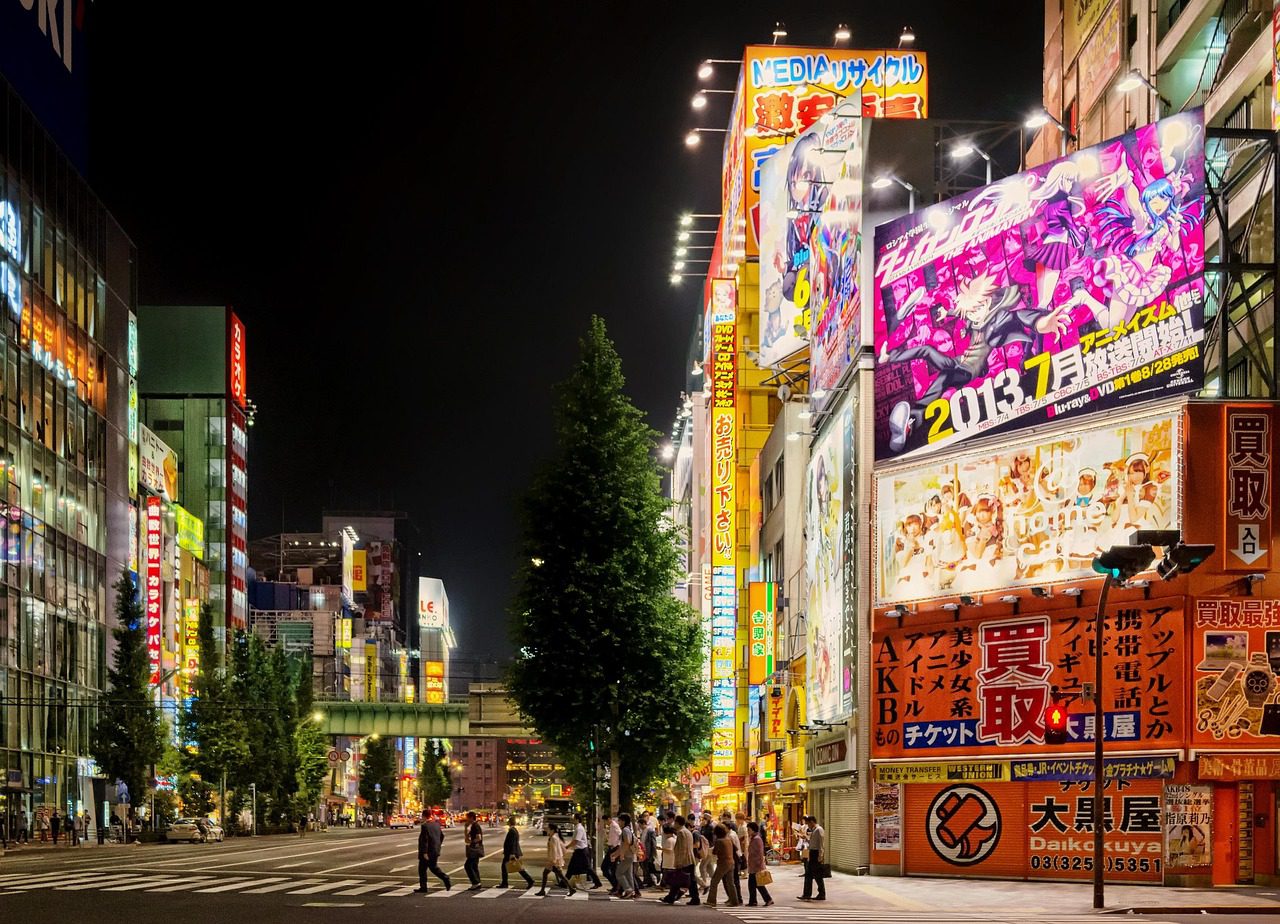
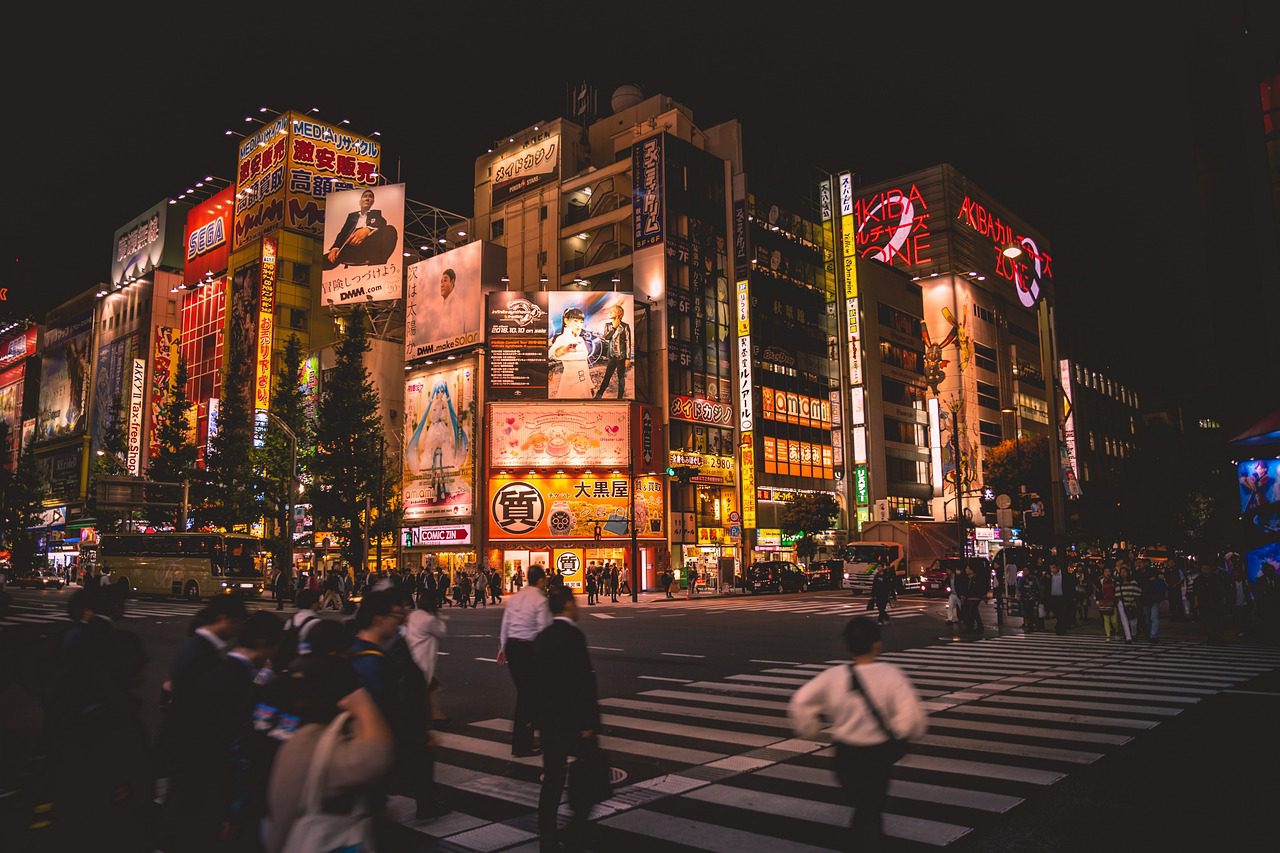
Japanese advertising leans on emotion, atmosphere and familiar faces rather than argument. A typical TV commercial is short, features a celebrity or a character, and aims to leave a name and a feeling rather than reasons to buy. Print and web advertising, by contrast, often carries far more detail than overseas readers expect.
These are tendencies, not rules, but they are consistent enough that overseas creative often feels out of place in Japan when it runs unchanged.
| Dimension | Japan (common tendency) | US and Europe (common tendency) |
|---|---|---|
| Main appeal | Mood, familiarity, trust in who appears | A clear benefit or argument |
| Who appears | Celebrities, talent and characters | Celebrities in some campaigns; real customers and unknown actors are common |
| TV spot length | 15 seconds is the base unit for spot buying | Longer formats are more common |
| Amount of information | Short on TV; dense in flyers, print and web pages | Fewer words per ad across most media |
| Comparative advertising | Allowed under conditions, but seen relatively rarely | More common, especially in the US |
Five Traits You Notice First
- Celebrities and talent. Actors, musicians, comedians and athletes front a large share of TV commercials, often for several brands at once.
- Characters and mascots. Companies, products and local governments use characters as their public face, sometimes for decades.
- Emotion over logic. Many commercials sell a feeling, a joke or a small story, and the product appears almost at the end.
- Dense layouts. Flyers, print ads and many web pages fill the space with prices, details and badges instead of leaving white space.
- Seasonal and limited offers. Advertising follows the calendar closely, with seasonal flavors and limited editions. Our guide to Japanese marketing techniques covers how brands use scarcity and the seasons.
Why Japanese Ads Look This Way: Context, Media History, and Regulation
Context. Japanese communication tends to rely on shared context. An ad need not spell out every claim if the viewer trusts the person delivering it, and implication often works better than insistence.
Media history. For decades, television was the center of Japanese advertising, and airtime was bought in short units. A format built around 15 seconds rewards instant recognition over argument, and habits formed on TV still carry over online.
Regulation. Japanese law and broadcasters’ own standards limit what an ad can claim about efficacy, superiority and price. When you cannot say much about what a product does, who says it and how it feels matter more. The section on rules that shape what Japanese ads can say explains these limits in detail.
Japanese Commercials: How TV Ads Are Built
Japanese TV commercials are built around three things: a short length, a familiar face and repetition over time.
The 15-Second Spot and What Fits in It
Japanese broadcasters sell two main kinds of commercial airtime. Time commercials are tied to sponsoring a program, and TV Tokyo’s FY2026 sales guide describes a 30-second slot with the sponsor’s name shown at the start and end of the program as the most common form. Spot commercials run between programs, in 15- or 30-second lengths, and the same guide defines the basic unit price of a spot as the cost of airing one 15-second commercial once.
Fifteen seconds is enough for a name, a face, a line and a feeling, not for an argument. So Japanese commercials are designed to be remembered rather than understood: a recognizable actor, a jingle, a catchphrase and the brand name. The message builds across many airings.
Celebrities and Talent: Why Famous Faces Dominate
A famous face solves the 15-second problem. Viewers already know and trust the person, so the brand borrows awareness and credibility in the first second instead of building them from scratch.
A research firm, CM Soken (CM Research Institute), even ranks commercials by how much viewers like them, and brands publicize the results: KDDI announced that au had topped CM Soken’s ranking of 7,591 brands for the year to October 2015, and topped it again the following year.
Japan is also known for Hollywood actors in its commercials. The best-documented case is Suntory’s BOSS canned coffee, whose ads have starred Tommy Lee Jones as an alien studying life on Earth since April 2006. A common explanation is that actors can work in Japan without it shaping their image at home, though this is not a documented rule. Whether celebrity casting pays off for a given brand is a separate question, discussed in our guide to Japanese marketing techniques.
Series, Humor, and the Commercials Overseas Viewers Share
Many Japanese brands run commercials as a series: the same cast and setting, a new episode every few months. Viewers follow the characters for years, so recognition accumulates, and each new episode becomes news. The clips that circulate overseas as “weird Japanese ads” are sometimes episodes of such series, whose running jokes make sense to viewers who saw the earlier ones. Case 2 looks at one series in detail.
Music plays a similar role. Brands often pair a commercial with a song, either an artist’s release or a song written for the ad, so that the tune and the product are remembered together. KDDI noted in 2016 that songs from its au commercials, “Umi no Koe” sung by the character Urashima Taro and “Minna ga Minna Eiyu” sung by the singer AI, had been released as tracks. KFC Japan’s 2025 Christmas commercial used Mariya Takeuchi’s “Suteki na Holiday”.
Characters, Mascots, and Kawaii in Advertising
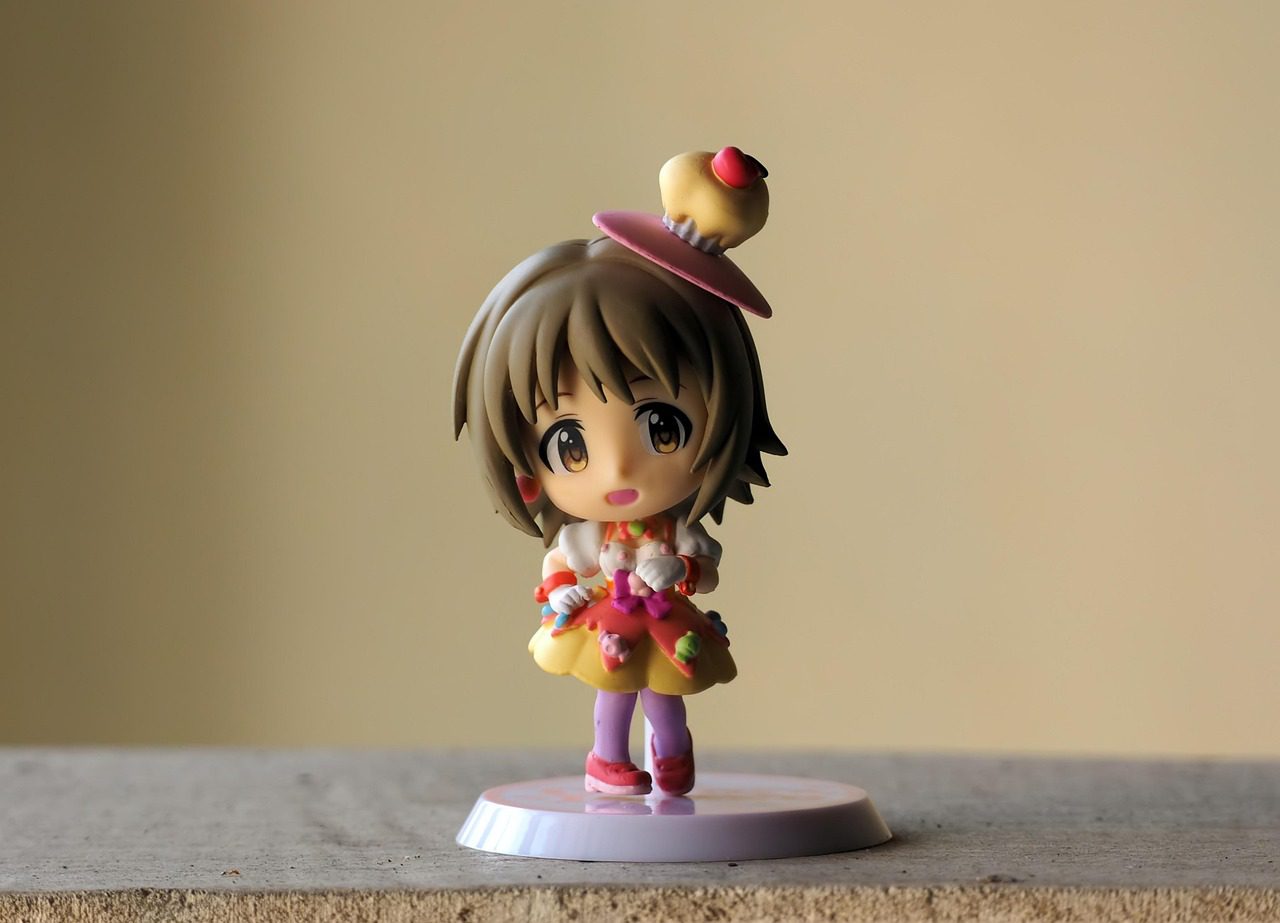
Characters are one of the most distinctive features of Japanese advertising. Companies, products, public bodies and whole regions use them as a face that viewers recognize and grow attached to.
Corporate Characters and Yuru-Chara
Corporate characters are brand assets. A company keeps a mascot for years, sometimes decades, adjusting its look while keeping its personality, and uses it on packaging, in commercials, in stores and on social media.
Yuru-chara, literally “loose characters”, are the mascots created by local governments and regions to promote tourism and local products. They are deliberately simple and a little awkward, which is part of their charm. The best known is Kumamon, the bear mascot created by Kumamoto Prefecture in 2010. Its lessons are structural rather than creative: consistent personality, wide permission to use the character, and a tie to a place. Our guide to Japanese marketing culture has a full case study on what Kumamon teaches.
When Kawaii Works and When It Undercuts You
Kawaii, or cuteness, works when the brand wants to feel approachable. Daily goods, food and drink, services and local promotion benefit from a friendly character, which makes repeated exposure pleasant rather than tiring.
It can work against you when the product is sold on status or expertise. A luxury brand risks looking cheap, and a finance or medical brand risks looking unserious. In these categories, keep cuteness in a supporting role, such as a seasonal campaign.
Borrowing an existing anime or manga character is a different decision, with licensing and approval processes of its own. Our guide to anime marketing explains how those collaborations work.
Print, Out-of-Home, and Train Advertising
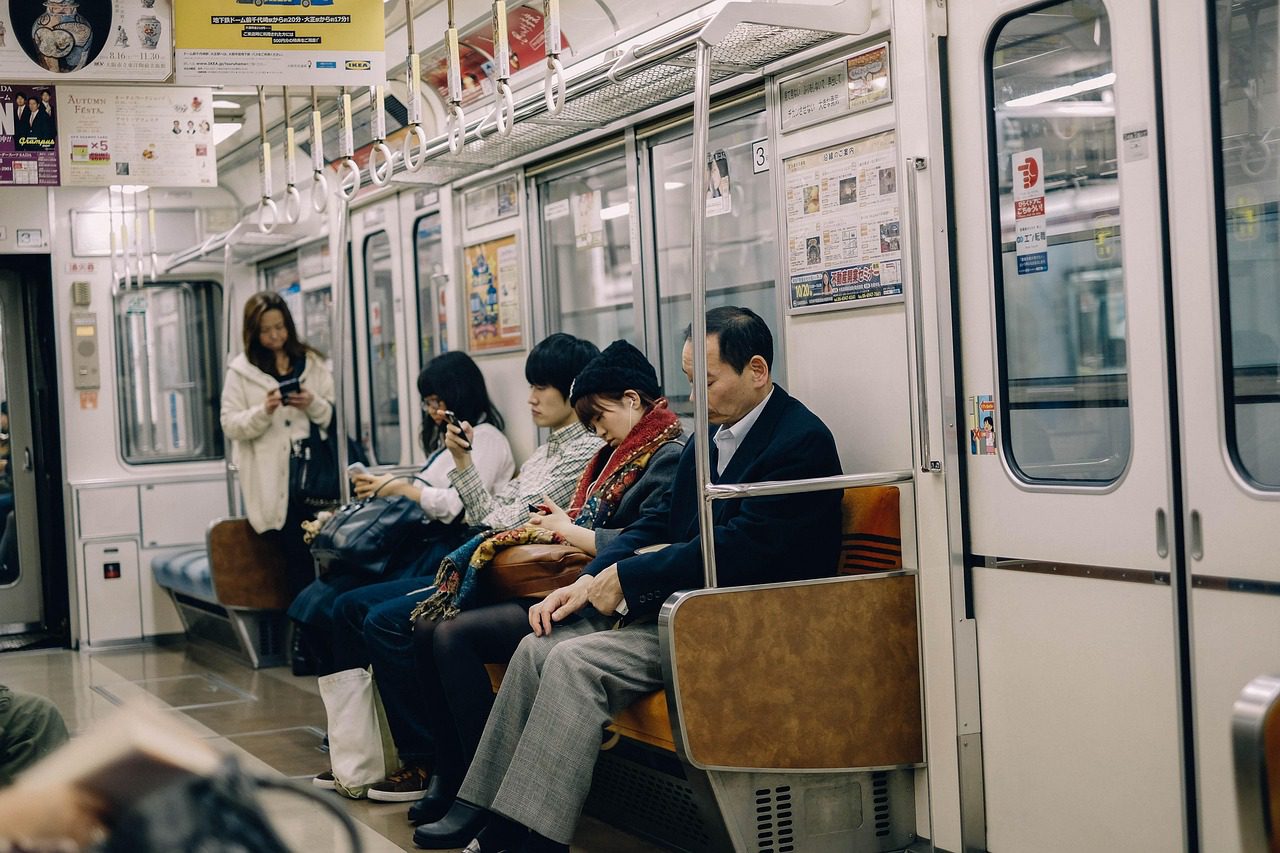
Outside television, the advertising visitors notice most is on trains, in stations, on street screens and in flyers. Dentsu groups these as promotion media, and their trends have diverged.
| Medium | Where you see it | What it suits | Recent change (Dentsu, 2025) |
|---|---|---|---|
| In-train ads | Posters and screens inside carriages | Detailed messages for commuters with time to read | Transit advertising grew 8.6% to 173.6 billion yen, lifted by inbound tourism and new station digital signage |
| Station posters and signage | Platforms, concourses and passageways | Launches and area takeovers on busy routes | |
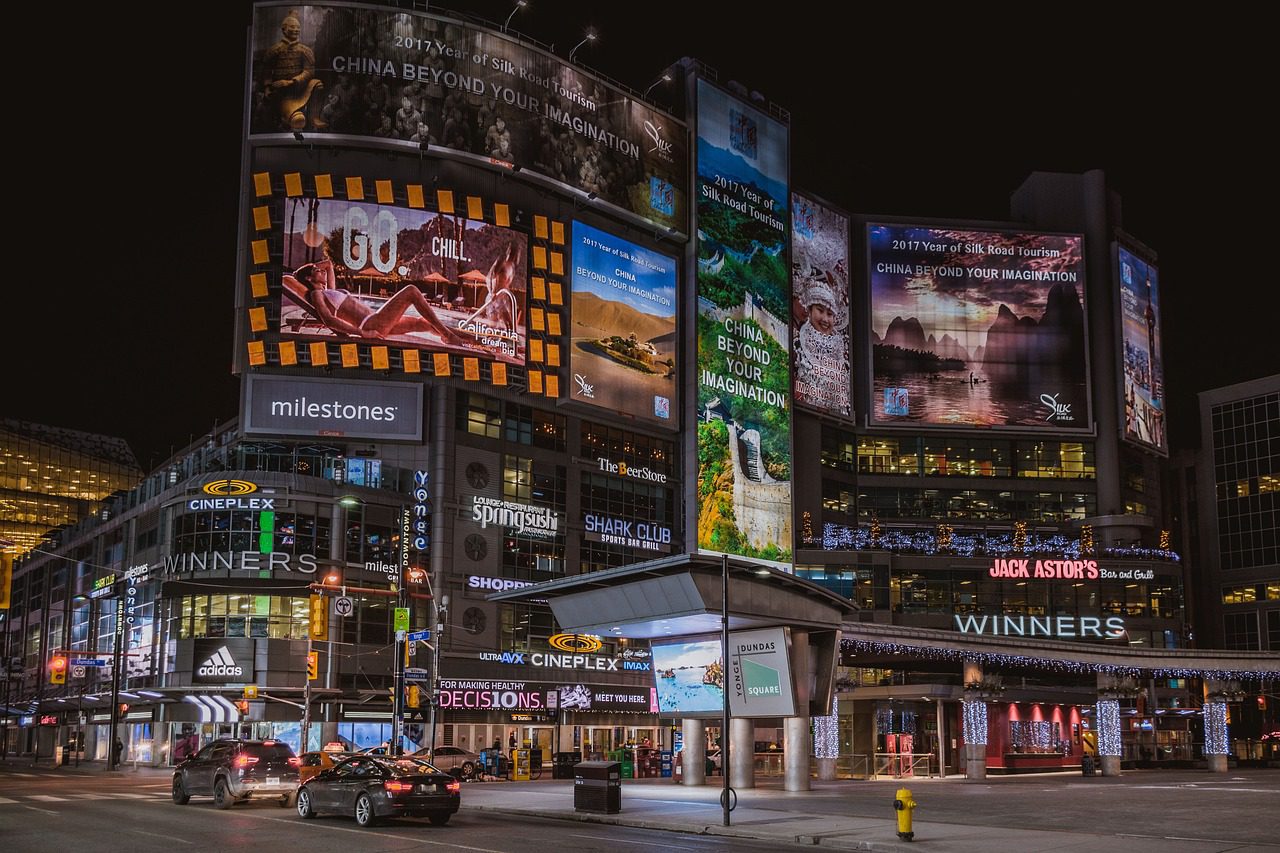
| Street screens and outdoor | Large screens and billboards in shopping districts | Awareness and spectacle in high-traffic areas | Outdoor advertising grew 5.3% to 304.2 billion yen, led by beverages and telecoms |
| Newspaper inserts (flyers) | Delivered inside newspapers to homes | Local retail, prices and weekly offers | Fell 3.6% to 235.4 billion yen as subscriptions declined |
| Free papers and magazines | Racks in stations and stores | Local listings, jobs and services | Fell 19.1% to 105.6 billion yen as titles closed |
Train and Station Advertising
In Tokyo, Osaka and other large cities, many people commute by train every day, often for a long time, which makes trains and stations a reliable way to reach working adults. Brands sometimes take over every ad in a carriage or station passage at once. The medium is moving from paper to screens: Dentsu reported many new large digital signage installations in stations in 2025, particularly in Kansai around Expo 2025. Passengers also see the same ad for minutes at a time, which is one reason text-heavy formats work in carriages.
Flyers, Dense Layouts, and Why More Text Can Sell
Newspaper insert flyers, or chirashi, are packed with products, prices and conditions, and many Japanese landing pages follow the same logic with long specifications, badges, reviews and FAQs. To overseas eyes this looks cluttered. For many Japanese shoppers, though, detail can signal sincerity: a brand that shows everything appears to have nothing to hide. It is a tendency, not a law, and premium brands often use minimal design. But if your Japanese landing page is much shorter than your competitors’, test whether it is losing shoppers who wanted more.
Advertising that people experience in the street, rather than read, is a separate format. Our guide to ambient marketing in Japan covers it.
How Japan’s Advertising Spend Is Shifting
From here on, this guide is for brands planning to advertise in Japan. The first question is where the money goes. According to Dentsu’s “2025 Advertising Expenditures in Japan”, released on 5 March 2026, total advertising spend reached a record 8.0623 trillion yen, up 5.1%, and internet advertising took 50.2% of it, a majority for the first time.
| Media group (billion yen) | 2019 | 2024 | 2025 |
|---|---|---|---|
| Television (terrestrial and satellite) | 1,861.2 | 1,760.5 | 1,755.6 |
| Newspapers and magazines | 622.2 | 459.6 | 427.1 |
| Internet | 2,104.8 | 3,651.7 | 4,045.9 |
| Promotion media | 2,223.9 | 1,685.0 | 1,718.4 |
| Total | 6,938.1 | 7,673.0 | 8,062.3 |
Source: Dentsu, “Advertising Expenditures in Japan”. Radio is in the total but not shown. Dentsu added new categories, such as e-commerce platform ads, from 2019, so earlier years are not directly comparable.
Internet Overtook Television: What the Spend Data Shows
Dentsu groups advertising into three blocks: the four mass media (newspapers, magazines, radio and television), internet advertising, and promotion media such as outdoor, transit, flyers, direct mail, point-of-purchase and events. Internet advertising passed television for the first time in 2019, at 2.1048 trillion yen against 1.8612 trillion yen. By 2025 it had reached 4.0459 trillion yen, while television media held at 1.7556 trillion yen, roughly a fifth of the total.
Dentsu credits much of the recent online growth to video, including vertical video ads on social platforms and ads on connected TVs. Television has not collapsed; its spend has been broadly flat for years. What changed is its role: it is now one part of a plan rather than the plan itself. Where the social spend goes, platform by platform, is covered in our guide to social media in Japan.
Creator Content Is Becoming the New Commercial
The job celebrities do in TV commercials, lending trust and awareness in seconds, is increasingly done by creators on social platforms. A creator a viewer follows plays the part a familiar actor plays in a commercial, in a format the viewer chose to watch.
For an overseas brand, this is often the more practical way in, with far shorter lead times than TV. Before you book anyone, check the creator’s audience country breakdown. An ad aimed at Japan needs a creator whose followers are mostly in Japan, and some popular Japanese creators have large audiences abroad. Our overview of influencer marketing in Japan explains how these campaigns are planned.
Rules That Shape What Japanese Ads Can Say

Law sets what is prohibited; broadcasters and industry bodies add their own standards on top. This section explains the structure, not how any rule applies to a specific ad, so have a specialist in Japanese advertising law review real campaigns.
| Rule | What it mainly restricts | Who it applies to | Effect on advertising |
|---|---|---|---|
| Premiums and Representations Act | Claims that overstate quality, price or terms | The advertiser | Superiority and price claims need evidence |
| Pharmaceuticals and Medical Devices Act | False or exaggerated claims for drugs, cosmetics and devices | Anyone, including creators and agencies | Cosmetic claims limited to an approved list |
| Health Promotion Act | Grossly misleading health claims for foods | Anyone advertising a food | No promises of cures or dramatic effects |
| Stealth marketing rule (October 2023) | Advertising disguised as independent opinion | The advertiser | Sponsored posts must be labeled |
| JBA broadcasting standards | Misleading, disparaging or superlative expressions | Member broadcasters, for ads they accept | Commercials may need changes to air |
| Broadcaster ad review (kosa) | Compliance with law, JBA standards and house rules | Every commercial submitted | Scripts and films checked before airing |
| JARO (Japan Advertising Review Organization) | Complaints about ads | Ads in any medium | Self-regulatory review and requests to improve |
Misleading Claims and Comparative Advertising
Japan’s Act against Unjustifiable Premiums and Misleading Representations (the premiums and representations law) prohibits claims that make a product’s quality, price or terms look better than they are. Claims such as “number one” or “lowest price” need solid evidence. Our guide to Japan’s premiums and labeling law covers the act in more detail.
Comparative advertising is not banned. Under the Consumer Affairs Agency’s guidelines, it must meet three conditions: the claim is objectively substantiated, figures and facts are quoted accurately, and the method of comparison is fair. In practice, direct comparisons remain relatively rare.
Television adds another layer. The JBA’s broadcasting standards, last revised in May 2023, say ads must not mislead viewers or disparage others, even with true statements, and should in principle avoid superlatives. Each broadcaster then reviews commercials before airing; a 2026 announcement by Tokyo broadcaster TOKYO MX and the IT company FIXER describes this review as checking against the Broadcast Act, the JBA standards and the premiums and representations law. A commercial that passes legal review can still be sent back.
hotice is a cross-border influencer marketing agency helping overseas brands enter Japan. We handle casting, negotiation, Japanese-language contracts, and ad-disclosure compliance.
Tell us your category, budget range, and timing. We will take it from there.Category Rules: Cosmetics, Health Foods, and Medical Claims
Under the Pharmaceuticals and Medical Devices Act, cosmetics may only claim effects within a list of 56 efficacy expressions set by the Ministry of Health, Labour and Welfare. The closest one to anti-aging is making fine lines caused by dryness less noticeable. So claims routine elsewhere, such as erasing dark spots or removing wrinkles, generally cannot be made for a cosmetic. Health foods face similar limits under the Health Promotion Act.
Responsibility also differs. The stealth marketing rule and the premiums and representations law place it on the advertiser, but the ban on false or exaggerated advertising in Article 66 of the Pharmaceuticals and Medical Devices Act applies to “any person”, so performers, creators and agencies can be responsible too. For beauty brands, our guide to J-beauty marketing goes further, and our guide to Japan’s e-commerce market lists the categories where claims carry the most risk.
Disclosure Rules for Creator Advertising
Since 1 October 2023, advertising that hides its commercial nature has been regulated under the premiums and representations law, and the responsibility for disclosure sits with the advertiser, not the creator. If you give a creator a product while asking for, or signaling that you expect, a post, including saying you hope to hear their impressions or enclosing a suggested hashtag, the post is your advertising and needs a clear “PR” label. Only posts made with no request or involvement at all may fall outside the rule, so make PR labeling the default for gifting. Our guide to Japan’s stealth marketing regulation sets out what counts.
Running a creator’s post as a paid ad does not change the law; it adds the platform’s ad review and wider exposure, as our guide to influencer whitelisting in Japan explains.
Adapting Your Advertising for Japan

A global campaign can run in Japan, but it rarely works well unchanged.
| Element | Common problem | How to fix it |
|---|---|---|
| Who appears | Unknown faces from the home market carry no trust in Japan | Cast Japanese talent or creators, or let a known local voice introduce the brand |
| Copy | Literal translation sounds stiff, pushy or unnatural | Rewrite in Japanese from the brief, not from the English lines |
| Efficacy claims | Claims allowed at home are not allowed in Japan | Check every claim against Japanese law before production, not after |
| Amount of information | Minimal pages and ads leave careful shoppers without answers | Add specifications, conditions, FAQs and reviews where people research |
| Length | 30- or 60-second stories cut to 15 seconds lose their memorable parts | Build Japanese versions around a face, a sound and the brand name |
| Season | Global timing misses Japanese seasons and events | Plan around the Japanese calendar and seasonal products |
Localize the Creative, Not Just the Copy
People. The face in the ad matters more in Japan than in many markets. If your ambassador is unknown there, add Japanese talent or creators alongside them.
Copy. Translate the brief, not the script. Strong assertions, direct comparisons and commands such as “Stop wasting money” can come across as loud or pushy in Japanese. The usual fix is to show rather than state: demonstrate the product or let a user describe it.
Claims, information, length and season. Check claims before production, since changing them after filming is expensive. Give landing pages more detail and short video less, and plan around the Japanese calendar. For the wider choices on positioning and localization, see our guide to Japan marketing strategy, and for the most common mistakes, including running translated global creative unchanged, our guide to Japanese marketing culture.
Choosing an Agency or Production Partner
Four kinds of partner handle most advertising work in Japan: full-service agencies plan and buy across TV, print, outdoor and digital; digital agencies run search, social and programmatic ads; production companies make the films; and influencer marketing agencies cast and manage creators.
Choose by objective. If television is part of the plan, you will usually need a full-service agency; if your plan centers on digital ads and creators, a digital agency or an influencer agency is usually the better fit. For names, see our list of advertising agencies in Japan; for how to compare and brief them, see our guide to choosing a marketing agency in Japan.
Test With Digital Ads and Creators Before Committing to TV
A TV campaign is a large, slow commitment for a brand still learning the market. Start with digital ads and creator campaigns, and decide in advance what you are testing: which message, which creative format and which audience responds best. Then scale the winners.
Television still has a role. For some brands, appearing on TV signals legitimacy to Japanese consumers in a way online ads cannot; our guide to Japanese marketing techniques discusses when that matters. Budgets for creator work follow a set structure of fees, usage rights, production and agency handling; our guide to influencer marketing costs in Japan explains reference costs and how quotes are put together.
Japanese Advertising Worth Studying
These cases come from company announcements and press coverage. We found no published sales results for them, so we do not estimate any.
Case 1: An Overseas Brand That Localized Its Advertising for Japan
KFC Japan and Christmas. What it expressed: KFC, an American brand, attached itself to a Japanese seasonal occasion. KFC Japan’s company history records its first store in Nagoya in November 1970, TV commercials from October 1973 and its first Christmas campaign in December 1974. Where it ran: TV, stores and seasonal packaging, and Christmas has stayed a fixture of its advertising. Its December 2025 commercial marked 40 years of the Christmas Party Barrel, following one man’s Christmas table from boyhood to fatherhood, from 1985 to 2025, narrated by a Japanese actor and set to a Japanese song. What worked: it changed the occasion, not just the language, and the people, music and season were all Japanese.
Case 2: A Long-Running Japanese Commercial Series
KDDI’s au “Santaro” series. What it expressed: three heroes of Japanese folk tales, Momotaro, Urashima Taro and Kintaro, who never meet in the original stories, chatting as friends in the present day. The series launched on 1 January 2015, with Shota Matsuda, Kenta Kiritani and Gaku Hamada in the lead roles. Where it ran: TV and online; KDDI’s January 2026 release described the series as in its 12th year. What worked: a fixed cast viewers follow like a drama, humor that rewards regular viewers, and songs released as tracks in their own right.
Case 3: A Campaign That Moved From TV to Creators
Workman. What it expressed: practical work and outdoor clothing, shown by creators who use it. The Japanese work-wear retailer had sponsored TV programs and fully withdrew from TV advertising in March 2021, according to Business Insider Japan. Where it ran: social media, through about 50 official ambassadors with around 9.2 million combined followers as of March 2025, who preview new products and give input on development. What worked: its marketing lead told the publication that TV had already built awareness, so the next job was driving purchases online. More creator-led campaigns are collected in our influencer marketing examples in Japan.
FAQ
Why are Japanese commercials so different?
Three forces shape them. First, TV airtime has long been bought in short units, with 15 seconds as the basic spot, which rewards ads built for instant recognition rather than argument. Second, television dominated Japanese advertising for decades, and its habits still shape other media. Third, law and broadcasters’ standards limit claims about efficacy, superiority and price, pushing ads toward mood and familiar faces. These are tendencies, not rules. The section on why Japanese ads look this way explains each reason.
Why do Japanese commercials use so many celebrities?
Because a familiar face solves the problem of a short commercial. In 15 seconds there is no time to build trust or awareness from nothing, so brands borrow both from a person viewers already know and like. Whether a celebrity is worth it for a particular brand is a separate judgment, discussed in the FAQ of our guide to Japanese marketing techniques. See the section on celebrities and talent for more.
Why do Hollywood actors appear in Japanese commercials?
It is a long-standing pattern, and the best-documented example is Suntory’s BOSS coffee, whose commercials have starred Tommy Lee Jones as an alien studying Earth since April 2006. A common explanation is that a commercial in Japan lets an actor take advertising work without it shaping their image at home. That is widely repeated but not a documented rule, and each actor’s reasons are their own. The section on celebrities and talent covers the pattern.
How much do Japanese companies spend on TV versus online ads?
Online leads by a wide margin. Dentsu estimates that internet advertising in Japan reached 4.0459 trillion yen in 2025, 50.2% of total advertising spend of 8.0623 trillion yen, while television media advertising was 1.7556 trillion yen. Internet spend first passed television in 2019. Television is flat rather than collapsing. Whether TV is still worth it for an overseas brand is answered in the FAQ of our guide to Japanese marketing culture. See the section on how spend is shifting for the trend table.
What can’t you say in a Japanese advertisement?
The main limits are on efficacy, superiority and price. Cosmetics may only claim effects within an approved list of 56 expressions, health foods cannot make strong health claims, and “number one” or “lowest price” claims need solid evidence. Comparisons are allowed only under strict conditions. The ban on false or exaggerated claims for cosmetics and drugs applies to anyone, so performers, creators and agencies can be responsible too. Have a specialist review your claims. See the section on rules that shape what Japanese ads can say.
Can a foreign brand run its global ads in Japan?
Yes, but most global ads need changes to work well. The three most important to review are efficacy claims, which may not be allowed under Japanese law; who appears, since unknown faces carry little trust in Japan; and the amount of information, since Japanese shoppers often expect more detail on landing pages and less in short video. Length and seasonal timing also matter. The section on adapting your advertising for Japan includes a table of what to change and how.
How do I choose an advertising agency in Japan?
Start from what you need done. Full-service agencies plan and buy across TV, print and digital; digital agencies run search and social advertising; production companies make the films; influencer agencies cast and manage creators. If television is in the plan, you will usually need a full-service agency. For names, see our list of advertising agencies in Japan; for how to compare them, our guide to choosing a marketing agency in Japan.
Methodology and Data Sources
Spend figures come from Dentsu’s annual “Advertising Expenditures in Japan” and will be updated after each new edition. Rules are described as general structure, not legal advice. Sources accessed 21 October 2026.
- Dentsu, 2025 (released 5 March 2026): https://kyodonewsprwire.jp/release/202603045005
- Dentsu, 2024: https://kyodonewsprwire.jp/release/202502264740
- Dentsu, 2019: https://kyodonewsprwire.jp/release/202003117881
- TV Tokyo, FY2026 sales guide: https://sales.tv-tokyo.co.jp/__/download/696da001023b446c9dbe5d97/%E3%80%9026%E5%B9%B4%E5%BA%A6%E7%A2%BA%E5%AE%9A%E7%89%88%E3%80%91programguide-ver2%20-1-.pdf
- JBA broadcasting standards: https://j-ba.or.jp/category/broadcasting/jba101032
- FIXER and TOKYO MX (2026): https://finance-frontend-pc-dist.west.edge.storage-yahoo.jp/disclosure/20260827/20260827527359.pdf
- Japan Advertising Review Organization: https://www.jaro.or.jp/
- Consumer Affairs Agency, comparative advertising: https://www.caa.go.jp/policies/policy/representation/fair_labeling/representation_regulation/comparative_advertising/
- Consumer Affairs Agency, stealth marketing: https://www.caa.go.jp/policies/policy/representation/fair_labeling/stealth_marketing
- Tokyo Metropolitan Government, PMD Act: https://www.hokeniryo.metro.tokyo.lg.jp/anzen/iyaku/koukokukisei/bassui
- Osaka Prefecture, cosmetic claims: https://www.pref.osaka.lg.jp/o100100/yakumu/shinsa/hyou1-4.html
- MHLW Kanto-Shinetsu bureau, Health Promotion Act: https://kouseikyoku.mhlw.go.jp/kantoshinetsu/gyomu/bu_ka/shokuhin/kenkohoji_kyoi.html
- KDDI: https://news.kddi.com/kddi/corporate/newsrelease/2015/01/05/besshi859.html, https://news.kddi.com/kddi/corporate/newsrelease/2015/12/10/1497.html, https://news.kddi.com/kddi/corporate/newsrelease/2016/12/14/2209.html
- KDDI (2026): https://kyodonewsprwire.jp/release/202512271818
- Suntory Beverage & Food: https://www.suntory.co.jp/softdrink/news/pr/article/SBF1000.html, https://www.suntory.co.jp/softdrink/news/pr/article/SBF1482.html
- KFC Japan: https://japan.kfc.co.jp/company/history, https://japan.kfc.co.jp/news_release/8101
- Business Insider Japan (2025): https://www.businessinsider.jp/article/2503-workman-no-tvcm-strategy/
If you are deciding whether to run creator campaigns in Japan yourself or with a partner, our comparison of influencer marketing agencies in Japan sets out what to ask before you sign.
Supervised by the hotice Editorial Team, specialists in helping global brands enter the Japanese and Asian markets through influencer marketing. Last updated: October 2026.
Pricing, past campaigns, and how contracts and ad-disclosure compliance are handled from start to finish. Ask us anything before you commit to a budget.
Overseas brands welcome. We work in English, Japanese, Chinese, and Korean.