User-Generated Content (UGC): What It Is and How to Use It in Japan
- 1. What Is User-Generated Content (UGC)?
- 1-1. Organic UGC vs. Creator-Made UGC
- 1-2. Where UGC Lives in Japan
- 2. Why UGC Matters, and Why It Carries Extra Weight in Japan
- 2-1. Why Brands Use UGC
- 2-2. Japanese Buyers Check Before They Buy
- 2-3. X Works as Japan’s Real-Time Review Feed
- 3. Five Ways Brands Use UGC
- 3-1. Product Pages and Marketplace Listings
- 3-2. Paid Social Ads Built From UGC
- 3-3. Reposting on Your Own Social Accounts
- 3-4. Hashtag Campaigns and In-Store Displays
- 3-5. Email, LINE, and CRM
- 4. How to Get More UGC Without Breaking the Rules
- 4-1. Design the Moment Customers Want to Post
- 4-2. When an Incentive Turns UGC Into Advertising
- 4-3. Seeding Products to Nano Creators
- 5. Using Someone Else’s Post: Rights and Permission in Japan
- 5-1. Copyright and Portrait Rights Both Apply
- 5-2. How to Ask for Permission, the Japanese Way
- 5-3. Paid Creator Content: Settle Usage Rights in the Contract
- 6. Working With UGC Creators in Japan
- 6-1. UGC Creators vs. Influencers
- 6-2. Choosing UGC Creators: What to Check
- 6-3. Briefing and Cost Structure
- 7. UGC Platforms and Agencies: What Each One Does
- 7-1. Types of UGC Platforms
- 7-2. When a UGC Agency Makes Sense
- 8. Measuring What UGC Does
- 8-1. Volume, Sentiment, and Search
- 8-2. Connecting UGC to Sales
- 9. FAQ
- 9-1. What is user-generated content?
- 9-2. What is UGC marketing?
- 9-3. Can I repost a customer’s photo without asking?
- 9-4. Is paid or gifted UGC considered advertising in Japan?
- 9-5. What is the difference between a UGC creator and an influencer?
- 9-6. How much does UGC content cost in Japan?
- 9-7. Do I need a UGC agency to run UGC campaigns in Japan?
- 10. Methodology and Data Sources
Pricing, past campaigns, and how contracts and ad-disclosure compliance are handled from start to finish. Ask us anything before you commit to a budget.
Overseas brands welcome. We work in English, Japanese, Chinese, and Korean.TL;DR: User-generated content (UGC) is any post, review, photo or video about a brand made by customers or ordinary users rather than the brand. In Japan it gathers on X, Instagram and review sites, where buyers check it before they buy. Reusing someone’s post needs their permission, and a post you requested or rewarded counts as your advertising.
Most brands asking about UGC in Japan already run it elsewhere: review widgets, hashtag campaigns, creators who film product videos. Most of that playbook works in Japan, with three changes. Buyers check other people’s posts in different places, reusing a post follows its own etiquette, and the law draws the line between a customer’s opinion and your advertising.
This guide covers the basics first and then running UGC in Japan. For the wider picture of how brands work with Japanese creators, start with our overview of influencer marketing in Japan.
What Is User-Generated Content (UGC)?
User-generated content (UGC) is content about a brand or product that is created by its customers or other ordinary users rather than by the brand itself. Reviews, photos, unboxing videos, questions on forums and posts under a hashtag all count. UGC marketing is the practice of encouraging that content, getting permission to use it and putting it to work in places where buyers make decisions.
The brand did not write it, which gives UGC its credibility and means the brand does not own it. Every reuse raises two questions, answered below for Japan: who holds the rights, and is the post now advertising?
| Format | Where it appears | Where a brand can use it | Permission needed to reuse |
|---|---|---|---|
| Written reviews and ratings | Marketplace product pages, review sites, map listings | Product pages, ads, sales materials | Yes, from the reviewer, and check the site’s terms |
| Photo posts | Instagram, X | Own social accounts, website galleries, in-store displays | Yes, from the poster and anyone recognizable in the photo |
| Short videos | TikTok, Instagram Reels, YouTube Shorts | Ads, product pages, own social accounts | Yes, plus separate agreement for ad use |
| Q&A and forum posts | Q&A sites, forums | Quotes on FAQ pages; product insight | Yes, if quoted |
| Hashtag posts | Instagram, X, TikTok | Campaign pages, events, displays | Yes; joining a hashtag is not consent to reuse |
Organic UGC vs. Creator-Made UGC
Two different things are called UGC. Organic UGC is what customers post of their own accord: nobody asked them, paid them or told them what to say. Creator-made UGC is content a brand commissions from a paid creator and films to look like a customer’s post, usually for the brand’s own ads and pages. The first belongs to the customer and is not your advertising. The second is used as the contract allows, and it is your advertising from the moment it is published.
Calling paid content “UGC” is industry shorthand in English-speaking markets. Seen from Japan, by consumers and by the Consumer Affairs Agency, a video a brand paid for is an advertisement, however casual it looks. The rest of this guide keeps the two apart: getting and reusing UGC is about organic content, and working with UGC creators is about commissioned content.
Where UGC Lives in Japan
Japanese UGC is spread across social platforms and specialist review sites. In the Ministry of Internal Affairs and Communications (MIC) FY2025 survey of people aged 13 to 79, 81.5% used YouTube, 54.8% Instagram, 44.7% X and 36.7% TikTok. Beauty reviews gather on @cosme, the beauty portal and review site run by istyle, and restaurant reviews on Tabelog, run by Kakaku.com. Marketplaces such as Rakuten Ichiba and Amazon carry product reviews on every listing.
| Place | Typical UGC | How people search it | How a brand takes part |
|---|---|---|---|
| X | First impressions, complaints | Product name in search, latest first | Watch launch reactions; repost with permission |
| Photos, Reels, hashtag posts | Hashtags, in-app search | Hashtag campaigns, credited reposts | |
| TikTok | Short reviews, “what I bought” videos | Feed, in-app search | Creators, campaign hashtags |
| YouTube | Long reviews, comparisons | Product name plus “review” | Samples to reviewers, with disclosure |
| Specialist review sites | Ratings and reviews (@cosme, Tabelog) | Category rankings | Official pages where offered |
| Marketplaces | Star ratings and reviews | At the point of purchase | Follow up with buyers within marketplace rules |
Each platform has its own audience by age and gender, covered in our guide to social media in Japan.
Why UGC Matters, and Why It Carries Extra Weight in Japan

UGC matters because buyers believe other buyers more than brands, and in Japan the habit of checking other people’s posts before buying is measurable.
Why Brands Use UGC
Brands use UGC for three reasons. The first is trust: a third party saying a product works is more persuasive than the brand saying so, because the third party has nothing to gain. The second is range: customers show the product in homes, commutes and offices no brand shoot would stage, which answers whether it will work for someone like them. The third is the production model: once permission is in place, a brand can draw on content that already exists instead of organizing a shoot for every new placement.
Customers are not the only source. Brand fans who post regularly, and the ambassador programs built around them, are another, covered in our guide to brand ambassadors in Japan.
Japanese Buyers Check Before They Buy
Japanese shoppers usually verify a product before buying it, and other people’s posts are part of that check. In our survey of 636 Instagram users in Japan, published in February 2026, 46.76% of those who had bought something after seeing a post searched for the product or brand on a search engine first, and 28.94% looked for real users’ reviews through hashtags (432 buyers, multiple answers). Dentsu Digital’s 2025 survey of 8,700 people aged 20 to 69 found that shoppers consult reviews in an average of 1.5 places, and an average of two or more in categories that include higher-priced items, such as home appliances and interior goods.
We cover the psychology behind this habit in our guide to social proof in Japan, and the full results in our Instagram purchasing behavior survey.
X Works as Japan’s Real-Time Review Feed
In Japan, X is where people go to see what others think right now. 44.7% of people aged 13 to 79 use it, according to MIC’s FY2025 survey, and users type a product name into the search bar to read first impressions from the last few hours, so a launch is judged on X within days, whatever the brand’s own channels say.
In our X purchasing behavior survey, published in April 2026, 46.14% of 427 buyers searched for the product on a search engine and 29.27% searched hashtags for real users’ reviews. What an X search for your product shows in launch week is your reputation, so have someone read it in Japanese.
Five Ways Brands Use UGC

Brands put UGC to work in five places, each needing its own permission and each with one point to watch in Japan.
| Use | Goal | Permission needed | Watch in Japan |
|---|---|---|---|
| Product pages and marketplace listings | Conversion at the point of purchase | Reviewer consent, plus the marketplace’s terms if you copy reviews out | Do not pick only the flattering reviews or edit them |
| Paid social ads | Reach and performance | Written consent covering ad use, media and period | The platform’s ad review applies on top of the law |
| Reposting on your own accounts | Community and fresh content | Consent from the poster | Credit the poster; reposting without asking draws criticism |
| Hashtag campaigns and in-store displays | Volume of posts, presence in stores | Consent for each post you display | Prizes and perks raise disclosure and premium rules |
| Email, LINE and CRM | Repeat purchase | Consent from the poster | Same consent rules as any other use |
Product Pages and Marketplace Listings
The most direct use of UGC is on the page where people buy. On Japanese marketplaces, the number and quality of reviews shape whether a visitor buys, so a new listing with no reviews starts behind. Our guide to the Japanese e-commerce market explains how the main marketplaces work.
Copying marketplace reviews onto your own site is a separate act: check the marketplace’s terms and ask the reviewer (see the rights section below). Quote reviews as they are. The Consumer Affairs Agency’s guidelines keep quoted posts outside stealth marketing rules only if you do not edit them or covertly pick only the favorable ones.
Paid Social Ads Built From UGC
Customer content often performs well as ad creative. Using a customer’s post in an ad needs its own permission, separate from permission to repost it, and the request should state the platforms, the period and whether you will edit it. Running ads from a creator’s own account, rather than your brand’s, is a different technique, covered in our guide to influencer whitelisting in Japan; for ads that never appear on your feed, see dark posts in Japan.
The law does not change when a post becomes an ad. What changes is that the platform’s ad review applies and far more people see it, so check the wording, especially claims about effects, before you spend.
Reposting on Your Own Social Accounts
Sharing customers’ posts shows that real people use the product. In Japan, the expected practice is to ask first, then post with the creator’s account name credited. Reposting without asking can draw public criticism.
A repost through the platform’s share function links back to the original. Saving someone’s image or video and uploading it as your own post makes a copy, which needs the poster’s permission (see copyright and portrait rights below).
Hashtag Campaigns and In-Store Displays
A campaign hashtag gives customers a reason to post and you a searchable pool of content. The best posts can appear on campaign pages, at events or on in-store displays, each with the poster’s permission; joining a hashtag is not permission to reuse.
Prizes change the picture. The Consumer Affairs Agency’s guidelines treat a campaign entry whose content the entrant chose freely as their own post, but once you suggest what to say or reward only positive posts, it becomes your advertising (see the section on incentives below). Separately, if entering requires a purchase, Japan’s Act against Unjustifiable Premiums and Misleading Representations caps the value of prizes, a different rule from stealth marketing; see our guide to the Premiums and Representations Act.
Email, LINE, and CRM
Customer photos and reviews also work in messages to existing customers. In Japan, LINE is the main channel for this alongside email: LY Corporation reported more than 100 million monthly users of LINE in Japan at the end of December 2025, and many brands send messages through LINE Official Accounts.
The permission rule is the same as for any other use: ask the poster before a photo appears in a message. How to run the account itself is covered in our guide to LINE marketing in Japan.
How to Get More UGC Without Breaking the Rules
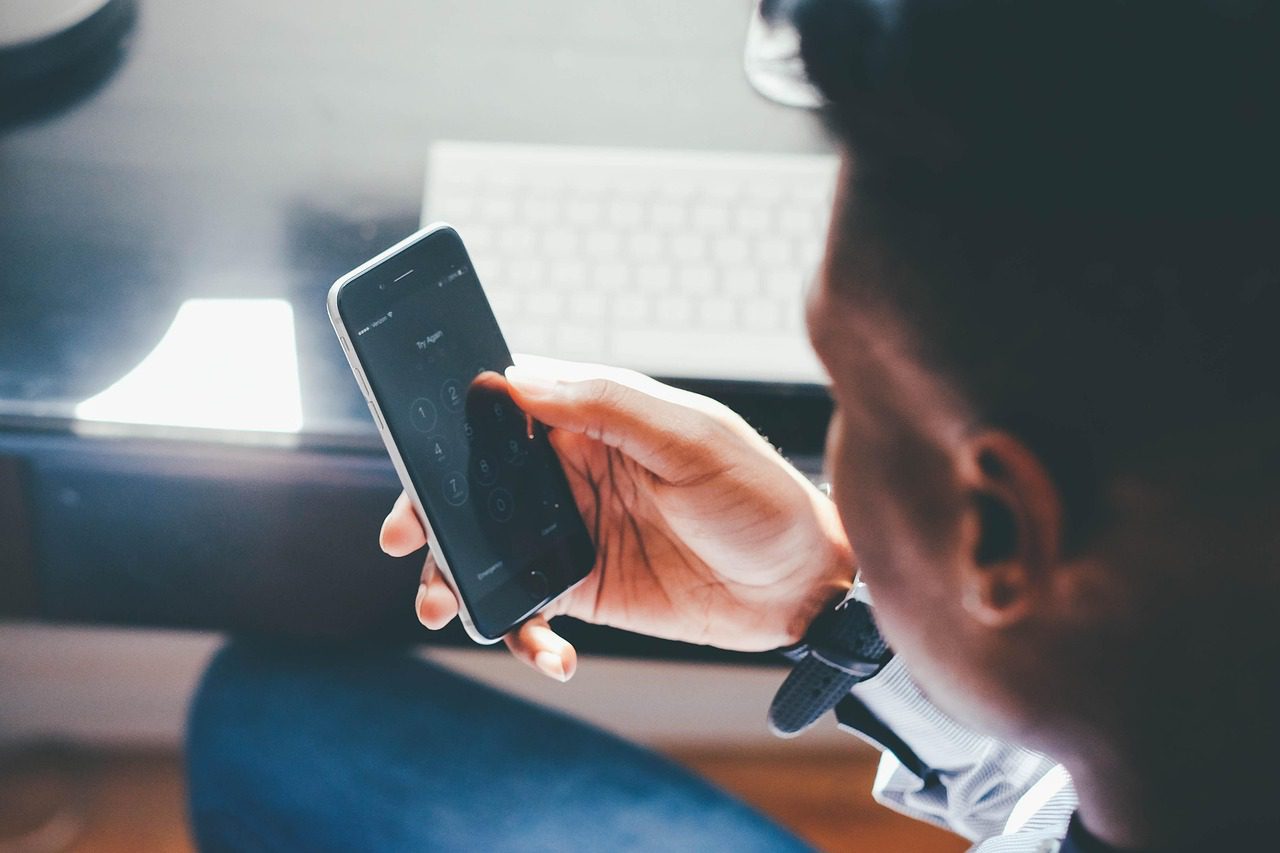
Make posting worth doing without paying for it first, then be careful with any incentive you add.
Design the Moment Customers Want to Post
People post when something is worth showing: good-looking packaging, an unboxing with a reveal, a shop corner made for photos, a limited color. Design for that moment first. Organic posts carry no disclosure issue and are what buyers trust most.
Keep the hashtag short, and in Japanese where your audience searches in Japanese. Plan for spelling variants of your brand name, since users may write it in katakana or Latin letters, and track each form.
When an Incentive Turns UGC Into Advertising
Under the stealth marketing rule in force since 1 October 2023, a post counts as the brand’s advertising, and must be labeled as such, if the brand asked for it or gave something in the hope of it: telling the recipient you would like to hear what they think, or packing a hashtag or account to tag, counts. The responsibility for disclosure lies with the advertiser, not the poster. A post the customer made entirely of their own accord, with no request and no involvement from the brand, can fall outside the rule; the Consumer Affairs Agency’s operational guidelines describe where the line falls, and our guide to Japan’s stealth marketing regulation explains them.
The agency’s first order under the rule, issued on 6 June 2024, shows how quickly an incentive crosses the line: a Tokyo clinic had offered patients a discount on flu vaccinations for posting a four- or five-star review on Google Maps. Prize limits for purchase-linked campaigns are a separate rule under the same Act, covered in our premiums guide. Where a campaign is close to the line, have a specialist in Japanese advertising law review it.
Seeding Products to Nano Creators
Sending products to people with small, engaged followings can start a flow of posts about a new product. Nano creators, with roughly 1,000 to 10,000 followers, are a natural source, and our guide to micro and nano influencers in Japan explains how to choose them. The planning and logistics are covered in our guide to influencer seeding in Japan.
In practice, gifting is done in the hope of a post, so treat every seeded post as advertising: ask recipients to label it with “PR” or a note that the brand provided the product (teikyo, the Japanese word for “provided”). The Consumer Affairs Agency’s operational guidelines are the reference for edge cases.
Using Someone Else’s Post: Rights and Permission in Japan

To use a customer’s post anywhere other than in its original place, ask the poster first, say exactly how you will use it, and keep a record of their answer. This is a general explanation, not legal advice: copyright and portrait rights questions depend on the facts, and a specialist in Japanese law should check anything unusual.
| How you use the post | Permission needed | What to record |
|---|---|---|
| Repost with the platform’s share function | Asking first is the expected courtesy in Japan | The request and reply |
| Official embed on your website | Ask first for any commercial page | The request, reply and page URL |
| Copy onto your website or own feed | Yes, from the poster and anyone recognizable | The reply, the uses agreed and the period |
| Use in paid ads | Yes, separately, naming ad use | Platforms, period, whether you may edit or crop |
| Print or in-store display | Yes, naming the stores or events | Locations, period, credit wording |
hotice is a cross-border influencer marketing agency helping overseas brands enter Japan. We handle casting, negotiation, Japanese-language contracts, and ad-disclosure compliance.
Tell us your category, budget range, and timing. We will take it from there.Copyright and Portrait Rights Both Apply
The person who took a photo or made a video holds its copyright, which under Japan’s Copyright Act arises on creation, with no registration. Anyone recognizable in it has separate portrait rights, so a photo of a customer with friends needs more than the poster’s consent. A platform’s terms give the platform a license to host the post, not your brand a right to reuse it.
Embedding a post with the platform’s official tool differs from uploading a copy, which needs permission. Embedding is lighter because the post stays on the platform, but it is not clearly covered either: in 2020 Facebook said that, although its terms allow it to grant sublicenses, it does not grant one for Instagram’s embed tool. For commercial pages, ask first.
How to Ask for Permission, the Japanese Way
Ask in a comment or direct message, in polite Japanese, and say what you want to use, where, and for how long. A short request might read, in translation: “Thank you for posting about our product. We would love to share this photo on our official Instagram account and website for six months, crediting your account. Would that be all right?” If there is no reply, do not use it.
Keep a dated screenshot of the request and the reply. For wording that works when you contact creators and their agencies, see our guide to influencer outreach in Japan.
Paid Creator Content: Settle Usage Rights in the Contract
Content you pay a creator to make is governed by the contract, not by a comment-thread request. The contract should state the media where you may use it, the period, the regions, and whether you may edit, cut or add text. Uses not listed are not included, and extending them later usually means a new agreement and a new fee.
How secondary-use rights and creator-account ads work is covered in our whitelisting guide, and the clauses to include in our guide to influencer contracts in Japan.
Working With UGC Creators in Japan
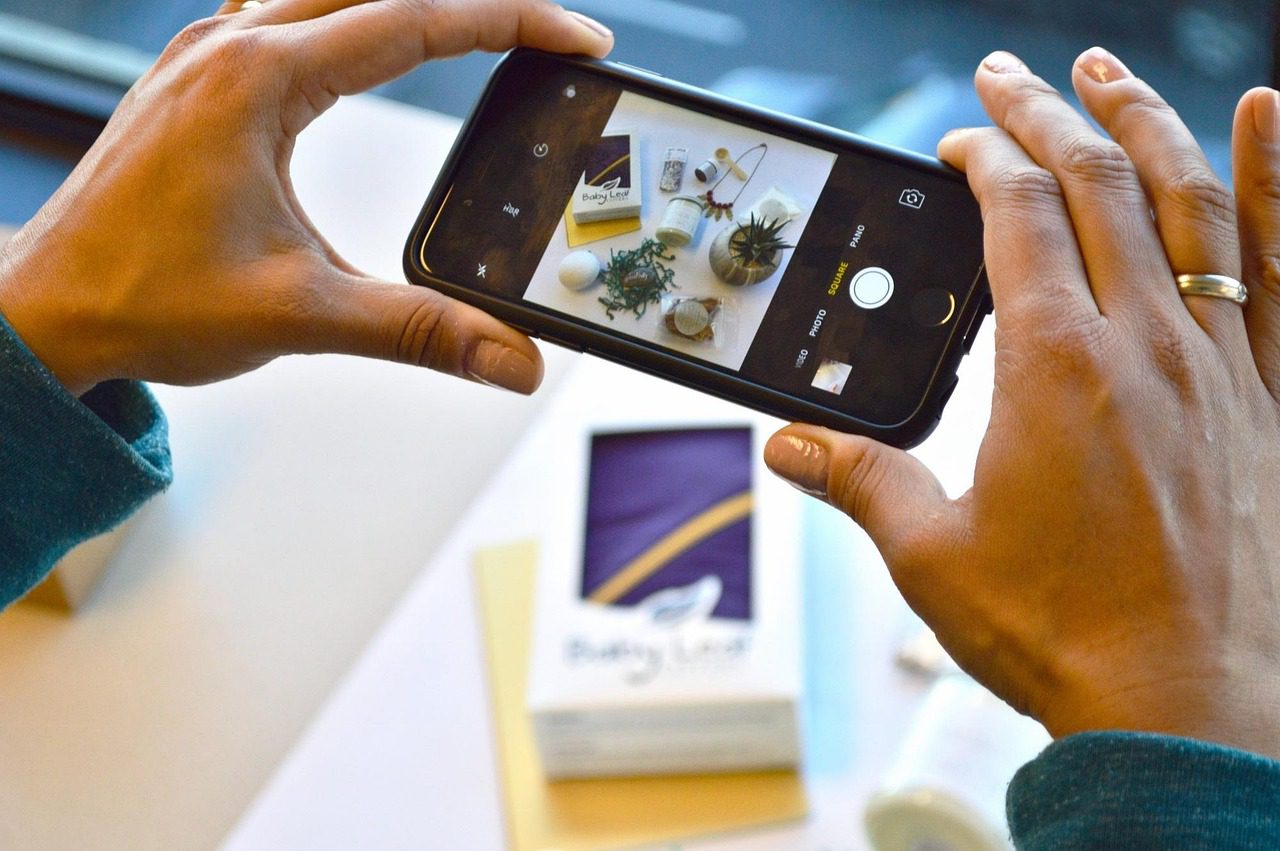
From here on, this guide is about commissioning UGC rather than collecting it. UGC creators are paid to make customer-style content for your channels, and in Japan that work is advertising from brief to publication.
| UGC creator | Influencer | |
|---|---|---|
| Followers needed | No; you pay for the content | Yes; you pay partly for the audience |
| What you receive | Video or photo files | A post on the creator’s account |
| Where it appears | Your ads, product pages and accounts | The creator’s own feed, sometimes reused by you |
| Disclosure | Advertising; must be recognizable as yours where it runs | Advertising; the post needs a PR label |
UGC Creators vs. Influencers
A UGC creator sells content, not an audience. You receive files and publish them on your own accounts, product pages or ads, and the creator may never post them. An influencer publishes on their own account, and part of what you pay for is the people who follow them.
Both are paid, so both are advertising. When a UGC creator’s video runs on your brand account or in your ads, it should be clear to viewers that it comes from your brand, rather than presented as an unprompted customer review.
Choosing UGC Creators: What to Check
Look at past work first: natural spoken Japanese, subtitle and on-screen text quality, lighting and sound, and fit with your category. Many Japanese creators belong to agencies, so expect to request through the agency rather than by direct message.
If the creator will also post on their own account, check the audience country breakdown for the share of followers in Japan; some who post in Japanese have a large share abroad. Our guide to finding influencers in Japan covers the search itself.
Briefing and Cost Structure
A UGC brief needs at least five points: where the content will be used, its length and format, words and claims to avoid, how many rounds of revisions are included, and how long you may use it. A template and examples are in our guide to writing an influencer brief.
The cost is built from four parts: production, the scope of usage rights, the number of revisions and the product itself. Usage rights move a quote the most, since a longer period, more media or paid ad use all add to it. For reference costs and how quotes are set, see our guide to influencer marketing costs in Japan.
UGC Platforms and Agencies: What Each One Does

A UGC platform is software to collect, approve or display UGC, or find creators; a UGC agency is a team that does the work. Which you need depends on whether your team can handle Japanese permission requests and creators in-house.
| Type | What it does | What to check for Japan |
|---|---|---|
| UGC collection and rights management tools | Gathers posts by hashtag or mention and manages permission requests | Coverage of the platforms Japanese users use; permission messages in Japanese |
| Review display tools | Collects reviews and shows them on product pages | Japanese-language moderation; whether it works alongside marketplace reviews |
| UGC creator marketplaces | Lists creators you can commission for content | How many creators produce in natural Japanese; how usage rights are licensed |
| Agencies | Plans, sources creators, negotiates, checks disclosure | Japanese-language staff, relationships with creator agencies, compliance process |
Types of UGC Platforms
Most UGC platforms were built for English-speaking markets, so test three things before you commit. First, coverage: does it pull posts from the platforms Japanese users actually use, and work with Japanese marketplaces as well as your own site? Second, supply: if it is a creator marketplace, how many creators on it produce content in natural Japanese? Third, permissions: can it send requests in Japanese, and does it store the replies?
We do not rank individual tools here. Our guide to influencer marketing tools in Japan looks at the options.
When a UGC Agency Makes Sense
An agency makes sense when you want one team to handle the parts that depend on Japanese: asking customers for permission, sourcing and briefing creators, negotiating with creator agencies and checking every piece for disclosure before it goes live. A tool is enough when you have a Japanese-speaking person on the team and only need to collect posts and display them.
hotice works in the second half of that list: sourcing Japanese creators and checking disclosure. Many brands combine a tool for collection with outside help for creator work.
Measuring What UGC Does

Measure UGC at three levels: how much of it there is, what it says, and whether it moves sales. The first two are easy to track; the third needs a fair comparison.
Volume, Sentiment, and Search
Track the number of posts mentioning the product, the share that are favorable, and searches for your brand name. Branded search rising with post volume suggests UGC is reaching people who then look you up.
To capture Japanese posts, your social listening tool must handle Japanese, including katakana spellings and the abbreviations users give product names. Our guide to social listening in Japan explains what to set up.
Connecting UGC to Sales
Two comparisons are the most useful: conversion on a product page before and after reviews are shown, and ads built from UGC against ads built from brand-made content. Look beyond clicks to purchase rate, saves and branded search. Keep the comparison fair by matching the period, budget and audience.
For return on investment, see our guide to influencer marketing ROI in Japan, and for the metrics to track, our guide to influencer analytics.
FAQ
What is user-generated content?
User-generated content (UGC) is content about a brand or product made by its customers or other ordinary users rather than by the brand. Note the difference between organic UGC, which customers post of their own accord, and creator-made UGC, which a brand pays a creator to produce in a customer’s style. The first is the customer’s own opinion; the second is advertising. See the section on what UGC is at the top of this guide.
What is UGC marketing?
UGC marketing is encouraging customers to create content about your brand, getting permission to use it and putting it to work. Brands typically use it in five places: product pages and marketplace listings, paid social ads, their own social accounts, hashtag campaigns and in-store displays, and email or LINE messages. Each use needs the poster’s permission, and in Japan each has its own point to watch. The section on five ways brands use UGC compares them in a table.
Can I repost a customer’s photo without asking?
You should not. Ask first, then credit the poster’s account when you share it; in Japan, this is the expected practice, and reposting without asking draws criticism. Using the platform’s own share function, which links to the original, is different from saving the photo and uploading it as your own post, which makes a copy and needs permission. If people are recognizable in the photo, their consent matters too. The section on rights and permission in Japan explains how to ask.
Is paid or gifted UGC considered advertising in Japan?
Yes, in most cases. If you ask for a post, or give money, perks or products in the hope of one, including telling the recipient you would like their thoughts or packing a hashtag to use, the post is your advertising and needs a PR label. A post made entirely of the customer’s own accord, without any request or involvement, can fall outside the rule. Disclosure is the advertiser’s responsibility, so on all gifting, ask for a “PR” label or a note that the brand provided the product. See our guide to Japan’s stealth marketing regulation.
What is the difference between a UGC creator and an influencer?
A UGC creator delivers content files for you to publish on your own accounts, product pages or ads, and does not need a following. An influencer publishes on their own account to their own audience, and part of what you pay for is that audience. Both are paid, so both are advertising, and content from a UGC creator should be recognizable as your brand’s wherever it runs. The section on UGC creators and influencers compares them in a table.
How much does UGC content cost in Japan?
The total depends on four things, not on a standard rate: production, the scope of usage rights, the number of revisions and the product. Usage rights make the biggest difference: a longer period, more media or paid ad use all raise the total. Ask every quote to separate these items so you can compare like with like. For reference costs and how quotes are set, see our guide to influencer marketing costs in Japan.
Do I need a UGC agency to run UGC campaigns in Japan?
Not always. An agency helps when you need someone to ask Japanese customers for permission, source and brief creators, negotiate with creator agencies and check disclosure on every piece. If you have a Japanese-speaking person on your team and only need to collect posts and display them, a UGC platform may be enough. Many brands combine the two: a tool for collection and outside help for creator work. The section on when a UGC agency makes sense sets out the deciding points.
Methodology and Data Sources
Our own surveys publish sample sizes but not fieldwork methods, so treat them as indicative. Descriptions of copyright, portrait rights, stealth marketing and premium rules are general explanations, not legal advice; ask a specialist in Japanese law about a specific case. Sources were accessed on 21 October 2026.
- Platform usage rates: MIC FY2025 media usage survey, June 2026, n=1,800: https://www.soumu.go.jp/main_content/001079136.pdf
- LINE monthly users: LY Corporation, 29 January 2026: https://www.lycorp.co.jp/ja/news/release/020058/
- Review places consulted: Dentsu Digital, fielded 22 to 28 May 2025, published 26 November 2025: https://www.dentsudigital.co.jp/news/release/services/2025-1126-000278
- hotice Instagram purchasing survey, n=636, published 27 February 2026: https://hoticeglobal.com/blog/trends/japanese-instagram-purchasing-behavior-survey-2026/
- hotice X purchasing survey, n=631, published 30 April 2026: https://hoticeglobal.com/blog/trends/japanese-x-purchasing-behavior-survey-2026/
- Stealth marketing rule: Consumer Affairs Agency: https://www.caa.go.jp/policies/policy/representation/fair_labeling/stealth_marketing
- Operational guidelines (Japanese PDF): https://www.caa.go.jp/policies/policy/representation/fair_labeling/guideline/assets/representation_cms216_230328_03.pdf
- First order, 6 June 2024 (Japanese PDF): https://www.caa.go.jp/notice/assets/representation_cms204_240607_01.pdf
- Prize limits: Consumer Affairs Agency: https://www.caa.go.jp/policies/policy/representation/fair_labeling/premium_regulation/
- Copyright Act, Article 17: https://laws.e-gov.go.jp/law/345AC0000000048
- Facebook’s June 2020 statement to Ars Technica on embeds, reported by Thompson Coburn: https://www.thompsoncoburn.com/insights/blogs/in-focus/post/2020-08-03/photo-embedding-cases-depend-on-social-media-company-decisions
- @cosme operator: https://www.cosme.net/
- Tabelog operator: https://tabelog.com/
If you would rather hand creator sourcing and disclosure checks to a partner in Japan, our comparison of influencer marketing agencies in Japan sets out what to ask before you sign.
Supervised by the hotice Editorial Team, specialists in helping global brands enter the Japanese and Asian markets through influencer marketing. Last updated: October 2026.
Pricing, past campaigns, and how contracts and ad-disclosure compliance are handled from start to finish. Ask us anything before you commit to a budget.
Overseas brands welcome. We work in English, Japanese, Chinese, and Korean.