Japanese Holidays and Festivals in 2027: The Complete Calendar for Visitors and Brands

- 1. Japanese Public Holidays in 2027
- 1-1. The Full List of 2027 National Holidays
- 1-2. Substitute Holidays and the Equinox Dates
- 1-3. The Three Long Breaks: New Year, Golden Week, and Obon
- 2. Japanese Festivals and Seasonal Events Through the Year
- 2-1. Spring and Summer: Hanami, Tanabata, and Fireworks
- 2-2. Autumn and Winter: Moon Viewing, Halloween, and the Year-End
- 3. Gift-Giving Seasons That Shape Spending
- 3-1. Ochugen and Oseibo
- 3-2. Valentine’s Day and White Day, in Brief
- 4. The 2027 Japan Marketing Calendar, Month by Month
- 4-1. January to March: Fukubukuro, Valentine’s, White Day, and Fiscal Year-End
- 4-2. April to June: New Life Season, Golden Week, and Mother’s Day
- 4-3. July to September: Summer Bonus, Obon, and September Long Weekends
- 4-4. October to December: Halloween, Black Friday, and the Year-End
- 5. Ecommerce Sale Events on the Calendar
- 6. Planning Lead Times: When to Start for Each Season
- 6-1. Working Backwards From the Event Date
- 6-2. Why Creator Bookings Need Extra Lead Time in Japan
- 7. Where Influencers Fit Across the Year
- 7-1. Matching Content Formats to Seasons
- 7-2. Choosing Creators for Seasonal Campaigns
- 7-3. Disclosure Rules for Seasonal Campaigns
- 8. FAQ
- 8-1. What are the public holidays in Japan in 2027?
- 8-2. What is the biggest holiday in Japan?
- 8-3. When is Golden Week in 2027?
- 8-4. Is Obon a public holiday in Japan?
- 8-5. Does Japan celebrate Halloween?
- 8-6. How do Japanese holidays affect business and shipping?
- 8-7. What are the key marketing dates in Japan in 2027?
- 8-8. When should a brand start planning a seasonal campaign in Japan?
- 9. Methodology and Data Sources

Pricing, past campaigns, and how contracts and ad-disclosure compliance are handled from start to finish. Ask us anything before you commit to a budget.
Overseas brands welcome. We work in English, Japanese, Chinese, and Korean.TL;DR: Japan has 16 national holidays in 2027, plus a substitute holiday on 22 March because Vernal Equinox Day falls on a Sunday, so 17 public days off in all. The long breaks are New Year, Golden Week and Obon. Spending peaks at New Year, February to March, April and year-end. Start creator campaigns two to three months ahead.
The first half of this guide lists Japan’s 2027 holidays, festivals and gift seasons, for travelers and anyone checking when Japanese partners will be away. The second half turns them into a marketing calendar for brands. For how overseas brands work with Japanese creators more broadly, see our overview of influencer marketing in Japan.
Japanese Public Holidays in 2027
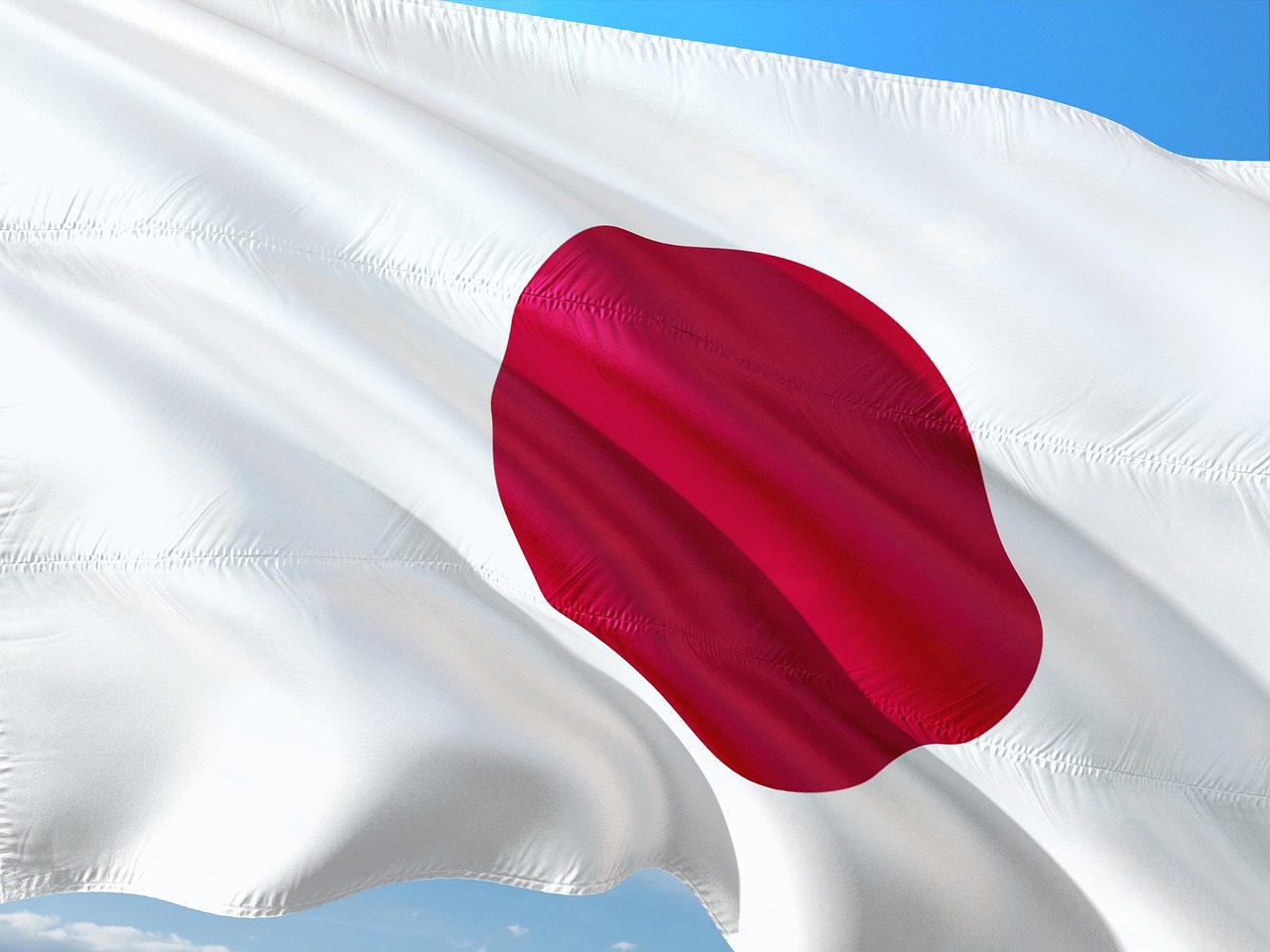
Japan has 16 national holidays in 2027, set by the Act on National Holidays. Because Vernal Equinox Day falls on Sunday 21 March, Monday 22 March becomes a substitute holiday, which makes 17 public days off. The long breaks come at New Year, Golden Week and Obon, and only Golden Week is made up mostly of public holidays. The dates below follow the Cabinet Office’s published list.
| Japanese name | English name | Date | Day | What it marks |
|---|---|---|---|---|
| Ganjitsu | New Year’s Day | 1 January | Friday | The start of the year |
| Seijin no Hi | Coming of Age Day | 11 January | Monday | Young people reaching adulthood |
| Kenkoku Kinen no Hi | National Foundation Day | 11 February | Thursday | The founding of the nation |
| Tenno Tanjobi | Emperor’s Birthday | 23 February | Tuesday | The Emperor’s birthday |
| Shunbun no Hi | Vernal Equinox Day | 21 March | Sunday | Nature and living things |
| Furikae Kyujitsu | Substitute holiday | 22 March | Monday | Replaces the Sunday equinox |
| Showa no Hi | Showa Day | 29 April | Thursday | The Showa era |
| Kenpo Kinenbi | Constitution Memorial Day | 3 May | Monday | The constitution taking effect |
| Midori no Hi | Greenery Day | 4 May | Tuesday | Nature and its benefits |
| Kodomo no Hi | Children’s Day | 5 May | Wednesday | Children, and thanks to mothers |
| Umi no Hi | Marine Day | 19 July | Monday | The sea |
| Yama no Hi | Mountain Day | 11 August | Wednesday | The mountains |
| Keiro no Hi | Respect for the Aged Day | 20 September | Monday | Older people and long life |
| Shubun no Hi | Autumnal Equinox Day | 23 September | Thursday | Ancestors and the departed |
| Supotsu no Hi | Sports Day | 11 October | Monday | Sport and health |
| Bunka no Hi | Culture Day | 3 November | Wednesday | Freedom, peace and culture |
| Kinro Kansha no Hi | Labor Thanksgiving Day | 23 November | Tuesday | Work and mutual thanks |
The Full List of 2027 National Holidays
Ten holidays sit on fixed dates, two follow the equinoxes, and four move. Coming of Age Day is the second Monday of January, Marine Day the third Monday of July, Respect for the Aged Day the third Monday of September and Sports Day the second Monday of October. This Monday rule, often called the Happy Monday system, guarantees a three-day weekend for each: in 2027, 9 to 11 January, 17 to 19 July, 18 to 20 September and 9 to 11 October.
The Cabinet Office has published the 2027 list, so these dates are final, not forecasts. Days off that are not in the law, such as Obon, are customs, and employers treat them differently.
Substitute Holidays and the Equinox Dates
When a national holiday falls on a Sunday, the next day that is not a holiday becomes a day off, called furikae kyujitsu, a substitute holiday. In 2027 this happens once: Vernal Equinox Day lands on Sunday 21 March, so Monday 22 March is off.
The equinox holidays are not fixed in the law. They follow the astronomical equinox, and the National Astronomical Observatory of Japan publishes the next year’s dates in the official gazette each February. The 2027 dates, 21 March and 23 September, were announced on 2 February 2026.
There is no Silver Week in 2027. Respect for the Aged Day falls on Monday 20 September and Autumnal Equinox Day on Thursday 23 September, with two working days between them, so September has a three-day weekend and a separate midweek holiday, not one long break.
The Three Long Breaks: New Year, Golden Week, and Obon
New Year, or Shogatsu, is the biggest break. Government offices close from 29 December to 3 January by law, and many companies close for a similar stretch, though the exact days vary. For the break into 2027, 29 December 2026 is a Tuesday and 3 January a Sunday, so most offices reopen on Monday 4 January.
Golden Week clusters holidays from late April to early May. In 2027 Showa Day is Thursday 29 April, Friday 30 April is a working day, and Saturday 1 May to Wednesday 5 May is a five-day break. Taking 30 April off gives seven days in a row.
Obon, the Buddhist season for honoring ancestors, is not a public holiday. Many companies still close for several days in mid-August and people travel to family homes, so trains and highways are crowded. Some areas, including parts of Tokyo, observe it in July. With Mountain Day on Wednesday 11 August in 2027, closure dates will vary between companies.
Japanese Festivals and Seasonal Events Through the Year
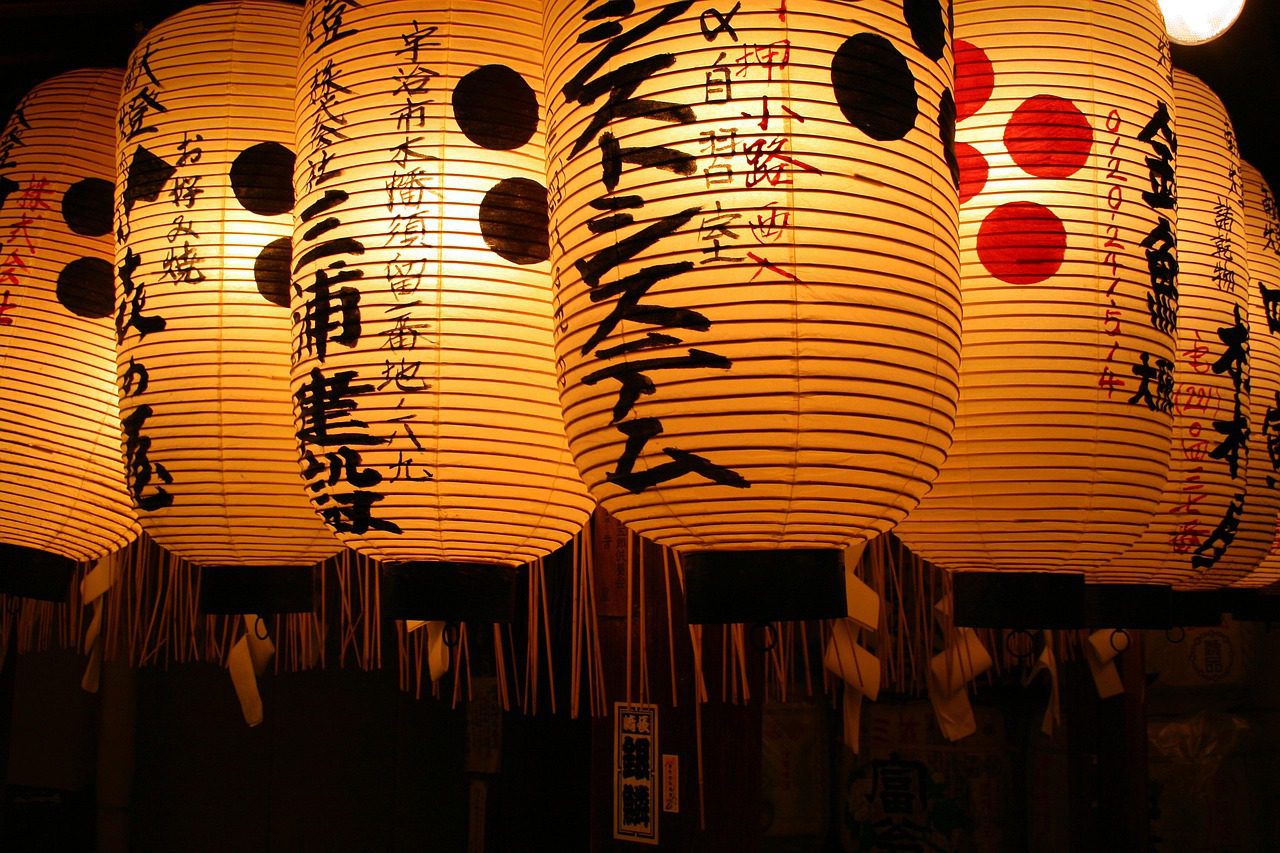
Many dates that shape daily life in Japan are not public holidays but seasonal customs, some fixed and some following the moon or the weather.
| Month | Event | What people do | 2027 date |
|---|---|---|---|
| February | Setsubun | Throw beans to drive out bad luck | 3 February (Wednesday) |
| March | Hinamatsuri (Doll Festival) | Display dolls for girls’ health | 3 March (Wednesday) |
| March to May | Hanami | Picnics under the cherry blossoms | Varies by region |
| May | Children’s Day | Carp streamers for children | 5 May (Wednesday) |
| July | Tanabata (Star Festival) | Hang written wishes on bamboo | 7 July (Wednesday); some cities in August |
| July to August | Fireworks festivals | Summer evenings out, often in yukata | Set by each organizer |
| August | Obon | Honor ancestors, visit family | Mid-August; July in some areas |
| September | Tsukimi (moon viewing) | Admire the harvest moon with rice dumplings | 15 September (Wednesday) |
| October | Halloween | Costume events and seasonal sweets | 31 October (Sunday) |
| November | Shichi-Go-San | Children of three, five and seven visit shrines | 15 November (Monday) |
| December | Christmas | Couples’ dinners, cake and fried chicken | 24 to 25 December |
| December | Omisoka (New Year’s Eve) | Year-end noodles, midnight temple bells | 31 December (Friday) |
The best-known festivals are local events that draw visitors nationwide. Dates come from each organizer or host city.
| Festival | Where | When | What it is |
|---|---|---|---|
| Sapporo Snow Festival | Sapporo | 4 to 11 February 2027 | Snow and ice sculptures |
| Gion Matsuri | Kyoto | 1 to 31 July; float processions 17 and 24 July | Yasaka Shrine’s month-long festival |
| Aomori Nebuta Festival | Aomori | 2 to 7 August every year | Giant illuminated lantern floats |
| Sendai Tanabata Festival | Sendai | 6 to 8 August | Streets hung with paper decorations |
| Awa Odori | Tokushima | 11 to 15 August every year | Street dance festival |
Spring and Summer: Hanami, Tanabata, and Fireworks
Hanami, cherry blossom viewing, is Japan’s most photographed season. The blossoms open at different times from south to north, so check regional forecasts rather than one national date. For brands it means spring packaging, limited flavors and picnic scenes.
On Tanabata, 7 July, people hang written wishes on bamboo; Sendai holds its famous version a month later. Fireworks festivals fill July and August. Kyoto’s Gion Matsuri, Yasaka Shrine’s festival, runs through July, Aomori’s Nebuta parades giant lantern floats, and Tokushima’s Awa Odori fills the streets with dancers in mid-August.
Autumn and Winter: Moon Viewing, Halloween, and the Year-End
Tsukimi falls on the harvest moon, 15 September in 2027, and brings rice dumplings and moon-themed menus. Halloween in Japan is mostly a costume event for young adults and a theme for shops and sweets, not a night of trick-or-treating. Shibuya crowds grew large enough that in 2023 Shibuya City asked people not to come to the station area for Halloween. In 2027, 31 October is a Sunday.
On Shichi-Go-San, 15 November, families take children to shrines in formal dress. December moves into Christmas, year-end parties and New Year preparations, covered in our guide to fukubukuro and Japan’s year-end shopping season.
Winter brings the Sapporo Snow Festival (4 to 11 February 2027), Setsubun’s bean-throwing on 3 February and Hinamatsuri, the Doll Festival, on 3 March.
Gift-Giving Seasons That Shape Spending

Japan has more formal gift seasons than most Western markets, and each moves specific categories.
Ochugen and Oseibo
Ochugen is the summer gift sent to people a household or company wants to thank. Odakyu Department Store gives the window as 1 to 15 July in Kanto and Tohoku, and 15 July to 15 August in regions including Hokkaido, Tokai and Kansai, and notes the season is moving earlier. Food, drink and household gift sets dominate.
Oseibo is the year-end version, sent mainly in the first three weeks of December, with Kanto and Okinawa starting earliest, on 1 December. Both continue between companies and in private life; we found no recent primary source on how their scale has changed, so we give no figures. Oseibo’s place in the year-end season is covered in our year-end shopping calendar.
Valentine’s Day and White Day, in Brief
In Japan, Valentine’s Day on 14 February is for giving chocolate, and on White Day, 14 March, recipients give something back. The pairing makes February and March a double gifting season for confectionery, beauty and accessories. In 2027 both fall on a Sunday, so gifts at work are likely to move to Friday 12 February and Friday 12 March. Our guide to Valentine’s Day and White Day in Japan covers both.
The 2027 Japan Marketing Calendar, Month by Month
From here on, this guide is for brands planning campaigns in Japan for 2027. The table puts the year on one page. Event dates come from the sources cited; the last column is our planning guidance, not an official schedule.
| Month | Main events and sales | Categories that move | Campaign type | Start preparing |
|---|---|---|---|---|
| January | New Year sales, lucky bags | Fashion, beauty, electronics | Unboxing | Previous summer |
| February | Valentine’s Day (Sunday) | Chocolate, beauty gifts | Gift guides | October to November |
| March | White Day (Sunday), graduation, moving | Sweets, furniture, appliances | Return-gift guides, new-start content | November to December |
| April | New school and work year, hanami | Beauty, daily goods, fashion | Fresh-start stories | December to January |
| May | Golden Week, Mother’s Day (9 May) | Travel, flowers, beauty gifts | Travel content, gift guides | January to February |
| June | Rainy season, Father’s Day (20 June), summer bonuses | Rainwear, haircare, men’s gifts | Problem-solving demos | February to March |
| July | Ochugen, Prime Day, school holidays | Gift sets, sun care, outdoor | Summer how-tos, sale pushes | March to April |
| August | Obon, fireworks, festivals | Travel, beverages, cooling goods | Travel and event content | April to May |
| September | Three-day weekend (18 to 20), tsukimi | Autumn fashion, seasonal food | Seasonal switch content | May to June |
| October | Halloween (Sunday) | Sweets, costumes, cosmetics | Makeup tutorials | June to July |
| November | Black Friday (26 November), oseibo listings | Electronics, fashion, gift sets | Deal content | September to October |
| December | Bonuses, oseibo, Christmas, year-end sales | Gifts, beauty sets, food | Gift guides, unboxing | Summer to September |
January to March: Fukubukuro, Valentine’s, White Day, and Fiscal Year-End
The year opens with first sales and fukubukuro, sealed lucky bags sold in the first days of January. The decisions behind them are made the previous summer; our guide to fukubukuro and Black Friday in Japan explains how they work.
February and March are a double gifting season: chocolate for Valentine’s Day, then return gifts such as sweets, accessories and beauty items for White Day. With both on a Sunday in 2027, promotions need to land by the Friday before. See our guide to Valentine’s and White Day marketing in Japan.
March ends Japan’s fiscal and school year, with graduations, job transfers and year-end closings. New life demand for furniture, appliances and clothes rises in March, before the April start dates.
April to June: New Life Season, Golden Week, and Mother’s Day
April starts Japan’s school and working year. New students and employees buy daily goods, workwear and beauty products, and fresh-start themes run through advertising. Beauty brands lean on this window; see our guide to J-beauty marketing.
Golden Week runs from 1 to 5 May in 2027. Spending splits between travel for people who go away and delivery and local outings for those who stay. Mother’s Day, the second Sunday, falls on 9 May and suits flowers, beauty and small luxuries. June brings the rainy season across most of Japan, lifting rainwear, haircare and indoor products, and Father’s Day on 20 June.
July to September: Summer Bonus, Obon, and September Long Weekends
Summer bonuses open the season for bigger purchases. National civil servants, for instance, received theirs on 30 June 2025, according to the Cabinet Bureau of Personnel Affairs; private-sector dates vary. Ochugen gift sets sell through July.
hotice is a cross-border influencer marketing agency helping overseas brands enter Japan. We handle casting, negotiation, Japanese-language contracts, and ad-disclosure compliance.
Tell us your category, budget range, and timing. We will take it from there.Marine Day gives a three-day weekend from 17 to 19 July, close to the start of school summer holidays, so family travel rises. Obon in mid-August is the peak of homecoming travel, lifting food gifts and travel goods.
September 2027 has no long break: only a three-day weekend from Saturday 18 to Monday 20 September, ending on Respect for the Aged Day, and a single holiday on Thursday 23 September.
October to December: Halloween, Black Friday, and the Year-End
Halloween on Sunday 31 October overlaps with weekend events, so costume, sweets and makeup content peaks over 30 and 31 October. Black Friday is 26 November 2027 by the US date, and Japanese retailers set their own windows: Amazon Japan’s 2025 Black Friday ran from 24 November to 1 December. December brings oseibo, winter bonuses, Christmas and year-end sales straight into New Year. This season has its own guide to Black Friday and Japan’s year-end season, with lead times and examples.
Ecommerce Sale Events on the Calendar

Online marketplaces add their own sale peaks. Each platform announces exact dates a few weeks ahead, so treat the timing below as a pattern and confirm it before locking stock and creator dates. For the full ecommerce year, see our guide to the Japanese ecommerce market.
| Sale event | Platform | Typical timing | Latest confirmed dates |
|---|---|---|---|
| Rakuten Super Sale | Rakuten Ichiba | Several times a year | 4 June (8 pm) to 11 June 2026 (1:59 am) |
| Prime Day | Amazon Japan | July | 10 to 13 July 2026 |
| Black Friday | Amazon Japan and many retailers | Late November to early December | Amazon Japan: 24 November to 1 December 2025 |
| Year-end and New Year sales | Most marketplaces and stores | Late December to early January | Set by each retailer |
Planning Lead Times: When to Start for Each Season
The start date depends on what you need to make. A sale on existing stock needs only pricing and creative; a limited edition or creator campaign needs months. The ranges below are our planning guidance, not an industry standard.
| Season | Start planning | Secure creators | Posts go live |
|---|---|---|---|
| New Year and lucky bags | Early summer before | October to November | Late December to mid-January |
| Valentine’s Day | October to November | November to December | Late January to 12 February |
| White Day | November to December | December to January | Late February to 12 March |
| New life season | December to January | January to February | March to early April |
| Golden Week and Mother’s Day | January to February | February to March | Mid-April to early May |
| Summer | March to April | April to May | Late June to July |
| Halloween | June to July | July to August | October |
| Black Friday | September | September to October | Mid to late November |
| Christmas and year-end | Summer to September | September to October | Late November to December |
Working Backwards From the Event Date
Count back from the event. Search and social interest rises in the weeks before a seasonal event, so content must be live before that curve starts. A post published on 14 February misses Valentine’s shoppers who bought the week before.
In reverse, the chain runs: publication, pre-publication review, filming, confirmed creators, final brief. Each step tends to take longer than overseas teams expect.
Why Creator Bookings Need Extra Lead Time in Japan
Many Japanese creators belong to talent agencies, and requests go through the agency. That adds steps: the agency reviews the request, agrees the content outline and checks the post before it goes live. In busy seasons such as year-end and the April new life season, popular creators’ slots fill early.
The quickest way to shorten the process is to fix the brief early, because most back-and-forth comes from changes made mid-production. Our influencer brief template sets out what to agree up front, and our guide to influencer outreach in Japan covers the first approach.
Where Influencers Fit Across the Year
Each season has a format that fits it. The table pairs seasons with a campaign goal, a format and the platforms where that format usually works.
| Season | Campaign goal | Formats that fit | Platforms that fit |
|---|---|---|---|
| New Year | Lucky-bag and first-sale demand | Unboxing, hauls | YouTube, TikTok |
| Valentine’s and White Day | Get onto gift shortlists | Gift guides, comparisons | Instagram, TikTok |
| New life season | Reach people starting out | Routines, how-tos | TikTok, Instagram Reels |
| Golden Week and summer | Show the product outdoors or traveling | Travel vlogs, demonstrations | YouTube, Instagram |
| Autumn | Seasonal switch and Halloween | Makeup tutorials, lookbooks | TikTok, Instagram |
| Year-end | Convert during sales and gifting | Gift guides, unboxing, live demos | YouTube, Instagram, live streaming |
Matching Content Formats to Seasons
At year-end people are deciding what to buy, so unboxing and gift guides work. In spring the story is a fresh start, so routines fit. In summer the product belongs in a scene: a trip, a festival, a day outdoors.
Two of our campaigns show the idea. Turtle Beach promoted gaming hardware in Japan through gaming creators on YouTube, timed to Black Friday and Rakuten Super Sale, when buyers were already looking for deals. Clinique Laboratories ran a TikTok campaign in which young Japanese beauty creators used the products in their everyday routines. Both appear in our influencer marketing examples in Japan.
Choosing Creators for Seasonal Campaigns
Seasonal content has a trap. Many accounts posting about festivals or cherry blossoms target visitors to Japan, and much of their audience lives abroad. Ask for the audience country breakdown before booking. Our guide on how to discover influencers covers where to look.
Busy months also bring more competition for the same creators. Fees depend on reach, format, usage rights and timing; see how quotes are built in our guide to influencer marketing costs in Japan.
Disclosure Rules for Seasonal Campaigns
Gifted posts are where disclosure is most often missed. Under Japan’s stealth marketing rules, in force since 1 October 2023, sending a product with a request or expectation of a post, including saying you hope for a review or packing a hashtag or account name with it, makes the post the brand’s advertising, and it needs a PR label. Responsibility for disclosure sits with the advertiser, so the safe default is to ask every creator to label seasonal gifting posts as gifted or PR. For the full rules, see our guide to Japan’s stealth marketing regulation.
FAQ
What are the public holidays in Japan in 2027?
Japan has 16 national holidays in 2027 and one substitute holiday, so 17 public days off in all. Vernal Equinox Day falls on Sunday 21 March, which makes Monday 22 March a day off. The dates run from New Year’s Day on 1 January to Labor Thanksgiving Day on 23 November, and the Cabinet Office has published them as final. The full list with weekdays is in the table under Japanese public holidays in 2027.
What is the biggest holiday in Japan?
New Year, or Shogatsu. Families eat osechi, a set of traditional New Year dishes, and make hatsumode, the first shrine or temple visit of the year. Many businesses close for several days, often from around 29 December to around 3 January, the same span as the legal closure of government offices. The section on the three long breaks compares New Year with Golden Week and Obon.
When is Golden Week in 2027?
Golden Week 2027 is a five-day break from Saturday 1 May to Wednesday 5 May. Showa Day on Thursday 29 April comes first, but Friday 30 April is a working day, so the holidays do not join up. Taking 30 April off gives seven days in a row, from 29 April to 5 May. See the three long breaks for more.
Is Obon a public holiday in Japan?
No. Obon is a Buddhist season for honoring ancestors, not a national holiday, but many companies close for several days and many people travel to family homes. It falls in mid-August in most of Japan, while some areas, including parts of Tokyo, observe it in July. Mountain Day on 11 August is the only public holiday in that part of summer. See the three long breaks.
Does Japan celebrate Halloween?
Yes, though not as many Western readers expect. Halloween in Japan is mostly a costume event for young adults and a seasonal theme for sweets, cosmetics and shops, rather than trick-or-treating for children. Shibuya became so crowded that in 2023 the city asked people not to come to the station area for Halloween. In 2027, 31 October is a Sunday. See autumn and winter events.
How do Japanese holidays affect business and shipping?
Plan around three slow periods: New Year, Golden Week and Obon. Partners and suppliers may be closed, and deliveries can take longer at peak times. Move shipping, deadlines and approvals ahead of each closure rather than expecting work to continue through it. In 2027 the key periods are late December to 3 January, 1 to 5 May and mid-August. Details are in the three long breaks.
What are the key marketing dates in Japan in 2027?
Four peaks carry the year: New Year sales and lucky bags in January, Valentine’s Day and White Day in February and March, the new life season in March and April, and the year-end season from late November. Fixed dates worth noting include Mother’s Day on 9 May, Father’s Day on 20 June and Black Friday on 26 November by the US date. The month-by-month view is in the 2027 marketing calendar.
When should a brand start planning a seasonal campaign in Japan?
For a creator campaign, two to three months before the event is a sensible minimum, and earlier for anything that needs a new product, such as a lucky bag. Many Japanese creators work through agencies that review requests and check posts before publication, so bookings take longer than in many Western markets. The table under planning lead times gives ranges for each season.
Methodology and Data Sources
Holiday dates and weekdays follow the Cabinet Office’s 2027 list, checked against the National Astronomical Observatory of Japan’s almanac. Festival dates come from organizers or host cities, sale dates from platform announcements or reports of them. Lead times are our planning guidance. This article is updated every November for the following year. Sources accessed 21 October 2026.
- Cabinet Office, national holidays 2027: https://www8.cao.go.jp/chosei/shukujitsu/gaiyou.html
- National Astronomical Observatory of Japan, 2027 almanac, 2 February 2026: https://eco.mtk.nao.ac.jp/koyomi/yoko/2027/rekiyou271.html
- National Astronomical Observatory of Japan, harvest moon dates: https://eco.mtk.nao.ac.jp/koyomi/wiki/C3E6BDA9A4CECCBEB7EEA4C8A4CF.html
- Act on Holidays of Administrative Organs: https://laws.e-gov.go.jp/law/363AC0000000091
- Sapporo Snow Festival: https://www.snowfes.com/
- Kyoto City Tourism Association, Gion Matsuri: https://ja.kyoto.travel/event/major/gion/
- Aomori Nebuta Festival: https://www.nebuta.jp/
- Sendai Tanabata Festival: https://www.sendaitanabata.com/
- Tokushima City, Awa Odori: https://www.city.tokushima.tokushima.jp/kankou/awaodori/
- Shibuya City, Halloween message, October 2023: https://www.city.shibuya.tokyo.jp/contents/kutyo/aisatsu/20231011-halloween.html
- Odakyu Department Store, ochugen and oseibo: https://shop.odakyu-dept.co.jp/ec/chugen_column1 and https://shop.odakyu-dept.co.jp/ec/seibo_column1
- Cabinet Bureau of Personnel Affairs, summer bonus, 30 June 2025: https://www.cas.go.jp/jp/gaiyou/jimu/jinjikyoku/pdf/20250630_siryou.pdf
- Rakuten Group, Rakuten Super Sale, 2 June 2026: https://corp.rakuten.co.jp/news/press/2026/0602_01.html
- Netshop Impress, Amazon Japan Prime Day 2026: https://netshop.impress.co.jp/n/2026/06/17/16260
- Mynavi News, Amazon Black Friday 2025: https://news.mynavi.jp/article/20251114-3666546/
- Consumer Affairs Agency, stealth marketing rules: https://www.caa.go.jp/policies/policy/representation/fair_labeling/stealth_marketing
Update history: first published November 2026.
A year of creator campaigns is easier with a partner who knows the local calendar. Our comparison of influencer marketing agencies in Japan sets out what to ask before choosing one.
Supervised by the hotice Editorial Team, specialists in helping global brands enter the Japanese and Asian markets through influencer marketing. Last updated: November 2026.
Pricing, past campaigns, and how contracts and ad-disclosure compliance are handled from start to finish. Ask us anything before you commit to a budget.
Overseas brands welcome. We work in English, Japanese, Chinese, and Korean.