Influencer Marketing in Japan: Frequently Asked Questions
- 1. The Basics
- 1-1. Is influencer marketing effective in Japan?
- 1-2. What is the difference between influencer marketing in Japan and the US?
- 1-3. Which platform should I start with in Japan?
- 1-4. Do I need to speak Japanese?
- 2. Cost and Budget
- 2-1. How much does influencer marketing cost in Japan?
- 2-2. How are Japanese influencers paid?
- 2-3. What is a realistic budget for a first campaign?
- 2-4. Why are quotes from Japanese agencies so different from each other?
- 3. Finding and Choosing Creators
- 3-1. How do I find influencers in Japan?
- 3-2. Can I contact Japanese influencers directly?
- 3-3. How many followers should an influencer have?
- 3-4. How do I check whether an influencer’s audience is really in Japan?
- 3-5. What is the difference between an agency, a platform, and a talent office?
- 4. Contracts, Rights, and Rules
- 4-1. Who is responsible for disclosure in Japan?
- 4-2. How do I label a sponsored post in Japanese?
- 4-3. Can I reuse influencer content in my ads?
- 4-4. What happens if an influencer causes a scandal?
- 5. Running a Campaign
- 5-1. How long does it take to launch an influencer campaign in Japan?
- 5-2. Do I need a Japanese entity to run campaigns in Japan?
- 5-3. Can I manage a Japanese campaign entirely from overseas?
- 5-4. Do I need to ship product samples to Japan, and who handles customs?
- 5-5. Should I use Japanese or English in the content?
- 5-6. How do I measure results?
- 6. Working With an Agency
TL;DR: This page answers the questions overseas brands ask when they plan influencer marketing in Japan, from platform choice and budgets to contracts, disclosure rules, timelines and agencies. Each answer starts with a direct reply, adds the conditions that change it, and links to the guide that covers the topic in full.
Last updated: September 2026.
Planning a first campaign in Japan raises the same questions in almost every team: can we contact creators ourselves, who is liable if a post is not labelled, and do we need a Japanese company. The answers follow the order in which a campaign is planned, from the basics to choosing an agency.
For the full picture first, start with our complete guide to influencer marketing in Japan.
All questions on this page
The Basics
- Is influencer marketing effective in Japan?
- What is the difference between influencer marketing in Japan and the US?
- Which platform should I start with in Japan?
- Do I need to speak Japanese?
Cost and Budget
- How much does influencer marketing cost in Japan?
- How are Japanese influencers paid?
- What is a realistic budget for a first campaign?
- Why are quotes from Japanese agencies so different from each other?
Finding and Choosing Creators
- How do I find influencers in Japan?
- Can I contact Japanese influencers directly?
- How many followers should an influencer have?
- How do I check whether an influencer’s audience is really in Japan?
- What is the difference between an agency, a platform, and a talent office?
Contracts, Rights, and Rules
- Who is responsible for disclosure in Japan?
- How do I label a sponsored post in Japanese?
- Can I reuse influencer content in my ads?
- What happens if an influencer causes a scandal?
Running a Campaign
- How long does it take to launch an influencer campaign in Japan?
- Do I need a Japanese entity to run campaigns in Japan?
- Can I manage a Japanese campaign entirely from overseas?
- Do I need to ship product samples to Japan, and who handles customs?
- Should I use Japanese or English in the content?
- How do I measure results?
Working With an Agency
Pricing, past campaigns, and how contracts and ad-disclosure compliance are handled from start to finish. Ask us anything before you commit to a budget.
Overseas brands welcome. We work in English, Japanese, Chinese, and Korean.The Basics
Is influencer marketing effective in Japan?
Yes, when the campaign is built around how Japanese consumers buy, and much less so when it is a one-off post. Spending on the channel is still growing fast, and most Instagram and TikTok users in our own surveys say they have bought something after seeing content on the app, usually after searching for it first. Campaigns that disappoint tend to share three gaps: creators chosen on follower count, no agreed way to measure conversion, and a brief translated from a global template. The figures and their sources are on our influencer marketing statistics for Japan page.
What is the difference between influencer marketing in Japan and the US?
Three differences matter most: who you negotiate with, who carries the legal risk, and how consumers buy. First, many established Japanese creators are represented by a talent office, so casting runs through management. Second, Japan’s disclosure rule regulates only the advertiser, while US FTC guidance also tells influencers that disclosure is their own responsibility. Third, Japanese consumers commonly leave the platform to verify a product before buying, so your Japanese-language product page and reviews are part of the campaign. Our guide to influencer marketing in Japan covers each of these in detail.
Which platform should I start with in Japan?
Choose by two conditions: whether your product is understood at a glance or needs explaining, and the age of the buyer you want to reach.
| If your product and buyer look like this | Start with | Why |
|---|---|---|
| Visual, lower-priced product; buyers in their teens and twenties | TikTok or Instagram | Short-form discovery of products people were not searching for |
| Fashion, beauty, food or travel; buyers skew female | Visual catalogue that users save and return to before buying | |
| Product that needs explanation or justifies a higher price; wide age range | YouTube | Long-form reviews and demonstrations do the persuading |
| Entertainment, games, launches or news-driven topics | X | Reposts spread conversation fast, and X reaches a far larger share of people in Japan than in the US |
| Existing customers you want to keep | LINE | A messaging and retention channel, not a place to discover creators |
Start with one platform and add a second once you know which creators and messages convert. Our overview of social media in Japan has the user figures and age data for each platform.
Do I need to speak Japanese?
You do not, but someone working on your campaign does. Your strategy, approvals and reporting can run in English. Outreach, negotiation, contracts and content review with Japanese creators and talent offices almost always run in Japanese, and many will not reply to an English-only message or sign an English-only contract. Machine translation loses tone, which costs you most in outreach and briefs. The practical options are a Japanese-speaking hire, a freelancer for outreach, or a local partner. Our guide on how to work with Japanese influencers shows where language comes into each step.
Cost and Budget

How much does influencer marketing cost in Japan?
The creator fee is set mainly by follower tier, then adjusted for platform, format and the rights you buy. The creator fee is rarely the whole cost: agency or platform fees, product and shipping, secondary usage rights for reusing content in ads, and compliance review all sit on top. Plan by line item, not by a lump sum. What drives each cost line is explained in our guide to influencer marketing costs in Japan.
How are Japanese influencers paid?
Usually through their talent office or through your agency, against an invoice, rather than by direct transfer to the creator. Write invoice timing, the payment deadline and who covers shipping or travel into the contract. Independent creators invoice you directly, and that is where Japan’s Freelance Act can apply: since 1 November 2024, a business with its own employees that commissions a freelancer who has none must set the payment date within 60 days of receiving the work. Our guide to influencer contracts in Japan covers the payment clause.
What is a realistic budget for a first campaign?
Size it by purpose, not by what one post costs. Three shapes cover most first campaigns:
- A focused pilot: several micro creators on one platform, basic reporting, and no broad usage rights.
- A first full campaign: one mid-sized creator as the anchor with micro creators in support, limited usage rights on the best content, and structured measurement.
- A multi-platform launch: a well-known creator as the face, YouTube alongside short-form, paid amplification rights and full management.
What each level can realistically cover is set out in what you can do at each budget level in our cost guide.
Why are quotes from Japanese agencies so different from each other?
Because two quotes for the same brief rarely include the same things. The lines most often left out, or priced separately, are secondary usage rights for reusing content in ads or on your site, the number of revision rounds included before extra fees apply, and how detailed the final report will be. Whether the agency contracts creators directly or through a subcontractor also changes the price. Ask every agency to itemise the same list before you compare totals. Our guide to influencer PR agencies explains how their fee models are built.
Finding and Choosing Creators

How do I find influencers in Japan?
Use four routes, ideally two or more at once. Platform search in Japanese: search category keywords on Instagram, TikTok and YouTube and follow the suggested accounts. Hashtag research: Japanese community hashtags show who is active in your niche, and pairing #PR with a category keyword shows who already does labelled brand work. Databases: global and Japan-focused tools filter by niche and audience, though they cover smaller Japanese creators thinly. Talent office rosters and agency networks: offices publish the creators they manage, and agencies keep their own. Our guide on how to discover influencers covers each route.
Can I contact Japanese influencers directly?
Only if the creator is independent. If a creator is represented by a talent office, contact the office, because bypassing it is read as unprofessional. Many mid-sized and larger creators are managed, and an unsolicited DM in English to a managed creator is often ignored. To tell the difference, read the profile. Managed creators usually name their office or list a business contact form in the bio, while independent creators list their own email or say they accept work by DM. Our guide to collaborating with Japanese influencers explains how first contact works.
How many followers should an influencer have?
As many as your objective needs, and usually fewer than overseas brands expect. For trust and conversion inside a niche, nano creators (1,000 to 10,000 followers) and micro creators (10,000 to 100,000) often do more per yen than larger accounts. For awareness at launch, larger creators add scale once the message has been tested. Follower count sets the price, not the result; audience fit and engagement quality decide between similar candidates. The tier definitions we use across this site are on our influencer marketing statistics for Japan page.
How do I check whether an influencer’s audience is really in Japan?
Ask for the audience country breakdown from the creator’s own platform analytics, as a screenshot or export, before you sign. A Japan-based creator can have a large share of followers outside Japan, especially in anime, fashion and travel niches. Those followers cannot buy your product in Japan, even when engagement looks healthy. Check three things: the share of the audience in Japan, the language of the comments, and whether audience age and gender match your buyer. Our guide to the risks of influencer marketing in Japan covers audience drift and fake followers.
What is the difference between an agency, a platform, and a talent office?
An agency runs the campaign for you, a platform gives you tools to run it yourself, and a talent office represents the creators. Choose an agency if you lack Japanese-speaking staff or need several creators managed, a platform if your team can operate in Japanese, and go straight to the talent office when you already know which creator you want.
| Agency | Platform | Talent office | |
|---|---|---|---|
| Works for | The brand | The brand, as a tool it operates | The creators it manages |
| What it does | Strategy, casting, negotiation, contracts, briefing, disclosure checks, reporting | Search, matching, outreach and campaign tracking through software | Handles inquiries, fees, schedules and contracts for its roster |
| What it does not do | Remove the brand’s legal position as the advertiser | Negotiate in Japanese or check content for you | Search the wider market or propose creators it does not manage |
Our map of Japan’s influencer industry sorts the market into seven player types.
Contracts, Rights, and Rules
Who is responsible for disclosure in Japan?
The responsibility for disclosure lies with the advertiser, not the influencer. Since 1 October 2023, advertising that general consumers cannot recognise as advertising has been a violation of the Act against Unjustifiable Premiums and Misleading Representations. The Consumer Affairs Agency states that the regulated party is the business supplying the goods or services, and that influencers commissioned to advertise are not subject to the rule. A contract clause cannot shift that exposure, so check every post before it goes live. Our guide to Japan’s stealth marketing regulation explains the rule and enforcement.
How do I label a sponsored post in Japanese?
Use a clear Japanese term where viewers see it without tapping or expanding anything. The Consumer Affairs Agency names 広告 (advertisement), 宣伝 (publicity), プロモーション (promotion) and PR as acceptable, and a plain sentence such as “posted after receiving the product from Company A” also works. The usual combination is #PR or #広告 at the start of the caption plus the platform’s own tool:
- Instagram: the paid partnership label.
- TikTok: the commercial content disclosure setting.
- YouTube: the paid promotion setting, plus a spoken or on-screen label. The regulator warns that a label shown only at the start can be missed, so keep it visible throughout where you can.
- X: the term in the post itself; the regulator says a label placed only in a reply is usually not clear enough.
See the placement table in our stealth marketing regulation guide.
Can I reuse influencer content in my ads?
Only if the contract grants it, and in Japan it usually costs extra. A creator’s fee normally covers only the agreed posts on the creator’s own account. Reposting to your brand account, running the content as a paid ad, using it on your website or product pages, or showing it in stores is secondary usage, licensed separately by channel, region and period. Copyright stays with the creator unless the contract says otherwise, so silence means you may not reuse what you paid for. Reused content is still your advertising: the Consumer Affairs Agency says a commissioned post should not appear on your site as a “customer review” and must be clearly shown as coming from a creator you engaged. Our guide to influencer contracts in Japan covers the usage clauses.
What happens if an influencer causes a scandal?
Whatever your contract says will happen, so settle the clauses before anything is posted. Agree three things in writing: your right to suspend or terminate when the creator’s conduct damages your brand, what happens to fees already paid or still due, and the creator’s duty to delete or edit published posts on request. Vet the creator’s public history in Japanese before signing. Our guide to the risks of influencer marketing in Japan covers creator conduct and backlash.
Running a Campaign
How long does it take to launch an influencer campaign in Japan?
Plan on roughly three months from kickoff to the first posts for a first campaign by an overseas brand. Casting and negotiation run through talent offices with their own approval steps, and every draft needs review in two languages. The ranges in the table are what we typically see; brands with existing creator relationships move faster.
| Stage | Typical duration | What happens |
|---|---|---|
| Strategy and planning | 2 to 3 weeks | Objective, KPIs, buyer definition, platform mix, budget |
| Casting and negotiation | 2 to 4 weeks | Shortlist, audience checks, outreach, fee and scope negotiation |
| Contracting | 1 to 2 weeks | Usage rights, disclosure, deliverables and approvals in writing |
| Content production and approval | 2 to 4 weeks | Brief, drafts, brand and compliance review, revisions |
| Publishing | Depends on the campaign | Staggered posting, monitoring, paid boosting of the best content |
| Reporting | 1 to 2 weeks | Results against KPIs and recommendations for the next cycle |
Established talent, video-heavy work, events and regulated categories take longer. Our influencer campaign strategy guide explains how to plan backwards from a fixed launch date.
Do I need a Japanese entity to run campaigns in Japan?
Not for the campaign itself, but the answer differs for contracts, payment and sales channels. Contracts: you can contract creators or an agency from overseas, though Japanese counterparties usually expect a Japanese-language or bilingual contract. Payment: overseas payment works, but some offices prefer to invoice a domestic company. Sales and advertising channels: some marketplaces and business account features ask for a local company, bank account or partner, so check each channel you plan to use. Disclosure duties apply either way. Our guide on how to sell in Japan compares entry routes.
Can I manage a Japanese campaign entirely from overseas?
Yes for strategy, budget and approvals, but not without someone in Japanese on the execution side. Three jobs need a Japanese speaker: negotiating with talent offices, checking that disclosure labels are correct on every post, and reviewing drafts for tone and for claims restricted in your category. Who fills that role is covered under Do I need an agency, or can I do this myself? Our guide to collaborating with Japanese influencers sets out a workable approval and communication rhythm.
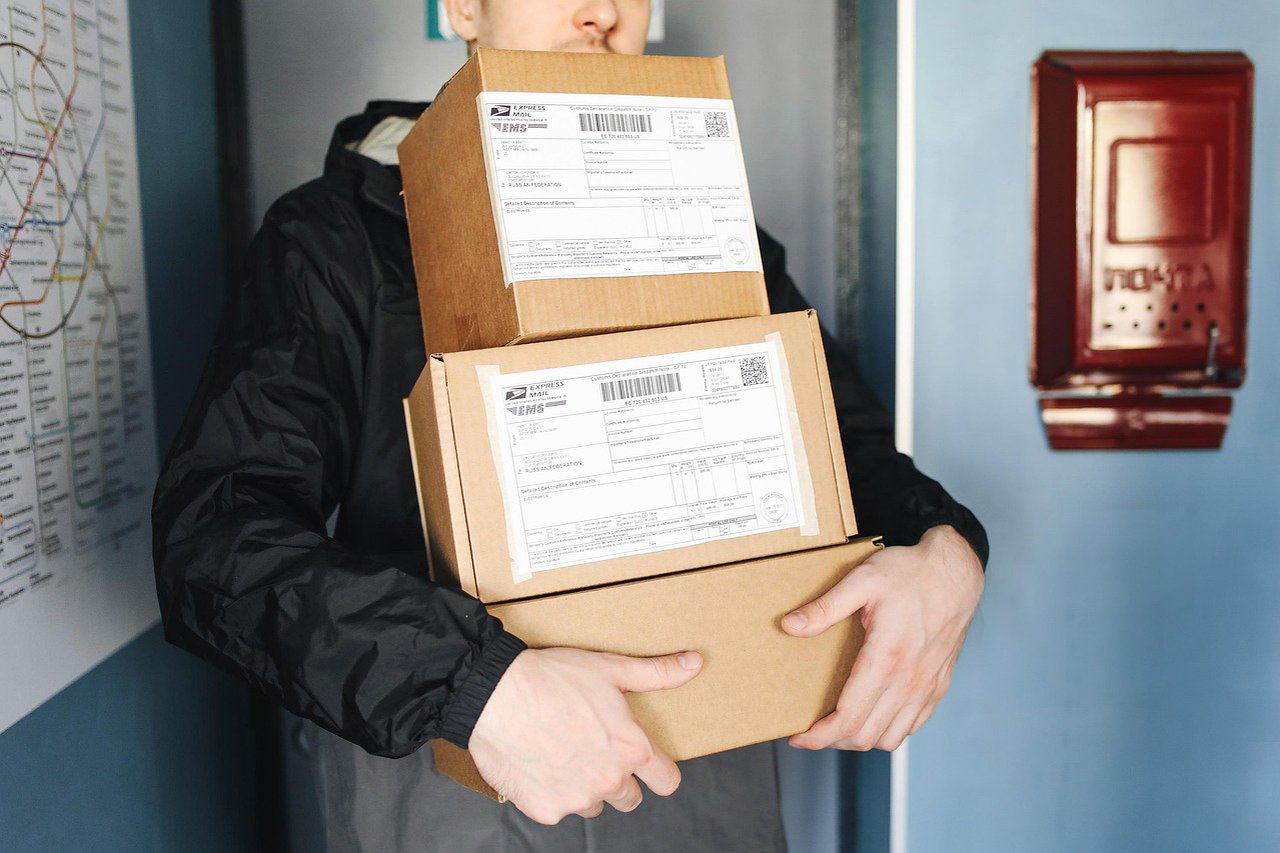
Do I need to ship product samples to Japan, and who handles customs?
In most campaigns, yes: creators use the product before posting, so samples must reach them before production. Customs clearance falls to whoever ships and imports the samples, usually you, your distributor or your agency, so agree in the quote who arranges it and who pays duties. Freight, import duties and category rules are often missing from first quotes. Cosmetics, supplements and food have their own import and labelling requirements, so confirm with a forwarder before you ship. See product and shipping costs in our cost guide and our overview of the Japan ecommerce market.
Should I use Japanese or English in the content?
Japanese, for any campaign aimed at consumers in Japan. Captions, voiceover, on-screen text and the disclosure label should all be in Japanese, written in the creator’s own voice rather than translated from a global script, because translated copy reads as correct but flat. The exception is content aimed at visitors to Japan or at international residents, such as inbound tourism, where English or other languages match the audience. Our guide to Japanese marketing culture explains why tone matters so much.
How do I measure results?
Choose one primary KPI before launch, then measure more than clicks. Japanese buyers often discover a product in a post, save it, search for it later and buy somewhere else, so click-through alone understates what a campaign did. Track saves, which show intent to return; branded search, which shows the follow-up step; referral traffic and creator-specific promo codes for direct response; and a post-campaign survey where budget allows. Our guide to TikTok influencer marketing in Japan shows this measurement mix in use.
Working With an Agency
Do I need an agency, or can I do this myself?
You can run it yourself in three situations: the budget is too small to carry an agency fee, you plan to work with one creator over a long period rather than many at once, or someone on your team already works in Japanese and knows local practice. An agency earns its fee when none of those apply: several creators at once, managed talent you cannot reach, category claims that need review, or a fixed launch date. Our guide to influencer PR agencies sets out when you do not need one.
hotice is a cross-border influencer marketing agency helping overseas brands enter Japan. We handle casting, negotiation, Japanese-language contracts, and ad-disclosure compliance.
Tell us your category, budget range, and timing. We will take it from there.What should I ask before hiring an agency in Japan?
Ask how the work is done, not what is promised. Three revealing questions:
- Is your relationship with the creators direct, or subcontracted? Subcontracting slows coordination and adds a margin to your cost.
- What secondary usage rights are included? Get the period, media and regions in writing, or expect extra fees each time you reuse content in ads.
- Who is responsible for checking the PR disclosure? Legal responsibility stays with you, so the contract should say who checks each post before and after it goes live.
The other four questions, on measurement, reporting, competitors and published results, are in our guide to influencer PR agencies.
How do I brief a Japanese agency?
Give them a written brief that answers every question before they have to ask it. Include:
- The objective and the one KPI that defines success
- The buyer you want to reach, including age and region
- Product facts and category limits, including claims you cannot make
- Prohibited expressions, competitor mentions and tone to avoid
- The required disclosure label and where it goes
- Secondary usage scope: channels, regions and period
- Report format: metrics, timing and language
- Deadlines, approvers and the number of revision rounds
Specify what must be said, and leave how to say it to the creator. Our guide to collaborating with Japanese influencers includes a full brief checklist.
Where These Questions Come From
Many FAQ pages list whatever the writer thought of. This one started from search data. Our search reports for hoticeglobal.com show hundreds of question-style searches, many typed as full sentences. We grouped the recurring themes, left pure statistics questions to our statistics page, and kept the planning questions: what to decide, in what order, and under which conditions. Answers are drawn from our detailed guides, and the legal points are checked against the primary sources below. We review the search data every quarter and replace questions as they change.
Sources checked 25 September 2026: the Consumer Affairs Agency’s stealth marketing overview and Q&A (Japanese), the Japan Fair Trade Commission’s Freelance Act guidance (Japanese), and the US FTC’s Disclosures 101 for Social Media Influencers.
If you are comparing partners, our overview of influencer marketing agencies in Japan compares 30 of them.
Supervised by the hotice Editorial Team, specialists in helping global brands enter the Japanese and Asian markets through influencer marketing. Last updated: September 2026.
Pricing, past campaigns, and how contracts and ad-disclosure compliance are handled from start to finish. Ask us anything before you commit to a budget.
Overseas brands welcome. We work in English, Japanese, Chinese, and Korean.