Influencer PR Agency: What They Do, What They Cost, and When You Need One

- 1. What Is an Influencer PR Agency?
- 1-1. Why the Line Between PR and Influencer Marketing Blurred
- 1-2. The Three Jobs “Influencer PR” Actually Covers
- 2. PR Agency vs Influencer Agency: What Each Actually Delivers
- 2-1. Four Kinds of Partner, Side by Side
- 2-2. When Each One Is the Wrong Choice
- 3. What an Influencer PR Agency Does, Step by Step
- 3-1. Before Launch: Objectives, KPIs, and Creator Selection
- 3-2. Contracts, Production, and Disclosure Checks
- 3-3. Distribution, Measurement, and Reporting
- 4. What It Costs
- 4-1. The Four Layers of an Influencer PR Quote
- 4-2. Retainer, Project, or Commission: Which Fee Model Fits
- 4-3. Three Items That Make a Cheap Quote Expensive
- 5. Doing Influencer PR in Japan: What Changes
- 5-1. Most Japanese Creators Are Represented
- 5-2. Disclosure Is the Advertiser’s Responsibility
- 5-3. Media Relations Work Differently
- 6. How to Choose: Seven Questions to Ask Before You Sign
- 6-1. How will you measure the results of this campaign?
- 6-2. Is your relationship with the creators direct, or subcontracted?
- 6-3. What secondary usage rights are included?
- 6-4. Who is responsible for checking the PR disclosure?
- 6-5. What metrics will the report include?
- 6-6. Are you working with a competitor in my category?
- 6-7. Can you show Japan-specific results you are allowed to publish?
- 7. When You Do Not Need an Agency
- 8. FAQ
- 8-1. What is an influencer PR agency?
- 8-2. What is the difference between a PR agency and an influencer agency?
- 8-3. How much does an influencer PR agency cost?
- 8-4. Do I need a PR agency to work with Japanese influencers?
- 8-5. Can one agency handle both media relations and influencers?
- 8-6. How long does an influencer PR campaign take to set up?
- 8-7. Who is responsible for disclosure in Japan?
- 8-8. How do I find a PR agency in Tokyo?
- 9. Methodology and Data Sources
Pricing, past campaigns, and how contracts and ad-disclosure compliance are handled from start to finish. Ask us anything before you commit to a budget.
Overseas brands welcome. We work in English, Japanese, Chinese, and Korean.TL;DR: A PR agency gets your brand into the media. An influencer agency gets creators to post about it. Influencer PR sits between the two and turns a newsworthy moment into creator content that the press and the public both pick up. To choose, decide first whether you will measure success in coverage or in posts and their numbers.
Brands planning a launch in Japan often hear two offers at once. The PR firm they retain offers to “add some influencers”, and an influencer agency offers to “handle the PR side too”. Both can work or go wrong, because the two are built around different relationships, deliverables and ways of proving results.
This guide separates the jobs, compares four kinds of partner, lists seven questions to ask and covers when you need no agency. For the wider picture, start with our guide to influencer marketing in Japan.
Comparing partners for a Japan launch? hotice is a cross-border influencer marketing agency that helps overseas brands enter the Japanese and wider Asian markets, with a multilingual team working in English, Japanese, Chinese and Korean. Brands including Turtle Beach and Clinique have run their Japan campaigns with us. Book a free consultation and we will tell you plainly whether your brief needs an influencer agency, a PR agency or both.
What Is an Influencer PR Agency?
An influencer PR agency runs public relations through creators. Instead of pitching a story only to journalists, it puts your product, launch or event in front of influencers whose posts start a public conversation, and it uses that conversation to earn further attention, including media coverage. Put simply, it combines the creator relationships of an influencer agency with the storytelling discipline of a PR firm.
The label is used loosely. Some firms using it are PR firms with a creator desk; others are influencer agencies that also write press releases. What matters is which of the jobs below it does in-house.
Why the Line Between PR and Influencer Marketing Blurred
PR used to mean earning unpaid coverage, while advertising meant buying space. Creators straddle that line. Their posts can be paid, gifted or unprompted, they reach audiences that rarely read the outlets PR firms pitch, and editors now treat a viral review or a TikTok trend as news. Once a creator’s post can generate the headline, the old split between PR firm and influencer shop stops making sense.
The Three Jobs “Influencer PR” Actually Covers
Seeding. The agency sends product to selected creators, often without a guaranteed post, so early reactions appear around launch day. The skill lies in choosing recipients and timing delivery. Even when no fee is paid, a post you asked for or shaped can count as your advertising under Japanese rules, so plan disclosure from the start.
Creator attendance at events. The agency invites creators to press events, store openings or launch parties, alongside journalists or instead of them, so the event produces content the same day.
Coverage earned through creators. The agency designs a campaign around a creator angle that journalists want to write about, such as a collaboration product or a creator-led announcement, then pitches it to the media. Only this job needs both skill sets in full.
PR Agency vs Influencer Agency: What Each Actually Delivers

A PR agency delivers coverage. An influencer agency delivers posts and the numbers attached to them. An influencer PR agency is set up to deliver both from a single campaign, and a platform gives you the tools to run the influencer side yourself.
| Partner type | Main deliverable | How success is measured | How fees are structured | Who they have relationships with | Best suited to | Not suited to |
|---|---|---|---|---|---|---|
| PR agency | It secures articles, broadcast mentions and interviews. | Success is counted in media placements and their quality. | Fees are usually a monthly retainer, sometimes a project fee for a launch. | Its relationships are with journalists, editors and broadcast producers. | It suits corporate announcements, market entry news and reputation building. | It is a poor fit when you must show views, clicks or sales from social media. |
| Influencer agency | It delivers sponsored creator posts, videos and livestreams. | Success is counted in views, engagement, saves, traffic and sales per post. | Creator fees are passed through, plus a project or percentage fee. | Its relationships are with creators and the talent agencies that represent them. | It suits product launches and sales campaigns. | It is a poor fit for newspaper or TV coverage, or reputational issues. |
| Influencer PR agency | It produces creator content and coverage around one story or event. | Success is a mix of placements and post performance, agreed before launch. | Fees are often a campaign project fee, with creator costs itemised separately. | It works with both creators and media, though it is usually stronger on one side. | It suits launches and events where you want social buzz and press pickup together. | It is a poor fit for always-on sales campaigns or crisis communications. |
| Platform (software) | It provides software to find creators and track results. | Success is whatever you set up and measure yourself. | Fees are a subscription or licence charge. | It holds no relationships, so each creator relationship is yours to build. | It suits teams with in-house staff who can negotiate with creators in Japanese. | It is a poor fit for brands without Japanese-speaking staff. |
Four Kinds of Partner, Side by Side
Start with the measurement column, because it decides everything else. If you will report a list of articles, you are buying PR. If you will report views, engagement and sales, you are buying influencer marketing. If you need both from the same moment, such as a flagship launch, you are buying influencer PR.
Few agencies are equally close to journalists and creators, so ask which side its own staff handle and which it outsources. Clients also weigh several types: in a hotice survey published in November 2025, 46.8% of the 663 people who had used or were considering an influencer PR agency picked specialist influencer marketing agencies, 39.8% PR firms and 39.2% production companies, and many picked more than one.
When Each One Is the Wrong Choice
A PR agency is the wrong choice when your stakeholders expect social media numbers. PR firms can place creators, but their reporting and contacts are built around coverage.
An influencer agency is the wrong choice when the goal is national newspaper or TV coverage, or handling a sensitive issue. That includes influencer-led agencies like hotice: if press coverage or crisis response is the priority, lead with a PR firm and bring creators in around it.
An influencer PR agency is the wrong choice for an always-on programme where many creators post every month to drive sales. That work rewards process and volume more than storytelling.
A platform is the wrong choice when nobody on your team can negotiate in Japanese. Software finds names, but it does not make introductions.
If this points you toward an influencer-led partner, our comparison of influencer marketing agencies in Japan shows who operates in the market and how they differ.
What an Influencer PR Agency Does, Step by Step
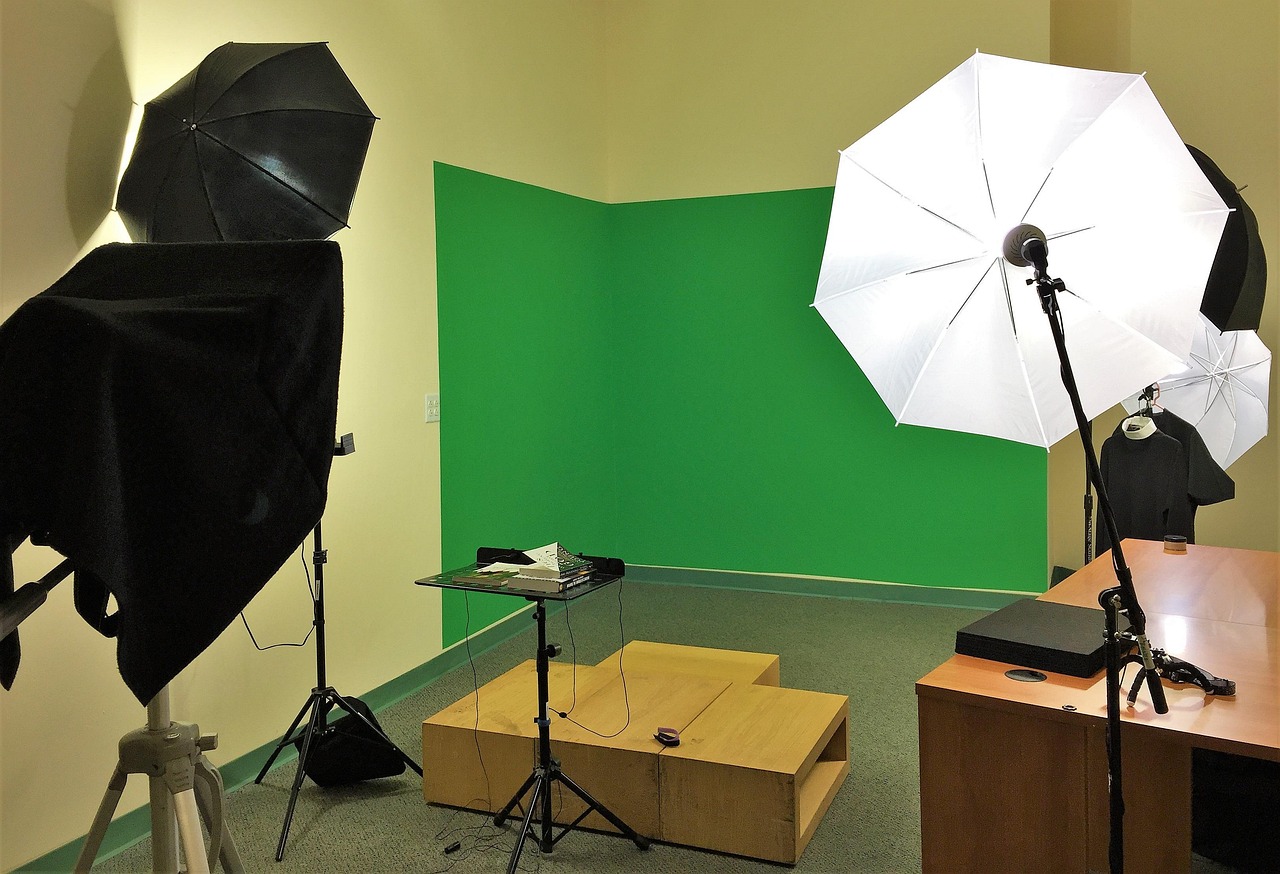
A campaign runs in six stages, and you have work in each. Disputes usually start where nobody wrote down who does what, so agree the split below first.
| Stage | What the agency does | What you do | Where disputes usually start |
|---|---|---|---|
| 1. Objectives and KPIs | Proposes KPIs and what can be measured. | Sets the business goal and signs off the KPI. | A KPI is agreed that the final report cannot actually show. |
| 2. Creator selection | Shortlists creators and checks audience data. | Approves the list and flags conflicts with competitors. | Creators are chosen on follower count without checking where the audience lives. |
| 3. Negotiation and contracts | Agrees fees, deliverables, rights and schedule with creators or management. | Approves terms and confirms whose name the contract is in. | Usage rights and exclusivity are left vague. |
| 4. Production and disclosure checks | Briefs creators, collects drafts and checks disclosure labels. | Reviews drafts against brand and legal requirements on time. | Revision rounds are unlimited, or feedback arrives late. |
| 5. Distribution | Coordinates posting dates and media outreach. | Supplies press materials and approves any paid boosting. | Posts go live before the press announcement or before stock is available. |
| 6. Measurement and reporting | Collects post data and coverage and writes the report. | Shares sales or site data if the KPI depends on it. | The report contains metrics nobody agreed, or data only the creator can see. |
Before Launch: Objectives, KPIs, and Creator Selection
The KPI you choose in stage one shapes every later stage. Measure placements, and the agency will favour creators with media appeal and plan around a press moment. Measure post performance, and it will favour creators whose audiences engage and buy.
Selection is where Japan-specific checks matter most. Ask for each creator’s audience country breakdown, not just follower count, because a Japanese-language account can still have many followers outside Japan. Our guide on how to discover influencers covers building a shortlist.
Contracts, Production, and Disclosure Checks
Find out whose name each creator contract is in. If the agency contracts with creators, it manages payments, deadlines and revisions, and your recourse runs through it. If you contract directly, you gain control and take on the administration. Either way, disclosure remains your legal responsibility in Japan. Our guide to influencer contracts in Japan explains which clauses to insist on.
Distribution, Measurement, and Reporting
Agree the report template before launch: the metrics, the source of each and the due date. Some numbers, such as reach, audience demographics and, on Instagram, saves, appear only in the creator’s own analytics, so the contract must require sharing them. For reference, see these influencer marketing examples in Japan.
What It Costs
An influencer PR quote has four layers. Budget surprises usually come from a layer missing from the first quote, not from a high price on a visible one.
| Cost layer | Who you pay | What sets the price | Often missing from quotes? |
|---|---|---|---|
| 1. Creator fees | The creator or their management, directly or via the agency | Audience size, platform, format and number of posts | Rarely missing, but sometimes quoted without usage rights |
| 2. Agency fee | The agency | Scope of work, number of creators and length of the engagement | Sometimes folded into creator fees, which hides the margin |
| 3. Production costs | The agency, a production company or the creator | Shoots, editing, locations, product samples, shipping and event costs | Often, especially shipping, samples and venues |
| 4. Secondary usage rights | The creator and their management, through the contract | Usage period, media (organic, paid ads, in-store) and region | Frequently, and it is the item most often added later |
The Four Layers of an Influencer PR Quote
Ask every agency to show all four layers as separate lines, even when one is zero. A total alone makes agencies impossible to compare, because one may include usage rights and production while another leaves both for later. A platform subscription, if you use one, sits outside all four. For how each layer is built and what moves a quote, see our breakdown of influencer marketing costs in Japan.
Retainer, Project, or Commission: Which Fee Model Fits
| Fee model | How it works | Fits best when | Watch out for |
|---|---|---|---|
| Monthly retainer | A fixed monthly fee for an agreed scope of ongoing work | You need continuous PR activity and a team that knows your brand | Scope creep, and months where little is delivered |
| Project fee | One fee for a defined campaign with a start and end date | You have a single launch, event or seasonal push | Change requests after sign-off being billed as extras |
| Commission | A percentage added on top of creator spend | Creator spend is large and the scope is mostly booking and coordination | An incentive to recommend more expensive creators |
With commission, ask how the percentage is calculated and whether it applies to usage rights.
Published prices, for reference only. One Tokyo PR firm lists ¥500,000 to ¥1,000,000 a month for a corporate PR retainer, usually on a one-year contract. Another gives example retainers of ¥800,000 and ¥1,200,000 a month for a global company’s PR programme in Japan, and about ¥1,000,000, venue excluded, for a press conference with around 20 invited journalists. Release distribution costs far less: PR TIMES charges ¥30,000 per release, or ¥80,000 a month for up to 30 releases, excluding tax. Read these as a typical range as of September 2026, not a quote. Creator fees are covered in our guide to influencer marketing costs in Japan.
Three Items That Make a Cheap Quote Expensive
Secondary usage. If the quote covers organic posting only, every later use in paid ads, on your website or in stores becomes a new negotiation. Price the rights you expect to need at the start.
Retouching and revision rounds. A low fee with one revision round can end up costing more than a higher fee with three. Ask how many rounds are included.
Report depth. A cheap quote often reports only views and likes. If you need saves, clicks, audience data or sales attribution, confirm them now, because adding them later may be impossible.
hotice is a cross-border influencer marketing agency helping overseas brands enter Japan. We handle casting, negotiation, Japanese-language contracts, and ad-disclosure compliance.
Tell us your category, budget range, and timing. We will take it from there.Doing Influencer PR in Japan: What Changes
Three things change in Japan: how creators are represented, who is legally responsible for disclosure and how the press receives news.
Most Japanese Creators Are Represented
Established creators in Japan commonly work through talent agencies or multi-channel networks (MCNs), which handle negotiations, schedules and approvals. A direct message from an overseas brand is often ignored or forwarded to management, and the answer then depends on whether that company knows you.
So in Japan, “who does the agency already work with?” is the real selection criterion. Two agencies can list the same creator, but only one may get a reply this month. Ask which management companies it works with regularly, not just for creator names.
Disclosure Is the Advertiser’s Responsibility
Since 1 October 2023, stealth marketing has been a violation of Japan’s Act against Unjustifiable Premiums and Misleading Representations. According to the Consumer Affairs Agency, the regulated party is the business operator, meaning the advertiser, and influencers who receive advertising requests from a company are not themselves subject to the rule. Disclosure is the advertiser’s responsibility, even when an agency briefs the creator and the creator writes the post. Your contract should name who checks each post’s label, but that operational duty does not move the legal risk away from you. Our guide to Japan’s stealth marketing regulation covers what counts and how labels must appear.
Media Relations Work Differently
Much of Japan’s official news reaches the press through kisha clubs, which the Japan Newspaper Publishers & Editors Association (NSK) describes as voluntary bodies of journalists who regularly gather news from public institutions, often from press rooms inside them. NSK’s guidelines say the clubs should be as open as possible, including to foreign media, but in practice they are organised around official sources, and a consumer launch from an overseas brand rarely reaches reporters that way.
For companies, the more common route is press release distribution plus direct pitching. PR TIMES, a distribution service widely used in Japan, reported 129,233 client companies as of 31 May 2026 and said that 65.8% of Japan’s listed companies used it, in results for the first quarter of its fiscal 2026 (the year to February 2027), published on 14 July 2026. A Japanese-language release on a service like this is the minimum, not a media strategy, which is why creators often do more of the work of getting noticed.
How to Choose: Seven Questions to Ask Before You Sign

Put these questions to every agency on your shortlist, and ask for the answers in writing.
How will you measure the results of this campaign?
The answer should name either placements or post metrics, and ideally both with a clear priority. An agency that stays vague here is the one you will argue with at the reporting stage. Expect sales to come up too: in the hotice survey above, 42.2% of respondents said they judge an agency mainly by sales or conversions, against 25.8% for buzz.
Is your relationship with the creators direct, or subcontracted?
Subcontracting is common and not a problem in itself, but each extra link slows approvals and adds a margin to the fee. Ask which creators on the proposal the agency has worked with before.
What secondary usage rights are included?
Ask for the period, the media and the region covered. If rights are not included, every reuse in ads or on your own channels will cost extra.
Who is responsible for checking the PR disclosure?
Legally, you are. Operationally, someone has to check every post before and after it goes live, so write into the contract which side does that and how quickly problems are corrected.
What metrics will the report include?
Ask for a sample report. Check whether it covers impressions, engagement, saves, traffic and sales, and which of those depend on data the creator must share.
Are you working with a competitor in my category?
Ask whether the agency will exclude direct competitors, for how long and whether the same applies to the creators it books for you.
Can you show Japan-specific results you are allowed to publish?
Published case studies show that a past client was willing to be named. If an agency can only describe results privately, ask why, and ask for a reference you can speak to.
Want to put these seven questions to us? Send us your brief and we will go through each answer against your launch plan, including the cases where we think another kind of partner would serve you better. Book a free consultation.
When You Do Not Need an Agency
Agencies earn their fee through relationships, language and coordination. If you do not need those, you can run influencer PR yourself.
Your budget is small. If you can afford only a few creators, an agency fee may take a large share of the spend. Seed product to a handful of well-chosen creators and build from the responses.
You want one long-term creator partnership. A single ambassador relationship is often better managed directly, because the work is mostly relationship upkeep.
You have the people in-house. A team member who negotiates in Japanese, understands disclosure rules and can read creator analytics can cover much of what an agency does, using the free influencer marketing tools available in Japan. For more on running campaigns yourself, see our Japan influencer marketing FAQ.
FAQ
What is an influencer PR agency?
An influencer PR agency runs public relations through creators. It puts your product, launch or event in front of influencers whose posts start a public conversation, then uses that conversation to earn further attention, including media coverage. It combines the creator relationships of an influencer agency with the storytelling approach of a PR firm. Most agencies using the label are stronger on one side, so ask which of the three jobs (seeding, creator events and coverage earned through creators) the agency handles in-house.
What is the difference between a PR agency and an influencer agency?
A PR agency is measured by media coverage, and an influencer agency is measured by creator posts and their numbers. PR firms hold relationships with journalists and often work on retainers, while influencer agencies hold relationships with creators and their management and often work per project. If your stakeholders will judge the campaign by articles, hire for PR. If they will judge it by views, engagement and sales, hire for influencer marketing. The comparison table above covers all four partner types.
How much does an influencer PR agency cost?
The total depends on four layers: creator fees, the agency fee, production costs and secondary usage rights. Agencies charge their own fee as a monthly retainer, a project fee or a percentage of creator spend. Because creator fees vary widely by audience size and platform, compare quotes layer by layer rather than by total. As a rough reference, two Tokyo PR firms publish monthly retainers between ¥500,000 and ¥1,200,000, and PR TIMES charges ¥30,000 excluding tax to distribute one release (September 2026). Creator fees and what drives each cost line are covered in our guide to influencer marketing costs in Japan.
Do I need a PR agency to work with Japanese influencers?
No. You need a way to reach creators, which in Japan usually means reaching their management companies, and you need someone who can negotiate and check content in Japanese. An influencer agency, an influencer PR agency or a capable in-house team can all do that. A PR agency matters only if media coverage is a goal. With a small budget or one long-term creator partnership, running the work yourself can make more sense. The section on when you do not need an agency explains the trade-offs.
Can one agency handle both media relations and influencers?
Some can, but few are equally strong at both. The test is to ask whether their creator relationships are direct or subcontracted, and whether they can show published Japan results covering both coverage and creator content. An agency that subcontracts the creator side, or has case studies only for press placements, is a PR firm with an influencer offer. The reverse also applies. If you need both at full strength, it can be simpler to hire two specialists and make one of them responsible for coordination.
How long does an influencer PR campaign take to set up?
It depends on the campaign, but the slowest stages are usually creator confirmation and contracts, because offers in Japan typically go through the creator’s management and each side reviews the terms. Draft review and disclosure checks come next, especially when legal teams outside Japan must approve Japanese-language content. Event-based campaigns also depend on venue availability and press schedules. Map your timeline against the six stages in the step-by-step section and ask each agency for a realistic schedule for your specific brief.
Who is responsible for disclosure in Japan?
The advertiser. Under the stealth marketing rules that took effect on 1 October 2023, the Consumer Affairs Agency treats the business operator as the regulated party, and influencers who receive a request from a company are not themselves the target of the rule. You can ask your agency to check labels and your contract can assign that task, but the legal responsibility stays with your brand. Our guide to Japan’s stealth marketing regulation explains what a compliant label looks like.
How do I find a PR agency in Tokyo?
Start from the result you need rather than the location, because a Tokyo address tells you little about what a firm can deliver. Decide whether you are buying coverage, creator content or both, then shortlist firms whose published work matches that goal and put the seven questions in this guide to each of them. Check whether they work in English, whether their relationships with journalists or creators are direct and whether they can pitch in Japanese alongside your global team.
Methodology and Data Sources
All figures in this article were checked against the original sources on 24 and 25 September 2026.
- Consumer Affairs Agency, stealth marketing rules: https://www.caa.go.jp/policies/policy/representation/fair_labeling/stealth_marketing
- Japan Newspaper Publishers & Editors Association, Kisha Club Guidelines (2002, partially revised 2006): https://www.pressnet.or.jp/english/about/guideline/
- PR TIMES Corporation, Q1 FY2026 results (14 July 2026): https://prtimes.jp/main/html/rd/p/000001683.000000112.html
- Published prices (checked 25 September 2026): Communication Design, https://www.cd-j.net/contractform/; Tokyo PR, https://www.tokyopr.co.jp/procedure/contract; PR TIMES, https://prtimes.jp/price/
- hotice, online survey of 1,503 respondents (general consumers and corporate representatives), figures from the 663 who had used or were considering an influencer PR agency, published 21 November 2025: https://hoticeglobal.com/blog/trends/japanese-influencer-pr-agency-survey/
Ready to brief a partner for Japan? hotice plans and runs influencer campaigns for overseas brands entering Japan, with a multilingual team covering creator selection, management company negotiations, disclosure checks and reporting.
Supervised by the hotice Editorial Team, specialists in helping global brands enter the Japanese and Asian markets through influencer marketing. Last updated: September 2026.
Pricing, past campaigns, and how contracts and ad-disclosure compliance are handled from start to finish. Ask us anything before you commit to a budget.
Overseas brands welcome. We work in English, Japanese, Chinese, and Korean.