How to Find a Japan Distributor: Partner Types, Vetting, and What Your Brand Must Still Own
- 1. What Does a Distributor Do in Japan?
- 1-1. Why Wholesalers Still Matter
- 1-2. How the Channel Is Changing
- 2. Types of Distribution Partners in Japan
- 2-1. Importer-Distributors and Sole Distributors
- 2-2. Commission Agents
- 2-3. Specialist Wholesalers
- 2-4. Trading Companies
- 3. Do You Actually Need a Distributor?
- 3-1. Signs a Distributor Fits
- 3-2. When Another Route Should Come First
- 4. What to Prepare Before You Start Searching
- 4-1. Write a Partner Brief
- 4-2. Map Who Must Hold Which License
- 4-3. Build a Japanese Information Pack
- 5. Where to Find Distributors in Japan
- 5-1. Trade Shows
- 5-2. Public Trade Bodies
- 5-3. Trusted Introductions
- 5-4. Retail and Competitor Research
- 6. How to Vet a Japanese Distributor
- 6-1. Check Public Records
- 6-2. Commission a Credit Report
- 6-3. Test Commercial Capability
- 6-4. Visit, Then Speak to References
- 7. How to Approach and Agree Terms With a Distributor
- 7-1. Make It Easy to Say Yes Internally
- 7-2. Treat Exclusivity as Something to Earn
- 7-3. Points to Raise With Japanese Counsel
- 8. What a Distributor Will Not Do for Your Brand
- 8-1. Why Awareness Should Stay Close to the Brand
- 8-2. Connect Creator Activity to Store Availability
- 8-3. Agree Who Is Responsible for Disclosure and Claims
- 9. FAQ
- 9-1. How do I find a distributor in Japan?
- 9-2. What is the difference between an agent and a distributor in Japan?
- 9-3. Should I give a Japanese distributor exclusive rights?
- 9-4. Do I need a Japanese company to sell through a distributor?
- 9-5. How can I check whether a Japanese company is legitimate?
- 9-6. Will a distributor handle marketing in Japan?
- 9-7. How long does it take to find a distributor in Japan?
- 10. Methodology and Data Sources
Pricing, past campaigns, and how contracts and ad-disclosure compliance are handled from start to finish. Ask us anything before you commit to a budget.
Overseas brands welcome. We work in English, Japanese, Chinese, and Korean.TL;DR: A Japan distributor buys your product and resells it through its own trade network. Choose the partner type that fits your category, source candidates through introductions, trade shows and public bodies, verify their records, start with a limited scope, and keep responsibility for brand awareness in your own hands.
Finding the right Japan distributor is often the decision that shapes an overseas brand’s first years in the market. A good partner opens doors to buyers you could not reach alone. A poor fit can tie up your product in a warehouse, with few sales and little room to change course.
This guide explains the main types of distribution partner, where to look for candidates and how to vet them. It also covers the part many brands overlook: distributors are built to move product through the trade, so consumer demand usually has to come from somewhere else. For the wider choice of routes, see our guide on how to sell in Japan; for the consumer side, our overview of influencer marketing in Japan.
What Does a Distributor Do in Japan?
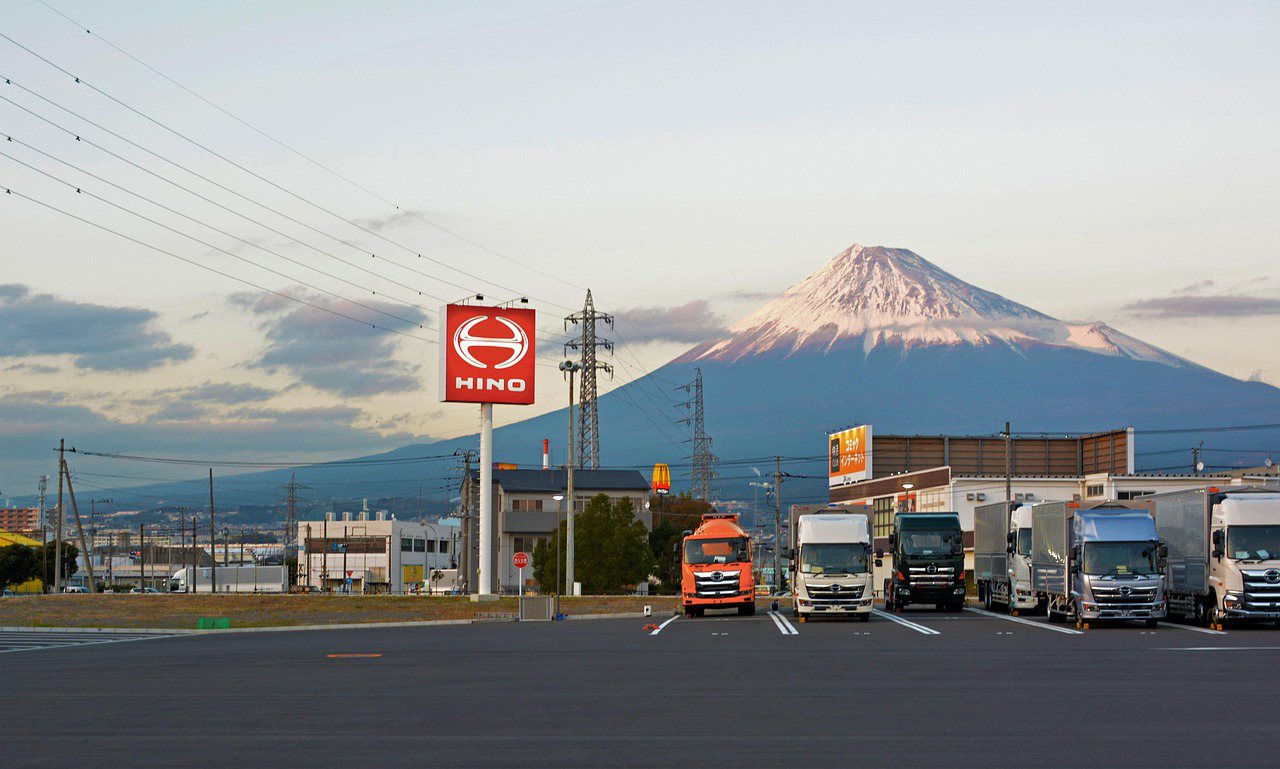
A distributor in Japan buys goods from a supplier and resells them to retailers, businesses or other wholesalers, usually handling import, stock, delivery and trade relationships along the way. For many overseas companies, this is the first step into the market: the US International Trade Administration’s Japan Country Commercial Guide (last published 18 November 2025) describes agents and distributors as the most common partnerships foreign firms use to gain an initial foothold.
Why Wholesalers Still Matter
Wholesale remains a very large part of the Japanese economy. The 2021 Economic Census for Business Activity, published by the Ministry of Internal Affairs and Communications and the Ministry of Economy, Trade and Industry (METI), counted 348,889 wholesale establishments and 3,856,785 people working in them as of 1 June 2021. Annual sales at incorporated wholesale establishments came to about 389.4 trillion yen in calendar 2020, a total that covers industrial goods as well as consumer products.
| Wholesale sector | Annual sales, 2020 | Share of wholesale total |
|---|---|---|
| All wholesale trade | About 389.4 trillion yen | 100% |
| Food and beverages | About 50.2 trillion yen | 12.9% |
| Electrical machinery and equipment | About 44.2 trillion yen | 11.3% |
| Pharmaceuticals and cosmetics | About 32.7 trillion yen | 8.4% |
The Country Commercial Guide links part of this structure to limited retail space, which requires wholesalers to deliver small quantities more often. Smaller stores depend on that service, and a new supplier rarely replaces it alone.
How the Channel Is Changing
The same guide reports substantial consolidation in distribution over the past two decades, with suburban big box retailers and ecommerce challenging the traditional model. Traces of the keiretsu system of related suppliers also remain, which can limit access for newcomers in some sectors. Our guide to keiretsu and sogo shosha explains how those groups affect B2B sales.
Types of Distribution Partners in Japan
The main partner types are importer-distributors, commission agents, specialist wholesalers, trading companies and retailers that import directly. They differ in who owns the stock, who controls price and how close you stay to the customer.
| Partner type | How it works | Often suits | Watch for |
|---|---|---|---|
| Importer-distributor | Buys, imports and resells under its own terms | Consumer brands needing a full local operator | Low visibility of end customers |
| Sole distributor (sodairiten) | Holds exclusive rights for a product or territory | Brands wanting one committed partner | Dependence on a single company |
| Commission agent | Sells for you and earns a commission | Industrial goods and high-value equipment | More operational work stays with you |
| Specialist wholesaler (tonya or oroshi) | Supplies retailers in a defined category or region | Products already imported, or sold through an importer | Limited role in launching unknown brands |
| Trading company (shosha) | Handles trade, finance and logistics across sectors | Large volumes and materials | Your product may be a small part of its portfolio |
| Direct-import retailer | Buys from you with no intermediary | Differentiated products with a clear retail fit | Narrow reach and demanding terms |
Importer-Distributors and Sole Distributors
An importer-distributor takes on the most work, and it is the model many consumer brands look for first. Japan’s Fair Trade Commission (JFTC) notes in its distribution guidelines that sole distributorship contracts are sometimes used by foreign companies to enter the Japanese market, because they reduce the supplier’s entry cost and risk. The trade-off is that your Japanese results then depend heavily on one partner’s priorities.
Commission Agents
An agent sells on your behalf and earns a commission, while a distributor buys the product and adds its own markup. Agents are worth considering when sales are few, technical and high in value, or when you want to stay close to the end customer. Expect to carry more responsibility for logistics, invoicing and after-sales support.
Specialist Wholesalers
Wholesalers concentrate on a category or region and maintain regular relationships with retail buyers. Many prefer products that already have an importer and Japanese packaging, so a wholesaler is often a second layer beneath your main partner. Ask your distributor which wholesalers it uses, because those relationships determine where your product can actually appear.
Trading Companies
Japan’s general trading companies, or sogo shosha, and smaller specialist trading companies, or senmon shosha, can bring finance, logistics and broad networks. The Country Commercial Guide notes that integrated business groups can be effective partners or strong competitors for smaller firms. A specialist house is frequently the more realistic target for a brand without large volumes.
Do You Actually Need a Distributor?

You need a distributor when physical retail or trade relationships are essential to your category and you cannot yet support them yourself. If your customers buy online, or you first need proof of demand, another route may come first.
Signs a Distributor Fits
- Your category sells mainly through stores, salons, clinics, restaurants or business buyers.
- Import licensing, labeling or after-sales support would be hard to manage from overseas.
- Buyers expect a Japanese contact who can answer quickly and deliver small orders reliably.
- You are ready to give up some control over price and customer data in exchange for reach.
When Another Route Should Come First
Direct online sales can test demand and generate reviews before you approach the trade. Our analysis of the Japanese ecommerce market covers the platforms and practical requirements. Evidence of real Japanese demand also strengthens your position: a distributor is more likely to commit when you can show who buys the product and why. If you are still deciding whether to enter at all, start with our guide to doing business in Japan.
What to Prepare Before You Start Searching
Prepare a clear partner brief, a view of the regulatory duties in your category and a Japanese information pack. Candidates judge your seriousness by these materials, and they make it easier for your contact to explain the proposal inside their own company.
Write a Partner Brief
Keep it to one or two pages. State your target customer, priority channels, positioning against local competitors, supply capacity, and the marketing support you will provide. Add what you expect from the partner in the first year. A specific brief filters out poor matches early, and it gives you a consistent basis for comparing candidates.
Map Who Must Hold Which License
Regulation often decides which partners are even eligible, so check it before you compare commercial offers. Two common examples, confirmed on 18 November 2026:
- Food and beverages: Under Article 27 of the Food Sanitation Act, anyone importing food for sale or business use must notify the Minister of Health, Labour and Welfare on each occasion.
- Cosmetics: Under Article 12 of the Pharmaceuticals and Medical Devices Act, importing cosmetics and selling them as a business requires a cosmetics marketing license. Packaging, labeling or storing imported products in Japan generally calls for a manufacturing license as well, although some storage-only sites can register instead. Aichi Prefecture’s guidance adds that wholesaling or retailing products bought from a licensed marketing company in Japan needs no such license.
Electrical goods, medical devices, supplements and many other categories have rules of their own. Requirements change, so check the responsible ministry’s current guidance and consult a customs or regulatory specialist before shipping anything.
Build a Japanese Information Pack
Include a company profile, product specifications, ingredient or material data, certifications, sales evidence and images that can be reused in trade proposals. Translation alone is rarely enough: benefits, proof points and packaging may need adapting too, as our guide to Japan localization explains.
Where to Find Distributors in Japan

The most productive sources are trade shows, public trade bodies, trusted introductions and direct observation of who already distributes similar products. Use several at once, since each reveals a different kind of candidate.
| Source | What it offers | Limits |
|---|---|---|
| Trade shows | Many candidates in one place, with live product feedback | Requires preparation and follow-up in Japanese |
| JETRO e-Venue | Free online business matching operated by JETRO | Responses depend on your listing and category |
| Your government’s trade office | Local market advice and introductions | Services and eligibility vary by country |
| Banks, advisers and chambers of commerce | Introductions that carry credibility | Depends on the strength of your network |
| Store and online research | Shows who already handles similar products | Current partners may have conflicts |
Trade Shows
Exhibiting or visiting lets you meet buyers and importers and see how they respond to the product. FOODEX JAPAN, organized by the Japan Management Association, is scheduled for 9 to 12 March 2027 at Tokyo Big Sight, according to its official site as of 18 November 2026; confirm details there before booking. Our guides to trade shows in Japan and FOODEX Japan cover selection and preparation.
Public Trade Bodies
The Japan External Trade Organization (JETRO) operates e-Venue, a free online platform for finding international business partners. Your own country’s embassy or trade agency may also help. US companies, for instance, can turn to the US Commercial Service in Japan, which offers background checks on potential partners through its International Company Profile service.
Trusted Introductions
An introduction is usually worth more than a large contact list. The Country Commercial Guide advises US firms not to use contact lists for cold calls on prospective agents, because Japanese businesspeople generally prefer to be properly introduced and to meet face to face. Ask your bank, law firm, existing Asian partners or a chamber of commerce to make the connection. Our guide to Japanese business etiquette covers how to handle those first meetings.
Retail and Competitor Research
Imported packaged goods in stores often name the importer or seller on the Japanese label. Visit the shops where you want to be sold, photograph comparable products and note the companies behind them. Marketplaces and trade magazines can extend the list. This method gives you candidates with proven category experience, though you will need to ask whether a competing line creates a conflict.
How to Vet a Japanese Distributor

Vet a distributor by confirming that the company exists as described, is financially sound, has real reach in your channel and will give your brand attention. The Country Commercial Guide advises establishing due diligence procedures and checking the bona fides of Japanese agents, distributors and customers.
Longlist
Gather candidates from several sources.
Records
Check registration, licenses and credit.
Meetings
Test channel reach and commitment in person.
Pilot
Begin with a limited scope and clear measures.
General pattern. The order and depth of each step differ by category and deal size.
Check Public Records
Three public sources make a useful first pass. The National Tax Agency’s corporate number site publishes each company’s name, address and corporate number. METI’s gBizINFO provides government-held data on more than 5 million companies, including records such as subsidies, certifications and patents where available. The commercial registry, available online through the paid Registry Information Service, is in Japanese, so a local adviser can help you read it.
hotice is a cross-border influencer marketing agency helping overseas brands enter Japan. We handle casting, negotiation, Japanese-language contracts, and ad-disclosure compliance.
Tell us your category, budget range, and timing. We will take it from there.Commission a Credit Report
Public records say little about a private company’s finances, so a credit report is worth considering before you extend payment terms. Availability varies by provider: Tokyo Shoko Research, for example, states that its products are not available to customers outside Japan and directs overseas users to its partner, Dun & Bradstreet. For US companies, the Country Commercial Guide adds that the International Company Profile is not a substitute for the comprehensive due diligence needed to meet US anti-corruption obligations.
Test Commercial Capability
| Area | Questions to ask | Evidence to request |
|---|---|---|
| Channel reach | Which retailers or buyers do you supply today? | Named accounts, store lists, sales coverage |
| Category fit | Which similar brands do you handle, and do any compete with ours? | Current brand portfolio |
| Launch experience | Which unknown overseas brands have you launched? | Examples with results you can verify |
| Regulatory capacity | Who acts as importer, and which licenses do you hold? | Copies of licenses and notifications |
| Sales resources | Who will work on our brand, and for how much of their time? | Named team and a first-year plan |
| Reporting | What sell-through and inventory data can you share? | Sample report |
Pay close attention to the answers on staffing. A large portfolio can look impressive and still leave a new brand without anyone actively selling it.
Visit, Then Speak to References
Go to the office and warehouse, and walk through stores the candidate supplies. Ask to speak with another overseas supplier, ideally one with a similar product. How a company responds to these requests tells you something too: partners that are confident in their work tend to arrange them readily.
How to Approach and Agree Terms With a Distributor

Approach candidates through an introduction where possible, expect several meetings, and settle commercial responsibilities in writing before you sign. Decisions may take longer than you are used to, because proposals often need to be shared and approved internally.
Make It Easy to Say Yes Internally
Your contact usually has to persuade colleagues. Supply a short Japanese summary, samples and answers to likely objections on margin, supply and marketing support. Our guide to nemawashi and ringi explains how proposals move through a Japanese company.
Treat Exclusivity as Something to Earn
Exclusivity can secure commitment, but the Country Commercial Guide warns against being pressured into it when a partner’s ability or willingness to develop the market is in doubt. Many brands prefer to start narrowly, by channel, region or period, and extend rights once agreed sales and activity measures are met.
Points to Raise With Japanese Counsel
Contract terms need professional review, and the Country Commercial Guide calls retaining a competent Japanese legal professional a practical necessity. As general background, the JFTC guidelines treat restricting a distributor’s resale price as illegal in principle, while a suggested price offered purely for reference is not itself a problem. The guidelines also address competing products, sales territories and parallel imports. A revision on 8 July 2026 added a case in which a supplier’s price instruction is usually not illegal: the supplier bears the distributor’s risks and costs up to the sale to the user, so it is in substance the seller. The JFTC’s English translation predates this change, so ask your lawyer to work from the current Japanese text.
What a Distributor Will Not Do for Your Brand

Most distributors will not build consumer awareness for an unknown brand on their own. Their strength is getting products onto shelves and keeping them supplied, whereas persuading shoppers to look for the product usually remains the brand’s job. Agree that split early, because a listing without demand is hard to keep.
| Activity | Distributor typically leads | Brand typically leads |
|---|---|---|
| Import, stock and delivery | Yes | Provides compliant product and documents |
| Buyer negotiations and listings | Yes | Supplies sales materials and proof of demand |
| In-store execution | Yes, often with retailers | Funds or designs agreed promotions |
| Brand story and positioning | Gives local feedback | Yes |
| Social media and creator campaigns | Coordinates stock and store timing | Yes, unless contracted otherwise |
| Customer insight | Shares sell-through data | Yes, combining it with its own research |
The table shows a common pattern rather than a rule. Whatever split you choose, name an owner for each activity in the partner plan.
Why Awareness Should Stay Close to the Brand
A distributor may carry many brands and has limited reason to invest in the long-term equity of yours, particularly if its rights could end. Keeping your voice, Japanese social accounts and customer insight under your own control also protects you if the partnership changes. Social listening in Japan can reveal how shoppers talk about your category before you commit to a message.
Connect Creator Activity to Store Availability
Creator content works best in this model when it is timed to distribution. Plan posts around new store listings, tell shoppers where to buy, and share the results with your distributor so its sales team can show buyers the demand. Product gifting through influencer seeding is one way to start at a modest scale, and our guide to influencer marketing costs in Japan explains what shapes a budget.
Agree Who Is Responsible for Disclosure and Claims
Since 1 October 2023, advertising that consumers cannot recognize as advertising has violated Japan’s Act against Unjustifiable Premiums and Misleading Representations. Giving a creator a product while requesting or expecting a post can make that post the business’s own advertising, depending on the circumstances. It then needs a clear PR label, and the responsibility for disclosure lies with the advertiser. For cosmetics and other regulated products, the Pharmaceuticals and Medical Devices Act bans false or exaggerated advertising by any person, so creators and agencies can be liable too. Our guide to Japan’s stealth marketing regulation explains the rules; settle in writing who approves content when a distributor is involved.
FAQ
How do I find a distributor in Japan?
Start with a written brief covering your product, target channels and the support you can offer. Then build a longlist from trade shows, public trade bodies such as JETRO, introductions from banks, advisers or existing partners, and the importers named on competing products in stores. Vet the shortlist against public records, meet the candidates in person and begin with a limited scope.
What is the difference between an agent and a distributor in Japan?
A distributor buys your product and resells it at a price it sets, so it carries the inventory and the customer relationship. An agent sells on your behalf and earns a commission, which leaves you closer to pricing and customers but also with more of the operational work. The legal effect depends on the contract, so have a Japanese lawyer review the wording.
Should I give a Japanese distributor exclusive rights?
Only when the candidate has shown it can and will develop the market. Exclusivity can secure commitment, but it also concentrates your risk in one company. If you grant it, consider limiting it by channel, territory or period and tying it to agreed performance measures. Take legal advice before signing, because exclusive arrangements raise competition law questions in Japan.
Do I need a Japanese company to sell through a distributor?
Not necessarily. Many overseas brands sell to a Japanese importer or distributor without a local entity, and the Japanese partner handles import and local sales. Category rules still matter: food imports need a notification from the importer, and importing cosmetics for sale requires a specific license. Confirm your own structure with a qualified adviser.
How can I check whether a Japanese company is legitimate?
Begin with the National Tax Agency corporate number site, which publishes a company’s name, address and corporate number. METI’s gBizINFO adds government-held data, and the commercial registry shows registered details. For financial standing, commission a credit report through a provider that serves overseas clients. Treat these checks as a starting point and add references and site visits.
Will a distributor handle marketing in Japan?
Usually only part of it. Distributors tend to focus on trade sales, buyer relationships, logistics and in-store execution. Consumer awareness, brand voice and social content often remain with the brand unless the agreement says otherwise. Write down who owns each activity and who approves Japanese claims and creative, so that neither side assumes the other is doing the work.
How long does it take to find a distributor in Japan?
There is no standard timeline, because it depends on the category, regulatory preparation and how quickly each side completes internal approval. Japanese companies often build consensus before committing, so allow for repeat meetings, sample reviews and written proposals. Asking each candidate early how its decision process works gives you a more reliable schedule than any general estimate.
Methodology and Data Sources
Statistics, legal references and program details in this guide rest on the primary sources below, accessed on 18 November 2026. Descriptions of partner types, vetting and the division of work reflect general commercial practice and vary by category and company. This guide is general information, not legal, tax or customs advice.
- Ministry of Internal Affairs and Communications and METI, 2021 Economic Census for Business Activity, wholesale and retail results (Japanese): https://www.stat.go.jp/data/e-census/2021/kekka/pdf/oroshikouri_outline.pdf
- US International Trade Administration, Japan Country Commercial Guide: Distribution and Sales Channels: https://www.trade.gov/country-commercial-guides/japan-distribution-sales-channels
- US International Trade Administration, Japan Country Commercial Guide: Market Entry Strategy: https://www.trade.gov/country-commercial-guides/japan-market-entry-strategy
- Japan Fair Trade Commission, Guidelines Concerning Distribution Systems and Business Practices under the Antimonopoly Act (tentative English translation, reflecting revisions through June 2017): https://www.jftc.go.jp/en/legislation_gls/210122.pdf
- Japan Fair Trade Commission, current distribution guidelines as revised on 8 July 2026 (Japanese): https://www.jftc.go.jp/dk/guideline/unyoukijun/ryutsutorihiki_files/ryutsutorihikigl_2026.pdf
- Japan Fair Trade Commission, revision of the distribution guidelines, 8 July 2026 (Japanese): https://www.jftc.go.jp/houdou/pressrelease/2026/jul/260708_soushi_ryutori.html
- Ministry of Health, Labour and Welfare, import procedure under the Food Sanitation Act: https://www.mhlw.go.jp/stf/seisakunitsuite/bunya/kenkou_iryou/shokuhin/yunyu_kanshi/kanshi/index_00004.html
- e-Gov Law Search, Pharmaceuticals and Medical Devices Act, Articles 2, 12, 13 and 13-2-2 (Japanese): https://laws.e-gov.go.jp/law/335AC0000000145
- Aichi Prefecture, licenses required to market or manufacture cosmetics, including imports (Japanese): https://www.pref.aichi.jp/uploaded/attachment/572990.pdf
- JETRO, import procedures for cosmetics (Japanese): https://www.jetro.go.jp/world/qa/04M-010768.html
- JETRO, business opportunities and e-Venue: https://www.jetro.go.jp/en/database/
- FOODEX JAPAN official site: https://foodex.jma.or.jp/en/
- National Tax Agency, Corporate Number Publication Site: https://www.houjin-bangou.nta.go.jp/en/setsumei/
- METI, gBizINFO (Japanese): https://info.gbiz.go.jp/
- Registry Information Service (Japanese): https://www1.touki.or.jp/gateway.html
- Tokyo Shoko Research, global information: https://www.tsr-net.co.jp/global/
- Consumer Affairs Agency, stealth marketing rules (Japanese): https://www.caa.go.jp/policies/policy/representation/fair_labeling/stealth_marketing/
- Tokyo Metropolitan Government, excerpt of the Pharmaceuticals and Medical Devices Act advertising provisions (Japanese): https://www.hokeniryo.metro.tokyo.lg.jp/anzen/iyaku/koukokukisei/bassui
If creator campaigns become part of your Japan launch, our comparison of influencer marketing agencies in Japan sets out what to ask before you appoint a partner.
Supervised by the hotice Editorial Team, specialists in helping global brands enter the Japanese and Asian markets through influencer marketing. Last updated: November 2026.
Pricing, past campaigns, and how contracts and ad-disclosure compliance are handled from start to finish. Ask us anything before you commit to a budget.
Overseas brands welcome. We work in English, Japanese, Chinese, and Korean.