Doing Business in Japan: What Overseas Companies Need to Know Before They Commit
- 1. What Doing Business in Japan Really Involves
- 1-1. The Market in Four Numbers
- 1-2. Why Sequence Matters More Than Speed
- 2. The Order That Gets You to a First Sale
- 2-1. What Each Step Should Produce
- 2-2. Which Steps Can Run in Parallel
- 3. Step 1: Prove There Is Demand
- 3-1. Define the Customer and the Alternative
- 3-2. Run Small Tests Before Large Commitments
- 4. Step 2: Find the Rules That Apply to Your Product
- 4-1. Common Requirements by Product Type
- 4-2. Advertising Claims Need Their Own Review
- 4-3. Protect Your Brand Name Early
- 5. Step 3: Choose the Lightest Presence That Does the Job
- 5-1. The Three Basic Forms
- 5-2. Allow Time for Setup and Use Official Support
- 5-3. Check Investment Notifications and Tax Early
- 6. Step 4: Decide Who Will Actually Sell
- 6-1. Match the Route to the Product and Buyer
- 6-2. Know What a Partner Will Ask For
- 6-3. Use Trade Shows to Compress Partner Discovery
- 7. Step 5: Prepare to Work the Way Japanese Partners Expect
- 7-1. Plan for Consensus-Based Decisions
- 7-2. Get the Basics of Etiquette Right
- 7-3. Decide Who Speaks for You in Japanese
- 8. Step 6: Build Awareness Before Launch Day
- 8-1. Choose Channels Your Customers Already Use
- 8-2. Use Creators to Explain an Unknown Brand
- 8-3. Follow the Disclosure Rules From the First Campaign
- 9. FAQ
- 9-1. What do I need to start doing business in Japan?
- 9-2. Can a foreign company do business in Japan without a local entity?
- 9-3. How long does it take to set up a company in Japan?
- 9-4. What is the difference between a branch and a subsidiary in Japan?
- 9-5. Do foreign investors have to notify the Japanese government?
- 9-6. Do I need to speak Japanese to do business in Japan?
- 9-7. Why do foreign companies struggle in Japan?
- 10. Methodology and Data Sources
Pricing, past campaigns, and how contracts and ad-disclosure compliance are handled from start to finish. Ask us anything before you commit to a budget.
Overseas brands welcome. We work in English, Japanese, Chinese, and Korean.TL;DR: Doing business in Japan works best in a set order: test demand, check product rules, choose a legal presence, secure a route to market, prepare for local working habits, then build awareness. Company registration is only one step and need not come first, so settle the sequence before you commit budget.
Most guides to doing business in Japan are written by accounting and law firms, so they concentrate on incorporation, tax and visas. Those topics matter, but a registered company with no buyers, no distributor and no recognition among Japanese customers is still not a business.
This guide looks at the whole path to a first sale and explains what to prepare at each point, what depends on what, and where specialists should take over. Legal and tax points are general information only. Later sections connect to our deeper guides, including our overview of influencer marketing in Japan for brands that reach the awareness stage.
What Doing Business in Japan Really Involves

Doing business in Japan involves three separate jobs: making your operation legal, getting your product in front of buyers, and earning enough trust that those buyers say yes. Foreign companies often budget carefully for the first job and underestimate the other two.
The Market in Four Numbers
Japan is a large, mature and aging market in which attention has moved online. These official and company-reported figures are a useful starting point for planning.
| Indicator | Latest figure | Source and date | Planning implication |
|---|---|---|---|
| Total population | About 122.69 million (provisional), down about 530,000 in a year | Statistics Bureau of Japan, provisional estimate as of 1 October 2026, published 20 October 2026 | Plan to win share from existing options rather than rely on a growing customer base |
| Population aged 65 and over | About 36.25 million (provisional), or 29.5% of the total | Statistics Bureau of Japan, provisional estimate as of 1 October 2026, published 20 October 2026 | Check whether your target customer is defined too narrowly by age |
| Advertising expenditure | 8.06 trillion yen in 2025, of which internet advertising was 4.05 trillion yen (50.2%) | Dentsu, published 5 March 2026 | Internet media now take just over half of ad spending, so offline channels still count |
| LINE monthly users in Japan | More than 100 million | LY Corporation, as of end of December 2025 | Local platforms deserve a place in the plan alongside global ones |
Population totals vary with the reference date and the type of estimate. The bureau’s final estimate for 1 May 2026, five months before the provisional figure above, was 122.812 million. Both figures use the 2020 census as their base, and the bureau plans to switch to the 2025 census from its November 2026 report, so take current numbers from the latest release.
Why Sequence Matters More Than Speed
Each decision narrows the next one. Your product classification affects who can import it, your importer affects your route to market, and your route to market determines what kind of legal presence you need. Choosing an office first reverses that logic and can leave you paying for a structure the business does not yet require.
The Order That Gets You to a First Sale

The most reliable order runs from evidence to commitment: prove demand, confirm the rules, choose a presence, secure a route to market, prepare your team, and then build awareness. Spending rises at each step, so an early answer of “not yet” costs far less than a late one.
Demand
Test who will buy and why.
Rules
Confirm what applies to your product.
Presence
Pick the lightest structure that works.
Route
Decide who sells and who imports.
Team
Prepare language, documents and timelines.
Awareness
Build recognition before launch.
General pattern. Regulated products may need the rules step first, and some steps can overlap.
What Each Step Should Produce
Treat every step as a gate with a concrete output. If you cannot produce the output, stay at that step instead of moving on.
| Step | Question to answer | Output before moving on | Who usually helps |
|---|---|---|---|
| 1. Demand | Who buys, and what do they use today? | A defined customer and evidence of interest | Research firm, local advisers |
| 2. Rules | What laws apply to this product and its claims? | A written list of requirements and responsible parties | Regulatory specialist, attorney |
| 3. Presence | What must exist in Japan at this stage? | A chosen structure, or a reasoned decision to wait | Attorney, scrivener, tax accountant |
| 4. Route | Who imports, stocks, sells and supports? | A named channel and a shortlist of partners | Distributors, retailers, platforms |
| 5. Team | Can we respond in Japanese and on Japanese timelines? | Japanese materials and a named local contact | Bilingual staff, translators |
| 6. Awareness | Why would a customer choose an unknown brand? | A launch plan with messages and channels | Marketing, PR and creator partners |
Which Steps Can Run in Parallel
Steps 1 and 2 pair naturally, because customer research often reveals which claims matter and regulatory review shows which of them you can legally make. Steps 4 and 5 also overlap, since partner conversations begin long before a contract is signed. Awareness planning can start early, but paid activity should wait until customers can actually buy.
Step 1: Prove There Is Demand

Proving demand means finding evidence that specific Japanese customers want your product at your intended position, before you build local infrastructure. Success elsewhere is a hypothesis here, not evidence.
Define the Customer and the Alternative
Name the customer precisely and identify what they buy today. In a mature market, your real competitor is usually an established habit or a trusted domestic product. Our guide to Japan market research covers methods and sources, and our article on Japanese marketing culture explains how consumer expectations differ.
Run Small Tests Before Large Commitments
Useful early signals include buyer interviews, a Japanese landing page that measures sign-ups, a limited cross-border offer, and direct conversations with potential distributors. Distributor questions are especially revealing, because they show what the trade thinks is missing from your proposition. Adapting the message is part of the test, and our guide to Japan localization explains what to change beyond translation.
Step 2: Find the Rules That Apply to Your Product
The rules that apply depend on what you sell and how you sell it, so classify the product before planning anything else. Classification can decide who must be involved, what the label says and which marketing claims are allowed.
Common Requirements by Product Type
The table lists examples, not a complete checklist. Requirements change, so confirm the current position with the responsible authority or a qualified specialist. The details below were checked on 18 November 2026.
| Area | What the official source says | What to prepare |
|---|---|---|
| Imported food | Under Article 27 of the Food Sanitation Act, those importing food, additives, apparatus or packaging for sale or business use must notify the health minister for each import | A named importer and full ingredient and process information |
| Food labels | For processed food, mandatory items must appear in Japanese from the point an importer sells to another business in Japan, and a foreign manufacturer cannot be the party responsible for the label | Japanese labels reviewed against Japanese rules, not translated from your home market |
| Cosmetics and quasi-drugs | PMDA states that cosmetics do not need marketing approval but must comply with the Standards for Cosmetics, while products with active ingredients are generally classified as quasi-drugs and need approval. Separately, the Pharmaceuticals and Medical Devices Act requires a marketing license for both categories, and approval for cosmetics containing ingredients the health minister designates | A marketing license holder in Japan (your own company or a partner), an ingredient review and a classification opinion before any claims are written |
| Online sales to consumers | The Consumer Affairs Agency’s guide lists items that mail order advertising must show, including price, shipping, payment, delivery timing, returns and the seller’s name, address and telephone number | A compliant Japanese disclosure page and clear return terms |
| Personal data | Japan’s personal information law also applies to overseas operators handling data on people in Japan in connection with supplying them goods or services | A privacy notice and a review of cross-border data flows |
Advertising Claims Need Their Own Review
A product can be legal to sell while its marketing is not. Claims about health, efficacy or comparisons with competitors deserve a separate check, because wording that is normal in your home market may be unacceptable in Japan. Do this review before creative work begins, so that campaigns are not rewritten at the last minute.
Protect Your Brand Name Early
Check whether your brand name and logo are available in Japan before you announce anything publicly, and ask a patent attorney about filing. Include the Japanese-script version of your name in that conversation, since it is the form many customers will see and search for.
Step 3: Choose the Lightest Presence That Does the Job

Choose the lightest legal presence that lets you carry out your current plan, and upgrade when the business justifies it. Some companies can test the market with no entity at all by working through an importer, distributor or marketplace.
The Three Basic Forms
JETRO describes three common forms for a foreign company. A full comparison of entry structures is in our Japan marketing strategy guide, so the summary here stays short.
| Form | Can it make sales? | Legal status | Typically suits |
|---|---|---|---|
| Representative office | No. Limited to preparatory and supporting work such as market surveys and information gathering | No registration required | Early research |
| Branch office | Yes | Registered, but not a separate legal entity from the parent, which remains ultimately liable | Companies that want a simple operating base |
| Subsidiary (K.K. or G.K.) | Yes | A separate corporation under the Companies Act | Long-term operations and local contracting |
Allow Time for Setup and Use Official Support
JETRO says company setup typically takes about three months and notes that most people enlist professionals. Different tasks fall to different specialists, such as attorneys, judicial scriveners, administrative scriveners, tax accountants, and labor and social security attorneys. JETRO’s Invest Japan Business Support Center also lists consultations and temporary office space of up to 50 business days, so check the current conditions directly with JETRO. Anyone relocating to run the business should confirm residence status requirements with Japan’s Immigration Services Agency or an immigration specialist early, as those requirements can change.
Check Investment Notifications and Tax Early
Foreign investment may trigger a filing. According to the Ministry of Finance, investment in designated business sectors requires prior notification in principle, while investment in non-designated sectors calls for a post-investment report. Ask your adviser which applies before you fund the entity.
Consumption tax also affects commercial conversations. The standard rate is 10%, with a reduced 8% rate for items such as food and drink excluding alcohol and dining out. Since 1 October 2023, a business buyer claiming input tax credit must in principle keep a qualified invoice from a registered issuer, so Japanese customers may ask about your status. Take advice from a licensed tax accountant on registration and on your own obligations.
Step 4: Decide Who Will Actually Sell

Deciding who sells means naming the party that will import, stock, promote and support your product in Japan. This choice shapes margins, control and customer relationships more than the legal form does.
hotice is a cross-border influencer marketing agency helping overseas brands enter Japan. We handle casting, negotiation, Japanese-language contracts, and ad-disclosure compliance.
Tell us your category, budget range, and timing. We will take it from there.Match the Route to the Product and Buyer
Consumer brands often weigh marketplaces, retailers and their own online store, while business-to-business companies tend to compare direct sales with resellers and system integrators. Our guide on how to sell in Japan compares the main routes, and our Japan e-commerce market guide covers online channels. If you need local partners, see our guide on how to find a distributor in Japan.
Know What a Partner Will Ask For
Japanese distributors and retailers generally expect to understand your commitment before they invest their own effort. Prepare a Japanese company profile, product specifications, compliance documents, supply and quality commitments, and a plan for after-sales support. Be ready to explain who will build demand. A partner can open doors to the trade, but customers still need a reason to pick your brand once the product is on the shelf.
Use Trade Shows to Compress Partner Discovery
An exhibition puts buyers, distributors and competitors in one place, which makes it an efficient way to test your proposition and start conversations. Our guide to trade shows in Japan explains how to choose an event and prepare to exhibit.
Step 5: Prepare to Work the Way Japanese Partners Expect

Preparing your team means building Japanese timelines, documents and communication habits into the plan before the first serious meeting. Deals frequently stall on process rather than on product.
Plan for Consensus-Based Decisions
Japanese companies often build agreement informally beforehand, known as nemawashi, and record approval through a circulated document, known as ringi. Your contact may be persuaded long before the organization can commit. Ask early how approval works and work backward from that schedule. Our guide to nemawashi and ringi explains what to provide at each stage.
Get the Basics of Etiquette Right
Visitors are rarely judged on perfect bowing, but punctuality, careful preparation and kept promises count for a great deal. Send materials ahead of meetings, confirm agreements in writing and avoid changing terms once they are settled. Our guide to Japanese business etiquette covers business cards, meetings and email.
Decide Who Speaks for You in Japanese
Name one accountable person who can answer partners and customers in Japanese, whether that is an employee, a distributor or an outside representative. Prepare Japanese versions of your website, sales materials, contracts for review and customer support responses. A slow or unclear reply in the early months can look like a sign of how you will behave after the sale.
Step 6: Build Awareness Before Launch Day
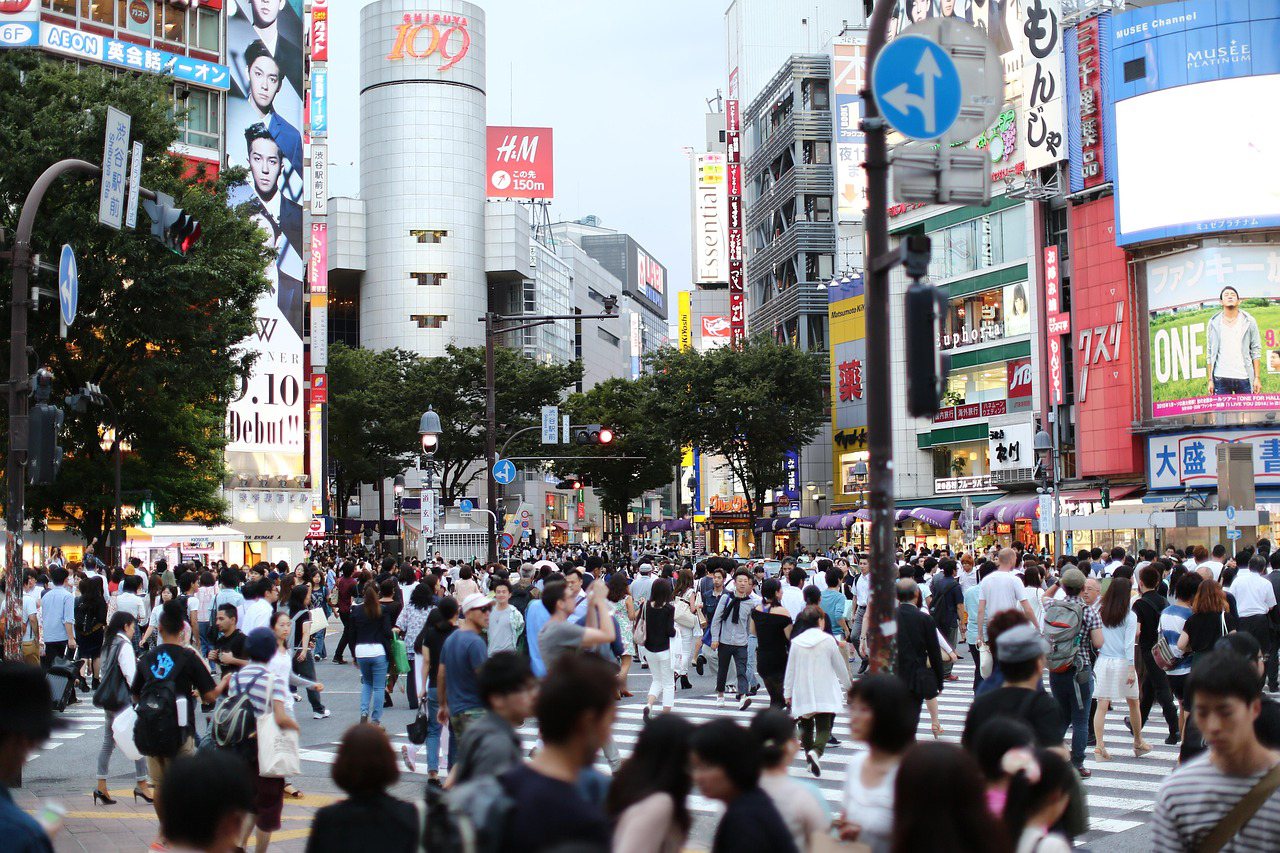
Awareness should be in place before launch because Japanese customers commonly want reassurance about an unfamiliar brand before buying. Distribution makes a purchase possible, while recognition and credible third-party voices give people a reason to go ahead.
Choose Channels Your Customers Already Use
Start from where your defined customer spends time, then combine search, social platforms, PR and retail or trade activity as the budget allows. Local platforms matter here: LINE alone reports more than 100 million monthly users in Japan. Our overview of social media in Japan is a good place to start.
Use Creators to Explain an Unknown Brand
Creators can introduce a new brand in Japanese, show the product in everyday use and produce content your own channels can learn from. That makes them especially relevant to foreign companies with little local recognition. Budget depends on creator reach, deliverables and usage rights, and our guide to influencer marketing costs in Japan looks at how quotes are put together.
Follow the Disclosure Rules From the First Campaign
Since 1 October 2023, advertising that consumers cannot recognize as advertising has violated Japan’s Act against Unjustifiable Premiums and Misleading Representations. Providing a product while requesting or expecting a post generally makes that post the company’s own advertising, so it needs a clear PR label, and responsibility for disclosure lies with the advertiser. For medicines, quasi-drugs, cosmetics, medical devices and regenerative medical products, the ban on false or exaggerated advertising in Article 66(1) of the Pharmaceuticals and Medical Devices Act applies to any person, so creators and agencies can be liable too. Running the content as paid advertising does not change these laws; it adds media review and wider exposure. Our guide to Japan’s stealth marketing regulation explains what counts.
FAQ
What do I need to start doing business in Japan?
Start with evidence of demand and a clear view of the rules that apply to your product. After that, you need a suitable legal presence or a local partner, a route to market, Japanese-language materials and a plan to build awareness. Not every company needs its own entity on day one, because some begin through an importer, distributor or marketplace. Confirm legal and tax requirements with qualified specialists before you commit.
Can a foreign company do business in Japan without a local entity?
In some cases, yes. Companies may sell through an importer, a distributor or a marketplace, depending on the product and the arrangement. If a foreign company carries on business continuously in Japan itself, JETRO explains that registration is required. A representative office needs no registration but cannot make sales. Ask an attorney to review your specific structure, because the answer depends on the activities you plan to carry out in Japan.
How long does it take to set up a company in Japan?
JETRO says company setup typically takes about three months. That covers the setup itself, not the whole market entry. Product approvals, partner negotiations, Japanese materials and awareness building can run longer, so plan them as separate workstreams. Regulated products in particular may need more preparation before they can be sold, so check those requirements before you fix a launch date.
What is the difference between a branch and a subsidiary in Japan?
A branch is registered in Japan but has no separate legal status, so the foreign parent remains ultimately liable for its debts and obligations. A subsidiary, usually a K.K. or G.K., is a separate corporation under the Companies Act. Both can conduct sales activities, unlike a representative office. The right choice depends on liability, tax, contracting and long-term plans, so take professional advice before deciding.
Do foreign investors have to notify the Japanese government?
Some do. According to the Ministry of Finance, investment in designated business sectors requires prior notification in principle, while investment in non-designated sectors calls for a post-investment report. Exemptions and conditions can apply, and the designated sectors can change. Confirm the position with your legal adviser before funding a Japanese entity or acquiring shares in a Japanese company.
Do I need to speak Japanese to do business in Japan?
You do not personally need to speak Japanese, but your business needs a reliable way to operate in it. Customers, partners and regulators will generally expect Japanese-language information, and mandatory food labels must be in Japanese. Many companies rely on bilingual staff, a distributor or an outside representative. Name one accountable person so that questions receive clear and timely answers.
Why do foreign companies struggle in Japan?
Common reasons include assuming that overseas success will transfer automatically, treating translation as localization, underestimating approval timelines and launching without local recognition. Many of these problems come from sequence: money goes into structure before demand, rules and routes to market have been tested. Working through the steps in order gives you earlier evidence and more chances to adjust before the largest commitments are made.
Methodology and Data Sources
The preparation sequence in this guide is the editorial team’s general framework, and the right order varies by product, industry and company. Market figures, legal references and official procedures rest on the sources below, accessed on 18 November 2026. This guide is general information and is not legal, tax or immigration advice. Rules change, so check the responsible authority’s latest publication and consult a qualified professional.
- Statistics Bureau of Japan, population estimates, October 2026 report, published 20 October 2026 (provisional estimates as of 1 October 2026 and final estimates as of 1 May 2026): https://www.stat.go.jp/data/jinsui/pdf/202610.pdf
- Statistics Bureau of Japan, population estimates overview and notice of the 2025 census rebasing (Japanese): https://www.stat.go.jp/data/jinsui/index.html
- Dentsu, Advertising Expenditures in Japan 2025, 5 March 2026 (Japanese): https://www.dentsu.co.jp/news/release/2026/0305-011003.html
- LY Corporation, LINE monthly users in Japan, 29 January 2026 (Japanese): https://www.lycorp.co.jp/ja/news/release/020058/
- JETRO, types of operations in Japan: https://www.jetro.go.jp/en/invest/setting_up/section1/page1/
- JETRO, how to set up business in Japan: https://www.jetro.go.jp/en/invest/setting_up/guide.html
- Ministry of Finance, annual report on the foreign investment screening system: https://www.mof.go.jp/english/policy/international_policy/fdi/Data/annual_report2024_en.pdf
- National Tax Agency, consumption tax rates: https://www.nta.go.jp/english/taxes/consumption_tax/01.htm
- National Tax Agency, Japan Invoice System leaflet, revised April 2026: https://www.nta.go.jp/taxes/shiraberu/zeimokubetsu/shohi/keigenzeiritsu/pdf/0024006-039_01.pdf
- Ministry of Health, Labour and Welfare, import procedure under the Food Sanitation Act: https://www.mhlw.go.jp/stf/seisakunitsuite/bunya/kenkou_iryou/shokuhin/yunyu_kanshi/kanshi/index_00004.html
- Consumer Affairs Agency, Food Labeling Standards Q&A, March 2025 revision (Japanese): https://www.caa.go.jp/policies/policy/food_labeling/food_labeling_act/assets/food_labeling_cms201_250328_1030.pdf
- Pharmaceuticals and Medical Devices Agency, frequently asked questions: https://www.pmda.go.jp/english/about-pmda/0004.html
- Consumer Affairs Agency, guide to mail order advertising under the Specified Commercial Transactions Act: https://www.no-trouble.caa.go.jp/foreignlanguage/english/mailorder/advertising.html
- e-Gov Laws and Regulations, Act on the Protection of Personal Information, Article 171 (Japanese): https://laws.e-gov.go.jp/law/415AC0000000057
- Consumer Affairs Agency, stealth marketing rules (Japanese): https://www.caa.go.jp/policies/policy/representation/fair_labeling/stealth_marketing/
- Consumer Affairs Agency, operational standards for the stealth marketing rules (Japanese): https://www.caa.go.jp/policies/policy/representation/fair_labeling/guideline/assets/representation_cms216_230328_03.pdf
- Ministry of Health, Labour and Welfare, advertising rules under the Pharmaceuticals and Medical Devices Act (Japanese): https://www.mhlw.go.jp/content/10601000/001147577.pdf
- e-Gov Laws and Regulations, Pharmaceuticals and Medical Devices Act, Articles 12, 14 and 66 (Japanese): https://laws.e-gov.go.jp/law/335AC0000000145
When your plan reaches the awareness stage and you are comparing outside partners for creator campaigns, our review of influencer marketing agencies in Japan sets out what to ask before you sign.
Supervised by the hotice Editorial Team, specialists in helping global brands enter the Japanese and Asian markets through influencer marketing. Last updated: November 2026.
Pricing, past campaigns, and how contracts and ad-disclosure compliance are handled from start to finish. Ask us anything before you commit to a budget.
Overseas brands welcome. We work in English, Japanese, Chinese, and Korean.