Fukubukuro, Black Friday, and How Japan’s Year-End Shopping Season Really Works
- 1. What Is Fukubukuro?
- 1-1. The Definition, in Three Sentences
- 1-2. When and Where They Are Sold
- 1-3. Where the Custom Comes From
- 2. How Fukubukuro Has Changed
- 3. Does Japan Have Black Friday?
- 3-1. Yes, but It Arrived Late and Stayed Small
- 3-2. Three Reasons It Is Different From the US
- 4. Japan’s Year-End Shopping Calendar
- 4-1. October to December: Oseibo, Bonus Season, and Christmas
- 4-2. Late December to Early January: Year-End Sales and Fukubukuro
- 5. What Brands Actually Do for Japan’s Year-End Season
- 5-1. The Planning Timeline Works Backwards From January 1
- 5-2. Five Decisions Before You Launch a Fukubukuro
- 5-3. What Overseas Brands Have Done in Japan
- 6. Where Influencers Fit in the Year-End Push
- 6-1. Three Windows: Awareness, Pre-Orders, and Unboxing
- 6-2. Disclosure Rules for Seasonal Campaigns
- 7. FAQ
- 7-1. What is fukubukuro?
- 7-2. When can you buy fukubukuro in Japan?
- 7-3. Does Japan celebrate Black Friday?
- 7-4. Is Black Friday big in Japan?
- 7-5. What is the biggest shopping season in Japan?
- 7-6. Can tourists buy fukubukuro?
- 7-7. Should an overseas brand launch a fukubukuro?
- 7-8. When should a brand start planning for Japan’s year-end season?
- 8. Methodology and Data Sources
Pricing, past campaigns, and how contracts and ad-disclosure compliance are handled from start to finish. Ask us anything before you commit to a budget.
Overseas brands welcome. We work in English, Japanese, Chinese, and Korean.TL;DR: Japan has Black Friday, but large retailers only took it up from 2014, and no official statistic measures it. The bigger money moves in December, the largest retail month of 2025, and the season runs on into New Year. Its signature is fukubukuro, the lucky bag, which sells on hidden contents rather than on discounts.
Ask an American retailer when the holiday season starts and the answer is the day after Thanksgiving. Ask a Japanese department store and you will hear about year-end gifts, Christmas cake orders, and a New Year rush built around sealed bags that shoppers buy without knowing everything inside.
This guide covers both halves of that calendar: first the culture, then what brands should run between November and January and where creators fit in. If you are new to marketing in Japan more broadly, start with our overview of influencer marketing in Japan.
What Is Fukubukuro?
The Definition, in Three Sentences
Fukubukuro, literally “lucky bag”, is a sealed bag or box of goods that a Japanese retailer sells at a fixed price without revealing everything inside. By custom, the contents are worth more than the price paid, so the buyer’s risk is not losing money but receiving items they would not have picked themselves. It is a New Year tradition, sold as part of the first shopping days of January.
The appeal is part bargain and part ritual. “Fuku” means good fortune, and opening the bag is a small test of the year’s luck. People buy from stores they already like, trusting the store to make the gamble worth it.
When and Where They Are Sold
Traditionally, lucky bags go on sale when stores reopen for the New Year, with the first days of January as the peak. The selling season now starts much earlier. Daimaru Matsuzakaya has scheduled the launch of its online feature for 2027 lucky bags for 7 October 2026, and Starbucks Coffee Japan took lottery entries for its 2026 bag from 4 to 14 November 2025, with delivery scheduled for 1 to 7 January 2026.
Almost every consumer category takes part: department stores, apparel brands, electronics retailers, cafés, restaurant chains and confectioners. There is no standard price. What every bag shares is that the price is fixed and shown up front, while the contents are fully or partly hidden.
Where the Custom Comes From
Accounts of the origin differ, and no single “first” lucky bag is documented. Odakyu Department Store’s own explainer lists several competing theories, including Echigoya, the kimono merchant that later became Mitsukoshi, selling “Ebisu bags” of leftover kimono fabric in the Edo period; records of Daimaru packing bags of fabric scraps with a gold obi as the winning prize; and a separate theory that credits Matsuya with the first fukubukuro in the Meiji era.
Most of the theories share a setting: kimono merchants that grew into department stores. For the wider cultural context behind Japanese seasonal buying, see our guide to Japanese marketing culture.
How Fukubukuro Has Changed
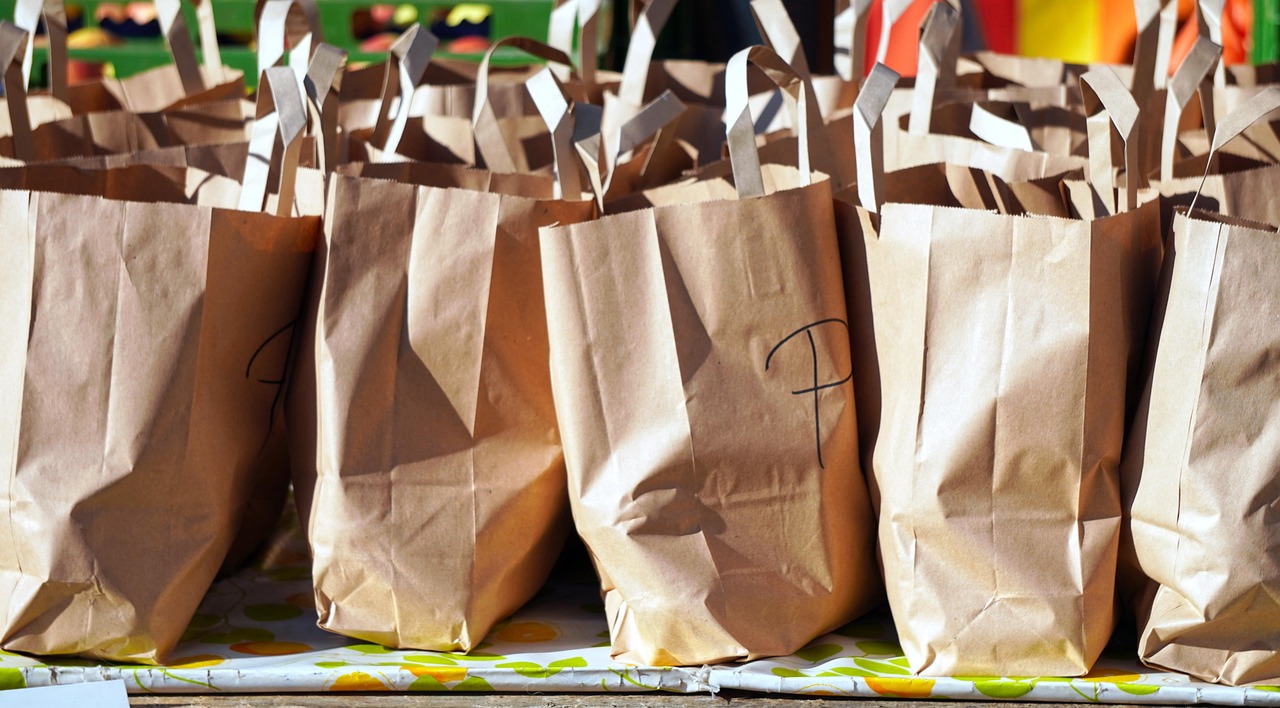
The lucky bag is less of a blind gamble than it was, it is sold online months in advance, and at some well-known brands the New Year queue has given way to a lottery. We review this section every January, because the format keeps moving.
First, more bags now show what is inside. Some of the best-known bags list most of the contents in advance and keep only part as a surprise. Starbucks Coffee Japan’s official page for its 2026 bag listed a tote bag, a stainless bottle, coffee beans, and bean and drink tickets, with three goods chosen at random. According to ORICON NEWS, 1,000 of the bags also contained a limited rhinestone tumbler. The core value is visible; the luck sits in one element.
Second, online sales and pre-orders have moved to the center. Many bags are now reserved in October or November and shipped to arrive at New Year, as the Daimaru Matsuzakaya and Starbucks dates above show.
Third, the queue is shrinking. Starbucks Coffee Japan, which had introduced an online lottery in 2018, made its 2021 bag online-only with no in-store sales, announcing it in November 2020 as a contactless way to deliver the bag. The 2026 bag was again sold only through an online lottery. Lines still form at some stores, but the lottery and the delivery box are now common.
Does Japan Have Black Friday?
Yes, but it is not the same event. Black Friday in Japan is a late-November sale that large retailers began adopting in 2014. Some pitch it as the start of year-end shopping, but it has not become the national kick-off it is in the United States.
Yes, but It Arrived Late and Stayed Small
| Year | Retailer | What happened |
|---|---|---|
| 2014 | Toys”R”Us Japan | Held the company’s first Black Friday sale, according to its November 2015 release announcing a larger second event (a first for the company, not a claimed first for Japan) |
| 2016 | AEON Mall | Started its Black Friday promotion, which AEON Mall describes as a kick-off to the year-end sales season |
| 2019 | Amazon.co.jp | Held its first Black Friday in Japan, from 22 to 24 November 2019 |
No official statistic measures its size today. The government does not publish Black Friday sales, and retailers report only on their own events, so any figure for “Japan’s Black Friday sales” is a private estimate.
What government data does show is where the month-level peak sits. In the Ministry of Economy, Trade and Industry’s Current Survey of Commerce, Japanese retail sales were about 13.4 trillion yen in November 2025 and about 14.8 trillion yen in December 2025, roughly 11% higher, and December was the largest month of the year. Black Friday lives inside November. The bigger money moves a month later.
Three Reasons It Is Different From the US
- There is no Thanksgiving weekend to build on. Japan’s Labor Thanksgiving Day is a national holiday on 23 November, but it is a fixed date with no family feast attached, and it does not create a four-day weekend leading into the Friday sale.
- The year-end already has its own peaks. December in Japan is shaped by oseibo, the year-end gift season, and by winter bonus season. Both pull spending into December, not late November.
- January offers a second chance to move stock. Japanese retailers know the New Year sales and lucky bags are coming, so there is less pressure to empty the shelves in November.
Japan’s Year-End Shopping Calendar
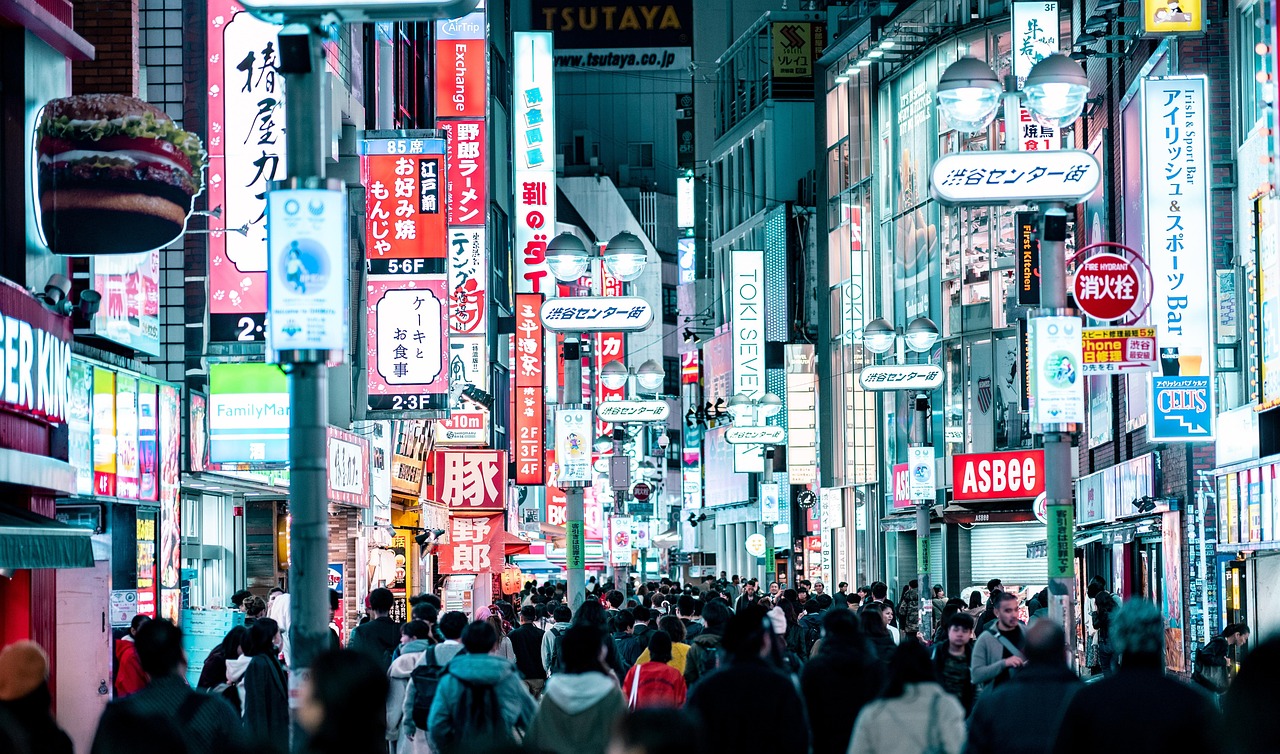
Japan’s year-end season runs from late November to early January, and the heaviest spending falls in December, followed by the lucky-bag rush in the first days of January. Event dates below come from the sources cited; the “start preparing” column is our planning guidance, not an official schedule.
| Event | When | What sells | Who buys | Start preparing |
|---|---|---|---|---|
| Black Friday | Late November | Electronics, fashion, household goods | Deal-seeking shoppers | September to October |
| Oseibo (year-end gifts) | 13 to 20 December as a rule; Kanto 1 to 20 December, Kansai 10 to 25 December | Food and drink gift sets, sweets, household items | Households and companies | Summer, with listings live by November |
| Winter bonus season | December | Larger purchases such as electronics, fashion and travel | Salaried workers after the winter bonus | October |
| Christmas | 24 to 25 December | Christmas cake, fried chicken, gifts, cosmetics sets | Couples and families with young children | Pre-orders from late October |
| Year-end sales | 26 to 31 December | Winter clearance, New Year food and supplies | Households preparing for the New Year | November |
| Fukubukuro | 1 to 3 January (pre-orders from October to December) | Lucky bags in almost every category | Fans of specific stores and brands | Summer planning, autumn production |
| New Year sales | Early January | Discounted winter stock | General shoppers | November to December |
October to December: Oseibo, Bonus Season, and Christmas
Oseibo is the year-end gift that households and businesses send to people they want to thank. Odakyu Department Store gives the general window as 13 to 20 December, with Kanto starting from 1 December, and notes that the season moves earlier every year. For food, drink and premium household brands, it is a gifting season most Western markets lack.
Winter bonus season is the second peak with no Western equivalent. National civil servants, for instance, received their winter bonus on 10 December 2025, according to the Cabinet Bureau of Personnel Affairs. Private-sector payment dates vary by employer, but the weeks after bonus day are a natural window to promote bigger-ticket items.
Christmas usually surprises overseas readers most. In Japan it is not a national holiday and is less of a family occasion than in Europe or the US. Christmas Eve is often treated as an evening for couples, and the family version centers on a Christmas cake and fried chicken rather than a home-cooked roast. That second habit has a known origin: KFC Japan launched its “Kentucky for Christmas” campaign in 1974, and KFC says it takes pre-orders from as early as late October.
Late December to Early January: Year-End Sales and Fukubukuro
From 26 December, year-end sales clear winter stock and sell New Year food and supplies. The first days of January bring the first sales of the year, the lucky bags, and New Year discounts that run into the following week.
Treat 26 December to early January as one campaign. Shoppers move straight from year-end errands to New Year shopping, so one creative and stock plan for the whole stretch usually works better. For how this season fits into Japan’s full retail year, see our guide to the Japanese ecommerce market.
What Brands Actually Do for Japan’s Year-End Season
From here on, this guide is for brands. The short version: decide on a lucky bag by early summer and on Black Friday by September, then use creators to carry both from November through January.
The Planning Timeline Works Backwards From January 1
Lucky bags have the longest lead time, because the product must be designed, produced and listed before pre-orders open in October or November. Black Friday usually uses existing stock and needs only pricing and creative.
| Stage | Fukubukuro (New Year) | Black Friday (late November) |
|---|---|---|
| Decide whether to run it | Early summer | September |
| Plan contents and price tiers | Summer | September to October |
| Produce or allocate stock | Autumn | October |
| List for pre-order or announce | October to December | Early to mid November |
| Sell and deliver | 1 to 3 January, with shipping in the first week of January | Late November |
If you are reading this in September, a first-ever fukubukuro is tight unless you can build it from existing stock, while Black Friday is still within reach. A well-built lucky bag is usually next year’s project.
Five Decisions Before You Launch a Fukubukuro
| Decision | Options | What to consider |
|---|---|---|
| Price tiers | One bag, or several tiers | Tiers let fans choose their level of commitment; the price must be fixed and shown up front |
| Visibility of contents | Fully hidden, partly visible, fully visible | A visible core with one surprise element is a common format at large chains |
| Sales channel | Store, own online store, marketplaces | Own store keeps customer data; marketplaces add reach but share the customer |
| Quantity | Limited run, or made to order | A small first run that sells out beats leftover bags in February |
| Resale controls | Purchase limits, lottery, membership requirement | Lotteries and member-only sales keep bags with real customers |
On visibility, a fully hidden bag suits brands with a strong fan base; a brand new to Japan is safer with a mostly visible bag and one chance element, because buyers cannot yet judge its surprises. On channel, the choice decides who owns the customer relationship after January.
Resale controls are the Japan-specific decision. Brands handle resale through the sales mechanism rather than after the fact. Starbucks Coffee Japan limits entries to one per My Starbucks member and states that a winning entry will be voided if the right to buy is found to have been resold or transferred.
hotice is a cross-border influencer marketing agency helping overseas brands enter Japan. We handle casting, negotiation, Japanese-language contracts, and ad-disclosure compliance.
Tell us your category, budget range, and timing. We will take it from there.What Overseas Brands Have Done in Japan
- Starbucks Coffee Japan. Made its 2021 lucky bag an online-only lottery and sold the 2026 bag the same way, with mostly listed contents, one chance element and one entry per member.
- KFC Japan. Turned an American fast-food brand into a Christmas tradition with the “Kentucky for Christmas” campaign in 1974. KFC says 24 December is its busiest day, ten times busier than its annual average, with pre-orders from late October.
- Apple. Runs a New Year sale in Japan at the start of January rather than a lucky bag. For 2 to 5 January 2026 it offered Apple Gift Cards with eligible purchases and, as reported by ITmedia, a limited Daruma-design AirTag for the first 65,000 buyers of selected iPhone models.
None of these brands imported its home-market holiday playbook. Each attached itself to a local ritual and localized the product around it. For more campaigns by international brands in Japan, see our collection of influencer marketing examples in Japan.
Where Influencers Fit in the Year-End Push
Lucky bags have a structural advantage for creator marketing that most seasonal campaigns lack: opening the bag is the content. The unboxing format that performs on YouTube, TikTok and Instagram is exactly what a lucky bag is built to produce.
Three Windows: Awareness, Pre-Orders, and Unboxing
| Window | Goal | Formats that fit | Platforms that fit |
|---|---|---|---|
| November | Awareness for Black Friday and upcoming lucky bags | Short video, deal round-ups, “what I’m planning to buy” posts | TikTok, Instagram Reels, X |
| December (through late December) | Pre-orders and lottery entries before they close | Contents previews, countdowns, entry reminders | Instagram, X, YouTube Shorts |
| January | Unboxing that builds next year’s demand | Long-form unboxing, reaction clips, rankings | YouTube, TikTok |
Unboxing videos stay online after the sale ends, and they are what curious buyers watch when deciding whether next year’s bag is worth it. A brand that films nothing in January starts the next season from zero.
Platform choice depends on who you are trying to reach; our guide to social media in Japan breaks down each platform’s audience. Creator fees vary widely with reach, format and usage rights, and the cost structure is covered in our guide to influencer marketing costs in Japan.
Disclosure Rules for Seasonal Campaigns
Since 1 October 2023, undisclosed advertising has been a violation of Japan’s Act against Unjustifiable Premiums and Misleading Representations. The legal responsibility sits with the advertiser, not the creator. The case to watch in seasonal campaigns is the gifted lucky bag. If a brand sends a creator a free bag, asks for an unboxing and the video follows the brand’s lead, the Consumer Affairs Agency treats it as the brand’s advertising even though no fee was paid, so it must be labelled as an ad. For the full rules, see our guide to Japan’s stealth marketing regulation.
A year-end campaign in Japan runs on a local calendar, in Japanese, with creators who know how their audience shops at New Year. If you are deciding who should handle that, our comparison of influencer marketing agencies in Japan sets out what to look for.
FAQ
What is fukubukuro?
Fukubukuro, meaning “lucky bag”, is a sealed bag or box of goods that a Japanese retailer sells at a fixed price without revealing everything inside. By custom, the contents are worth more than the price paid, so the risk for the buyer is getting items they would not have chosen, not losing money. It is a New Year tradition, sold during the first shopping days of January. Some large sellers now list most of the contents in advance and keep one element as a surprise.
When can you buy fukubukuro in Japan?
The main selling days are the first days of January, when stores reopen for the New Year, with New Year’s Day to 3 January as the peak. Many bags are now sold in advance. Some department stores open online reservations in October, and some brand lotteries, such as Starbucks Coffee Japan’s, take entries in November, with delivery in the first week of January. If you want a specific brand’s bag, check its website in the autumn, because lotteries and pre-orders usually close well before January begins.
Does Japan celebrate Black Friday?
Yes, but on a smaller scale than the United States. Toys”R”Us Japan held its first Black Friday sale in 2014, AEON Mall followed in 2016, and Amazon.co.jp held its first Japanese Black Friday in November 2019. Late-November sales under the Black Friday name are now familiar at large chains and online. What Japan does not have is the Thanksgiving weekend that makes Black Friday the start of the US holiday season. In Japan, the bigger shopping moments come in December and at New Year.
Is Black Friday big in Japan?
Probably not, next to December and the New Year. There is no official statistic for Black Friday sales in Japan, so any market-size figure you see is a private estimate. Government data shows the wider pattern: in the Ministry of Economy, Trade and Industry’s Current Survey of Commerce, retail sales were about 13.4 trillion yen in November 2025 and about 14.8 trillion yen in December 2025, the largest month of the year. December and the New Year remain the main event.
What is the biggest shopping season in Japan?
The year-end and New Year period. December was Japan’s largest month for retail sales in 2025, according to the Ministry of Economy, Trade and Industry, driven by year-end gifts (oseibo), winter bonuses, Christmas and year-end shopping. The season then carries straight into the first days of January, when lucky bags and New Year sales take over. For brands, late December to early January works best as one campaign. The calendar table earlier in this guide sets out each event and when to start preparing.
Can tourists buy fukubukuro?
Yes. Lucky bags sold in stores are open to anyone, and tourists often join New Year sales in major shopping districts. Online lotteries and pre-orders can be harder, because some require a Japanese membership account or a delivery address in Japan, so check the conditions before entering. On tax, Japan’s tax-free system for visitors changes on 1 November 2026: tourists will pay the tax-inclusive price and receive a refund after customs confirms, on departure and within 90 days of purchase, that the goods are leaving the country. Whether a particular lucky bag qualifies depends on the store’s tax-free procedures, so ask at the counter.
Should an overseas brand launch a fukubukuro?
It depends on three things. First, stock: you need enough product, or product you are happy to bundle, to fill bags whose value clearly exceeds the price. Second, channel: you need a way to sell and ship in Japan, whether your own online store, a marketplace or a retail partner. Third, time: pre-orders now open in October and November, so planning should start in early summer. A brand with a loyal Japanese following and existing stock is a strong candidate. A brand still building awareness usually gets more from creator content and a simple sale first.
When should a brand start planning for Japan’s year-end season?
Work backwards from 1 January. For a lucky bag, decide in early summer, plan contents and price tiers over the summer, produce in autumn, and be ready to list for pre-order from October. For Black Friday, start designing the offer and creative in September and October, then announce in early to mid November. KFC Japan, for example, takes Christmas pre-orders from late October. If you are starting in September, Black Friday and the New Year sale are realistic; a well-planned lucky bag is usually next year’s project.
Methodology and Data Sources
We use only figures and dates confirmed in government sources, company releases or published reports. Where no official figure exists, as with Black Friday sales in Japan, we say so. This article is updated every January. All sources accessed 23 September 2026 and rechecked 24 and 25 September 2026.
- Ministry of Economy, Trade and Industry, Current Survey of Commerce, December 2025 final report, Part 1 Table 1 (retail sales by month, 2025): https://www.e-stat.go.jp/stat-search/files?page=1&layout=dataset&cycle=1&toukei=00550030&tstat=000001081875&tclass1=000001081878&tclass2val=0&stat_infid=000040412501
- Toys”R”Us Japan, press release, 25 November 2015: https://www.toysrus.co.jp/ja-jp/corporate-pr-corpinfo-021.html
- AEON Mall, news release, 1 November 2022: https://www.aeonmall.com/news/index/5650/
- Amazon Japan, press release, 15 November 2019: https://prtimes.jp/main/html/rd/p/000001079.000004612.html
- Starbucks Coffee Japan, Lucky Bag 2026: https://www.starbucks.co.jp/youkou/luckybag/
- ORICON NEWS, Starbucks Lucky Bag 2026 details, including the 1,000 limited tumblers: https://www.oricon.co.jp/news/2415346/full/
- Starbucks Coffee Japan, press release, 9 November 2020: https://stories.starbucks.co.jp/press/2020/pr2021-3682/
- Daimaru Matsuzakaya online store, fukubukuro feature: https://www.daimaru-matsuzakaya.jp/special/fukubukuro/
- Odakyu Department Store, fukubukuro and oseibo explainers: https://shop.odakyu-dept.co.jp/ec/fukubukuro_column1 and https://shop.odakyu-dept.co.jp/ec/seibo_column1
- KFC, “How Kentucky for Christmas began in Japan”: https://global.kfc.com/stories/how-kentucky-for-christmas-began-in-japan
- ITmedia Mobile, Apple New Year sale 2026, 27 December 2025: https://www.itmedia.co.jp/mobile/articles/2512/27/news037.html
- Cabinet Secretariat, Cabinet Bureau of Personnel Affairs, winter bonus payment, 10 December 2025: https://www.cas.go.jp/jp/gaiyou/jimu/jinjikyoku/pdf/20251210_siryou1.pdf
- Cabinet Office, national holidays: https://www8.cao.go.jp/chosei/shukujitsu/gaiyou.html
- National Tax Agency, tax-free system refund method: https://www.nta.go.jp/publication/pamph/shohi/menzei/201805/format/002.htm
- Consumer Affairs Agency, stealth marketing rules and operational guidelines: https://www.caa.go.jp/policies/policy/representation/fair_labeling/stealth_marketing and https://www.caa.go.jp/policies/policy/representation/fair_labeling/guideline/assets/representation_cms216_230328_03.pdf
Update history: first published September 2026.
Supervised by the hotice Editorial Team, specialists in helping global brands enter the Japanese and Asian markets through influencer marketing. Last updated: September 2026.
Pricing, past campaigns, and how contracts and ad-disclosure compliance are handled from start to finish. Ask us anything before you commit to a budget.
Overseas brands welcome. We work in English, Japanese, Chinese, and Korean.