Japanese Business Etiquette: The Rules, the Reasons, and What They Mean for Your Projects
- 1. What Japanese Business Etiquette Is Really About
- 1-1. Three Principles Behind Every Rule
- 1-2. What Foreign Visitors Are and Are Not Expected to Know
- 2. First Meetings: Business Cards, Greetings, and Seating
- 2-1. Exchanging Business Cards (Meishi)
- 2-2. Bowing, Handshakes, Names, and Titles
- 2-3. Where to Sit and Who Speaks First
- 2-4. Dress Code and Punctuality
- 3. How Meetings and Communication Work
- 3-1. Reading Indirect Answers
- 3-2. Silence, Questions, and Who Actually Decides in the Room
- 4. How Decisions Get Made: Nemawashi and Ringi
- 4-1. Nemawashi: The Agreement Before the Meeting
- 4-2. Ringi: Why Approval Takes Longer Than You Expect
- 5. Email, Gifts, and After-Hours Etiquette
- 5-1. Writing Business Email to a Japanese Company
- 5-2. Gifts and Omiyage
- 5-3. Dinners and Nomikai
- 6. Common Mistakes Foreign Teams Make
- 6-1. Mistakes in the First Meeting
- 6-2. Mistakes After the Meeting
- 7. Etiquette When You Run a Marketing Project in Japan
- 7-1. Quotes, Purchase Orders, and Invoices
- 7-2. Creators Are Booked Through Their Management
- 7-3. Disclosure Rules and Who Is Responsible
- 8. FAQ
- 8-1. What is the most important rule of Japanese business etiquette?
- 8-2. How do you exchange business cards in Japan?
- 8-3. Should I bow or shake hands in Japan?
- 8-4. What does “we will consider it” mean in a Japanese meeting?
- 8-5. Why do Japanese companies take so long to make decisions?
- 8-6. Is it rude to email a Japanese company in English?
- 8-7. Can I contact a Japanese influencer directly?
- 9. Methodology and Data Sources

Pricing, past campaigns, and how contracts and ad-disclosure compliance are handled from start to finish. Ask us anything before you commit to a budget.
Overseas brands welcome. We work in English, Japanese, Chinese, and Korean.TL;DR: Japanese business etiquette rests on three ideas: respect for the other side’s position, keeping disagreement out of the open, and being prepared and reliable. Foreign visitors are not expected to bow perfectly, but punctuality and kept promises are judged strictly. Decisions move before the meeting (nemawashi) and after it (ringi), so build that time into every schedule.
Foreign teams meeting Japanese companies tend to worry about two things: giving offense without noticing, and not understanding why nothing gets decided.
This guide answers both. It covers the etiquette itself and the reason behind each rule, then turns to running a marketing project with Japanese partners, where the same habits shape contracts and timelines. For the wider entry process, see our guide on how to sell in Japan; for working with creators, our overview of influencer marketing in Japan.
What Japanese Business Etiquette Is Really About

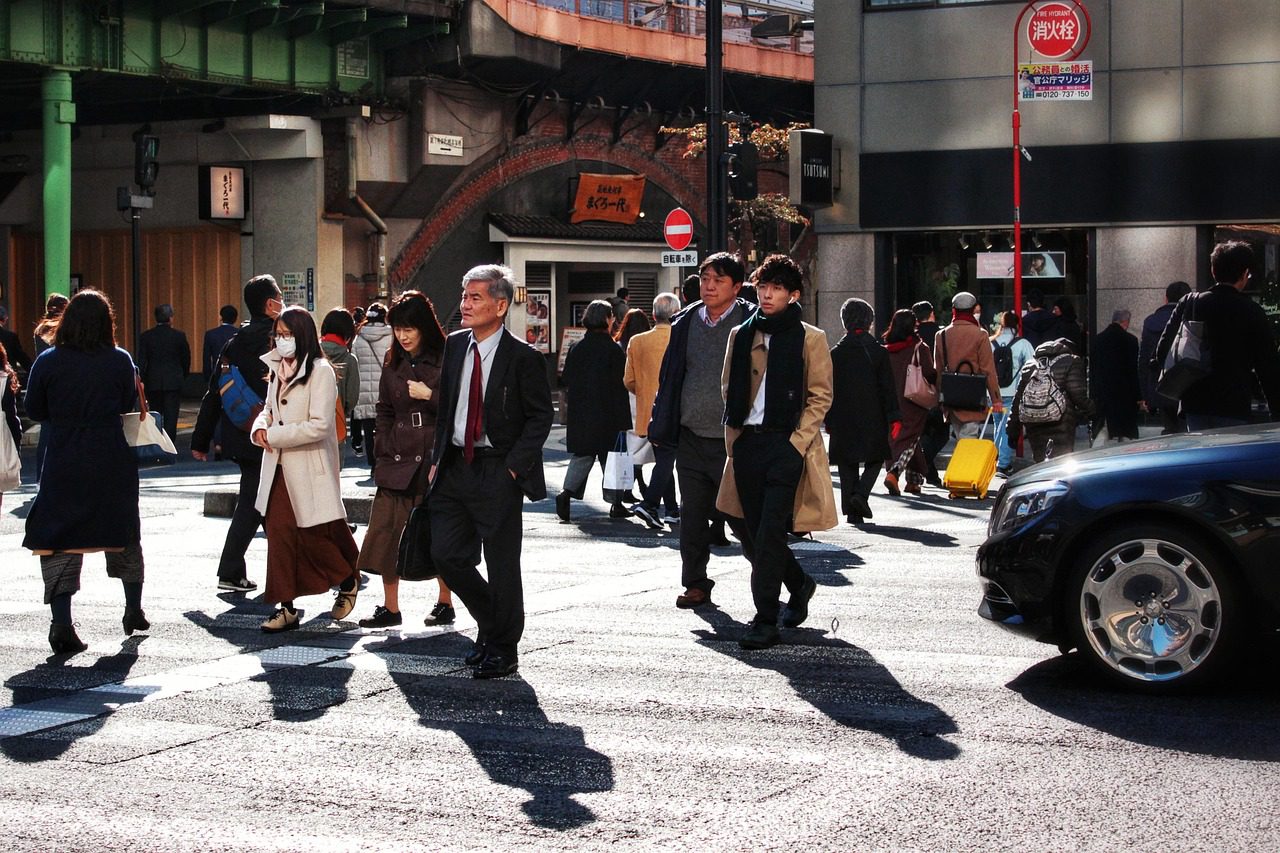
Japanese business etiquette is the set of habits Japanese companies use to show respect, avoid open conflict and prove they can be relied on. The specific gestures matter less than what they signal: that you understand who holds which role, that you will not embarrass anyone in front of others, and that you keep your word.
Japanese business culture is formal, but the formality has a purpose, and once you see it the rules stop looking arbitrary.
Three Principles Behind Every Rule
Respect for position. Japanese organizations are hierarchical, and much of the etiquette makes that visible: who receives a card first, who sits where, who speaks first. Recognizing someone’s role is the most basic courtesy.
Harmony, or wa. Disagreement is often not voiced directly, especially in a group. People soften refusals and settle differences privately, which is why answers can sound vague and why decisions are prepared before meetings.
Preparation and reliability. Being on time, sending materials in advance and putting agreements in writing show you can be trusted. A lapse here weighs more than an awkward bow.
Every rule below follows from one of these principles, so when no list covers a situation, ask which one applies.
What Foreign Visitors Are and Are Not Expected to Know
Japanese counterparts generally do not expect foreign visitors to master the finer points, such as the angle of a bow or honorific language. What counts, regardless of nationality, is reliability: arriving late, bringing incomplete materials or changing what was agreed damages trust whoever you are.
| Worth learning | Safe to relax about |
|---|---|
| Being on time, in person and online | The exact depth or length of a bow |
| Handling business cards with care | Formal honorific Japanese |
| Sending materials before the meeting | Perfect seating order in every room |
| Confirming agreements in writing | Small slips in gift wrapping or table manners |
First Meetings: Business Cards, Greetings, and Seating

A first meeting follows a predictable sequence: greetings, the exchange of business cards, being shown to your seats, and an opening from the most senior person on each side.
| Step | What to do | Why it matters |
|---|---|---|
| 1. Order | Visitor and junior person usually offer first | Shows respect for the host and for seniority |
| 2. Direction | Hold the card with both hands, turned so the other person can read it | The card stands in for the person |
| 3. Receiving | Take their card with both hands, read it, and say their name | Shows you have noted who they are and their role |
| 4. After the exchange | Keep cards on the table, in seating order | Helps you use names correctly and signals attention |
Exchanging Business Cards (Meishi)
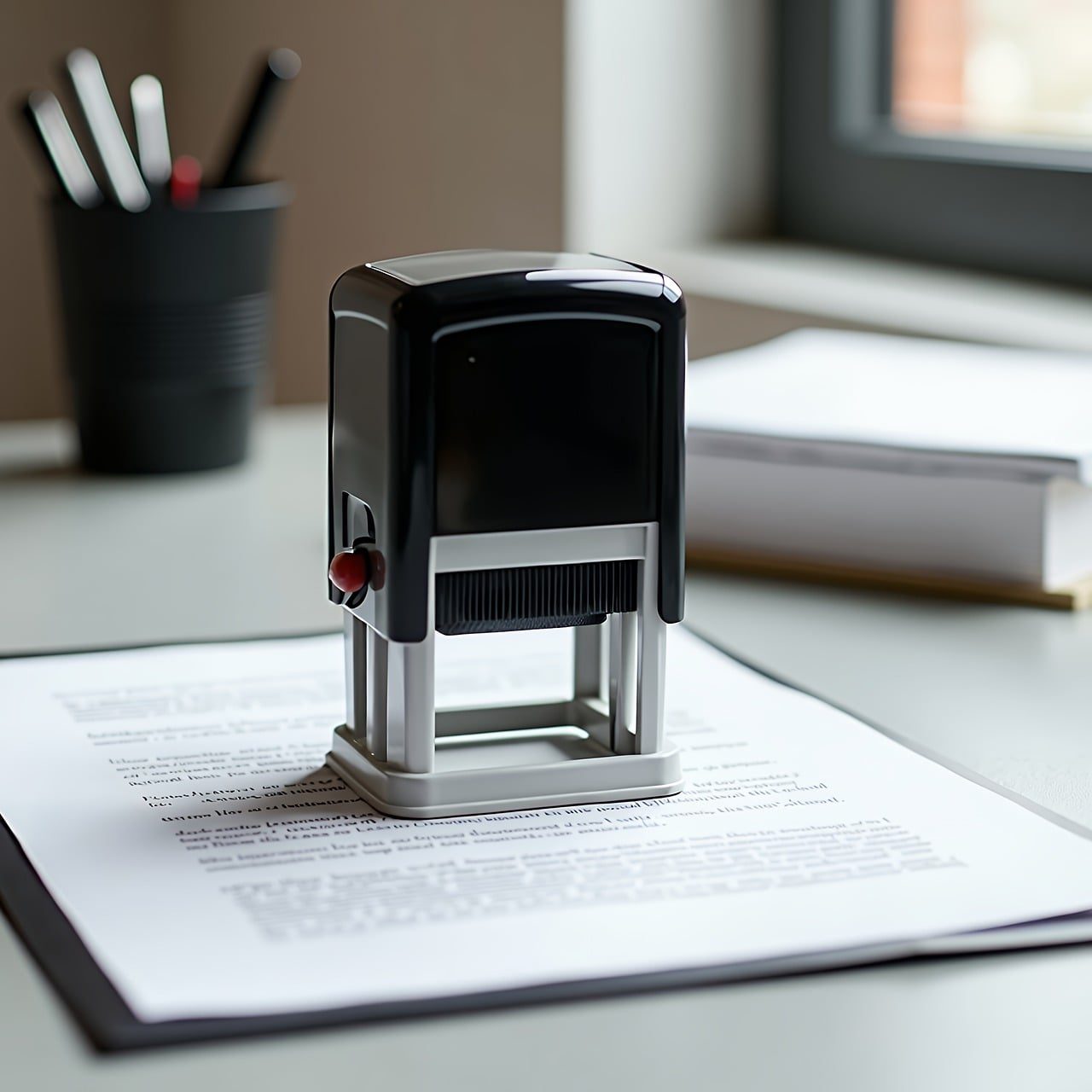
A business card, or meishi, is treated as an extension of the person who gives it. Offer yours with both hands, facing the recipient, with a slight bow; the visitor and the more junior person generally go first. Receive theirs with both hands, read it, and keep it on the table during the meeting. Do not write on it, fold it or pocket it the moment you receive it.
Should foreign teams prepare Japanese cards? A common choice is English on one side and Japanese on the other, with your name in katakana and your title translated so the other side can tell how senior you are.
Bowing, Handshakes, Names, and Titles
Bowing is the standard Japanese greeting, but many Japanese businesspeople offer foreign visitors a handshake, sometimes with a slight nod. Follow the other person’s lead. A slight bow from the waist is enough; no one expects you to judge the angle.
Use family names with -san, as in Tanaka-san, and wait to be invited before using first names. Titles carry weight: a bucho (department head) or kacho (section manager) tells you how much authority that person has, and how far up a proposal still has to travel.
Where to Sit and Who Speaks First
Japanese meeting rooms have a seat of honor, the kamiza, usually farthest from the door, and a lower seat, the shimoza, nearest to it. Guests are normally given the upper seats, but wait to be shown where to sit rather than choosing yourself.
The meeting usually opens with the most senior person on each side: the host welcomes the guests, and the visitors’ senior member responds and introduces the team. Others speak when invited.
Dress Code and Punctuality
A dark suit and a white or plain shirt remain the safe default for a first meeting. Dress has become more casual in IT and creative industries, and Cool Biz, the summer light-dress style promoted by the Ministry of the Environment since 2005, has made going without a tie and jacket in hot weather widely accepted. When in doubt, dress more conservatively.
Punctuality means arriving slightly before the scheduled time. If you might be late, contact your host before the meeting starts, not after. The same applies online: join video calls on time.
Some dinner venues are Japanese-style rooms where you take off your shoes at the entrance.
How Meetings and Communication Work

The hardest part of Japanese business culture for foreign teams is not ceremony but meaning. Japanese counterparts often avoid saying no directly, and a meeting may end without a clear answer because no one in the room can give one. Read the signals, and ask questions that make it easy to tell you what is really happening.
| What you hear | Literal meaning | What it often means | Your next move |
|---|---|---|---|
| “We will consider it” (kento shimasu) | We will think about it | Needs internal checks, or a soft no | Ask what they need from you next |
| “We will think about it positively” (maemuki ni kangaemasu) | We are favorable | Interested, but approval is pending | Offer material for internal discussion |
| “That is difficult” (muzukashii desu ne) | It is hard | Often a polite no to this version | Ask which part is the problem |
| “Let me take this back” (mochikaerimasu) | I will bring it back to the office | Someone else has to decide | Ask who is involved and when they expect to answer |
| “I understand” (wakarimashita) | I understand | I heard you, not I agree | Confirm agreed points in writing |
Reading Indirect Answers
Direct refusal can feel confrontational in a Japanese meeting, so people soften it. None of the phrases in the table has one fixed meaning, but they tend toward the meanings shown. In particular, “let me take this back” is often not a rejection; it frequently signals that your counterpart must check with colleagues or a manager before committing.
When you need clarity, do not press for a yes or no on the spot, which usually produces a vaguer answer. Ask what you should prepare next, or what would help their internal discussion. The answer shows where the proposal really stands.
Silence, Questions, and Who Actually Decides in the Room
Silence in a Japanese meeting is often thinking time, not disagreement. Resist the urge to fill it or lower your offer. Often no one in the room has the authority to decide, particularly at manager level or below.
Meetings therefore tend to confirm and share information rather than decide. The habit that follows: send written minutes of what was discussed and agreed, ideally the same day. Minutes give your counterpart something to circulate internally and turn a polite conversation into a record both sides can use.
How Decisions Get Made: Nemawashi and Ringi
Japanese companies appear slow to decide because a decision is built outside the meeting room: informal consensus-building beforehand, called nemawashi, and formal written approval afterward, called ringi. Plan for both and timelines become far more predictable.
Nemawashi
Your contact briefs stakeholders one by one.
Meeting
The group confirms what was agreed informally.
Ringi
A written request circulates to each approver.
Order
A purchase order can be issued.
General pattern. The number of approvers and the time each step takes differ by company and by amount.
| Stage | Who moves | What the foreign side can provide |
|---|---|---|
| 1. Your contact takes up the proposal | The person you are dealing with | A clear proposal: scope, schedule, cost structure |
| 2. Nemawashi | Your contact, talking to stakeholders individually | A one-page summary in Japanese they can share |
| 3. Meeting | Stakeholders, often with you present | Answers to questions raised during nemawashi |
| 4. Ringi circulation | The document passes through each approver | Every document the approvers need, in final form |
| 5. Approval | The final approver for that amount | Nothing new; do not change terms now |
| 6. Order | Purchasing or the project owner | Company details needed to issue a purchase order |
Nemawashi: The Agreement Before the Meeting
Nemawashi originally means digging around the roots of a tree before moving it. In business it means explaining a proposal to each relevant person individually, hearing concerns and adjusting before anything goes to a group. By the meeting, the main points are often settled, and the meeting confirms them in front of everyone. Nobody has to object in public.
The foreign side can make this internal work easier. Give your contact a one-page summary in Japanese: what you propose, why, how the cost is structured, and what you need from them. Your contact is doing the selling inside the company and needs material they can forward.
Ringi: Why Approval Takes Longer Than You Expect
In the ringi system, a written request for approval, the ringi-sho, passes from its drafter through each manager and department concerned until it reaches the person with authority for that decision. Your contact may be convinced, yet the organization has not decided until the document completes its round.
How long this takes depends on company size, internal rules and the amount involved, so there is no standard figure. Ask your contact early how long approval usually takes for a project like yours. The surest way to shorten it is to supply every document the approvers need at the start, so circulation does not stall while someone asks for a missing quote or company profile.
Email, Gifts, and After-Hours Etiquette

Email, gifts and dinners also shape how a Japanese partner sees you, and each follows the same three principles: respect for position, harmony and reliability.
Writing Business Email to a Japanese Company
Japanese business email follows a set order: the addressee’s company, department and name; a short greeting; your name and company; the message; and a polite closing. You can write in English, and many companies that deal with overseas partners expect to. Put the request and any deadline in the subject line, and your conclusion in the first lines.
Use CC deliberately. Copying your contact’s manager without reason can look like going over their head, while leaving out a colleague from the meeting looks careless. Reply promptly, even just to say when a full answer will follow, because response speed is read as reliability. If a reply is overdue, send one polite reminder that restates your deadline.
hotice is a cross-border influencer marketing agency helping overseas brands enter Japan. We handle casting, negotiation, Japanese-language contracts, and ad-disclosure compliance.
Tell us your category, budget range, and timing. We will take it from there.Gifts and Omiyage
Bringing a small gift, or omiyage, when you visit is a common courtesy; a packaged sweet or snack from your home country works well because it can be shared in the office. Keep it modest and well wrapped. An expensive gift creates an awkward sense of obligation.
Avoid sets of four or nine, because the numbers can be read as “death” and “suffering”, and avoid wrapping or flowers associated with funerals, such as white chrysanthemums. Give the gift once greetings and the card exchange are done, take it out of its shopping bag, and offer it with both hands.
Seasonal gift-giving between companies also survives, in the summer ochugen and year-end oseibo. Our Japan marketing calendar for 2027 covers when these seasons fall.
Dinners and Nomikai
Business dinners and drinking gatherings, or nomikai, follow a few rules. Wait for the toast, kanpai, before drinking. Pour for others rather than yourself, and let others pour for you. Seating follows the meeting-room logic, with senior guests farthest from the door. If you do not drink alcohol, say so politely at the start and ask for a soft drink; joining the toast with any drink is fine.
Dinners can move a relationship forward, and people may speak more openly. But the decision still comes through ringi, not at the table, so do not treat a friendly evening as approval.
Common Mistakes Foreign Teams Make

Most mistakes foreign teams make are about reliability and timing, not ceremony, and they follow recognizable patterns.
| Mistake | Why it costs trust | What to do instead |
|---|---|---|
| Putting business cards away at once | Looks dismissive of the person | Keep cards on the table during the meeting |
| Sending materials on the day | No time to prepare or circulate | Send them at least the day before |
| Demanding an answer in the room | Forces a refusal or an empty yes | Ask what to prepare next |
| Setting deadlines without allowing for ringi | Shows you do not know how they work | Ask how long approval takes and plan back from it |
| Changing terms after agreement | Undoes your contact’s internal consensus | Put any change in writing, with the reason |
| Leaving spoken agreements unrecorded | Creates disputes about what was agreed | Send minutes the same day |
Mistakes in the First Meeting
Three patterns recur. Pocketing a business card at once suggests the person does not matter. Sending the deck only on the day leaves your counterpart unable to prepare or share it. Pressing for a decision in the room corners people who may have no authority to decide.
Instead, keep cards on the table and use them to get names right. Send materials by the day before. To learn where you stand, ask what you should prepare next.
Mistakes After the Meeting
The costlier mistakes come later: setting launch dates without allowing for approval, changing conditions after agreement, and relying on spoken commitments that never reach paper. Each undermines the consensus your contact built.
Instead, ask at the start how long approval takes and set deadlines backward from it. If terms must change, explain why in writing. Send minutes the same day. Mistakes on the consumer side are a different subject, covered in our guide to Japanese marketing culture.
Etiquette When You Run a Marketing Project in Japan

From here, this guide turns to practice: how Japanese business habits affect a marketing project with agencies, PR firms, creators and retailers. Company setup and entry models are covered in our Japan marketing strategy guide, and the route to market in our guide on how to sell in Japan. Here the focus is paperwork, counterparts and lead times.
| Counterpart | Usual point of contact | Documents expected | What extends lead time |
|---|---|---|---|
| Advertising agency (see our guide to marketing agencies in Japan) | Account manager | Quote, purchase order, contract, invoice | Internal approval and media booking deadlines |
| PR firm | Account manager | Quote, purchase order, approved press materials | Translation and approval of every release |
| Creator management agency | The agency’s manager for the creator | Brief, quote, contract with usage terms | Creator schedules and content review |
| Retail buyer | The buyer for your category | Specifications, terms of trade, Japanese labeling | Seasonal buying cycles and internal approval |
Quotes, Purchase Orders, and Invoices
Japanese business runs on paper, even when the paper is a PDF. A project typically moves from a quote (mitsumorisho) to a purchase order (hacchusho), delivery, then an invoice (seikyusho). Each document confirms the step before it, and your counterpart’s approval and accounting depend on them. Do not move forward on a verbal agreement or chat message alone: ask for, or issue, the document for each step.
Choosing an agency and contracting with it, including invoicing requirements, is covered in our guide to marketing agencies in Japan. For influencer campaigns, the cost breakdown and how quotes are set are in our guide to influencer marketing costs in Japan.
Creators Are Booked Through Their Management
Many established Japanese creators belong to a management agency, and brand work is expected to go through it. A direct message, especially in English, often goes unanswered or is passed back to the agency, which handles scheduling, contracts and review of content before posting, and expects a proper brief and quote request.
Before booking, check each creator’s audience country breakdown, since some Japan-based creators have a large share of followers outside Japan. Our guide on how to discover influencers covers finding the right people, our influencer outreach guide sets out how to write the request, and our guide to communicating with Japanese influencers covers building the relationship.
Disclosure Rules and Who Is Responsible
Since 1 October 2023, advertising that consumers cannot recognize as advertising has been a violation of Japan’s Act against Unjustifiable Premiums and Misleading Representations. If you provide a product while asking for a post or signaling that you expect one, for example by including a hashtag or account name to use, the post is treated as your own advertising and needs a clear PR label. A post made entirely on the creator’s own initiative, with no request or involvement, can fall outside the rule, but most gifting is the first kind, so ask for a “PR” or “provided” label by default. The responsibility for disclosure lies with the advertiser, not the creator. Our guide to Japan’s stealth marketing regulation explains what counts.
FAQ
What is the most important rule of Japanese business etiquette?
Keep to time and keep your promises. Japanese counterparts rarely expect foreign visitors to know the finer points of bowing or honorific language, but they watch reliability closely. Arriving late, sending materials at the last minute or changing terms after an agreement does far more damage than an awkward greeting, whatever your nationality. The section on what foreign visitors are and are not expected to know lists what matters and what you can relax about.
How do you exchange business cards in Japan?
Offer your card with both hands, turned so the other person can read it, with a slight bow; the visitor and the more junior person generally go first. Receive their card with both hands and read it. During the meeting, keep the cards on the table in front of you rather than putting them away. A card with English on one side and Japanese on the other is a considerate choice. The section on exchanging business cards covers the full sequence.
Should I bow or shake hands in Japan?
Follow the other person’s lead. Bowing is the standard Japanese greeting, but many Japanese businesspeople offer foreign visitors a handshake, sometimes with a slight nod. If they bow, return a slight bow from the waist; if they offer a hand, shake it. No one expects a visitor to judge the exact angle or length of a bow. The section on bowing, handshakes, names and titles also explains how to address people.
What does “we will consider it” mean in a Japanese meeting?
It is not necessarily a refusal, but it usually means the decision cannot be made in the room and the proposal needs internal checks. Depending on context, it can also be a soft no. Rather than pressing for a yes or no, ask what you should prepare next; the answer will show where things stand. The section on reading indirect answers has a table of common phrases, what they often mean and what to do next.
Why do Japanese companies take so long to make decisions?
Because a decision is built outside the meeting. Through nemawashi, your contact explains the proposal to stakeholders individually beforehand, so no one objects in public. Through ringi, a written request then circulates to each approver until the person with authority signs off. To speed it up, give your contact a one-page Japanese summary to share and supply every document the approvers need at the start. The section on nemawashi and ringi explains both steps.
Is it rude to email a Japanese company in English?
No. Many Japanese companies that work with overseas partners expect English email. Put the request and any deadline in the subject line, and your conclusion in the first lines. You do not need to imitate Japanese honorific formulas; a polite, concise email with a greeting, your name and company, and a courteous closing is enough. Reply promptly, because response speed is read as reliability. The section on writing business email sets out the usual structure.
Can I contact a Japanese influencer directly?
You can, but you may not get a reply. Many established Japanese creators belong to a management agency, and brand collaborations are expected to go through it rather than a direct message. The agency manages the creator’s schedule, negotiates the contract and reviews content before posting, so it is the counterpart that can say yes. Send it a clear brief and quote request. The section on how creators are booked through their management explains more.
Methodology and Data Sources
The etiquette in this guide describes general practice in Japanese companies, drawn from the editorial team’s work with Japanese partners. Practice varies by industry, company and individual, so treat it as a starting point and follow your counterpart’s lead. Regulatory and government facts rest on the primary sources below, accessed on 21 October 2026.
- Consumer Affairs Agency, stealth marketing rules: https://www.caa.go.jp/policies/policy/representation/fair_labeling/stealth_marketing/
- Consumer Affairs Agency, operational standards for the stealth marketing rules (Japanese): https://www.caa.go.jp/policies/policy/representation/fair_labeling/guideline/assets/representation_cms216_230328_03.pdf
- Ministry of the Environment, Cool Biz logo announcement, 16 May 2005 (Japanese): https://www.env.go.jp/press/5974.html
If you want a partner for creator campaigns that already works within these habits, our comparison of influencer marketing agencies in Japan sets out what to ask before you sign.
Supervised by the hotice Editorial Team, specialists in helping global brands enter the Japanese and Asian markets through influencer marketing. Last updated: October 2026.
Pricing, past campaigns, and how contracts and ad-disclosure compliance are handled from start to finish. Ask us anything before you commit to a budget.
Overseas brands welcome. We work in English, Japanese, Chinese, and Korean.