Japan Market Research: How to Validate Demand Before You Enter

- 1. What Should Japan Market Research Answer?
- 1-1. Start With the Decision, Not the Topic
- 1-2. The Four Questions Worth Funding
- 2. The Five-Step Process for Validating Demand in Japan
- 2-1. Why the Order Matters
- 2-2. Set Go, Adjust, and Stop Criteria First
- 3. Step 1: Size the Market With Official Statistics
- 3-1. Begin With People and Age
- 3-2. Add Spending, Trade, and Business Data
- 3-3. Use JETRO’s Sector Reports for Context
- 4. Step 2: Listen to Unprompted Conversation on Social Media
- 4-1. Match the Platform to the Buyer
- 4-2. Build Keywords the Way Japanese Users Write
- 4-3. What Social Data Cannot Tell You
- 5. Step 3: Survey the Buyers You Actually Want
- 5-1. Check Who an Online Panel Leaves Out
- 5-2. Translate for Meaning, Then Back-Check
- 5-3. Allow for How Japanese Respondents Use Rating Scales
- 5-4. Screen Before You Count
- 6. A Worked Example: Reading Two hotice Surveys
- 6-1. What the Results Show
- 6-2. What the Results Cannot Prove
- 6-3. The Follow-Up Research They Point To
- 7. Step 4: Check Competitors and Talk to Buyers
- 7-1. Audit the Shelf and the Search Results
- 7-2. Use Interviews to Explain the Numbers
- 8. Step 5: Test Real Demand Before You Commit
- 8-1. Choose a Test That Matches Your Risk
- 8-2. Use Creator Content as a Demand Signal
- 9. How to Choose a Japan Market Research Partner
- 9-1. Types of Provider
- 9-2. Questions to Ask Before You Sign
- 9-3. What Shapes the Scope of a Project
- 9-4. Handle Personal Data With Care
- 10. Turning Findings Into an Entry Decision
- 11. FAQ
- 11-1. Where can I find free data on the Japanese market?
- 11-2. Can an overseas company run a consumer survey in Japan?
- 11-3. How large should a Japan consumer survey sample be?
- 11-4. Is social listening enough to validate demand in Japan?
- 11-5. How do I choose a market research company in Japan?
- 11-6. What determines the cost of market research in Japan?
- 12. Methodology and Data Sources
Pricing, past campaigns, and how contracts and ad-disclosure compliance are handled from start to finish. Ask us anything before you commit to a budget.
Overseas brands welcome. We work in English, Japanese, Chinese, and Korean.TL;DR: Japan market research works best as a sequence: define the decision, size demand with official statistics, read unprompted social conversation, survey your target buyer, then test real purchase behavior. Each source answers a different question, so no single report can validate demand. Bring in outside help only for gaps you cannot close yourself.
Many overseas companies first meet Japan market research as a syndicated report for sale or a vendor’s service page. Neither tells you which evidence you need, in what order, or when you have enough of it to make a decision.
This guide sets out a five-step process built on public data, social listening, consumer surveys and small live tests, then explains how to brief an outside research partner. Entry structures are covered in our Japan marketing strategy guide, and consumer habits in our guide to Japanese marketing culture. For the role creators can play once demand is proven, see our overview of influencer marketing in Japan.
What Should Japan Market Research Answer?

Japan market research should answer one commercial question: is there enough reachable demand to justify entering now, and in what form? Everything you collect should move that decision. Data that would not change your plan, however interesting, can wait.
Start With the Decision, Not the Topic
“Research the Japanese skincare market” is a topic, and it produces a long document. “Decide whether to launch our serum online next spring or wait for a retail partner” is a decision, and it tells you exactly what to find out. Write the decision down in one sentence, name who will make it, and fix the date it must be made by.
The Four Questions Worth Funding
Almost every entry decision comes down to four questions, and each one calls for a different kind of evidence.
| Question | Best evidence | Decision it informs |
|---|---|---|
| How many potential buyers exist? | Official statistics, trade data | Whether the market is large enough |
| What do they use today, and what frustrates them? | Social listening, reviews, competitor audit | Positioning and product changes |
| Would they consider your offer, and why? | Consumer survey, interviews | Target segment and core message |
| Will they actually buy? | Live sales or sign-up tests | Whether to commit, and at what scale |
The Five-Step Process for Validating Demand in Japan

The most reliable process moves from cheap, broad evidence to specific, behavioral evidence: size, listen, ask, compare, test. Each step narrows what the next one has to prove.
Size
Estimate the market from official statistics.
Listen
Read what buyers say without being asked.
Ask
Survey the target buyer on specific hypotheses.
Compare
Audit competitors and interview buyers.
Test
Measure real behavior in a small live pilot.
General pattern. Skip a step only when you already hold reliable evidence for it.
Why the Order Matters
Surveys are far more useful when written after you have read how buyers talk about the category, because the answer options then reflect real concerns instead of headquarters’ assumptions. Live tests, in turn, are easier to get right once a survey has narrowed the audience and message.
Set Go, Adjust, and Stop Criteria First
Before collecting anything, agree what result would mean go, what would mean adjust, and what would mean stop. Teams that skip this tend to read mixed findings as encouragement. The thresholds will be your own, based on your margins and your investment, but they need to exist in writing before the data arrives.
Step 1: Size the Market With Official Statistics
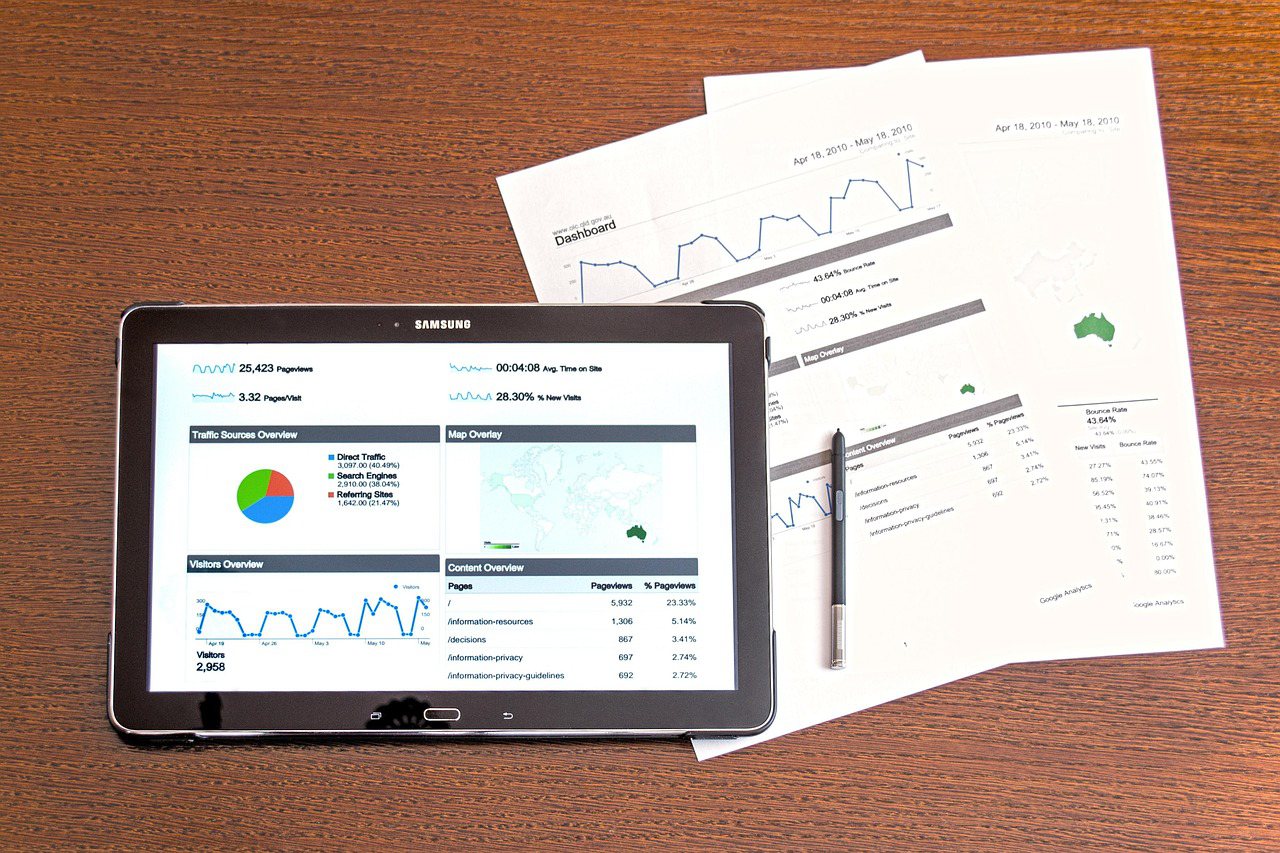
Japan’s government publishes detailed, free statistics, and they should be your first stop for sizing a market. They will not tell you how people feel about your product, but they set the outer limits of any forecast.
Begin With People and Age
Build the estimate from the buyers you can actually serve. The Statistics Bureau’s final estimate for 1 May 2026 put Japan’s population at 122.812 million, with 29.5% aged 65 or over and 59.7% aged 15 to 64. A product for people in their twenties and one for retirees are sizing very different markets inside that total. The bureau planned to rebase this series on the 2025 census from its November 2026 report, so take current figures from the latest release.
Add Spending, Trade, and Business Data
Headcount becomes a market estimate once you add what households spend and what already crosses the border. Trade statistics are especially useful for imported goods: Japan classifies goods with 9-digit codes, and the first 6 digits follow the international HS system, so you can compare Japan’s figures with those of other countries at that level.
| Source | Publisher | Use it to | Language note |
|---|---|---|---|
| e-Stat | Portal for government statistics | Find tables across ministries, by theme or keyword | English and Japanese; some tables only in Japanese |
| Population Estimates | Statistics Bureau | Size buyers by age and sex | Bilingual monthly report |
| Family Income and Expenditure Survey | Statistics Bureau | See household spending by item | Detailed tables in Japanese; translation tables for classifications |
| Trade Statistics of Japan | Ministry of Finance | Track imports by product and origin | English search available |
| Economic Census for Business Activity | Ministry of Internal Affairs and Communications; Ministry of Economy, Trade and Industry | Count establishments and enterprises in your sector | English summary pages; 2021 edition covers activity in 2020 |
Use JETRO’s Sector Reports for Context
The Japan External Trade Organization (JETRO) offers industry reports written for foreign companies considering Japan. Its FY2024 summaries cover fields such as generative AI, fintech, medical devices, care and nursing, hydrogen energy and offshore wind. Each report outlines the Japanese market, compares it with overseas markets and describes relevant rules and incentives. Coverage changes from year to year, so check JETRO’s site for the current list.
Step 2: Listen to Unprompted Conversation on Social Media
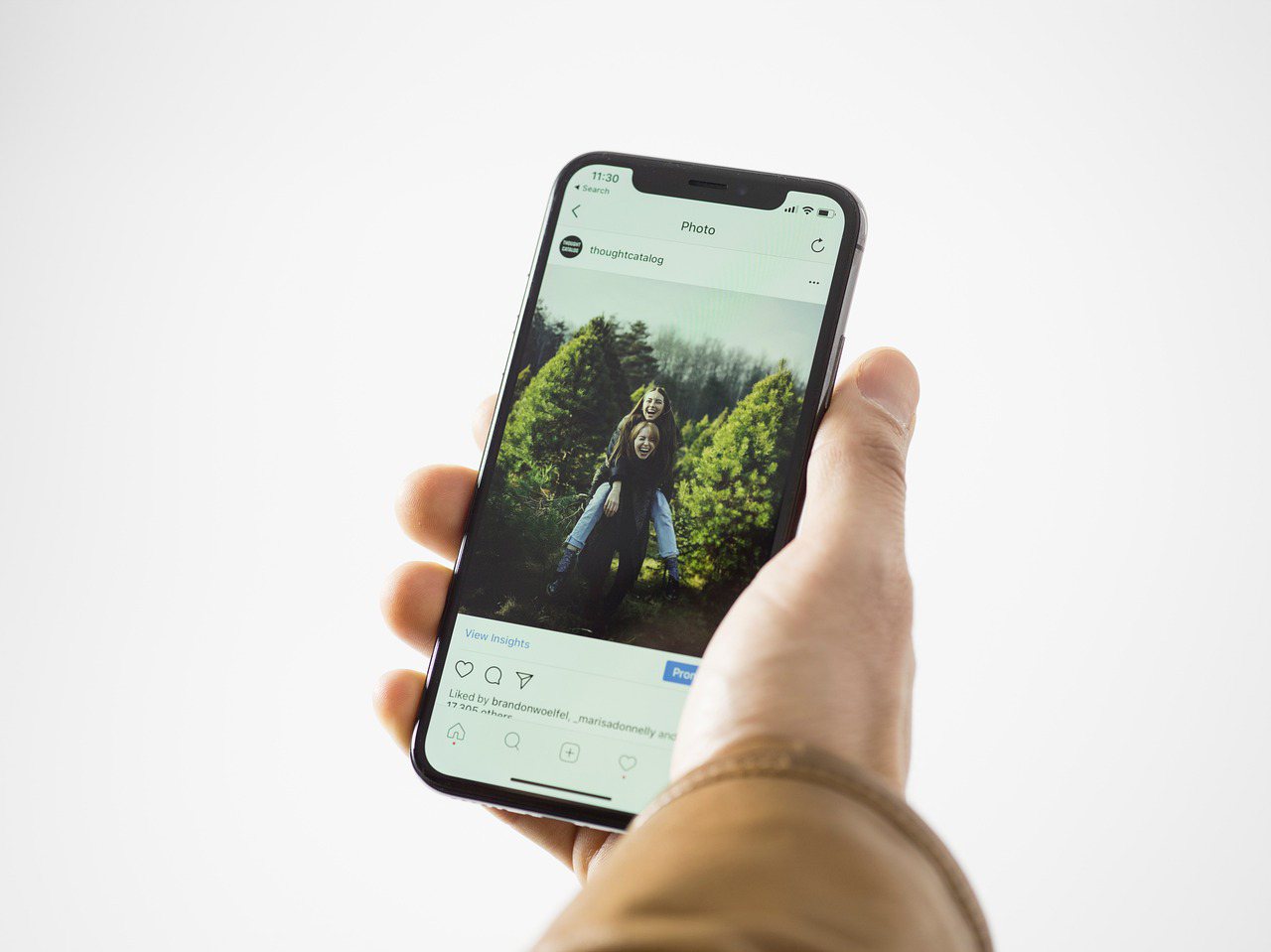
Social listening shows the words buyers use, the complaints they repeat and the alternatives they compare, all without a researcher prompting them. That makes it the best input for writing a good survey. Our guide to social listening in Japan covers tools and setup; here the concern is how it fits into validating demand.
Match the Platform to the Buyer
Where you listen determines who you hear. The Ministry of Internal Affairs and Communications’ media use survey, conducted in December 2025 among 1,800 people aged 13 to 79, shows how sharply platform use varies by age.
| Platform | All ages | 20s | 40s | 60s | 70s |
|---|---|---|---|---|---|
| LINE | 92.9% | 97.7% | 96.6% | 92.0% | 77.8% |
| YouTube | 81.5% | 96.3% | 91.6% | 72.6% | 48.5% |
| 54.8% | 82.6% | 67.1% | 36.1% | 15.8% | |
| X | 44.7% | 73.4% | 57.0% | 24.8% | 10.8% |
| TikTok | 36.7% | 61.5% | 42.6% | 21.2% | 11.1% |
LINE’s reach is wide, but much of its conversation happens in private chats that listening tools cannot see. Public posts on X, Instagram comments and YouTube comments are more practical sources. For purchase-stage opinion, add category review sites such as @cosme for beauty and Kakaku.com for electronics and appliances, along with reviews on the major shopping malls.
Build Keywords the Way Japanese Users Write
Japanese has no spaces between words and mixes several scripts, so an English brand name may appear in katakana, in Latin letters or as an abbreviation fans invented. Collect those variants by reading real posts before you set up any query. Automated sentiment scores also struggle with irony and indirect phrasing, so have a fluent reader check a sample of what the tool labels positive or negative.
What Social Data Cannot Tell You
Social data overrepresents people who post, and it says little about how common an opinion is across the population. Use it to find hypotheses and vocabulary rather than to size demand. A complaint that appears repeatedly is worth testing in a survey; it is not yet evidence that most buyers share it.
Step 3: Survey the Buyers You Actually Want
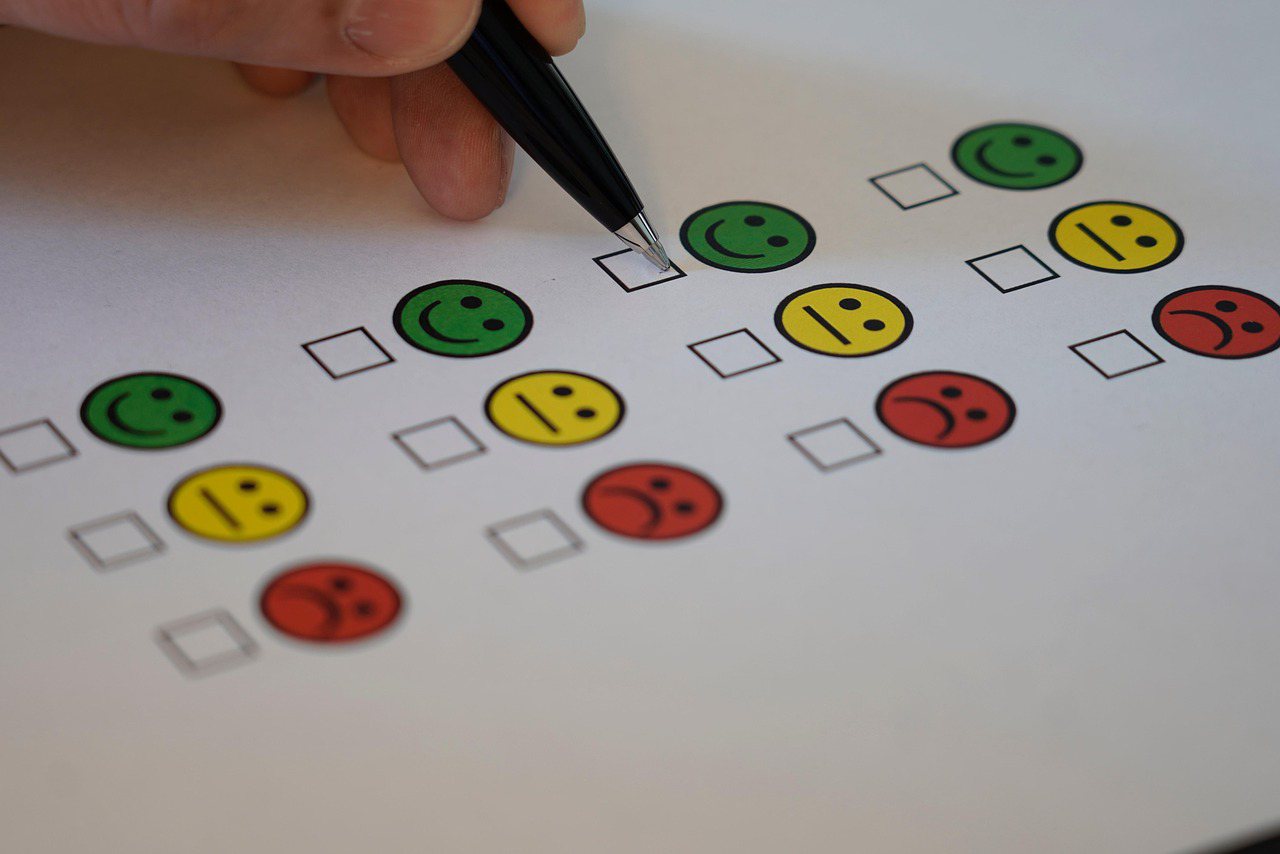
A consumer survey turns what you heard in social conversation into numbers you can compare across segments. Its value depends on who answers and how the questions are written, and Japan adds a few specific traps to both.
Check Who an Online Panel Leaves Out
Online surveys are the largest ad hoc format in Japan: the Japan Marketing Research Association (JMRA) estimates that they made up 86.1 billion yen of the 155.5 billion yen in ad hoc research sales in fiscal 2025. They suit most consumer categories, because internet use exceeded 90% in every age group from 13 to 69 in the government’s 2025 Communications Usage Trend Survey. Coverage falls among older people, at 71.9% for those in their seventies and 37.1% for those aged 80 and over. If your buyers are older, add mail, telephone or in-person methods.
Translate for Meaning, Then Back-Check
Have a native Japanese researcher write the questionnaire from your objectives instead of translating the English version word by word. Then have someone else translate it back and compare the meaning. Pay close attention to answer scales and to words like “premium” or “natural”, which may not carry the associations you assume.
Allow for How Japanese Respondents Use Rating Scales
Scale answers from Japan may cluster closer to the middle than answers from North America. A 1995 study in Psychological Science of high school students in Japan, Taiwan, Canada and the United States found Japanese and Chinese students more likely than the North American groups to choose the midpoint, while US students were the most likely to choose extreme values. The authors noted that the differences were small and generally did not alter comparisons of item means. Even so, read a modest Japanese score against a US benchmark with care. Comparing concepts within the same Japanese sample is safer.
Screen Before You Count
Ask screening questions that identify real category buyers, and report results for that group separately from the general sample. Ask about past behavior, such as what someone bought recently, before asking about future intent. Stated intent tends to run ahead of what people do, which is why Step 5 exists.
A Worked Example: Reading Two hotice Surveys

Two surveys published by hotice show how general consumer data can sharpen a research plan, and also where it stops. One asked 524 people in Japan about their positive impressions of foreign products (published October 2025); the other collected 533 valid responses on concerns about foreign products (published November 2025).
What the Results Show
| Country of origin | Top positive impression (n=524) | Top concern (n=533) |
|---|---|---|
| United States | Outstanding design, 42.4% | Not optimized for the Japanese market, 45.6% |
| United Kingdom | Outstanding design, 50.8% | Not optimized for the Japanese market, 39.4% |
| Canada | Outstanding design, 31.7% | Not optimized for the Japanese market, 31.9% |
| Australia | Good cost performance, 29.2% | Not optimized for the Japanese market, 31.5% |
| India | Good cost performance, 44.9% | Concerned about product quality, 49.7% |
| China | Good cost performance, 50.2% | Concerned about product quality, 68.1% |
| Taiwan | Good cost performance, 43.1% | Concerned about product quality, 30.4% |
| South Korea | Good cost performance, 40.8% | Concerned about product quality, 38.8% |
For the four Western origins, the leading concern was fit with Japan, and “information and customer support are unclear” came second (33.8% for the United States, 28.3% for the United Kingdom, 28.9% for Canada and 25.7% for Australia). For the four Asian origins, the leading concern was product quality, although for Taiwan almost as many respondents (30.0%) chose “none of the above”.
hotice is a cross-border influencer marketing agency helping overseas brands enter Japan. We handle casting, negotiation, Japanese-language contracts, and ad-disclosure compliance.
Tell us your category, budget range, and timing. We will take it from there.What the Results Cannot Prove
These surveys measured general images of each country’s products, and the respondents were general consumers, not screened buyers. Treat them as a starting hypothesis about how your country of origin may be received. They say nothing about whether anyone would buy your product.
The Follow-Up Research They Point To
A US or UK brand might take “not optimized for Japan” as its first thing to test: which part feels unadapted, the product, the Japanese-language information or the after-sales support? A brand from an origin where quality is the leading concern might test which proof reassures buyers most, such as certifications, warranties or reviews. Findings of this kind feed directly into localization decisions for Japan.
Step 4: Check Competitors and Talk to Buyers

Competitor audits show what buyers can already choose, and interviews explain the reasons behind your survey numbers.
Audit the Shelf and the Search Results
Record what is on sale in the channels you plan to use: leading products, pack sizes, price points, claims, review counts and the complaints in those reviews. Search for your category in Japanese as a buyer would, and note who appears. Our guide on how to sell in Japan compares the main routes to market.
Use Interviews to Explain the Numbers
Individual interviews often work better than group sessions when the topic is sensitive or opinions may differ, since participants may hold back from disagreeing in front of others. Use a native moderator, keep the discussion guide short and ask people to walk through their last purchase. For B2B products, interview buyers and distributors separately, because their incentives differ. Conversations with potential distributors in Japan can also reveal how the trade views your category.
Step 5: Test Real Demand Before You Commit

A small live test is the strongest evidence of demand, because it measures what people do when money or effort is involved.
Choose a Test That Matches Your Risk
Common options include a limited listing on a Japanese marketplace, a Japanese landing page with a waitlist or sample request, a small paid search campaign that compares two messages, or a pop-up. Decide in advance which metric counts, such as repeat purchase or completed sample requests. Check the applicable import, labeling and product rules with a qualified adviser before you sell anything, since requirements differ by category.
Use Creator Content as a Demand Signal
Short creator campaigns can show which message makes Japanese audiences search, save or buy, and comments add qualitative feedback. Since 1 October 2023, advertising that consumers cannot recognize as advertising has been a violation of Japan’s Act against Unjustifiable Premiums and Misleading Representations. If you provide a product while requesting or expecting a post, the post will generally count as your own advertising and needs clear disclosure, such as a PR label, and the responsibility for disclosure lies with the advertiser. Our guide to Japan’s stealth marketing regulation explains what counts, and our guide to influencer marketing costs in Japan explains how creator fees are structured.
How to Choose a Japan Market Research Partner

Choose a partner by matching the provider type to the gap in your evidence, then test how it controls quality.
Types of Provider
| Provider type | Best for | Watch for |
|---|---|---|
| Full-service research firm | Multi-stage studies, retail or purchase data, tracking | Whether senior researchers stay on your project |
| Online panel or self-service platform | Fast surveys when you can design them yourself | You carry the responsibility for questionnaire quality |
| Syndicated report publisher | Quick category overviews and market estimates | Undisclosed methods, age of data, broad segments |
| Independent moderator or consultant | Interviews, B2B access, interpreting findings | Depth of sector experience and access to respondents |
JMRA, the industry body founded in 1975, publishes a list of its regular members (in Japanese) and had 101 of them on 1 April 2026, which makes it a practical starting point for a shortlist. INTAGE, for example, highlights its daily shopping and retail sales data, while Macromill offers online and offline research as well as a self-service platform. Both are JMRA regular members; they are named here to illustrate provider types, not as recommendations.
Questions to Ask Before You Sign
- Who will design the questionnaire, and will they work on the project through to the final report?
- Where does the sample come from, and how are fraudulent or careless responses removed?
- Does the provider follow JMRA’s code and guidelines or an equivalent standard?
- Will you receive raw data and full cross-tabulations, and in English?
- Who translates open-ended answers, and is the original Japanese kept alongside?
For online samples, ESOMAR’s 37 Questions to Help Buyers of Online Samples is a useful checklist to send with your brief.
What Shapes the Scope of a Project
Scope, and therefore budget, is driven by how hard your respondents are to find, how many of them you need, the length of the questionnaire, the number of subgroups you want to compare, the amount of qualitative work and the language of the deliverables. Ask vendors to respond to the same written brief so that proposals can be compared directly.
Handle Personal Data With Care
Japan’s Act on the Protection of Personal Information can also apply to businesses handling personal information abroad when this relates to supplying goods or services to people in Japan (Article 171). If you collect names, contact details or customer lists for research, confirm your obligations with qualified counsel. A vendor’s PrivacyMark, a certification operated by JIPDEC since 1998, is one sign that it has been assessed on how it protects personal information.
Turning Findings Into an Entry Decision

Research only pays off when it ends in a clear recommendation: go, adjust or stop. Bring the evidence back to the criteria you set before the work began.
List each of the four questions from the start of this guide, the evidence gathered, your confidence in it and what remains unknown. Conflicting sources deserve a note instead of an average: if social conversation is enthusiastic but a live test underperforms, trust the behavior. From there, the summary can feed your wider plan for doing business in Japan.
FAQ
Where can I find free data on the Japanese market?
Start with e-Stat, the government’s statistics portal, which is available in English and Japanese. The Statistics Bureau publishes population and household spending data, and the Ministry of Finance runs a searchable English database of trade statistics. JETRO also offers industry reports for foreign companies considering Japan. Some detailed tables are only in Japanese, so a fluent reader will save time.
Can an overseas company run a consumer survey in Japan?
Yes, typically through a research firm or an online panel provider. The harder part is quality. Have a native Japanese researcher write the questionnaire, screen for real category buyers and check open-ended answers in the original language. If you collect personal information, confirm your obligations under Japan’s privacy law with qualified counsel before fieldwork begins.
How large should a Japan consumer survey sample be?
There is no single correct number. Work backward from the smallest subgroup you need to report on, such as women in their thirties who bought the category recently, and ask your research provider what margin of error that subgroup size would give. Rare audiences take longer to reach, so check feasibility with the provider before you finalize the design.
Is social listening enough to validate demand in Japan?
No. Social listening is excellent for finding the language buyers use, recurring complaints and the alternatives they compare, but it overrepresents people who post and cannot show how widespread an opinion is. Use it to form hypotheses, test those hypotheses in a screened survey, and confirm demand with a small live test that measures actual behavior.
How do I choose a market research company in Japan?
Match the provider type to your evidence gap: a full-service firm for multi-stage studies, a panel or self-service platform for fast surveys, or an independent moderator for interviews. Ask where the sample comes from, how poor-quality responses are removed, who will work on your project and whether you will receive raw data. The member list of the Japan Marketing Research Association is a practical starting point.
What determines the cost of market research in Japan?
The main factors are how hard your respondents are to find, the sample size, questionnaire length, the number of subgroups compared, the amount of qualitative work and the language of the deliverables. Narrow B2B audiences are usually harder to reach than general consumers. Sending every vendor the same written brief makes their proposals directly comparable.
Methodology and Data Sources
The process in this guide reflects general research practice. Statistics and institutional facts come from the primary sources below, accessed on 18 November 2026. Rules, reports and data releases change, so confirm current details on the official pages, and consult qualified advisers on legal, tax and customs matters.
- Statistics Bureau of Japan, Population Estimates, October 2026 report: https://www.stat.go.jp/data/jinsui/pdf/202610.pdf
- Portal Site of Official Statistics of Japan (e-Stat): https://www.e-stat.go.jp/en
- Statistics Bureau of Japan, Family Income and Expenditure Survey: https://www.stat.go.jp/english/data/kakei/index.htm
- Statistics Bureau of Japan, 2021 Economic Census for Business Activity: https://www.stat.go.jp/english/data/e-census/2021/index.html
- Statistics Bureau of Japan, 2021 Economic Census for Business Activity, conducting ministries (Japanese): https://www.stat.go.jp/data/e-census/2021/index.html
- Ministry of Finance, Trade Statistics of Japan: https://www.customs.go.jp/toukei/info/index_e.htm
- Ministry of Finance, code lists for Trade Statistics of Japan: https://www.customs.go.jp/toukei/sankou/code/code_e.htm
- Ministry of Internal Affairs and Communications, FY2025 survey on information and communications media use, summary (Japanese): https://www.soumu.go.jp/main_content/001079136.pdf
- Ministry of Internal Affairs and Communications, 2025 Communications Usage Trend Survey, key points (Japanese): https://www.soumu.go.jp/main_content/001074767.pdf
- JETRO, attractive sectors and industry reports: https://www.jetro.go.jp/en/invest/attractive_sectors/
- Japan Marketing Research Association, 51st management survey, 24 June 2026 (Japanese): https://www.jmra-net.or.jp/Portals/0/trend/investigation/gyoumujitai_51.pdf
- Japan Marketing Research Association, outline (Japanese): https://www.jmra-net.or.jp/aboutus/outline/
- Japan Marketing Research Association, regular members (Japanese): https://www.jmra-net.or.jp/membership/regular_member.html
- Japan Marketing Research Association, code and guidelines (Japanese): https://www.jmra-net.or.jp/rule/
- Chen, Lee and Stevenson, Psychological Science 6(3), 170 to 175, 1995: https://doi.org/10.1111/j.1467-9280.1995.tb00327.x
- Consumer Affairs Agency, stealth marketing rules (Japanese): https://www.caa.go.jp/policies/policy/representation/fair_labeling/stealth_marketing/
- Consumer Affairs Agency, operational standards for the stealth marketing rules (Japanese): https://www.caa.go.jp/policies/policy/representation/fair_labeling/guideline/assets/representation_cms216_230328_03.pdf
- Act on the Protection of Personal Information, Japanese Law Translation: https://www.japaneselawtranslation.go.jp/en/laws/view/4241
- JIPDEC, PrivacyMark System: https://privacymark.org/
- ESOMAR, 37 Questions to Help Buyers of Online Samples: https://esomar.org/code-and-guidelines/37-questions-to-help-buyers-of-online-samples
- INTAGE: https://www.intage.co.jp/english/
- Macromill: https://www.macromill.com/en/
- @cosme: https://www.cosme.net/
- Kakaku.com: https://kakaku.com/
If your research points toward creator-led campaigns, our comparison of influencer marketing agencies in Japan sets out what to ask before you sign.
Supervised by the hotice Editorial Team, specialists in helping global brands enter the Japanese and Asian markets through influencer marketing. Last updated: November 2026.
Pricing, past campaigns, and how contracts and ad-disclosure compliance are handled from start to finish. Ask us anything before you commit to a budget.
Overseas brands welcome. We work in English, Japanese, Chinese, and Korean.