Japanese Streamers: The Platforms, the Personalities, and How Sponsorship Works
- 1. Where Japanese Streamers Actually Broadcast
- 1-1. Platform by Platform: YouTube Live, Twitch, TwitCasting, Niconico, and the Rest
- 1-2. Who Watches Where: Age and Genre by Platform
- 1-3. How Tipping Works Here: Super Chats, Gifts, and Points
- 2. Why Twitch Is Not the Default in Japan
- 2-1. YouTube Got There First
- 2-2. Niconico’s Comment Culture Shaped What “Live” Means in Japan
- 2-3. Where Twitch Does Work: Gaming and Esports
- 3. Japanese Streamers Worth Knowing, by Platform and Genre
- 3-1. Gaming Streamers: Live-First, Not Video-First
- 3-2. Talk, Music, and Just-Chatting Streamers
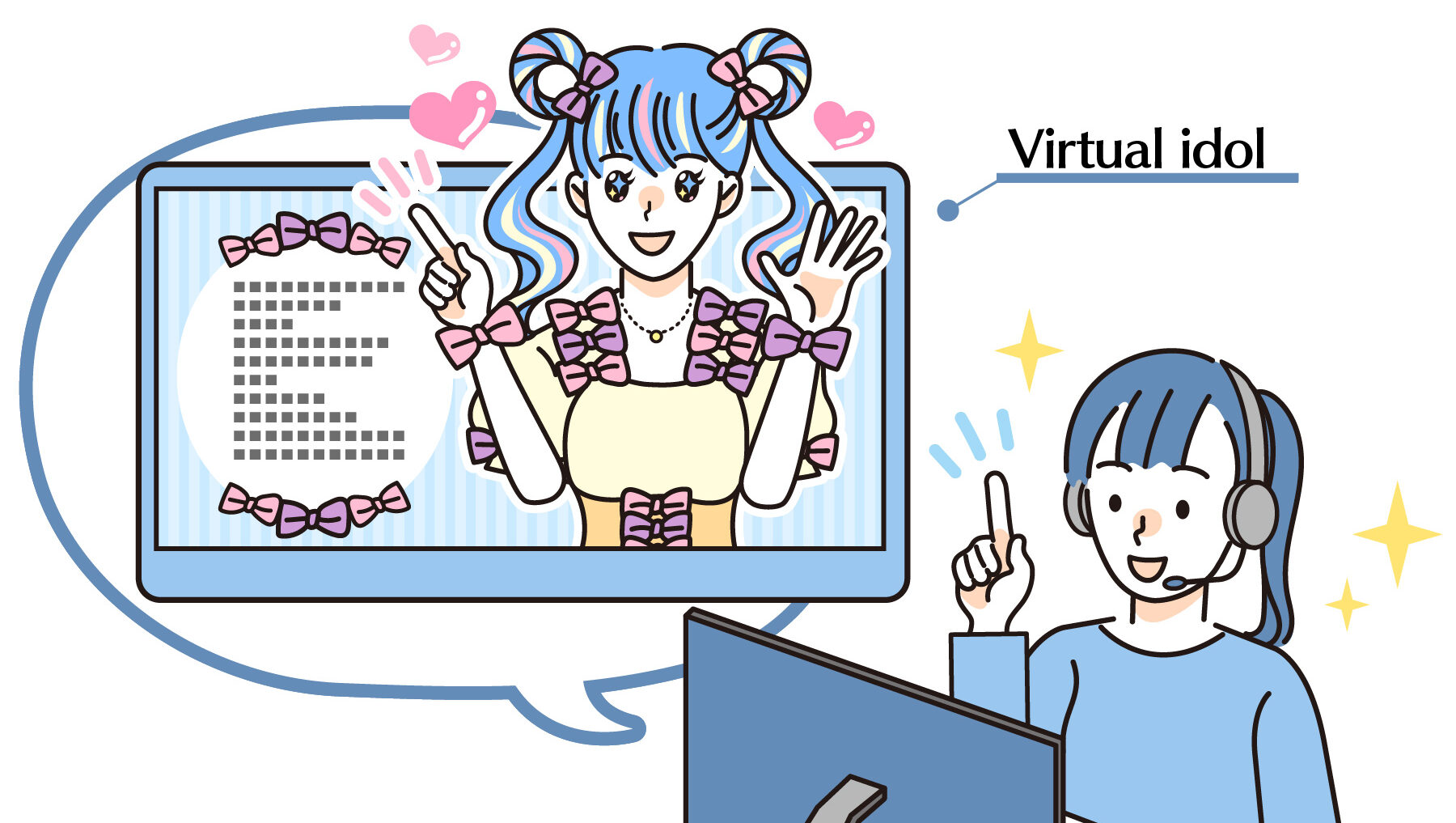
- 3-3. VTubers Who Stream Live
- 4. How to Choose the Right Streamer
- 4-1. Check the Audience Country Breakdown First
- 4-2. Average Concurrent Viewers, Not Followers
- 4-3. Schedule, Time Slot, and Chat Distance
- 4-4. Do They Keep the Archive?
- 5. What Sponsorship Looks Like in Live Streaming
- 5-1. Four Sponsorship Formats: In-Stream Mention, Title Sponsorship, Dedicated Stream, and Event Naming
- 5-2. No Retakes: Agreeing the NG List Before Going Live
- 5-3. How Live Sponsorship Is Priced
- 6. Finding a Live Streaming Agency in Japan
- 6-1. Streamer Offices, Esports Teams, and Marketing Agencies: Who Does What
- 6-2. Three Questions to Ask Before You Sign
- 7. Disclosure Rules You Must Follow
- 8. FAQ
- 8-1. Do Japanese streamers use Twitch?
- 8-2. What is the most popular live streaming platform in Japan?
- 8-3. Who are the biggest Japanese streamers?
- 8-4. How much does it cost to sponsor a Japanese stream?
- 8-5. Can I sponsor a single stream instead of a campaign?
- 8-6. How do I find a live streaming agency in Japan?
- 8-7. Do streamers have to disclose sponsorships in Japan?
- 9. Methodology and Data Sources
Pricing, past campaigns, and how contracts and ad-disclosure compliance are handled from start to finish. Ask us anything before you commit to a budget.
Overseas brands welcome. We work in English, Japanese, Chinese, and Korean.TL;DR: Live streaming in Japan does not revolve around Twitch. YouTube Live is the centre, with TwitCasting, Niconico and gift-driven mobile apps alongside. Each platform has its own kind of streamer and its own age profile. Because a live stream runs for hours and cannot be retaken, sponsoring one is planned differently from a video deal.
Brands that sponsor streamers in the United States or Europe usually start their Japan search on Twitch. They find some large Japanese gaming channels but miss most talk, music and VTuber streamers, who broadcast on YouTube Live and Japanese services instead.
This guide maps where Japanese streamers broadcast and who they are, then explains how to sponsor one. For the wider picture of how brands work with creators in Japan, start with our overview of influencer marketing in Japan.

Where Japanese Streamers Actually Broadcast
YouTube Live is the centre of Japanese live streaming, because the audience is already there: Google Japan reported more than 73.7 million YouTube users aged 18 and over in May 2024, and streamers keep their subscribers when they go live. Twitch matters mainly for gaming. Around them sit TwitCasting, Niconico and mobile live apps.
No official figure splits live viewing by platform. In the Ministry of Internal Affairs and Communications (MIC) FY2025 media survey, 81.5% of people aged 13 to 79 used YouTube, while the “live-streaming video sharing services” category, which covers Niconico Live and TwitCasting but not YouTube, was used by 6.6%, down from 8.0% in 2020.
| Platform | Main audience | Typical genres | How streamers earn | Way in for advertisers |
|---|---|---|---|---|
| YouTube Live | All ages | Gaming, talk, music, VTubers | Super Chat, channel memberships, ads | Sponsored streams via the streamer’s office |
| Twitch | Gaming and esports fans | Competitive games, esports watch-alongs | Subscriptions, Bits, ads | Sponsored streams; event and tournament partnerships |
| TwitCasting (ツイキャス) | Younger, smartphone-first users | Talk, singing, ticketed online shows | Viewer items, paid “Premier” ticketed streams | Mostly through streamers and their management |
| Niconico Live (ニコニコ生放送) | Skews male and under forty | Gaming, anime, long talk streams | Gifts, paid channel memberships | Channel and event partnerships |
| Mobile live apps (Pococha, 17LIVE, SHOWROOM, Mirrativ) | Smartphone-first viewers | Chat streams; mobile games (Mirrativ) | Virtual gifts | App-run events and campaigns |
Platform by Platform: YouTube Live, Twitch, TwitCasting, Niconico, and the Rest
YouTube Live is the centre because it sits on the platform four in five people already use, and archives stay on the channel, which matters for sponsors.
Twitch, owned by Amazon, is strongest in competitive gaming. It publishes no Japanese user count.
TwitCasting, run by Moi Corporation, is built around smartphone streaming. Moi reports more than 30 million cumulative registered users, and its paid “Premier” ticketed streams passed 15 billion yen in cumulative ticket sales by the end of March 2026.
Niconico, run by Dwango, made on-screen viewer comments part of Japanese video culture. Its reach is far smaller than YouTube’s: 12.1% of people aged 13 to 79 used it in the MIC survey.
The rest are mobile apps. Pococha (operated by DeNA), 17LIVE and SHOWROOM centre on one streamer talking to viewers who send virtual gifts. Mirrativ, for streaming mobile games, reported about 5.69 million cumulative streamers at the end of July 2025.
Two services in older guides are no longer options: Mildom closed on 1 September 2024, and OPENREC.tv relaunched as “mellow-fan” on 1 July 2026, ending free streaming for general users. For how these platforms fit alongside LINE, Instagram, X and TikTok, see our guide to social media in Japan.
Who Watches Where: Age and Genre by Platform
The MIC survey shows that dedicated live platforms skew young, with usage dropping sharply after forty. YouTube and Niconico figures come from the survey’s social media question; the live-streaming column comes from its video-service question.
| Age group | Live-streaming services (Niconico Live, TwitCasting, etc.) | Niconico | YouTube |
|---|---|---|---|
| Teens | 11.4% | 19.3% | 95.0% |
| 20s | 13.8% | 22.9% | 96.3% |
| 30s | 13.6% | 20.0% | 94.0% |
| 40s | 5.7% | 13.1% | 91.6% |
| 50s | 3.6% | 5.9% | 84.9% |
| All ages (13 to 79) | 6.6% | 12.1% | 81.5% |
TwitCasting is not broken out, but its category peaks under forty, and the platform is built around talk, singing and small fan communities. Niconico is more male (15.7% of men against 8.4% of women) and strongest under forty. YouTube Live reaches every age, so the audience depends on the streamer. Twitch gathers the audience for competitive games.
How Tipping Works Here: Super Chats, Gifts, and Points
Paid tipping is central to Japanese live streaming: Super Chats and memberships on YouTube, gifts on Niconico, and virtual gifts on Pococha and 17LIVE, where gifts are the main way streamers earn. Viewers who pay a streamer expect the stream to feel like theirs, so a sponsor segment has to respect that, or the chat will say so in real time.
Why Twitch Is Not the Default in Japan
YouTube had Japan’s audience first, Niconico shaped how Japanese viewers watch live, and Twitch’s strength is limited to gaming. Searching Twitch alone finds gaming talent and little else.
YouTube Got There First
YouTube was the video app most Japanese people already used, so when creators started streaming live, many went live to subscribers they already had, with no new app for viewers. Twitch was a separate destination, and outside gaming few Japanese viewers had a reason to move. The MIC survey does not list Twitch among the services it tracks.
Niconico’s Comment Culture Shaped What “Live” Means in Japan
Niconico made comments scroll across the video itself, so watching became a shared, noisy experience built on reacting together. Japanese YouTube Live chat has the same feel: fast comment streams, inside jokes and tipping. No data measures how much of that came from Niconico, but the habits match, and they help explain why Japanese streams feel different from Western ones on the same platforms.
Where Twitch Does Work: Gaming and Esports
Twitch is home to many of the country’s top competitive gamers, some with more than a million Twitch followers, and suits streamers with an international audience. In Japan it is specialised, not unusable: it works for gaming, esports and hardware brands, and poorly for most others. For Japanese gaming creators on YouTube and how brands choose them, see our guide to Japanese gamers.
Japanese Streamers Worth Knowing, by Platform and Genre
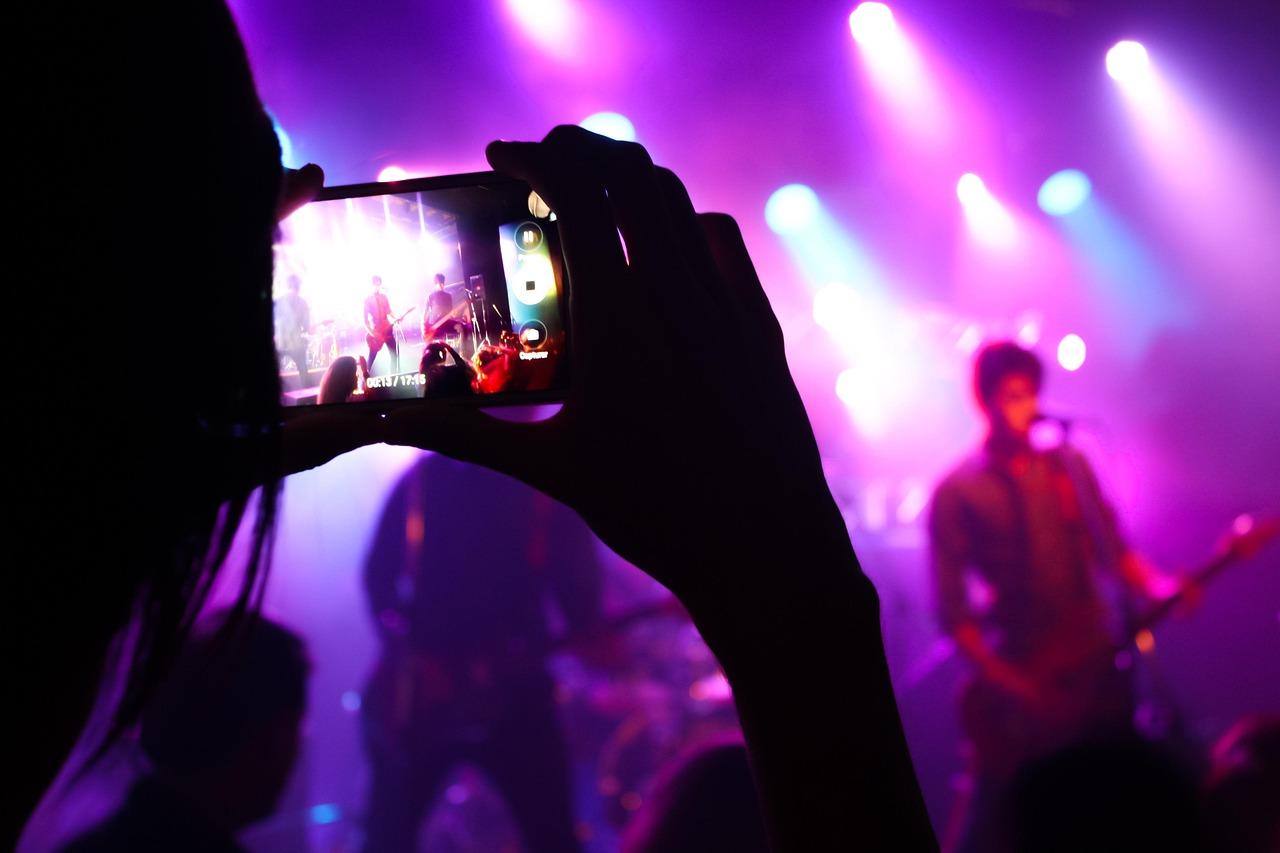
The streamers below broadcast live regularly, grouped by the campaigns they fit rather than by size. Audience sizes are rounded down from official channel counts checked on 24 September 2026; they are followers or subscribers, not concurrent viewers. This is a selection of well-known examples, not a ranking or an endorsement.
| Genre | Examples (official channels) | Audience size | Main live platform | Fits |
|---|---|---|---|---|
| Gaming, live-first | Junichi Kato (加藤純一) Yuta Seki (StylishNoob) k4sen |
1.2 million+ Twitch followers 1.1 million+ Twitch followers 1 million+ Twitch followers |
Twitch, YouTube | Game launches, PC hardware and peripherals, energy drinks |
| Music and singers | Irregular Dice (いれいす) SIXFONIA (シクフォニ) |
1.2 million+ YouTube subscribers 1.3 million+ YouTube subscribers |
YouTube Live, TwitCasting | Beverages, food, lifestyle, fan-focused products |
| VTubers | Usada Pekora (兎田ぺこら, hololive) Kuzuha (葛葉, Nijisanji) |
2.7 million+ YouTube subscribers 2.2 million+ YouTube subscribers |
YouTube Live | Games, anime-adjacent products, collaboration merchandise |
For a longer list organised by platform, see our ranking of Japanese stream influencers.
Gaming Streamers: Live-First, Not Video-First
These are streamers whose main work is the live broadcast itself. Junichi Kato, Yuta Seki (StylishNoob) and k4sen all stream regularly on Twitch, and each has more than a million Twitch followers. Their audiences come for the commentary, the chat and the shared moments; clips follow from the stream. Creators whose main output is edited YouTube video are covered in our guide to Japanese gamers. The difference matters: a live-first streamer sells hours of attention and real-time reaction, a video creator sells a finished piece.
Talk, Music, and Just-Chatting Streamers
Outside gaming, many of the biggest live audiences gather for conversation. Talk streams often run late at night on TwitCasting or YouTube Live, with the streamer chatting to viewers about daily life, news or listener questions. Because the talk is unscripted and some channels cover controversial topics, review past streams for brand safety before approaching anyone. Singer groups such as Irregular Dice and SIXFONIA, who appear as illustrated characters, stream on YouTube, and their members also go live individually on TwitCasting. These streams suit beverage, food, gadget and app brands, because the product can join the conversation instead of interrupting it.
VTubers Who Stream Live
VTubers, streamers who appear as animated avatars, are a pillar of Japanese live streaming. The largest, such as Usada Pekora of hololive and Kuzuha of Nijisanji, have more than two million YouTube subscribers each and stream mostly live. Their agencies run their own approval processes. For how VTuber campaigns work, see our guide to VTuber marketing in Japan.
How to Choose the Right Streamer

The rest of this guide is for brands planning to sponsor a Japanese live stream. Live work needs checks that video campaigns do not, because you are buying time on air, not a finished video.
Check the Audience Country Breakdown First
Before anything else, ask for the streamer’s audience by country. Large Japanese channels, especially in gaming and VTubers, can have a significant share of viewers abroad: useful for a global campaign, wasted reach for a Japan-only launch. Ask the streamer’s office for country data from YouTube Studio or Twitch analytics, ideally as dashboard screenshots. Set the minimum share of Japanese viewers from the campaign goal before you see the numbers.
Average Concurrent Viewers, Not Followers
Follower counts are the easiest numbers to find and the least useful for live work. What matters is how many people watch at the same time. Ask for average concurrent viewers across recent streams, and use the median, not the peak: one viral stream or collaboration can produce a peak many times the usual level.
hotice is a cross-border influencer marketing agency helping overseas brands enter Japan. We handle casting, negotiation, Japanese-language contracts, and ad-disclosure compliance.
Tell us your category, budget range, and timing. We will take it from there.Schedule, Time Slot, and Chat Distance
Check when and how often the streamer goes live. Many Japanese streamers broadcast late at night, which suits some products and not others. Then watch a few streams in full and read the chat. Is it friendly or combative, and how does it react to a sponsor mention? Some communities welcome sponsors as support for the streamer; others push back. Real-time reaction is part of what you pay for.
Do They Keep the Archive?
Some streamers delete or restrict their archives, or keep them for members only. Without an archive, the sponsored segment exists only while the stream is live and cannot be reused as a clip or ad. Agree archive retention, clipping rights and secondary use in writing before the stream. Our guide to influencer contracts in Japan covers the clauses to include.
What Sponsorship Looks Like in Live Streaming
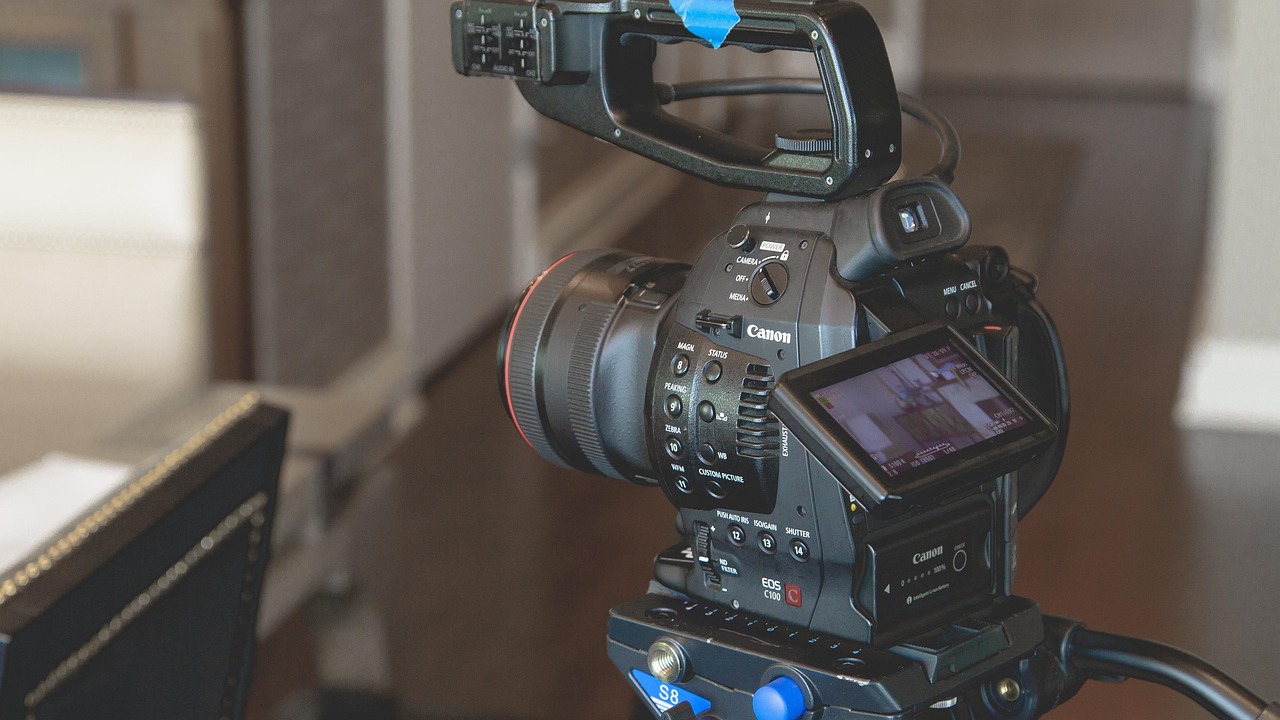
Live sponsorship in Japan follows four main formats, which differ in how deeply the product is built in and how much preparation they need.
| Format | Best for | How viewers tend to receive it | What you need to prepare |
|---|---|---|---|
| In-stream mention | Everyday products, apps, drinks | Accepted when natural and short | Talking points, an NG list, disclosure wording |
| Title sponsorship (sponsor named in the stream title) | Brand awareness, game launches | Clear to all viewers from the start | Agreed title wording, overlay assets |
| Dedicated stream | New games, devices, products that need a demo | Welcomed if the streamer is genuinely interested | Early product access, run of show, NG list |
| Event or tournament naming | Large launches, esports and hardware brands | Seen as supporting the community | Organiser agreement, longer lead time |
Four Sponsorship Formats: In-Stream Mention, Title Sponsorship, Dedicated Stream, and Event Naming
What sets all four formats apart from a video deal is length and interaction. A stream runs for hours and the chat decides in real time whether a sponsored segment feels welcome. The best ones let the streamer use the product honestly rather than read a script.
No Retakes: Agreeing the NG List Before Going Live
A recorded video can be edited and approved before it goes out. A live stream cannot, so the NG list, the things the streamer must not say or show, is the most important preparation for a live deal. Agree it in writing before the stream: claims the streamer must not make, competitor mentions, restricted topics, and what happens if a viewer asks something the brief does not cover. Decide who will watch live and how they reach the streamer’s team if something goes wrong. Our guide to influencer contracts in Japan explains how to write these terms.
How Live Sponsorship Is Priced
Live sponsorship is priced on how long the streamer is committed, the usual concurrent audience, and whether the stream is dedicated to your product. Archive rights, exclusivity and preparation add to it. A video deal, by contrast, is priced mainly on production work. For how each cost line is built, see our breakdown of influencer marketing costs in Japan.
Finding a Live Streaming Agency in Japan

Several kinds of organisation sit between a brand and a Japanese streamer. Talent-side organisations represent streamers; brand-side agencies represent advertisers. Knowing the difference saves weeks.
| Organisation | Who it works for | What it does | What it does not do | Best for |
|---|---|---|---|---|
| Streamer office (management) | The streamer | Bookings, terms, the streamer’s image | Plan your campaign or compare streamers | Brands that already know which streamer they want |
| Esports team | Its players and streamers | Team sponsorships, player appearances, event activations | Cast streamers outside the team | Gaming and hardware brands |
| Marketing agency | The brand | Casting across offices, briefs, NG lists, live monitoring | Represent the streamer’s interests | Brands new to Japan or running several streamers |
| Platform | Its own business | Ad products, official events and campaigns | Negotiate with streamers for you | Brands buying media or platform-run events |
Streamer Offices, Esports Teams, and Marketing Agencies: Who Does What
Most established Japanese streamers work through an office or a team. Overseas brands that send a direct message in English often get no reply, because offices usually expect a Japanese-language proposal with a brief, dates, deliverables and disclosure terms. Offices and teams naturally recommend from their own roster. A brand-side agency compares across offices and runs the campaign for the brand. At hotice, that role covers casting for live campaigns and running the stream itself, including agreeing the NG list with the streamer’s team in advance.
Three Questions to Ask Before You Sign
- Can you show live campaigns you have run, in a form you are allowed to share? Video experience does not guarantee live experience.
- Who is responsible on the day of the stream? Who watches live, and who decides if something on the NG list comes up?
- Are the archive and secondary use in the contract? How long does it stay up, and can you clip and reuse it?
For a full guide to choosing a partner, see our overview of influencer marketing agencies in Japan.
Disclosure Rules You Must Follow

Since 1 October 2023, sponsored content that viewers cannot recognise as advertising has been prohibited under Japan’s Act against Unjustifiable Premiums and Misleading Representations. The advertiser, not the streamer, is responsible, so an unlabelled sponsored stream is the brand’s problem. For live streams, disclose in three places: the stream title, the description, and on air, with an on-screen label and a spoken mention repeated during the stream. Viewers who join partway through may never see the title. Our guide to Japan’s stealth marketing regulation explains what counts as sponsored and how to label it.
FAQ
Do Japanese streamers use Twitch?
Yes, but Twitch is not the centre of live streaming in Japan. Many top gaming streamers are on Twitch, several with more than a million followers, but YouTube Live is the centre, and talk, music and VTuber streamers mainly use YouTube Live, TwitCasting and Niconico. Searching only Twitch finds gaming talent and misses the rest. See the section above on why Twitch is not the default in Japan.
What is the most popular live streaming platform in Japan?
YouTube Live. Google Japan reported more than 73.7 million YouTube users aged 18 and over in May 2024, and 81.5% of people aged 13 to 79 used it in the government’s FY2025 media survey. Dedicated live platforms such as Niconico Live and TwitCasting were used by 6.6% of the same population. TwitCasting reports more than 30 million cumulative registered users.
Who are the biggest Japanese streamers?
It depends on platform and genre, and numbers change constantly. Live-first gaming streamers such as Junichi Kato, Yuta Seki (StylishNoob) and k4sen each have more than a million Twitch followers, and VTubers such as Usada Pekora and Kuzuha have more than two million YouTube subscribers. Size is not reach, though: always check how much of a streamer’s audience is actually in Japan.
How much does it cost to sponsor a Japanese stream?
It depends on the time the streamer commits, their usual concurrent audience, and whether the stream is dedicated to your product or a segment within a regular stream. Archive rights, clipping, exclusivity and preparation add to the price. For how each cost line is built, see our guide to influencer marketing costs in Japan.
Can I sponsor a single stream instead of a campaign?
Yes. A single dedicated stream is a common format, especially for game launches and new devices. You can also sponsor one segment inside a regular stream. Even for one stream, expect to go through the streamer’s office, agree an NG list in advance, and settle archive rights in the contract. See the four sponsorship formats above for how the options compare.
How do I find a live streaming agency in Japan?
Start by separating talent-side organisations, such as streamer offices and esports teams, from brand-side marketing agencies. Then ask any agency three questions: can they show live campaigns they have run, who is responsible on the day of the stream, and whether archive and secondary use are covered in the contract. See the section on finding a live streaming agency in Japan above.
Do streamers have to disclose sponsorships in Japan?
Yes. Since 1 October 2023, sponsored content that is not clearly identifiable as advertising has violated Japan’s Act against Unjustifiable Premiums and Misleading Representations, and the advertiser is the party held responsible. For live streams, disclose in the title, in the description and on air, both on screen and out loud. Our guide to Japan’s stealth marketing regulation has the details.
Methodology and Data Sources
This article replaces our 2024 guide to Japan’s live streaming platforms and was rewritten as a guide to Japanese streamers on 23 September 2026. Platform figures are self-reported and not directly comparable. Sources were accessed on 23 and 24 September 2026.
| Figure or fact | Source | As of |
|---|---|---|
| Usage rates for YouTube, Niconico and live-streaming services by age and gender | MIC FY2025 media usage survey | Fielded December 2025, published June 2026 |
| YouTube: more than 73.7 million monthly users aged 18+ | Google Japan, YouTube Brandcast 2024 | May 2024, announced October 2024 |
| TwitCasting: over 30 million cumulative registered users; Premier ticket sales over 15 billion yen | Moi Corporation | End of March 2026, published 27 April 2026 |
| Mirrativ: about 5.69 million cumulative streamers | Mirrativ Inc. | End of July 2025, published 29 August 2025 |
| Pococha operated by DeNA | DeNA | 2026 |
| Mildom closed | DouYu Japan | 1 September 2024 |
| OPENREC.tv relaunched as mellow-fan | openrec.tv (now serves mellow-fan), Famitsu, KAI-YOU | 1 July 2026 |
| Streamer follower and subscriber counts | Official Twitch and YouTube channels; TwitCasting profiles and stream history | 24 September 2026 |
| Stealth marketing regulation | Consumer Affairs Agency | In force since 1 October 2023 |
Supervised by the hotice Editorial Team, specialists in helping global brands enter the Japanese and Asian markets through influencer marketing. Last updated: September 2026.
Pricing, past campaigns, and how contracts and ad-disclosure compliance are handled from start to finish. Ask us anything before you commit to a budget.
Overseas brands welcome. We work in English, Japanese, Chinese, and Korean.