Insights from hotice’s 2025 Survey: The Reality of SNS and Influencer Marketing in Japan You Need to Know for 2026

- 1. Survey ① | SNS Posting Frequency: Where Users Draw the Line Between “Too Much” and “Just Right”
- 1-1. A Clear Gap Between Ideal Posting Frequency and Reality
- 1-2. Acceptable Posting Frequency Varies Significantly by Platform
- 1-3. Posting Frequency Directly Impacts Trust and Audience Churn
- 1-4. Survey ② | Threads Trust Study: A Platform Where Empathy Translates into Trust
- 1-5. Threads Is Used as a Low-Pressure Social Platform
- 1-6. Trust Is Built Not on Polish, but on Humanity and Sincerity
- 1-7. In PR Posts, “Naturalness” Becomes the Line Between Acceptance and Rejection
- 2. Survey ③ | AI Content Study: Growing Acceptance and Careful Evaluation in the Japanese Market
- 2-1. Influencer Content Continues to Strongly Influence Purchase Behavior
- 2-2. Content Quality—Not Whether It’s AI or Human—Has Become the Key Evaluation Criterion
- 2-3. The Evaluation of AI Content Varies Significantly by Category and Context
- 3. Survey ④ | Pinterest Japan Market Study: The “Quiet” Social Platform That Drives Action and Purchase
- 3-1. Pinterest Is Used With Clear Intent, Not Passive Browsing
- 3-2. Lifestyle-Oriented Content Performs Especially Well in the Japanese Market
- 3-3. Influencer Content Drives Long-Term Action and Purchase Behavior
- 4. Survey ⑤ | LinkedIn Japan Market Study: A Business-Focused SNS with Limited but Powerful Influence
- 4-1. Awareness Is Growing, but Daily Usage Remains Limited
- 4-2. Usage Is Concentrated on Career and Professional Information
- 4-3. Strong Perceived Results in Business Use Cases
- 5. Survey ⑥ | Reddit Japan Market Study: Growing Awareness, but Cautious Participation in a Community-Driven SNS
- 5-1. Awareness Is Increasing, but Usage Is Led by Light Users
- 5-2. Usage Centers on Information Gathering, Learning, and Interest-Based Communities
- 5-3. Business Use Remains Limited, but Perceived Value Is High
- 6. Survey ⑦ | Quora Japan Market Study: The Current State of a Trust-Based Knowledge Platform
- 6-1. Awareness Is Growing, but Daily Usage Remains Limited
- 6-2. Usage Centers on Expert Problem-Solving and the Consideration Phase
- 6-3. Trust Is Built Through Quality, Evidence, and Transparency
- 7. Survey ⑧ | Influencer PR Intention Study: From a “Special Tactic” to One Strategic Option
- 7-1. PR Intention Has Reached a Majority, Signaling Entry into the Consideration Phase
- 7-2. Selection Criteria Are Shifting from Reach to Trust and Brand Fit
- 7-3. Direct Outreach and Agency Use Are Chosen Based on Purpose
- 8. Survey ⑨ | Positive Perceptions of Overseas Products: What Japanese Consumers Truly Value
- 8-1. Western Brands Are Highly Rated for “Reliability” and “Innovation”
- 8-2. Asian Brands Are Primarily Evaluated on Cost Performance
- 8-3. Positive Country Image Directly Increases Purchase Intent
- 9. Survey ⑩ | Choosing Influencer PR Agencies in Japan: Where Expectations and Concerns Intersect
- 9-1. Agency Usage Remains Limited, but Interest Is Clearly Growing
- 9-2. Selection Criteria Focus on “Execution Capability” and “Peace of Mind”
- 9-3. Concerns Center on ROI and Transparency
- 10. Survey ⑪ | Negative Perceptions of Overseas Products: Factors That Undermine Trust in Japan
- 10-1. The Biggest Concern: Lack of Localization for the Japanese Market
- 10-2. Persistent Quality Concerns Around Asian Products
- 10-3. Lack of Information Leads to “Decision Hold” Rather Than Active Rejection
- 11. Survey ⑫ | Influencer Image Study: Trust, Psychological Distance, and Expected Roles in Japan
The environment surrounding SNS and influencer marketing has reached a major turning point in 2025.
Changes are unfolding that cannot be judged by surface-level trends alone—including shifts in posting frequency, the rise of AI-generated content, the emergence of new social platforms, and evolving levels of trust in influencers.
In this article, we draw on multiple survey studies conducted by hotice in 2025 to clarify the current reality of SNS and influencer marketing in the Japanese market, as well as the key insights global brands need to understand heading into 2026.
Survey ① | SNS Posting Frequency: Where Users Draw the Line Between “Too Much” and “Just Right”
This survey compares the posting frequency that Japanese SNS users consider ideal with the frequency they actually experience across each platform.
The research targets major social media platforms in Japan, including Instagram, TikTok, YouTube, and X, and examines the gap between user expectations and real-world exposure.
A Clear Gap Between Ideal Posting Frequency and Reality
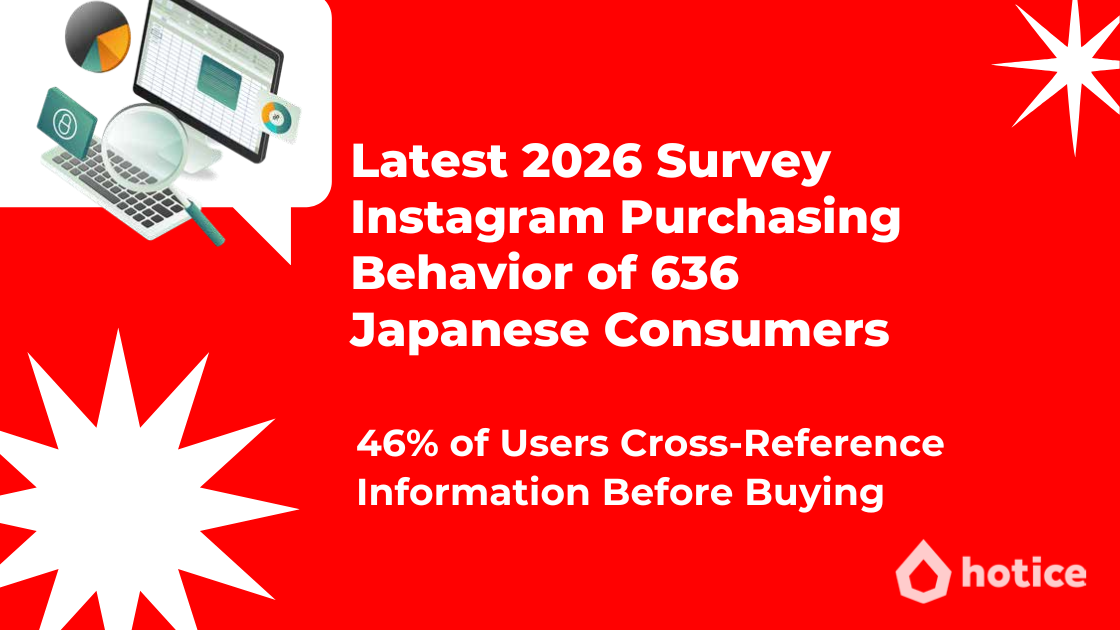
This survey reveals a clear disconnect between users’ ideal posting frequency and what they actually experience. Approximately 46% of SNS users in Japan identified once per day as their ideal posting frequency, while about 28% selected twice per day. In total, more than 70% of respondents consider one to two posts per day to be the appropriate range.
In contrast, when asked about the posting frequency they actually see on their timelines, around 41% reported being exposed to three or more posts per day.
This gap suggests that many brands and creators are prioritizing algorithmic performance and maximum exposure over users’ perceived comfort levels.
Importantly, users are not immediately rejecting high-frequency posting.
However, when content continues to feel “slightly excessive,” individual posts tend to lose impact over time, increasing the risk of weaker brand recall and declining favorability.
These findings indicate that the traditional belief—more posts lead to better results—is becoming less effective in the Japanese market. Instead, they point to a growing need for frequency strategies that balance visibility with user experience.
Acceptable Posting Frequency Varies Significantly by Platform
Even at the same posting frequency, user perception differs greatly depending on the platform.
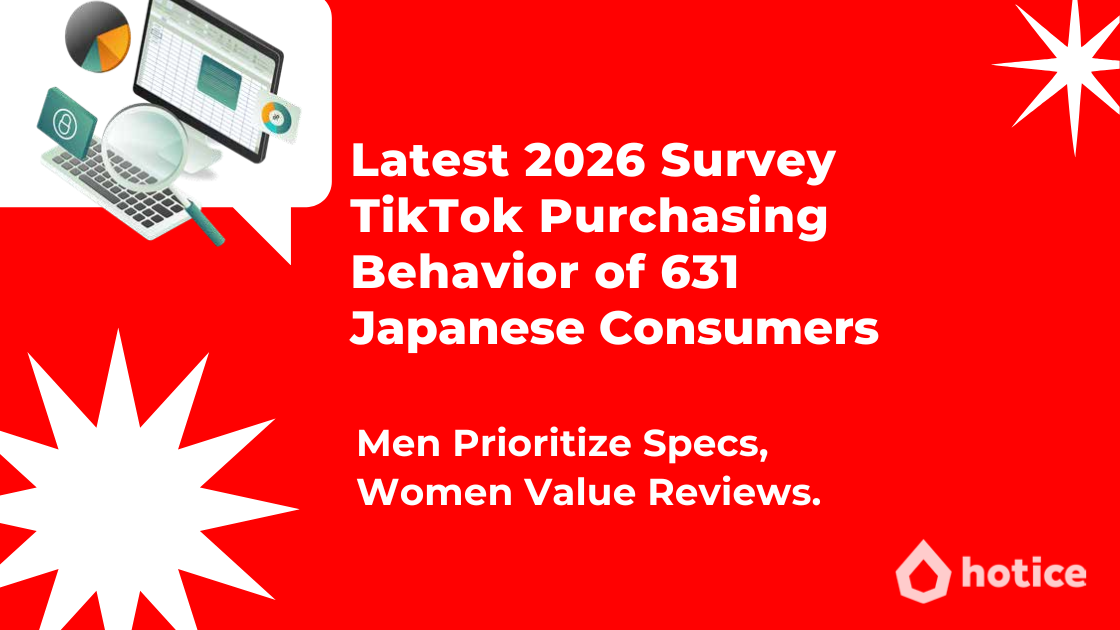
According to the survey, approximately 52% of TikTok users reported that they do not mind seeing two or more posts per day, indicating a very high tolerance for frequent posting. This can be attributed to TikTok’s design, which encourages rapid, continuous consumption of short-form videos, making high volume less likely to feel overwhelming.
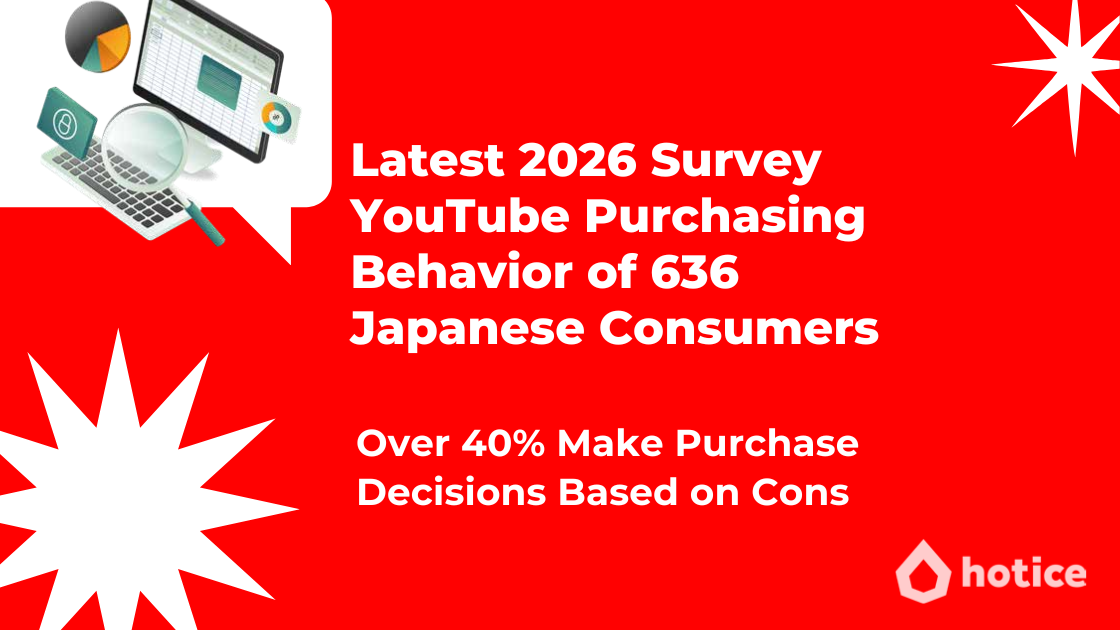
In contrast, YouTube users showed a clear preference for lower frequency. About 48% identified one to two posts per week as ideal, while only 12% considered daily posting to be desirable.
For Instagram, preferences were more moderate: around 44% selected once per day, and 21% favored once every two days, indicating support for relatively restrained posting frequencies.
These results clearly demonstrate that posting frequency should not be treated as a uniform, cross-platform metric. Instead, it should be designed as a strategic variable aligned with each platform’s content consumption speed and the psychological load placed on users.
Posting Frequency Directly Impacts Trust and Audience Churn
The impact of posting frequency on user behavior is also clearly reflected in the data.
In the survey, approximately 34% of users stated that when they feel posting frequency is “too high,” they consider muting or unfollowing the account.
The most common reason cited was “content overload that feels exhausting,” followed by “the content feels too promotional” and “the messaging feels overly sales-driven.”
On the other hand, when posting frequency is perceived as too low, around 29% of respondents reported that they get the impression the account is inactive or that their level of trust decreases.
These findings indicate that posting frequency is not merely an operational metric, but a strategic lever that regulates psychological distance and relationship quality between brands and audiences.
When frequency is misaligned, even highly engaged and favorable followers may be the first to disengage—an insight that holds critical implications for both brands and influencers operating in the Japanese market.
Survey ② | Threads Trust Study: A Platform Where Empathy Translates into Trust
This survey explores how influencer content on Threads is perceived by users and how it contributes to trust and sustained interest.
The study targets users who regularly engage with Threads and aims to visualize their behaviors and psychological responses through quantitative data, generating insights that can be directly applied to marketing strategy.
Threads Is Used as a Low-Pressure Social Platform
According to the survey, approximately 62% of Japanese Threads users cite casual browsing or passing time as their primary reason for using the platform.
In addition, about 58% report that they feel they can post and consume content without overthinking, indicating that Threads is perceived as a platform with a notably low psychological barrier compared to other social networks.
These results suggest that Threads functions not only as a space for information sharing or self-expression, but also as an extension of everyday, conversational interactions.
From a marketing perspective, this means that heavily scripted or overly polished messaging can easily feel misaligned with user expectations.
On Threads, acceptance is influenced less by informational accuracy and more by tone, emotional temperature, and contextual fit. As such, one of the most important evaluation criteria is whether a brand or influencer can exist naturally within the platform’s atmosphere without creating friction.
Trust Is Built Not on Polish, but on Humanity and Sincerity
When asked what makes influencer posts on Threads feel trustworthy, the most common response—selected by approximately 49% of users—was “sharing everyday experiences honestly.”
Factors such as “written in the creator’s own words” and “feeling a close distance to the poster” also ranked highly, each cited by around 40% of respondents.
By contrast, attributes like “highly polished” or “well-organized information” were rated significantly lower than on other social platforms.
These findings suggest that on Threads, trust is driven less by production quality and more by expressions of humanity and emotional authenticity.
From a marketing perspective, Threads is a space that challenges brands and influencers to define how they show up as narrators. Overly refined or scripted promotional messaging tends to create distance, while a certain level of imperfection and subjectivity can actually enhance credibility—revealing a reversal of traditional PR logic.
In PR Posts, “Naturalness” Becomes the Line Between Acceptance and Rejection
When asked about the acceptability of PR content on Threads, approximately 61% of users responded that they do not mind promotional posts if they appear in a natural context.
At the same time, around 36% reported feeling uncomfortable when posts feel overtly promotional, indicating a clear polarization in user perception.
These figures suggest that on Threads, PR itself is not the issue—context and delivery are. Promotional content that blends seamlessly into everyday posting is generally accepted, while posts that abruptly shift tone or intent are more likely to trigger rejection.
For brands using Threads as a marketing channel, this means that success depends less on one-off promotional activations and more on designing continuity between everyday communication and commercial messaging. Maintaining this narrative consistency is key to preserving trust and achieving meaningful results.
Survey ③ | AI Content Study: Growing Acceptance and Careful Evaluation in the Japanese Market
This survey examines how Japanese SNS users perceive and respond when AI-generated content (AIGC) is integrated into influencer marketing. It explores how such content influences user sentiment and behavioral outcomes across social platforms.
The study was conducted among 149 SNS users in Japan and analyzes responses from multiple perspectives, including purchase behavior, emotional acceptance, and platform-specific characteristics, providing a nuanced view of how AI-driven content is being received in the Japanese market.
Influencer Content Continues to Strongly Influence Purchase Behavior
According to the survey, approximately 68.7% of users reported having purchased a product or service after being influenced by an influencer’s post.
Pricing, past campaigns, and how contracts and ad-disclosure compliance are handled from start to finish. Ask us anything before you commit to a budget.
Overseas brands welcome. We work in English, Japanese, Chinese, and Korean.This demonstrates that social media content remains not merely a source of information, but a powerful driver of real purchasing decisions.
The impact is particularly strong on visually oriented platforms such as TikTok and Instagram, where purchase experience rates reach approximately 75–80%, suggesting that intuitive understanding and emotional engagement play a significant role in accelerating conversions.
In contrast, platforms such as YouTube and X tend to function more as starting points for consideration and comparison, with users often taking additional steps before completing a purchase.
These findings highlight an important baseline: before debating the merits or risks of AI-generated content, it is essential to recognize that influencer-driven communication itself continues to exert substantial influence over consumer behavior in the Japanese market.
Content Quality—Not Whether It’s AI or Human—Has Become the Key Evaluation Criterion
When asked about the difference between AI-generated content (AIGC) and content created by humans, the largest share of respondents—approximately 42.9%—reported that there was no difference in purchase intent or decision speed.
In addition, about 57.8% stated that knowing content was AI-generated did not change their impression, indicating that AI usage itself is not viewed as a major negative factor in the Japanese market.
At the same time, around 19% of users said they feel somewhat cautious when they know content is AI-generated, suggesting that acceptance is not unconditional.
Taken together, these figures show that the primary evaluation axis is no longer whether content is created by AI or by a human, but rather whether the content is easy to understand and convincing as an experience.
AI, therefore, is best positioned not as an end in itself, but as a tool to enhance expressive quality and clarity.
The Evaluation of AI Content Varies Significantly by Category and Context
When examining acceptance of AI-generated content by category, the differences become even more pronounced.
In the survey, the fashion category showed the highest acceptance, with approximately 49.7% of respondents stating they felt no resistance to AI-generated content. This was followed by food and beverage at around 43%, and consumer electronics and gadgets at approximately 41%.
By contrast, in sectors such as healthcare and financial services, more than 30% of respondents reported feeling uneasy about AI-generated content, reflecting a more cautious attitude.
These results indicate that in the Japanese market, AI content is being adopted more readily in categories driven by sensory appeal and visual storytelling, while higher barriers remain in fields where accuracy, credibility, and trust are paramount.
For marketers, this means that leveraging AI should not be approached primarily as a cost-reduction or mass-production tactic. Instead, success depends on carefully designing AI usage in alignment with category-specific expectations and contextual appropriateness, which ultimately determines campaign effectiveness.
Survey ④ | Pinterest Japan Market Study: The “Quiet” Social Platform That Drives Action and Purchase
This survey examines how Pinterest is used in Japan and how influencer content on the platform influences user behavior and purchasing decisions.
Targeting Pinterest users in Japan, the study analyzes multiple dimensions—including usage frequency, content categories viewed, characteristics of trusted posts, and their impact on actions and purchases—to provide a comprehensive view of Pinterest’s role in the Japanese market.
Pinterest Is Used With Clear Intent, Not Passive Browsing
According to the survey, approximately 56% of Pinterest users in Japan access the platform at least once a month. Among them, around 63% report using Pinterest primarily for idea discovery or searching for specific methods and examples.
These findings indicate that Pinterest is not a platform for passive timeline consumption like many other social networks. Instead, it functions as a destination where users actively seek information with clear intent.
In addition, about 48% of users follow a “search → save” behavior pattern, highlighting that Pinterest is used not for one-off viewing, but as a resource intended for future action.
From a marketing perspective, this means that success on Pinterest is driven less by immediate impact and more by content designed to remain relevant and discoverable over time.
Lifestyle-Oriented Content Performs Especially Well in the Japanese Market
On Pinterest, the most frequently viewed content categories among Japanese users are fashion (approximately 62%), cooking and recipes (around 58%), and travel and outings (about 46%), with lifestyle-related themes dominating overall engagement.
What these categories share is a focus on practical applicability—whether users can realistically replicate or integrate the ideas into their daily lives.
According to the survey, approximately 71% of respondents described influencer posts as “useful” or “clear and concrete,” indicating that trust is built not through aspiration alone, but through high levels of reproducibility.
In the Japanese market, highly staged or overly produced content tends to be less effective than realistic, everyday information. Pinterest aligns particularly well with this preference, making it a highly compatible platform for delivering lifestyle-focused influencer content.
Influencer Content Drives Long-Term Action and Purchase Behavior
One of Pinterest’s defining characteristics is that influencer content tends to drive not only immediate reactions, but also mid- to long-term user actions.
According to the survey, approximately 92.5% of users reported that they had actually tried something after seeing a post on Pinterest, demonstrating an exceptionally high level of action activation.
In addition, around 86.9% stated that they had purchased a product or service as a result of influencer content on the platform.
Notably, about 12% of users indicated that the actions inspired by Pinterest content continued for more than one month, highlighting that Pinterest influences not just one-off purchases, but ongoing behaviors and decision-making patterns.
From a marketing standpoint, this underscores the importance of designing Pinterest strategies around long-term value creation, rather than focusing solely on short-term performance metrics.
Survey ⑤ | LinkedIn Japan Market Study: A Business-Focused SNS with Limited but Powerful Influence
This survey was conducted among 256 SNS users in Japan to examine awareness of LinkedIn, usage frequency, primary use cases, its impact on user behavior, and the current state of business-oriented utilization.
The objective was to clarify how LinkedIn functions within the Japanese market and to assess the scope and strength of its influence as a professional social networking platform.
Awareness Is Growing, but Daily Usage Remains Limited
According to the survey, approximately 62.9% of Japanese SNS users are aware of LinkedIn.
However, actual usage frequency remains limited: only about 7% reported using LinkedIn almost daily, 18% said they use it a few times per week, while roughly 40% indicated they rarely use it at all.
These figures suggest that LinkedIn has not yet become a platform embedded in everyday life in Japan. Instead, it is accessed primarily when users have a clear, specific purpose.
Conversely, because LinkedIn is viewed in professional and career-related contexts rather than for entertainment or casual browsing, each post is expected to deliver high information density and credibility.
As a result, success on LinkedIn is driven less by posting volume and more by sharply defining who the message is for and what value it delivers.
Usage Is Concentrated on Career and Professional Information
When users were asked about their reasons for using LinkedIn, the top responses were “collecting industry information” (approximately 54%) and “career development or job change consideration” (around 47%).
Additionally, about 39% reported using LinkedIn to access highly specialized knowledge.
These results indicate that LinkedIn is primarily used as a platform for knowledge acquisition and professional credibility, rather than for casual interaction or social conversation.
Notably, around 31% of respondents said LinkedIn had prompted them to seriously consider a job change or career shift, while 26% reported that it had led to new business opportunities.
From a marketing perspective, this highlights LinkedIn’s strength as a platform that influences decision-making through accumulated trust, rather than generating immediate short-term reactions.
Strong Perceived Results in Business Use Cases
The survey also found that approximately 81.3% of LinkedIn users have used the platform for business purposes, including brand communication, recruitment, competitive research, and B2B relationship building.
In particular, around 45% stated that they use LinkedIn to communicate their own or their company’s expertise, underscoring LinkedIn’s role as a platform for making trust and professional authority visible.
Among business users, about 89.7% reported experiencing some form of tangible benefit, and 92.3% said they intend to continue using LinkedIn going forward.
These figures demonstrate that while LinkedIn’s user base in Japan remains relatively limited in size, its impact is exceptionally strong among the audiences it does reach.
In the Japanese market, LinkedIn should therefore be positioned not as a mass-reach SNS, but as a strategic channel for creating high-precision business touchpoints.
Survey ⑥ | Reddit Japan Market Study: Growing Awareness, but Cautious Participation in a Community-Driven SNS
This survey examines how Reddit is perceived and used in Japan, focusing on awareness, usage patterns, participation behavior, and its potential for business and marketing applications.
The objective is to clarify Reddit’s current position within Japan’s SNS landscape and identify how brands should approach it strategically.
Awareness Is Increasing, but Usage Is Led by Light Users
According to the survey, approximately 59% of Japanese SNS users reported that they are aware of Reddit, indicating that brand recognition has surpassed the halfway mark.
However, when looking at actual usage frequency, only about 14% said they use Reddit several times per week or more, while 22% use it a few times per month, and roughly 40% reported that they rarely use it.
These results suggest that while Reddit’s name recognition is growing in Japan, it has not yet become a daily-use social platform.
Contributing factors include the high proportion of English-language content and the psychological barriers associated with anonymity-driven community culture. As a result, many users remain ROM users (read-only members) who consume content but hesitate to actively participate.
From a marketing perspective, Reddit should be viewed less as a reach-expansion channel and more as a space where high-interest, niche audiences gather.
Usage Centers on Information Gathering, Learning, and Interest-Based Communities
When asked about their reasons for using Reddit, top responses included “collecting news and up-to-date information” (approximately 46%), “researching hobbies or areas of interest” (around 44%), and “learning or investigative purposes” (about 31%).
This indicates that Reddit functions less as a space for casual conversation or self-expression, and more as a platform for deep information exploration around specific topics.
Notably, around 38% of users said they feel Reddit offers perspectives they cannot find on other social platforms, highlighting its value as a source of global viewpoints and experience-based insights.
At the same time, about 34% reported that they find posting or commenting intimidating, reflecting the presence of implicit rules and norms within individual subreddits that can act as participation barriers.
For companies considering Reddit, this underscores the importance of listening and understanding communities first, rather than prioritizing outbound messaging.
Business Use Remains Limited, but Perceived Value Is High
The survey found that approximately 28% of respondents have used Reddit for work or marketing purposes. Among those users, 52% said it was helpful for market research and understanding user insights, while 41% reported gaining ideas for product or service improvement—indicating relatively high satisfaction among those with hands-on experience.
Conversely, around 47% believe Reddit is not suitable for direct sales or promotion, reinforcing the idea that it is not an immediate-conversion advertising channel.
Taken together, these findings position Reddit not as a sales or PR platform, but as a strategic observation and research hub for extracting deep insights from niche communities.
In the Japanese market in particular, brands must engage carefully—prioritizing respect, transparency, and trust—rather than attempting aggressive or overt promotion.
Survey ⑦ | Quora Japan Market Study: The Current State of a Trust-Based Knowledge Platform
This survey was conducted to understand how Japanese SNS users perceive and use Quora, focusing on brand awareness, usage patterns, and changes in user behavior and communication.
The analysis targets SNS users in Japan and examines Quora’s role as a knowledge-driven platform within the local social media ecosystem.
Awareness Is Growing, but Daily Usage Remains Limited
According to the survey, approximately 54% of Japanese SNS users reported being aware of Quora, indicating that brand recognition is relatively solid.
However, actual usage frequency remains low: only about 11% said they use Quora several times per week or more, 19% use it a few times per month, and roughly 42% reported that they rarely use it.
These results show that in the Japanese market, Quora is a platform many users know about but do not engage with on a daily basis.
One key reason lies in Japan’s strong preference for timeline-based SNS consumption. Compared with platforms like Instagram or X, where information is passively consumed as it flows through feeds, Quora requires users to actively formulate questions and seek answers.
As a result, Quora tends to be accessed with a clear purpose, often via search, rather than through habitual browsing.
Usage Centers on Expert Problem-Solving and the Consideration Phase
When asked about their reasons for using Quora, the most common response was “searching for answers to specialized questions” (approximately 51%). This was followed by “comparing multiple viewpoints” (around 44%) and “learning from real-world experiences” (about 39%).
These findings clearly indicate that Quora is not used for entertainment or casual conversation, but rather as a platform accessed during the final stages of consideration and decision-making.
High-use categories included career and job changes, IT and technology, education and certifications, and international topics—areas where official information or advertising alone is often insufficient and where lived experience carries significant value.
At the same time, about 28% of users reported feeling that answer quality varies, suggesting that Quora is not perceived as infallible. Users tend to read multiple responses critically and make their own judgments rather than accepting information at face value.
hotice is a cross-border influencer marketing agency helping overseas brands enter Japan. We handle casting, negotiation, Japanese-language contracts, and ad-disclosure compliance.
Tell us your category, budget range, and timing. We will take it from there.Trust Is Built Through Quality, Evidence, and Transparency
When asked what makes an answer trustworthy on Quora, the most cited factor was “clear evidence or concrete personal experience” (approximately 57%), followed by “a sense of expertise” (around 49%).
In addition, about 36% said they find answers more trustworthy when the respondent’s profile is clearly identifiable.
Conversely, around 41% reported that they find answers difficult to trust when conclusions are presented without explanation or reasoning.
These results indicate that on Quora, trust is driven not by assertiveness or strong claims, but by thorough explanations and informational transparency.
Short, definitive statements—common on many social platforms—are more likely to trigger skepticism on Quora unless supported by context, assumptions, and rationale.
In the Japanese market, Quora should therefore be positioned not as a channel for short-term results, but as a platform for building long-term trust equity through consistent, high-quality knowledge sharing.
Survey ⑧ | Influencer PR Intention Study: From a “Special Tactic” to One Strategic Option
This survey examines how SNS users—including corporate marketers and independent business owners—perceive and evaluate influencer and agency-led PR initiatives.
By analyzing past PR experience, intention to engage, selection criteria, performance evaluation, and future outlook, the study sheds light on the maturity of influencer marketing in Japan and the direction it is heading.
PR Intention Has Reached a Majority, Signaling Entry into the Consideration Phase
In the survey, approximately 57.9% of respondents stated that they have already commissioned influencer or PR agency campaigns, or are interested in doing so in the future.
This group includes not only those with direct experience, but also respondents who indicated interest despite having no concrete plans yet.
These results suggest that influencer PR is no longer limited to early adopters or digitally advanced brands. Instead, it is increasingly recognized as a realistic and accessible option for a broad range of businesses.
At the same time, around 26% reported that they have never commissioned influencer PR and do not plan to, indicating that the market has not fully matured across all segments.
Overall, the Japanese market appears to be in a transitional phase, where “already adopted” and “currently considering” segments coexist.
From a strategic perspective, this reflects a strong preference for small-scale testing and pilot campaigns, rather than immediately committing to large, high-risk PR investments.
Selection Criteria Are Shifting from Reach to Trust and Brand Fit
When asked about key factors in selecting influencers, the most common response was “influencer reach or influence” (approximately 52%). However, this was closely followed by “content credibility” (around 47%) and “compatibility with the brand or product” (about 44%).
This shift indicates that the market is moving beyond an early-stage, follower-count-driven mindset toward a more sophisticated phase that prioritizes who speaks, in what context, and with what level of alignment.
Notably, approximately 39% of respondents stated that they always review past content before making a decision, highlighting how carefully brands now evaluate an influencer’s tone, values, and narrative consistency.
From a marketing standpoint, this underscores that long-term success depends not on simply choosing influential figures, but on selecting credible storytellers who protect and reinforce brand equity.
Direct Outreach and Agency Use Are Chosen Based on Purpose
Regarding commissioning methods, 49.6% of respondents preferred direct outreach to influencers, while 40.4% favored working through PR agencies.
This balance suggests that brands are not converging on a single approach, but instead choosing methods based on internal resources, goals, and risk tolerance.
Those who preferred direct outreach cited reasons such as cost efficiency and greater flexibility in communication. In contrast, agency users emphasized benefits like secure contract management, risk mitigation, and the ability to coordinate multiple influencers simultaneously.
However, approximately 33% expressed concerns about using agencies, citing issues such as unclear outcomes and difficulty evaluating cost effectiveness.
These findings indicate that in the Japanese market, influencer PR—whether direct or agency-led—is increasingly expected to meet higher standards of transparency, accountability, and performance explanation.
Survey ⑨ | Positive Perceptions of Overseas Products: What Japanese Consumers Truly Value
This survey was conducted among 524 respondents in Japan to identify the value dimensions through which products from different countries are evaluated.
It reveals how Japanese consumers perceive overseas brands and how those perceptions influence purchase decisions and trust formation.
Western Brands Are Highly Rated for “Reliability” and “Innovation”
The survey shows that U.S.-made products received positive impressions from approximately 58% of respondents, followed by UK-made products at around 46%.
The most frequently cited reasons were “high perceived quality” and “a large number of trustworthy brands.” In particular, about 42% of respondents associated U.S. products with strong technological capabilities.
These figures indicate that in the Japanese market, Western brands are often perceived as low-risk, dependable choices.
Rather than simply being valued for being “foreign,” their long track records and global reputations function as reassurance for Japanese consumers.
From a marketing perspective, this suggests that emphasizing proven results, brand history, and underlying philosophy is more effective in Japan than focusing solely on novelty or buzz.
Asian Brands Are Primarily Evaluated on Cost Performance
In contrast, products from Asia are assessed using a clearly different value framework.
For Chinese-made products, approximately 51% of respondents cited low price or high cost performance as the main positive factor, making price the dominant evaluation criterion.
Products from South Korea and Taiwan also received steady support, with around 38% and 34% respectively praising the balance between quality and price.
These results suggest that in Japan, Asian brands are accepted as rational, value-driven choices.
However, compared to Western brands, they have yet to achieve the same level of absolute trust or emotional reassurance, indicating that non-price value propositions are not yet fully communicated.
Going forward, clearly articulating quality assurance, support systems, and brand stance will be key to elevating perceptions beyond price competitiveness alone.
Positive Country Image Directly Increases Purchase Intent
Among respondents who held a positive impression of overseas products, approximately 63% stated that they had seriously considered purchasing such products.
In addition, around 41% agreed that a positive country image makes higher prices more acceptable.
These findings show that in the Japanese market, purchase decisions are influenced not only by functionality and price, but also by where a product comes from and the story behind it.
For overseas brands in particular, combining product explanations with narratives about national strengths, brand philosophy, and background can reduce price resistance and strengthen purchase intent.
In Japan-focused marketing, it is therefore critical to move beyond specifications alone and design messaging that incorporates context and storytelling.
Survey ⑩ | Choosing Influencer PR Agencies in Japan: Where Expectations and Concerns Intersect
This survey analyzes responses from 663 professionals involved in influencer marketing operations, including corporate marketing managers and independent business owners.
It examines agency selection criteria, objectives, concerns, and future usage intent, with the goal of understanding what value companies seek—regardless of whether they have prior experience working with influencer PR agencies.
Agency Usage Remains Limited, but Interest Is Clearly Growing
According to the survey, only about 18% of respondents stated that they have actually worked with an influencer PR agency.
However, an additional 26% reported that they have not used an agency yet but are considering doing so in the future. Combined, roughly 44% view agency utilization positively.
This indicates that while agency use has not yet become standard practice in Japan, a steadily growing number of businesses are entering the information-gathering and comparison phase.
Behind this shift is the increasing complexity of SNS operations and influencer selection, along with a rising desire to reduce failure risk and compensate for internal knowledge gaps.
Agencies are not yet seen as mandatory partners—but they are now being evaluated as a realistic strategic option.
Selection Criteria Focus on “Execution Capability” and “Peace of Mind”
When asked what they prioritize when choosing an agency, the top response was “accuracy of influencer selection” (approximately 48%), followed by “planning and proposal quality” (around 44%) and “clear track record or case studies” (about 41%).
These results show that agencies are expected to deliver more than introductions—they must be able to strategically design and execute campaigns.
Additionally, around 36% emphasized the importance of reliable contract management and crisis response, highlighting the need for operational stability and trust.
In Japan, concerns around reputational risk, influencer scandals, and stealth-marketing regulations are growing. As a result, agencies are increasingly valued not only for driving results, but also for mitigating risk through expertise and governance.
Concerns Center on ROI and Transparency
At the same time, respondents expressed clear anxieties about agency use.
The most common concern was “uncertainty about whether results justify the cost” (approximately 45%), followed by “unclear performance metrics” (around 38%) and “lack of transparency in proposals” (about 34%).
These figures indicate a strong fear of black-box operations.
In the Japanese market especially, insufficient explanation of ROI or decision logic often prevents long-term partnerships from forming.
As a result, agencies are increasingly expected to provide clear reporting, measurable outcomes, and logical justification for every strategic choice.
Going forward, agency selection will depend less on price or scale, and more on how well agencies can deliver transparency, accountability, and decision-making clarity.
Survey ⑪ | Negative Perceptions of Overseas Products: Factors That Undermine Trust in Japan
This survey targeted 533 general consumers in Japan to identify the concerns and anxieties they associate with products from different countries.
It analyzes how country-based brand images are formed—particularly focusing on the factors that generate negative evaluations—to clarify what erodes trust in the Japanese market.
The Biggest Concern: Lack of Localization for the Japanese Market
The most frequently cited reason for negative perceptions of overseas products was “not optimized for Japanese users,” selected by approximately 47% of respondents.
Specific issues included unclear product descriptions or UI, insufficient Japanese-language support, and slow or unresponsive customer service.
This sentiment was especially strong toward Western products, where consumers often feel that “the product itself seems good, but it may be inconvenient to use in Japan.”
These results show that in Japan, trust is not built on features or price alone—whether a product is designed with Japanese users in mind is the first gateway to credibility.
Persistent Quality Concerns Around Asian Products
For products from Asia, the dominant concern was perceived inconsistency in quality, cited by approximately 43% of respondents.
In particular, Chinese products continue to carry strong associations such as “questionable durability” and “significant variation in quality,” which act as purchase barriers despite competitive pricing.
Additionally, about 29% reported difficulty determining whether a product is authentic, suggesting that lack of transparency in distribution and information exacerbates distrust.
These findings indicate that in the Japanese market, the mindset of “it’s cheap, so compromises are acceptable” is gradually fading. Instead, quality consistency and accountability now outweigh price advantages.
For Asian brands to elevate their reputation, clearly communicated quality guarantees and evidence-based validation are essential.
Lack of Information Leads to “Decision Hold” Rather Than Active Rejection
For products from countries such as Canada and Australia, approximately 35% of respondents said they felt there was “too little information” or that they “didn’t know enough” to form an opinion.
While this does not represent strong negative sentiment, it effectively means these products fail to enter the consideration set at all.
In Japan, where consumers tend to avoid uncertainty, “unknown” often equals “not chosen.”
Furthermore, around 27% reported difficulty finding reviews or real-world use cases, indicating that the absence of third-party validation amplifies hesitation.
From a marketing perspective, trust is not built solely by avoiding negative impressions—providing sufficient information itself is a prerequisite for credibility.
For overseas brands, silence or under-communication can be a significant risk in the Japanese market, leading directly to lost opportunities.
Survey ⑫ | Influencer Image Study: Trust, Psychological Distance, and Expected Roles in Japan
This survey was conducted among SNS users in Japan to clarify how influencers are perceived—their image, the expectations placed on them, and the concerns consumers hold.
It examines consumer-centric evaluation criteria, including favorability, trust, ability to drive action, and attitudes toward excessive commercialization.
Influencers Are Seen as “Approachable and Helpful,” Not Distant Celebrities
According to the survey, approximately 61% of Japanese SNS users reported that they feel a sense of familiarity with influencers, indicating that influencers are perceived less as celebrities or spokespersons and more as figures close to everyday life.
In addition, around 68% said influencers are useful references when choosing products or services, quantitatively confirming their role as a source of information in purchase decision-making.
By contrast, only about 29% view influencers as objects of admiration, suggesting that relatability and real-life perspective are valued more than aspirational distance.
These findings indicate that in the Japanese market, influence does not increase with perceived distance. Instead, the closer influencers feel to everyday consumers, the more trust they tend to earn.
Trust Is Driven by “Empathy” and “Sincerity”
When asked why they trust influencers, the most common response was “they share honest opinions” (approximately 54%), followed by “their content is based on real experiences” (around 49%).
Pricing, past campaigns, and how contracts and ad-disclosure compliance are handled from start to finish. Ask us anything before you commit to a budget.
Overseas brands welcome. We work in English, Japanese, Chinese, and Korean.Notably, about 37% also valued influencers who communicate drawbacks as well as benefits, highlighting how balanced information strengthens credibility.
Conversely, approximately 45% said they do not trust posts that feel overly promotional, clearly indicating that heightened commercial tone erodes trust.
These results show that in Japan, an influencer’s impact is determined less by follower count or buzz, and more by how sincerely and transparently they communicate.
From a marketing perspective, this underscores the importance of designing campaigns that respect the influencer’s own voice and lived experience, rather than relying on rigid, scripted messaging.
Influencers Are Expected to Act as “Translators of Experience”
When asked about the role they expect influencers to play, the top response—selected by approximately 63%—was “to clearly explain what it’s actually like to use a product or service.”
This was followed by “help me judge whether it suits me” (around 51%) and “introduce new options I didn’t know about” (about 47%).
These findings suggest that influencers are expected not merely to promote products, but to translate experiences into consumer-relevant understanding.
At the same time, around 33% said they distance themselves when influencers feel too much like corporate representatives, highlighting the risk of over-alignment with brand messaging.
In the Japanese market, effective influencer marketing depends less on pushing brand narratives and more on enabling authentic experience-sharing, allowing consumers to make informed decisions through a relatable lens.
Conclusion
This article reviewed the realities of SNS and influencer marketing in Japan based on 12 surveys conducted by hotice in 2025.
Overall, the findings clearly show that the Japanese market has entered a phase where trust, empathy, and contextual relevance have a far greater impact on results than sheer exposure volume or short-term buzz.
Surveys on posting frequency and AI-generated content reveal that success is not driven by more content or newer technology alone. Instead, audiences evaluate whether communication feels natural, non-intrusive, and aligned with everyday life. Content that feels forced or excessive quickly loses effectiveness.
The platform-specific studies—covering Threads, Pinterest, LinkedIn, Reddit, and Quora—demonstrate that each platform now plays a clearly differentiated role. As a result, strategies that push the same message across all platforms are becoming increasingly ineffective. Platform-native design is no longer optional; it is a prerequisite.
Expectations toward influencers have also evolved. They are no longer seen primarily as advertising amplifiers, but as translators of real experiences who help consumers evaluate options and make informed decisions. At the same time, overly commercial or opaque PR content is consistently identified as a factor that undermines trust.
In addition, surveys on overseas products highlight that, in Japan, quality, reliability, clarity of information, and localization for Japanese users are critical trust drivers. Even strong products can fail if they are perceived as poorly adapted to the Japanese context or insufficiently explained.
Taken together, these results indicate that effective SNS and influencer marketing in Japan depends less on selling aggressively and more on communicating accurately, less on standing out and more on accumulating trust over time.
A deep, data-driven understanding of the market—combined with careful, thoughtful design—is what will ultimately determine marketing success in Japan going forward.