2026 Update: The Landscape and Strategy of Instagram Influencer Marketing in Japan
- 1. 2026 Latest Survey: Instagram Usage Report in Japan
- 1-1. 70% of Japanese People Access at Least Once a Week
- 1-2. Approximately 70% Use it for Short Durations of Less Than 30 Minutes
- 1-3. Usage During Lunch Breaks and Before Bed Is Prominent
- 1-4. Main Drivers Are Killing Time and Enhancing Hobbies
- 1-5. Celebrities and Influencers Are the Center of Following
- 2. 2026 Latest Survey: Instagram Purchasing Behavior of 636 Japanese Individuals
- 2-1. Approximately 40% Reach the Level of Purchasing Once a Month or More
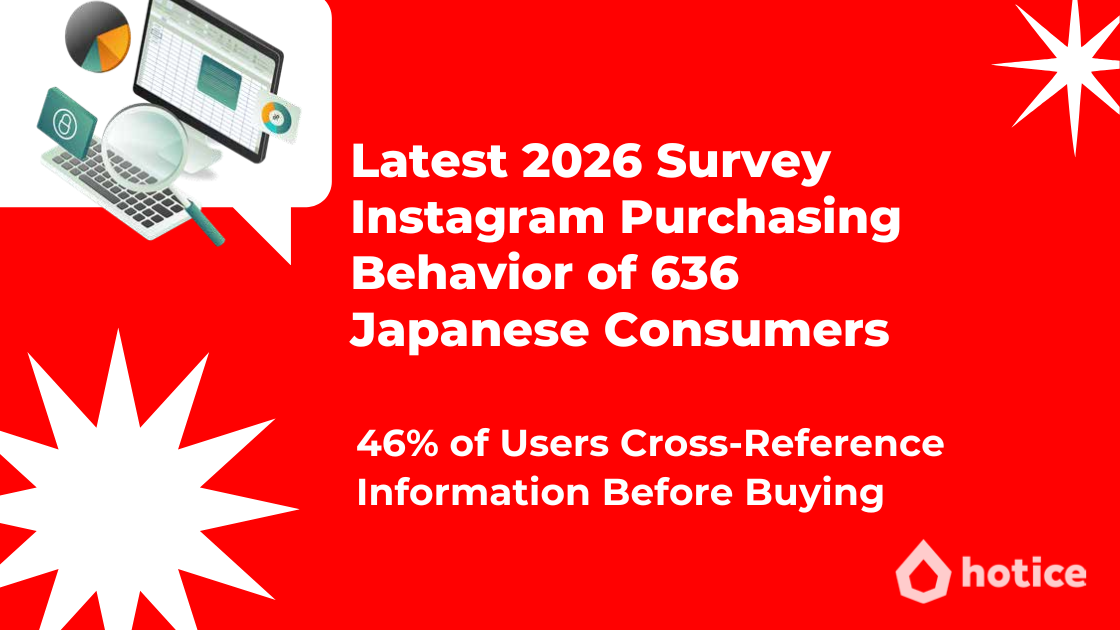
- 2-2. 46% Refine Information Using Search Engines
- 2-3. Centered on Beauty and Living Such as Household Goods and Cosmetics
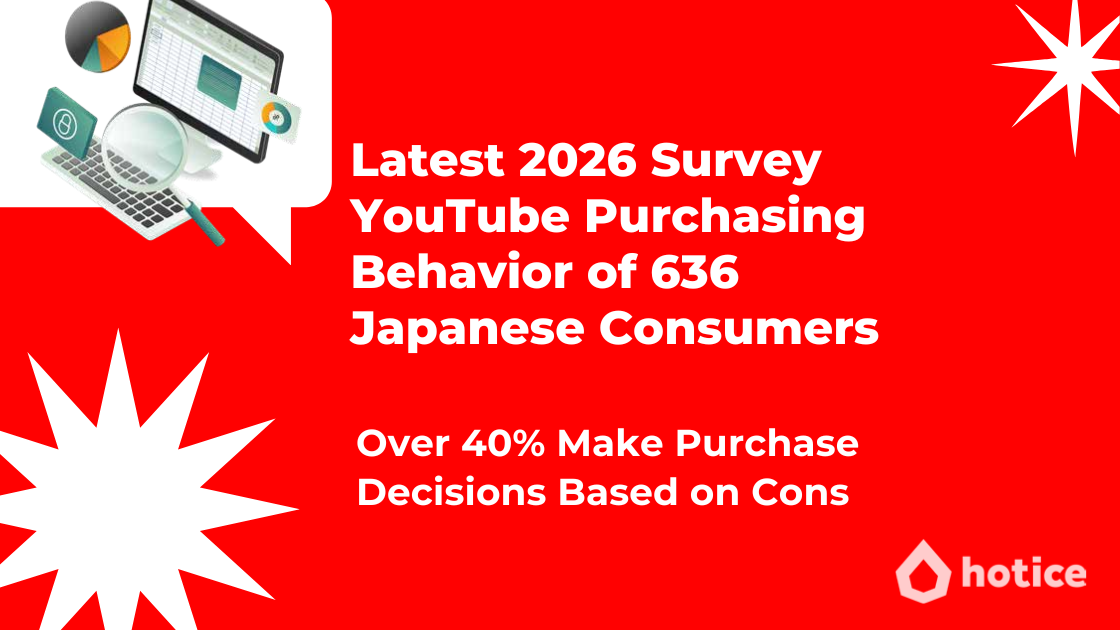
- 2-4. The Deciding Factor for Purchase Is the Honest Mention of Disadvantages
- 2-5. Low Unit Prices Between 1,000 Yen and 5,000 Yen Are Mainstream
- 3. Instagram Market Trends in Japan in 2026
In 2026, Instagram in Japan has completely transcended its former role as a mere platform for “posting aesthetic photos.” It has evolved into a vital piece of lifestyle and purchasing infrastructure integrated into the daily lives of all generations.
Today, Japanese consumers do more than just encounter new products intuitively. They look to the authentic voices of influencers as their primary guide, moving through a process of careful comparison and consideration before making confident purchasing decisions.
This shift marks the emergence of a new form of marketing—one that stands in stark contrast to the trends seen up until 2025 by fusing the evolution of AI with closed, high-trust communities.
To decode the “now” of Instagram—a platform used by 66 million people in Japan—hotice conducted an extensive independent study. We analyzed the latest data to uncover the reality of how Japanese users interact with Instagram and what ultimately inspires them to hit the “buy” button.
From a professional perspective, hotice explores the influencer marketing strategies necessary to resonate deeply with user sensibilities and deliver tangible results in the Japanese market of 2026.
2026 Latest Survey: Instagram Usage Report in Japan
To optimize influencer marketing in Japan in 2026, it is necessary to accurately grasp not superficial follower counts, but rather “during which time slots, for what purpose, and with what level of depth” users are consuming the infrastructure known as Instagram.
Based on the latest survey of 534 Japanese individuals, hotice has brought to light the actual conditions that modern marketers should use as the starting point for their strategies. There, we found the current position of Instagram, which deeply resonates with Japanese sensibilities, ranging from hacking spare moments to searching for information and making contact with aspirational lifestyles.
70% of Japanese People Access at Least Once a Week
To maximize the effectiveness of influencer marketing, one must first correctly understand the degree of the platform’s penetration. The most common response was “almost every day” at 41.95% (224 people). When totaling those who use it one or more days per week, approximately 69% of Japanese people open Instagram at least once a week.
Looking at the data by age group, 61.82% of those in their 10s and 59.41% of those in their 20s use it every day; for the younger generation in Japan, Instagram is an indispensable lifestyle infrastructure. On the other hand, the result showing that even 28.57% of the senior segment aged 70 and over use it every day suggests that the target for marketing is expanding to all generations.
The daily usage rate for women was 52.53% (104 people), exceeding half and significantly outperforming the 35.71% (120 people) for men. In the Japanese market, we should directly face the reality that women continue to master the use of Instagram at a higher frequency and in a way that is closely integrated with their lives.
Approximately 70% Use it for Short Durations of Less Than 30 Minutes
The environment in which influencer posts are consumed is not one of long-term immersion, but within surprisingly short “efficient checks.” The most common duration was 10 minutes or more but less than 30 minutes at 37.47% (160 people).
This was followed by less than 10 minutes at 29.04% (124 people), and these light users of less than 30 minutes account for approximately 67% of the total. While focused viewing of 30 minutes or more has also permeated among those in their 10s and 20s, the volume zone for those in their 50s and older is usage of less than 10 minutes.
There are also clear differences in style by gender: women tend to browse through the Discovery tab, while men identify and confirm specific intended information. In 2026 marketing strategies, visual impact optimized for these short durations and the quality of creative that conveys information in an instant will be the keys to achieving deep contact with users.
Usage During Lunch Breaks and Before Bed Is Prominent
When should posts be delivered? The answer lies within the daily lifelines of Japanese people. Instagram functions as an emotional switch at each turning point of life.
The most frequent timing was lunch breaks/daytime break periods at 36.77% (157 people). This was followed by “before going to bed” at 30.91% (132 people), showing that usage is concentrated during daytime refreshing and relaxation time at the end of the day.
Usage before bed is the highest among all generations for those in their 10s, who devote private nighttime hours to content consumption. Meanwhile, the prime working generations in their 40s and 50s catch up on information by utilizing the gap time of their lunch breaks. Because communication through influencers is delivered at the very moments these users seek refreshment, it enables a natural approach with suppressed resistance to advertising.
Pricing, past campaigns, and how contracts and ad-disclosure compliance are handled from start to finish. Ask us anything before you commit to a budget.
Overseas brands welcome. We work in English, Japanese, Chinese, and Korean.Main Drivers Are Killing Time and Enhancing Hobbies
Analyzing the motivations for Japanese people to open Instagram is an important process in deciding what to have influencers talk about. The most common was “killing time/filling gap time” at 49.41% (211 people).
This was followed by “hobbies/entertainment/relaxation” at 44.26% (189 people), showing that many Japanese people seek daily healing. On the other hand, a segment aiming for “searching for/considering products and services” also exists at 25.76% (110 people), and this figure for consideration purposes increases among those in their 30s.
While the mainstream usage for women is centered on trends and empathy, men are characterized by a high proportion seeking utilitarian information such as work-related information gathering and news. In the 2026 Japanese market, present sensibilities to women and solutions to men. Selecting influencers tailored to this difference in purpose will be indispensable.
Celebrities and Influencers Are the Center of Following
Whose words are users listening to? From the following trends of 2026, we can read the overwhelming influence possessed by individual senders. The most common follow targets were celebrities/talents at 42.39% (181 people), followed by influencers at 37.94% (162 people).
The proportion following official corporate or brand accounts remains at 26.00% (111 people). Trust in influencers is particularly thick among the younger generation, with the follow rate reaching approximately 50% for those in their 10s and 20s. On the other hand, a surprising reality also emerged for the senior segment aged 70 and over, where the proportion following senders in hobbies or specialized fields is high.
To make influencer marketing successful, one must correctly grasp the location of such user trust; the victory or defeat will be determined by how corporate words are translated and delivered as “individual words.”
2026 Latest Survey: Instagram Purchasing Behavior of 636 Japanese Individuals
From an SNS competing for aesthetic appeal to an infrastructure that dominates the purchasing decisions of Japanese people. Today, Instagram has completed its transformation from a place to merely gaze at aspirations into a massive digital catalog directly linked to daily payments.
However, the consumption behavior of Japanese people is not so simple that wallets open based on visual stimulation alone. Based on a survey of 636 Japanese users, this report reveals the real and complete picture based on the latest data, from the reality that 40% make purchases at least once a month to the cautious research techniques of pursuing background checks on information.
Approximately 40% Reach the Level of Purchasing Once a Month or More
This survey has brought to light the reality that Instagram posts have become a major purchasing switch moving the wallets of Japanese people. Japanese individuals who purchase once a week or more accounted for 11.48% (73 people), those at about two to three times a month were 15.41% (98 people), and those at about once a month were 13.99% (89 people).
When combined, approximately 40% of the total make purchases via Instagram at a pace of at least once a month. This trend is more prominent among younger age groups; in the 20s segment, the response of once a week or more reached 24.35% (28 people). For Japanese youth sensitive to trends, Instagram has become a shopping window used with a frequency equal to or greater than visiting a physical store.
Looking at gender, approximately 41% of Japanese women enjoy shopping at a pace of once a month or more. On the other hand, 23.36% (82 people) of men responded “not at all,” showing that while there is a cautious segment that limits itself to browsing, the survey results reflect a characteristic where once a need is matched, it easily leads to high-frequency usage.
46% Refine Information Using Search Engines
When interest is piqued by visual information, many Japanese people do not make an immediate decision on the spot but take a step to scrutinize external information. The most common action, reaching 46.76% (202 people), was to re-search the product or brand name using a search engine.
This was followed by confirming details on official websites or EC malls at 40.05% (173 people), while the segment making an immediate decision to purchase on the spot remained at only 16.44% (71 people). By age group, 61.33% (46 people) of those in their 40s perform a re-search on search engines, highlighting the steadiness of the adult generation who places the highest importance on official and accurate information.
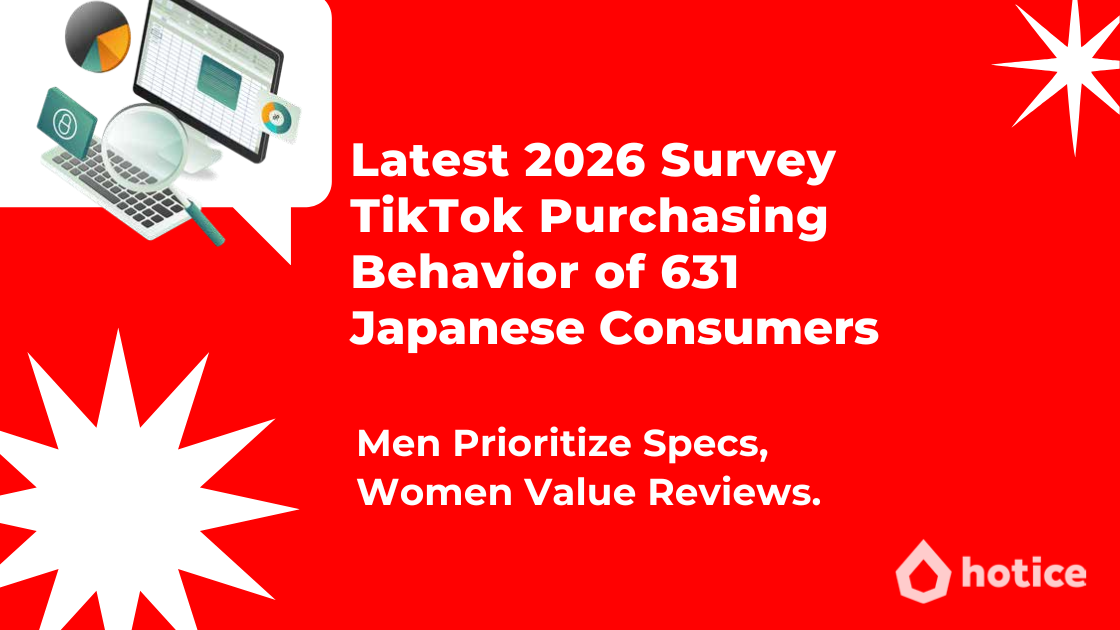
In contrast, for 45.00% (27 people) of those in their 10s, a style of saving posts to create their own dedicated catalog has become established. Differences by gender are also clear: men tend to prefer logical spec checks on official websites. Meanwhile, for women, while 36.18% (72 people) make full use of the save function, 30.15% (60 people) confirm the actual product at a store, highlighting a cautious purchasing psychology of wanting to see with one’s own eyes to avoid failure.
Centered on Beauty and Living Such as Household Goods and Cosmetics
The experience of purchasing via Instagram has spread across a wide range of genres, from daily necessities to items of personal taste. The most common category was household goods, interior decor, and kitchenware at 31.02% (134 people).
This was followed by the three genres of beauty/cosmetics, fashion, and food, all of which gathered high support at approximately 29%, with categories that color daily life occupying the top spots. While 43.33% (26 people) of those in their 10s invest in beauty and cosmetics, in the 40s segment, food and gourmet mail-order reached 44.00% (33 people), showing a desire for high-quality food through SNS.
Furthermore, for those in their 60s, household goods were the highest among all age groups at 41.18% (14 people). For men, home appliances and gadgets stood at 27.90% (65 people), significantly exceeding women and highlighting usage as a practical tool. In contrast, for women, beauty and cosmetics were overwhelming at 43.72% (87 people), revealing a consumption trend unique to the Japanese people who pursue beauty and the fulfillment of daily life.
The Deciding Factor for Purchase Is the Honest Mention of Disadvantages
The element that ultimately pushes Japanese people toward payment lies in the integrity of the sender rather than glamorous production. The most support was gathered by the fact that disadvantages and flaws felt by the poster are also honestly written, reaching 37.50% (162 people).
This was followed by summary videos of one minute or less at 37.04% (160 people), indicating that information allowing for a quick understanding of the risks and benefits to oneself encourages the purchasing decisions of Japanese people. In particular, 43.33% (26 people) of those in their 10s emphasize the disclosure of flaws, seeking truthful information without a PR feel.
Additionally, 53.33% (40 people) of those in their 40s support the efficiency of summary videos, serving as a trigger that accelerates consumption for the busy adult generation. While women use evaluations within communities and trends as a base for trust, men highly value accurate functional explanations by experts. Regardless of gender, the honest true feelings of the sender, rather than excessive production, are the key to opening wallets in Japan in 2026.
Low Unit Prices Between 1,000 Yen and 5,000 Yen Are Mainstream
hotice is a cross-border influencer marketing agency helping overseas brands enter Japan. We handle casting, negotiation, Japanese-language contracts, and ad-disclosure compliance.
Tell us your category, budget range, and timing. We will take it from there.According to a survey of the average expenditure per purchase, Instagram provides a powerful push for small daily luxuries and price ranges where the psychological hurdle for decision-making is low. The most common was 1,000 yen or more but less than 3,000 yen at 37.04% (160 people).
This was followed by 3,000 yen or more but less than 5,000 yen at 30.32% (131 people), meaning approximately 70% of the total make purchases within the range of 5,000 yen or less. While 75% of those in their 10s stay within expenditures of 3,000 yen or less, in the 50s segment, the mid-price range of 5,000 yen or more but less than 10,000 yen showed a higher figure than other age groups at 17.78% (8 people). The style of paying an appropriate price for items of particular interest has become established among the adult generation.
While approximately 59% of women tend to enjoy small purchases of 3,000 yen or less, there is also a thick layer of men at 33.05% (77 people) in the 3,000 to 5,000 yen range. This reflects the image of Japanese men paying for investments in high-function gadgets or items of high personal interest while trusting information from Instagram.
Instagram Market Trends in Japan in 2026
The reason why Instagram has become the decisive factor for consumption in the Japanese market can be summarized by the centrifugal force of the massive platform and the fundamental change in the user’s purchasing journey. As of 2026, Instagram has already gone beyond the realm of a single SNS and has evolved into a social platform that serves as the starting point for all kinds of consumption. What has happened over these past two years of rapid change? We will organize the latest market dynamics that must be understood in order to implement next-generation marketing.
A Massive Market of 66 Million Domestic Active Users
In the Japan of 2026, Instagram has completely shed its traditional definition as “media for the youth” and has grown into a massive platform utilized daily by all generations. The number of monthly active users in Japan for Instagram is estimated to have reached over 66 million. Calculated from the figure of 33 million announced by Meta in 2019, this means the scale has expanded more than twofold in just a few years.
In an analysis based on survey data from the Ministry of Internal Affairs and Communications, the usage rate across all ages has risen to 49%, making it a medium used by one in every two Japanese people today. Of particular note is the expansion of the user base. While it goes without saying that the usage rate for those in their 10s and 20s exceeds 90%, over 80% of those in their 30s and 40s, and even over 70% of those in their 50s and 60s, have integrated Instagram into their lives.
For companies deploying influencer marketing, this overwhelming user population means “reach power comparable to mass media” that can no longer be ignored. In 2026, where it has become natural for Japanese people of all generations to obtain information through visuals, Instagram not only fosters affinity for brands but also solidifies its position as the strongest infrastructure moving a broad range of purchasers.
source : 2024年のソーシャルメディアマーケティング市場規模は1兆2,038億円、前年比113%に伸長【サイバー・バズ/デジタルインファクト調べ】
The Evolution of Personalized Display Utilizing AI
In 2026, the user experience on Instagram has undergone a dramatic transformation from a place of “searching” to a place of “being found,” thanks to the breakthrough evolution of AI algorithms. Due to the continuous advancement of the platform by Meta, the accuracy with which AI anticipates and predicts individual users’ potential interests to optimize the display of feeds and the Discovery tab has been heightened to the extreme.
This deepening of personalization has fundamentally changed the way influencer marketing should be. The former model of simply “delivering to followers” is a thing of the past, and in the 2026 Japanese market, a mechanism where posts are automatically matched by AI to “non-followers who need that information most right now” is mainstream. The recommendation capability of AI, which visualizes even needs that users are not consciously aware of through visuals, stimulates the intuitive purchasing desire of Japanese people and accelerates the encounter between brands and consumers faster than ever before.
What is important for marketers is a high-resolution creative design to let the AI correctly recognize “for whom this high-quality content should be delivered.” Coexisting with algorithms and turning AI recommendations into an ally is the shortest path to success to instantaneously extract one’s own target from the vast user base.
source : Making it Easier to Access Account Support on Facebook and Instagram
“Closed Marketing” Utilizing Stories and DM
In the Japan of 2026, what determines victory or defeat in Instagram marketing has shifted to the construction of “closed relationships” through Stories and DM (Direct Messages), rather than public feed posts. The “Broadcast Channels” provided by Meta is a new type of function that allows influencers to directly deliver messages and limited information to their most passionate followers.
This closed space strongly stimulates the Japanese sense of belonging, such as the feeling of “being the only one who knows” or “belonging to a special community.” In the marketing strategy of 2026, Stories function as a place for two-way dialogue through “Q&A stamps,” as well as behind-the-scenes looks and development stories of products, in contrast to the “public face” of the feed. The intimate signals born here also act positively on the algorithm and serve as a powerful booster to promote priority display in users’ feeds and Discovery tabs.
Furthermore, “one-on-one communication” such as chatbot diagnosis and coupon distribution within DMs dramatically increases loyalty to the brand. Accumulating “deep trust” in closed spaces rather than diffusion in open spaces—this is the most important strategy to steadily generate conversions without being buried among competitors in the Japan of 2026, where information is overflowing.
source : Introducing Broadcast Channels, a New Way for Creators to Deepen Connections with Followers
Instagram Marketing Strategies to Win in Japan in 2026
Instagram has become a massive infrastructure with 66 million users in Japan. In the Japanese market of 2026, where “cautious research” and “intuitive discovery” coexist as shown by the survey data, we propose core strategies from three perspectives for companies to achieve overwhelming results.
Designing Mid-to-Long-Term Attitude Transformation Starting from “Saves”
In the purchasing behavior of Japanese people in 2026, Instagram’s “Save function” is not merely a bookmark, but functions as a “purchase consideration list” immediately preceding payment. The survey results show that 45% of teenagers and 36% of women in particular make heavy use of the save function, establishing a style of “considering carefully later” rather than making immediate decisions.
To ensure that influencer marketing does not end as a one-off display of fireworks, it is necessary to include not only impact at the moment of viewing but also “information that makes one want to save and look back multiple times.” By incorporating practical information such as explanations of usage steps, ingredient comparisons, and “how to choose to avoid failure,” it is possible to complete the user’s “background check” process within your own content and dramatically increase the purchase rate.
Hacking Trust through “Honest Flaws”
What Japanese people in 2026 value most is the “sender’s true feelings,” stripped of excessive production. The fact that “honest description of disadvantages” reached 37.50% as a deciding factor for purchase speaks to the limitations of traditional “advertisements that only list good things.”
The strategy professional marketers should take now is to request influencers to provide multi-faceted reviews that include not only the brand’s “strengths” but also “whom the product is not suited for” or “precautions for use.” This sincere information disclosure is what sublimates an advertisement into a “reliable recommendation” and serves as the greatest breakwater to prevent information outflow to search engines. “Paradoxical trust building,” which increases a sense of satisfaction by making risks transparent, will be the strongest weapon to open wallets in Japan in 2026.
Pricing, past campaigns, and how contracts and ad-disclosure compliance are handled from start to finish. Ask us anything before you commit to a budget.
Overseas brands welcome. We work in English, Japanese, Chinese, and Korean.“Personalized Communities” Led by AI and Closed Spaces
While display optimization by AI has progressed, users are seeking “special messages just for them.” A “two-tiered” operation is essential: guiding new segments brought in by AI to Stories or Broadcast Channels and nurturing them with high density in a closed space.
Using creative design that lets AI recognize “to whom the information should be delivered” as an entrance, final satisfaction for purchase should be fostered through dialogue close to one-on-one within DMs and channels. Together with influencers specialized in specific lifestyles, please be thorough in designing to maximize “trust density” within the community rather than the scale of follower counts. Breadth through AI and depth through closed spaces. This community strategy that balances these two trade-offs is the only solution for surviving in a saturated market.
Consult hotice for Influencer Marketing Here
Conquering Instagram in 2026 requires precise design based on data, not relying on intuition. hotice provides Instagram strategies that maximize save counts and purchase conversion rates by combining the complex purchasing psychology of Japanese people with the latest AI algorithms. We will co-produce the moment when your company’s brand changes from an “aspiration” to a “selection made with conviction” within the daily lives of Japanese people. To ensure success in 2026, why not experience hotice’s consulting first?